primary healthcare access

Mozambican farmers, Mozambique–South Africa migration, cross-border migration, informal cross-border trade, organic produce trade, tomato value chain, smallholder agriculture, machamba farming, circular migration, food systems and migration, urban food security, informal markets Pretoria, Marabastad market, Tshwane informal economy, fresh produce supply chains, migrant livelihoods, agricultural migration, climate-induced migration, climate variability southern Africa, informal food systems, organic farming southern Africa, migrant traders, cross-border traders, SADC migration, regional food trade, undocumented migrants, migrant documentation status, health access for migrants, migrant health policy South Africa, National Health Act South Africa, primary healthcare access, health inequities migrants, market-based health outreach, mobile clinics informal markets, nutrition and migration, food insecurity among migrants, gendered migration patterns, women in informal trade, youth migration southern Africa, migrant remittances, informal market governance, urban public health Pretoria, municipal health planning, City of Tshwane IDP, NGO migrant health interventions, migrant associations, community-led initiatives, policy gaps migration health, evidence-based policy analysis, intersectionality migration health, ethical migration research

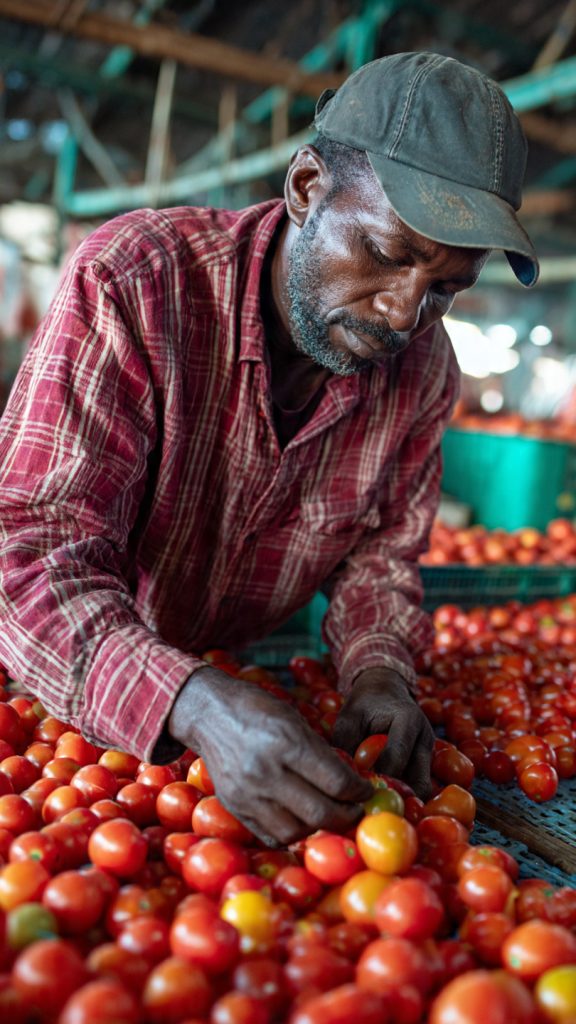
From Machamba to Market Stall: Why Mozambican Farmers Are Following Their Tomatoes to Pretoria

Cross-Border Farming and Pretoria’s Tomato Trade The Untold Story of How Organic Produce Is Reshaping Migration Patterns A Border-Crossing Food System in Motion In 2023, informal markets in Pretoria North and Marabastad recorded a visible rise in fresh tomatoes, leafy greens, and chillies traced back to southern Mozambique. At the same time, border authorities at […]

From Machamba to Market Stall: Why Mozambican Farmers Are Following Their Tomatoes to Pretoria Read More »

migrant rights training, South Africa healthcare, public health officials, constitutional obligations, health system strengthening, medical xenophobia, refugee healthcare access, asylum seekers health services, documentation barriers, healthcare discrimination, rights-based training, cultural competency training, migration health policy, universal health coverage, healthcare worker education, human rights sensitization, emergency medical care, National Health Act, Section 27 Constitution, Refugees Act implementation, health equity, inclusive healthcare, TB transmission, HIV prevention, public health security, healthcare access barriers, language interpretation services, patient rights education, peer champion model, budget-neutral training, cost-effective interventions, monitoring and accountability, patient feedback mechanisms, Cape Town health programs, Gauteng health facilities, Western Cape Department of Health, eThekwini Municipality, Johannesburg Region F, KwaZulu-Natal healthcare, implementation strategies, policy recommendations, facility management, NGO partnerships, academic institutions, continuing professional development, pre-service education, Health Professions Council, staff capacity building, xenophobia reduction, attitude change interventions, behavioral training, interactive learning methods, case-based learning, role-playing exercises, graduated implementation, sustainable training models, community health workers, migrant patient committees, progressive supervision, disciplinary measures, standard operating procedures, multilingual signage, health systems research, migration dynamics, social determinants of health, vulnerable populations, ethical healthcare provision, Batho Pele principles, primary healthcare access, antenatal care, chronic disease management, infectious disease control, healthcare quality improvement, performance indicators, needs assessment, blended learning, e-learning platforms, mobile applications, digital health solutions, evidence-based interventions, stakeholder engagement, institutional change, health policy analysis, African healthcare systems, Southern Africa migration, cross-border health, refugee health rights, undocumented migrants, documentation status, legal frameworks, international obligations, health workforce development, professional ethics

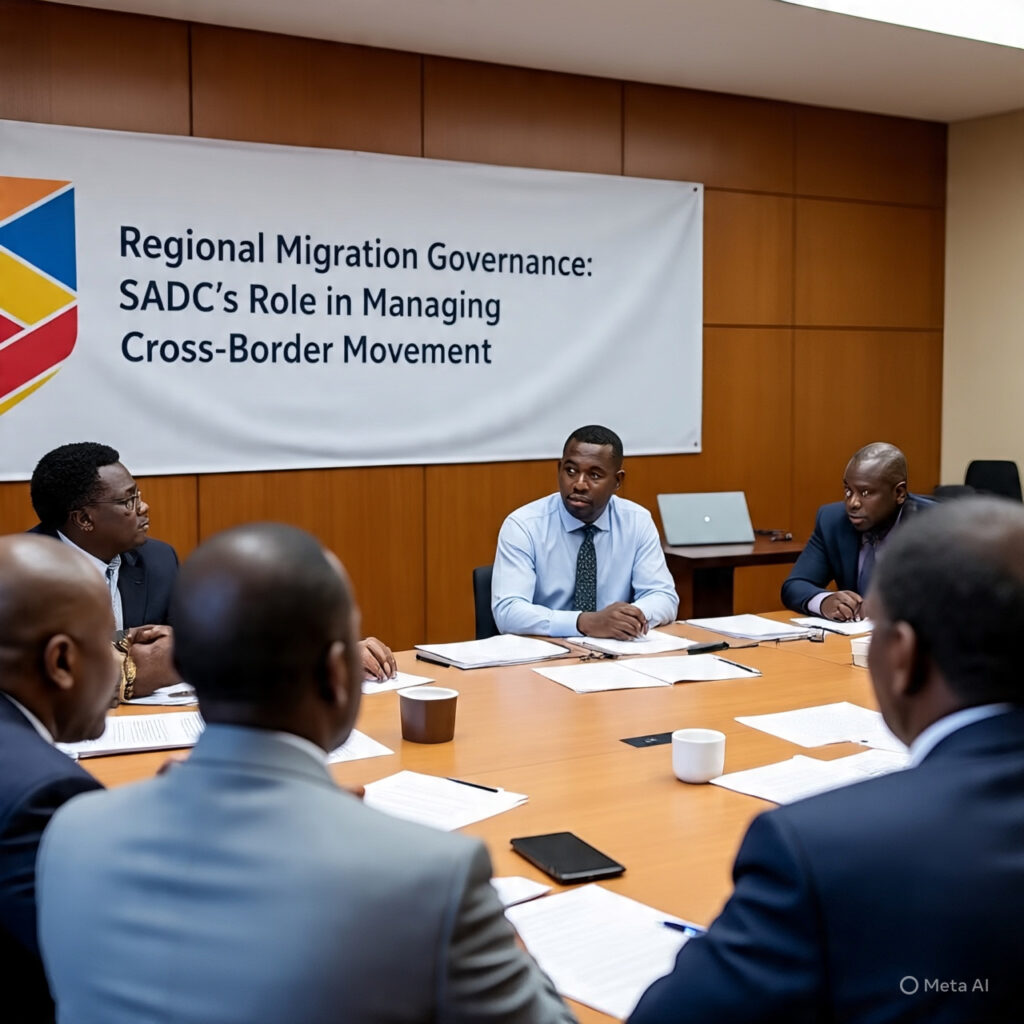
Training Public Officials on Migrant Rights: A Blueprint for Institutional Change

Training Public Officials on Migrant Rights: A Blueprint for Institutional Change The Crisis at the Counter Fatima arrived at a Johannesburg clinic at 6 AM, seven months pregnant and bleeding. Immediately, the receptionist demanded her passport. Fatima showed her asylum seeker permit. Nevertheless, the receptionist turned her away, claiming “we don’t serve illegals here.” Three

Training Public Officials on Migrant Rights: A Blueprint for Institutional Change Read More »