migrant advocacy

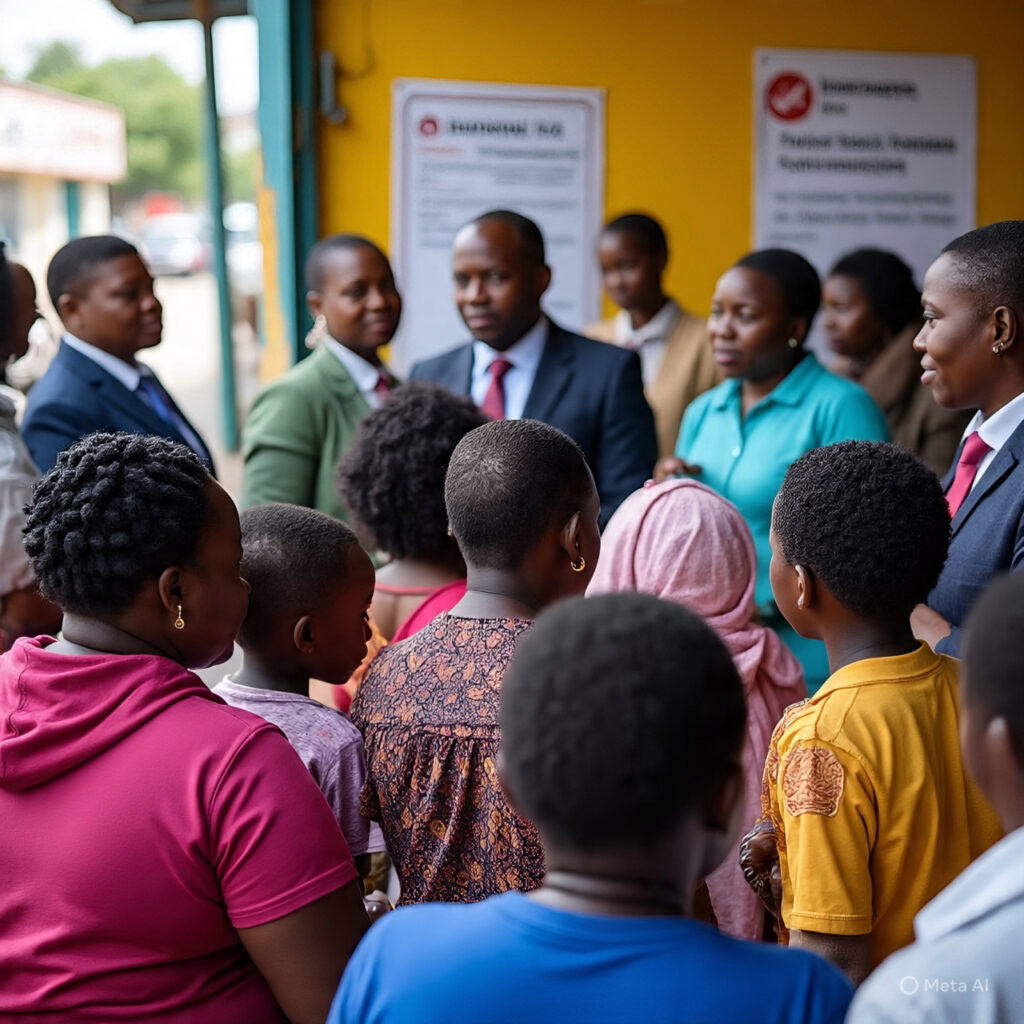
food insecurity South Africa, African migrants, migrant households, host population vulnerabilities, urban food insecurity, Gauteng City-Region, Johannesburg migrants, internal migrants South Africa, international migrants South Africa, structural inequalities, intersectional factors, gendered food insecurity, nutrition access, dietary diversity, traditional foods, urban agriculture South Africa, community gardens, social protection migrants, indigency grants South Africa, food parcels, informal work, precarious employment, culturally appropriate foods, migrant vulnerability, food security policy, migrant-inclusive policy, NGO food programs, public health South Africa, nutritional insecurity, economic shocks, migrant livelihoods, urban informal settlements, migration health, food access disparities, migrant nutrition programs, evidence-based interventions, South Africa food policy, migrant social support, urban food systems, ethnic foods South Africa, migrant advocacy, household food insecurity, COVID-19 impact migrants, food system inequalities, food security research South Africa

How Does Food Insecurity Among African Migrants in South Africa Compare to Host Population Vulnerabilities?

Food Insecurity Among African Migrants vs. Host Communities in South Africa Opening: Hunger in the City — Migrants and Host Communities In 2023, a striking statistic emerged: approximately 63.5 % of South African households — over 12 million households — were classified as food insecure. Institute of Development Studies+2South African Human Rights Commission+2This number reflects a […]
How Does Food Insecurity Among African Migrants in South Africa Compare to Host Population Vulnerabilities? Read More »

xenophobia, medical xenophobia, healthcare access, African migrants, South Africa, public clinics, migrant health, undocumented migrants, refugees, asylum seekers, migrant rights, health disparities, HIV, TB, maternal health, child health, health policy, National Health Act, Refugees Act, inclusive healthcare, cultural competence, discrimination, patient rights, health system barriers, migrant-sensitive care, public health, Gauteng, Johannesburg, Tshwane, KwaZulu-Natal, NGO interventions, civil society, Operation Dudula, migrant-led organizations, health equity, chronic disease management, access to care, health outcomes, policy implementation, social determinants of health, vulnerable populations, intersectionality, gender, documentation status, health ethics, health reform, NDoH guidelines, healthcare training, health monitoring, community support, case studies, evidence-based recommendations, continuity of care, migrant advocacy, health integration

The Impact of Xenophobia on Healthcare Utilization Among African Migrants in South African Public Clinics

The Invisible Barrier: How Xenophobia Undermines Health Access for African Migrants in South Africa In June 2025, a 32‑year-old female migrant from Zimbabwe — let us call her Amina — arrived at a busy public clinic in Johannesburg with fever and persistent cough. Clinic staff demanded identification and proof of documentation. When Amina could not produce

The Impact of Xenophobia on Healthcare Utilization Among African Migrants in South African Public Clinics Read More »

xenophobia South Africa, workplace discrimination, migrant laborers, human rights, occupational safety, labor migration policy, Gauteng, Western Cape, KwaZulu-Natal, migrant women, gendered vulnerabilities, irregular migrants, asylum seekers, refugees, wage theft, labor exploitation, mental health migrants, workplace harassment, labor inspections, Employment Equity Act, Labour Relations Act, Basic Conditions of Employment Act, Occupational Health and Safety Act, Decent Work for All, COSATU, SAFTU, Scalabrini Centre, CoRMSA, Jesuit Refugee Service, migrant inclusion, union advocacy, anti-xenophobia programs, digital complaint platforms, labor rights enforcement, policy gaps, intersectionality, health and safety, informal sector, migrant protection, wage discrimination, workplace violence, occupational hazards, South African law, migrant advocacy, labor rights education, inclusive workplace policies, labor inspections Gauteng, migrant worker case studies, employment rights, documentation barriers, social protection migrants, migrant worker mental health, economic insecurity migrants, safe workplaces, migrant labor challenges, action plan migrant rights.

How Does Xenophobia in South African Workplaces Affect the Human Rights and Safety of Migrant Laborers?

Xenophobia in South African Workplaces Introduction: Fear at Work – The Hidden Cost of Xenophobia In South Africa, workplaces should be spaces of safety, dignity, and opportunity. Yet many African migrant laborers experience fear and exclusion instead. According to a recent report on xenophobic discrimination in South Africa (2022–2024), xenophobic incidents—including workplace-related discrimination—remain widespread.¹ In

How Does Xenophobia in South African Workplaces Affect the Human Rights and Safety of Migrant Laborers? Read More »

South Africa, labor migration, migration policy, vulnerable women, children, human trafficking, exploitation, migrant protection, National Labour Migration Policy, NLMP, gender-sensitive migration, child labor, forced labor, migrant rights, undocumented migrants, trafficking prevention, labor abuse, domestic workers, agricultural labor, urban migration, rural migration, Johannesburg, Pretoria, Limpopo, Mpumalanga, migrant health, social services, legal aid, community awareness, NGO programs, victim support, law enforcement training, cross-border trafficking, regional cooperation, data collection, migration research, policy gaps, intersectionality, gender-based violence, child protection, migrant advocacy, human rights, labor inspections, migration governance, trafficking victims, safe migration, ethical migration, South African government, migrant empowerment.

How can labor migration policies in South Africa better protect vulnerable women and children from trafficking and exploitation?

Enhancing Labor Migration Policies in South Africa to Protect Vulnerable Women and Children from Trafficking and Exploitation Introduction: The Urgent Need for Policy Reform South Africa is a significant destination for labor migrants in Africa, attracting thousands annually from neighboring countries. While migration offers economic opportunities, it also exposes women and children to heightened risks

How can labor migration policies in South Africa better protect vulnerable women and children from trafficking and exploitation? Read More »

undocumented migrant workers, South Africa, agriculture sector, mining sector, human rights violations, migrant labour, labour exploitation, unsafe working conditions, occupational health, gender-based violence, sexual harassment, migrant health, TB prevalence, silicosis, pesticide exposure, wage theft, child labour, labour inspections, legal protections, Constitutional rights, National Health Act, Basic Conditions of Employment Act, Employment Equity Act, Immigration Act, xenophobia, healthcare access, maternal health, mental health, psychosocial stress, informal mining, artisanal miners, zama-zamas, NGO interventions, MSF migrant clinics, Scalabrini Centre, Legal Resources Centre, worker cooperatives, FairPlay Movement, policy recommendations, labour policy gaps, intersectoral coordination, regional migration, SADC health protocols, migrant women, migrant children, foreign nationals, Mozambican workers, Zimbabwean workers, Lesotho workers, Limpopo, Mpumalanga, North West Province, Gauteng, Western Cape, Stilfontein mine tragedy, South African Human Rights Commission, International Labour Organization, occupational diseases, health outreach programs, migrant advocacy, labour rights enforcement, mobile clinics, rural migrant communities, intersectional vulnerability, social protection, public health risks, ethical sensitivity, evidence-based solutions, research gaps, migration health policy, human dignity, worker safety.

Undocumented Migrants in Agriculture & Mining: Human Rights at Risk in South Africa

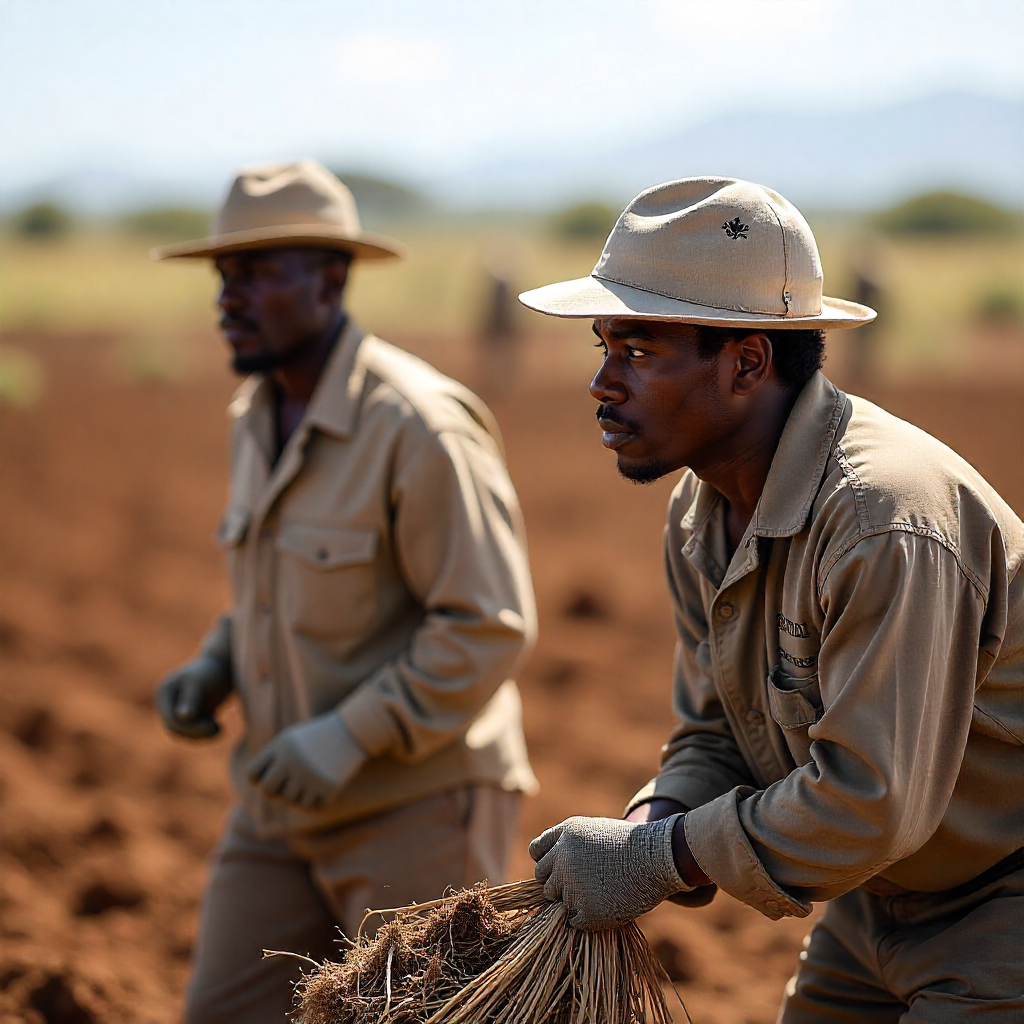
 Undocumented Migrant Workers in South Africa Introduction: The Invisible Backbone of South Africa’s Economy South Africa’s agriculture and mining industries rely heavily on migrant labour. Yet, behind this economic contribution lies a hidden crisis. Undocumented migrant workers—primarily from Zimbabwe, Mozambique, Malawi, and Lesotho—face severe human rights violations that threaten their health, safety, and dignity. In

Undocumented Migrants in Agriculture & Mining: Human Rights at Risk in South Africa Read More »

Migrant workers, South Africa, labour exploitation, labour abuse, safe reporting, undocumented migrants, labour rights, worker protection, deportation risk, Basic Conditions of Employment Act, Labour Relations Act, National Labour Migration Policy, NGOs, MIWUSA, Izwi Domestic Worker Alliance, Lawyers for Human Rights, Impimpa hotline, labour inspectorate, human rights, workplace safety, wage theft, informal sector, domestic workers, factory workers, hospitality workers, migrant helpdesk, legal aid, civil society, peer support, gender-based abuse, social protection, immigration enforcement, safe reporting channels, urban migrant communities, Rustenburg, Johannesburg, Pretoria, Cape Town, case studies, policy gaps, public health, worker unions, legal literacy, implementation roadmap, non-citizen workers, safe disclosure, workplace compliance, ethical sensitivity, reporting mechanisms, employment law, migrant advocacy, community-based support, employment inspections, undocumented worker protection, worker empowerment, NLMP implementation, workplace harassment, minimum wage compliance, occupational health and safety, migration health, migration policy, labour rights awareness, labour complaint mechanisms, employer accountability, protective legislation, safe reporting protocols, employment dispute resolution, worker safety, government oversight, policy recommendations.

How Can Migrant Workers in South Africa Report Labour Exploitation and Abuse Without Fear of Deportation?

Reporting Labour Exploitation by Migrants in South Africa Without Fear of Deportation Opening: The Urgent Reality Between 2023 and 2025, joint inspections by the Department of Employment and Labour (DEL) in South Africa exposed numerous undocumented migrant workers in exploitative conditions. They worked long hours, received low pay, and often had no contracts or safety

How Can Migrant Workers in South Africa Report Labour Exploitation and Abuse Without Fear of Deportation? Read More »

police brutality South Africa, migrant rights South Africa, xenophobia, irregular migrants, police corruption, extortion by police, arbitrary arrests, racial profiling, South African Police Service, SAPS misconduct, IPID oversight, Civilian Secretariat for Police, community policing forums, human rights violations, immigration enforcement, migrant health, public health and policing, healthcare access for migrants, law enforcement accountability, Lindela Repatriation Centre, corruption watch South Africa, Lawyers for Human Rights, African Centre for Migration and Society, Amnesty International South Africa, fear of arrest, gender-based violence migrants, migrant women abuse, public health security, undocumented migrants, Operation Dudula, anti-immigrant violence, migrant traders, informal economy policing, street-level corruption, police reform South Africa, accountability mechanisms, civil society oversight, migrant inclusion, community safety, policy reform South Africa, SAPS training, human dignity, equality before the law, migrant advocacy, xenophobia and health, policing and human rights, African migrants South Africa, health system response, migration policy, migrants in Gauteng, migrants in Johannesburg, migrants in Durban, migrants in Cape Town, inclusive policing, law enforcement reform, migrant protection, border control policy, constitutional rights South Africa, Immigration Act South Africa, migrant livelihoods, anti-corruption initiatives, social justice, urban safety, human security, community trust, migrant participation, health policy reform, TB and HIV among migrants, police impunity, rule of law South Africa, ethical policing, discrimination in policing, migrants and healthcare access, corruption in law enforcement, South African human rights law, refugee protection, asylum seekers South Africa, NGO interventions, migration health research, evidence-based policy, policy recommendations South Africa, intersectionality and policing, vulnerable populations South Africa.

Police or Persecutors? When Law Enforcement Targets Irregular Migrants Instead of Protecting Them

When Law Enforcement Becomes a Threat to Migrant Safety Introduction: When Protection Turns into Persecution In South Africa’s cities, law enforcement is meant to ensure safety. Yet for thousands of African migrants, the police represent fear, not protection.In Johannesburg’s inner city, 32-year-old Musa, a Zimbabwean trader, recounts being stopped five times in one month. Each

Police or Persecutors? When Law Enforcement Targets Irregular Migrants Instead of Protecting Them Read More »

Zimbabwean migration, South Africa migration, temporary migration, permanent migration, fluid migration patterns, migration intentions, political instability Zimbabwe, economic uncertainty Zimbabwe, migrant health, healthcare access migrants, undocumented migrants, mental health migrants, migration policy South Africa, migrant integration, migrant support programs, migrant case studies, migration health research, migration health policy, cross-border migration, Southern Africa migration, migrant resilience, migration cycles, migration social determinants, migrant inclusion, migrant legal status, migration epidemiology, public health migrants, migrant rights South Africa, migration challenges, Zimbabwean diaspora South Africa, migrant advocacy, migration policy reform, migrant services, health disparities migrants, migrant vulnerability, migration health interventions, migrant mental health services, evidence-based migration policy, intersectional migration analysis, gender and migration, age and migration, nationality and migration, documentation status migrants, ethical migration research, migration health gaps, migration health recommendations, migration health programs, community-led migrant support.

Temporary or Permanent? Debunking Settlement Myths About Zimbabwean Migration Patterns

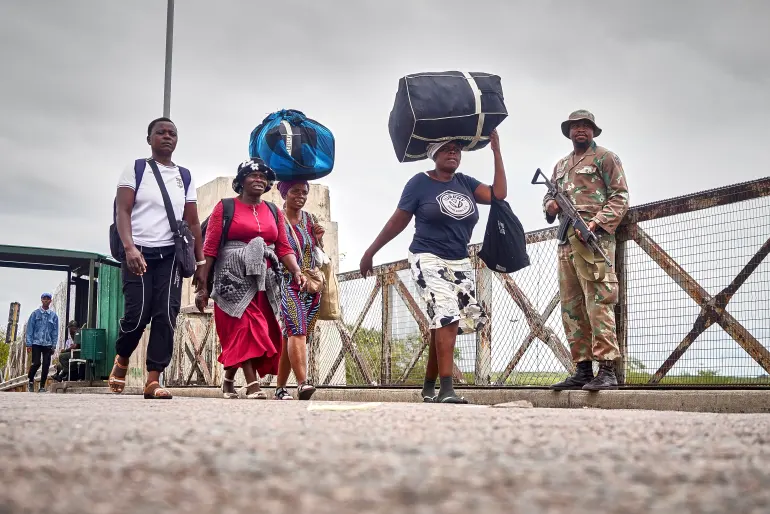
 Zimbabwean Migration Patterns Introduction: The Fluidity of Zimbabwean Migration Zimbabwean migration to South Africa has long been characterized by a fluid interplay of temporary and permanent intentions. This complexity challenges simplistic categorizations and underscores the need for nuanced policy responses. In 2025, an estimated 911,981 Zimbabweans reside in Southern Africa, with a significant portion in

Temporary or Permanent? Debunking Settlement Myths About Zimbabwean Migration Patterns Read More »

African migration, urbanization, Johannesburg, South Africa, migrant health, informal settlements, overcrowding, public health, tuberculosis, HIV, COVID-19, healthcare access, undocumented migrants, refugees, spaza shops, migrant women, migrant youth, gender-based violence, intersectionality, National Health Insurance, NHI Bill, Refugees Act, Gauteng City-Region Observatory, ACMS, Médecins Sans Frontières, urban planning, community health workers, mobile clinics, peer advocacy, migrant-led organizations, policy gaps, housing, sanitation, economic contribution, informal economy, migration policy, migration data, urban integration, migration challenges, sustainable urban growth, migrant resilience, migrant advocacy, inclusive health policy, migrant protection, South African cities, migration trends, health disparities, migrant vulnerabilities.

What is the connection between African migration and urbanization in Johannesburg?

African Migration and Urbanization in Johannesburg: Policy, Health, and Social Implications Introduction: Migration and the Changing Face of Johannesburg Johannesburg is South Africa’s economic powerhouse. It has become one of the most prominent migrant-receiving cities in Africa. In 2022, South Africa hosted over 4 million international migrants. Johannesburg absorbed the largest proportion (UN DESA, 2022).

What is the connection between African migration and urbanization in Johannesburg? Read More »

African migrants, migrant healthcare South Africa, community-led health initiatives, migrant organizations, healthcare access, peer support, migrant advocacy, grassroots health programs, undocumented migrants, migration and health, public health South Africa, health equity, HIV and migrants, TB in migrant communities, xenophobia and healthcare, migrant women’s health, South African health policy, migrant health policy gaps, inclusive healthcare, peer educators, refugee health services, migrant health challenges, healthcare discrimination, migrant-led interventions, urban migrant health, migrant health programs Johannesburg, Cape Town migrant health, Durban migrant communities, intersectionality in healthcare, healthcare for non-citizens, migrant rights South Africa.

Community-Led Solutions: How African Migrant Organizations Are Addressing Healthcare Gaps Through Peer Support and Advocacy

Certainly! Here’s the revised version of your blog post with enhanced use of transition words and phrases to improve flow and coherence. Transitional elements are used to guide the reader smoothly between sections, ideas, and examples.  How African Migrant Organizations Are Addressing Healthcare Gaps In a cramped Hillbrow flat in inner-city Johannesburg, Fatou*, a 29-year-old

Community-Led Solutions: How African Migrant Organizations Are Addressing Healthcare Gaps Through Peer Support and Advocacy Read More »