informal economy

climate migration, South Africa, economic opportunities, climate adaptation, sustainable development, green economy, migration policy, environmental displacement, regional leadership, SADC region, resilience planning, climate resilience, public health, sustainable livelihoods, renewable energy, circular economy, urban planning, labour migration, migration governance, sustainable infrastructure, community adaptation, environmental policy, climate finance, job creation, innovation in adaptation, local economic development, migration health, social inclusion, vulnerable populations, gender and migration, migrant workers, informal economy, cross-border migration, rural development, ecosystem restoration, sustainable agriculture, climate-smart jobs, migration management, policy reform, migration data, adaptive capacity, climate justice, sustainable growth, green jobs, disaster risk reduction, urban resilience, environmental sustainability, migration governance frameworks, inclusive development, human mobility, climate change mitigation, African Union climate policy, National Climate Change Adaptation Strategy, National Development Plan South Africa, resilience economy, and sustainable migration pathways.

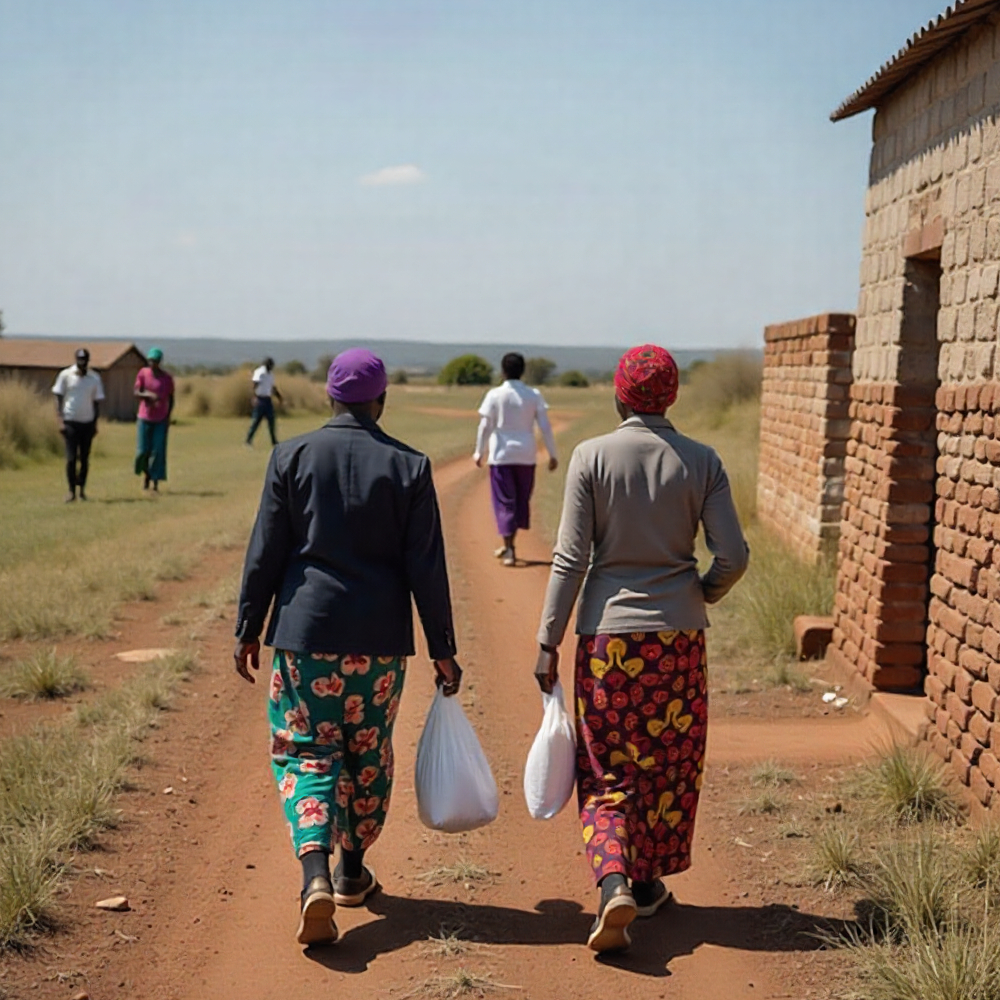
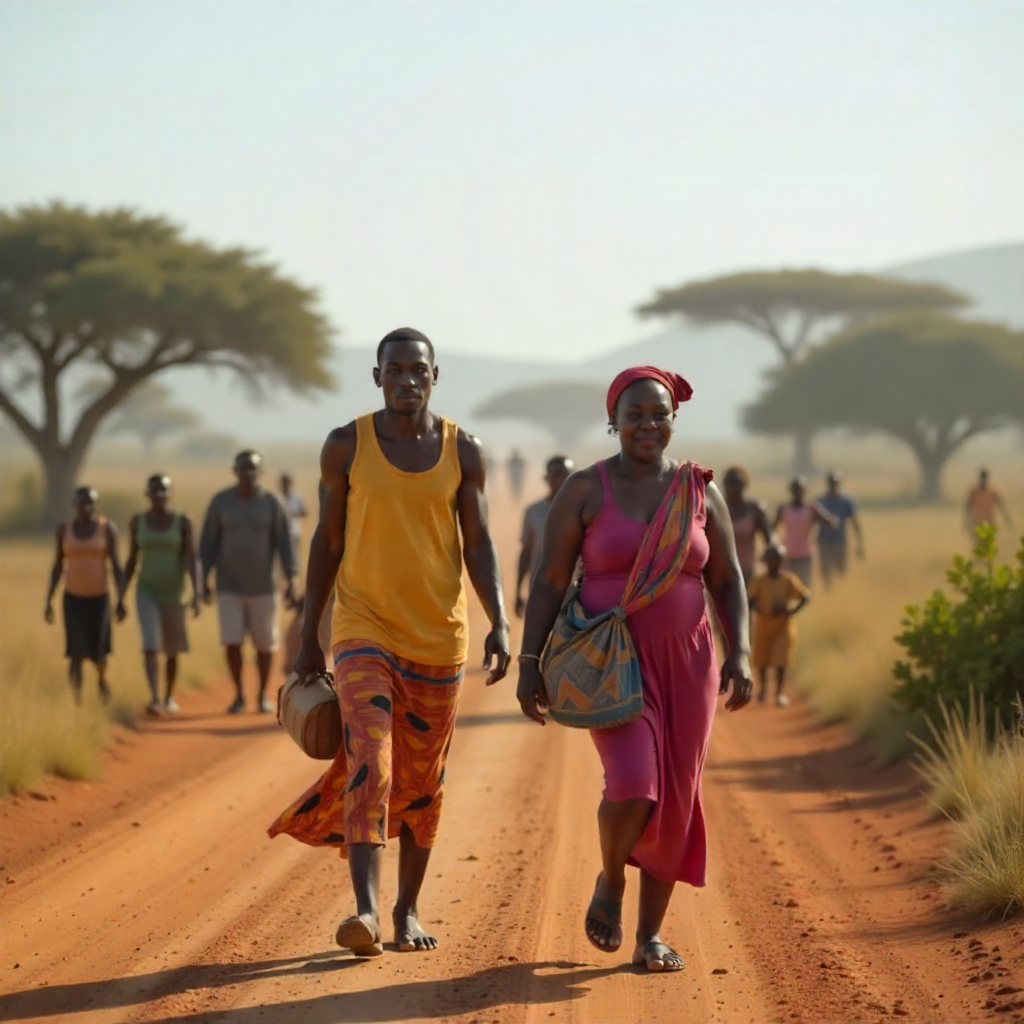
What economic opportunities exist in managing climate migration sustainably, and could South Africa become a regional leader in climate adaptation strategies?

Economic Opportunities in Managing Climate Migration: Can South Africa Lead the Region? Rising Stakes: Climate and Migration in South Africa Climate change increasingly drives migration in southern Africa. In Gauteng, a 2023 study found that environmental stresses were significant indirect factors influencing mobility among migrants. Floods, droughts, and extreme weather events intersected with economic pressures […]
What economic opportunities exist in managing climate migration sustainably, and could South Africa become a regional leader in climate adaptation strategies? Read More »

Congolese migration, economic development initiatives, Democratic Republic of the Congo, DRC economy, South Africa migration, regional integration, SADC policies, job creation in DRC, youth employment, women empowerment, migration health, cross-border trade, informal economy, livelihood programmes, digital skills training, entrepreneurship support, agribusiness development, migration governance, returnee reintegration, migrant livelihoods, migration and health policy, poverty reduction, inclusive growth, social protection, sustainable livelihoods, conflict and displacement, human capital development, migration alternatives, economic resilience, migration push factors, South African health system, migrant health access, migration policy reform, regional development fund, migration research, gender-sensitive policy, documentation barriers, informal sector, occupational health, community empowerment, sustainable development, migration management, African migration trends, public health equity, migration solutions, economic transformation, local job opportunities, stay-at-home migration alternatives.

What Economic Development Initiatives Could Keep Congolese Migrants Closer to Home Rather Than Traveling to South Africa?

 Economic Development Initiatives for Congolese Migrants Opening: A Story of Choice and Opportunity In the busy streets of Lubumbashi, Marie (a pseudonym) repairs mobile phones in a small workshop. She once planned to migrate to Johannesburg in South Africa. Instead, she accepted a local youth-skills training in digital repair and micro-enterprise support. Now she earns

What Economic Development Initiatives Could Keep Congolese Migrants Closer to Home Rather Than Traveling to South Africa? Read More »

Botswana economic model, Botswana success story, Southern Africa migration, migration pressures, economic development, regional integration, job creation, youth employment, inequality reduction, SADC economies, sustainable growth, human capital investment, governance reforms, diversification strategies, poverty reduction, African migration policy, migration management, regional cooperation, inclusive growth, infrastructure development, entrepreneurship support, public health and migration, gender and migration, education and skills development, South Africa migration trends, cross-border labour mobility, remittances, economic resilience, informal economy, social protection, policy innovation, Botswana Vision 2036, Africa migration solutions, regional economic policy, migration health, migration governance, development partnerships, migrant livelihoods, economic opportunity, SADC policy reform.

How Can Botswana’s Economic Success Model Be Replicated to Reduce Outward Migration Pressures in Southern Africa?

 Botswana’s Economic Success Model A Rising Economy Amid Persistent Migration Flows Migration pressures continue to shape Southern Africa’s social and economic landscape. Between 2020 and 2024, roughly 108,000 South Africans emigrated, averaging 27,000 people a year—about 74 leaving daily (BusinessTech, 2024). In contrast, Botswana’s success story offers valuable lessons. Once one of the world’s poorest

How Can Botswana’s Economic Success Model Be Replicated to Reduce Outward Migration Pressures in Southern Africa? Read More »

remittances, South Africa, Lesotho, economic inequality, poverty reduction, migration, migrant workers, cross-border remittances, household income, informal economy, rural livelihoods, development finance, financial inclusion, gender inequality, youth employment, labour migration, SADC region, regional integration, economic development, social protection, money transfers, diaspora investment, sustainable development, inequality gap, economic resilience, foreign exchange, Basotho migrants, remittance flows, rural development, South African mining sector, financial literacy, inclusive growth, income redistribution, social welfare, household welfare, banking access, policy reform, economic empowerment, digital remittances, mobile money, South African Reserve Bank, Lesotho Central Bank, UNDP, World Bank, migration policy, fiscal policy, regional cooperation, poverty alleviation, social equity, community development, informal remittance channels, economic mobility, structural inequality, South Africa–Lesotho corridor.

What Role Can Remittances from South Africa Play in Reducing Economic Inequality in Lesotho?

Remittances and Inequality: Lessons from Lesotho and South Africa A Lifeline Across the Border Every month, thousands of Basotho workers in South Africa send money home. These remittances are more than just financial transfers—they are survival tools for entire families. According to the World Bank (2024), remittances contributed about 23% of Lesotho’s GDP, one of

What Role Can Remittances from South Africa Play in Reducing Economic Inequality in Lesotho? Read More »

remittances, Zimbabwe remittances, Mozambique remittances, Malawi remittances, economic impact of remittances, migrant remittances, South Africa SADC migration, migration health, migrant households, household welfare, financial inclusion, digital remittance platforms, diaspora investment, health financing, social protection, migrant workers, informal remittance channels, cross-border remittances, remittance policy, development finance, migrant health outcomes, HIV care, TB treatment, maternal health, child health, health systems strengthening, South African migration policy, household resilience, remittance-driven development, SADC remittance flows, low-cost remittance transfers, remittance-linked insurance, diaspora bonds, rural household support, financial literacy, migrant vulnerability, health system gaps, remittance data, economic development, structural investment, remittance utilization, migrant documentation status, informal economy, consumption support, human capital, small business investment, migration corridors, remittance trends

What Economic Impact Do Remittances Have on Development in Zimbabwe, Mozambique and Malawi?

Remittances: A Vital Lifeline In southern Africa, remittances—money sent home by migrants—play a critical role in household survival. Zimbabwe received over US$1 billion in remittances in 2020, representing more than 10% of GDP, rising to 11.7% in 2023 (Trading Economics). These flows help families cover food, school fees, and healthcare. Yet, remittances often fail to

What Economic Impact Do Remittances Have on Development in Zimbabwe, Mozambique and Malawi? Read More »

migrant workers South Africa, trade unions South Africa, informal economy, labor rights protection, xenophobia South Africa, migrant health outcomes, undocumented workers, labor migration policy, workplace exploitation, occupational health hazards, COSATU, National Labour Migration Policy, Operation Dudula, Zimbabwean Exemption Permit, Lesotho Exemption Permit, Department of Employment and Labour, Department of Home Affairs, SADC Labour Migration Action Plan, xenophobic violence, migrant worker protection, migration health, public health South Africa, occupational health, TB and HIV prevention, mental health migrants, healthcare access barriers, trauma-informed care, health equity, social determinants of health, heat-health vulnerabilities, labor inspection, employment rights, social protection, collective bargaining, fair recruitment, labor law enforcement, documentation status, regularization programs, bilateral labor agreements, international labor standards, Johannesburg migrants, Cape Town informal traders, Durban xenophobia, Gauteng province, Soweto, Hillbrow, Beitbridge border post, SADC region, Southern African migration, domestic workers, construction workers, street vendors, agricultural workers, informal traders, self-employed migrants, hospitality workers, mining sector, precarious employment, Migrant Workers Union, SACCAWU, NUMSA, SADSAWU, Simunye Workers Forum, vulnerable workers organizing, informal sector unions, community-based organizing, union membership barriers, undocumented migrants, asylum seekers, refugee workers, gender-based discrimination, youth unemployment, intersectional vulnerabilities, economic precarity, social isolation, legal vulnerability, ILO conventions, SADC protocols, African Union migration policy, Sustainable Development Goals, Global Compact for Migration, ICRMW, regional integration, free movement protocols, cross-border labor mobility, labor advocacy, rapid response teams, mobile health clinics, legal aid services, anti-xenophobia training, migrant health units, collective agreements, worker empowerment, solidarity building, community health workers, migration statistics, labor market data, health surveillance, participatory action research, longitudinal studies, data disaggregation, evidence-based policy, research gaps, migration health research, epidemiological data, remittances, social grants, wage exploitation, equal pay, minimum wage violations, informal trading fees, economic contributions, unemployment rates, skills shortage, labor market impacts

What is the role of trade unions in protecting the rights of migrant workers in South Africa’s informal economy?

Trade Unions and Migrant Worker Protection in South Africa’s Informal Economy: Challenges and Solutions A Crisis in Plain Sight In January 2024, armed Operation Dudula members descended on the Beitbridge border post. They aimed to physically prevent Zimbabwean migrants from entering South Africa. Meanwhile, in Johannesburg’s townships, Maria (name changed), a 34-year-old Zimbabwean domestic worker,

What is the role of trade unions in protecting the rights of migrant workers in South Africa’s informal economy? Read More »

African migration, urbanization, Johannesburg, South Africa, migrant health, informal settlements, overcrowding, public health, tuberculosis, HIV, COVID-19, healthcare access, undocumented migrants, refugees, spaza shops, migrant women, migrant youth, gender-based violence, intersectionality, National Health Insurance, NHI Bill, Refugees Act, Gauteng City-Region Observatory, ACMS, Médecins Sans Frontières, urban planning, community health workers, mobile clinics, peer advocacy, migrant-led organizations, policy gaps, housing, sanitation, economic contribution, informal economy, migration policy, migration data, urban integration, migration challenges, sustainable urban growth, migrant resilience, migrant advocacy, inclusive health policy, migrant protection, South African cities, migration trends, health disparities, migrant vulnerabilities.

What is the connection between African migration and urbanization in Johannesburg?

African Migration and Urbanization in Johannesburg: Policy, Health, and Social Implications Introduction: Migration and the Changing Face of Johannesburg Johannesburg is South Africa’s economic powerhouse. It has become one of the most prominent migrant-receiving cities in Africa. In 2022, South Africa hosted over 4 million international migrants. Johannesburg absorbed the largest proportion (UN DESA, 2022).

What is the connection between African migration and urbanization in Johannesburg? Read More »

African migration, South Africa, economic impacts, migration economics, health policy, healthcare access, migrant health, continental mobility, SADC migration, cross-border migration, immigration policy, health systems, universal health coverage, National Health Insurance, migration health economics, healthcare costs, fiscal contributions, labor migration, skilled migration, brain drain, healthcare workers, refugee health, asylum seekers, undocumented migrants, migration data, remittances, economic integration, informal economy, healthcare utilization, emergency healthcare, maternal health, communicable diseases, tuberculosis, malaria, mental health, trauma, gender-based violence, reproductive health, constitutional rights, health rights, documentation barriers, healthcare equity, vulnerable populations, intersectional factors, urban migration, rural migration, border health, Johannesburg migration, Cape Town migration, Durban migration, Zimbabwe migration, Mozambique migration, community health workers, digital health, multilingual health services, stakeholder engagement, policy implementation, evidence-based policy, health workforce, professional recognition, bilateral cooperation, regional cooperation, cost-effectiveness, preventive care, health screening, clinic access, hospital utilization, NGO services, civil society, advocacy, research gaps, data limitations, policy recommendations, implementation timelines, sustainable financing, migration governance, health diplomacy, continental health integration, public health, epidemiology, health economics, migration statistics, population health, health equity, social determinants, healthcare delivery, primary healthcare, emergency medicine, occupational health, border management, xenophobia, discrimination, cultural competency, language barriers, patient navigation, health education, community engagement, partnership models, innovative solutions, best practices, scalability, monitoring evaluation

What are the Economic Impacts of African Migration in South Africa?

A Health Policy Lens on Continental Mobility and Health Care Systems A Tale of Two Cities: When Migration Meets Healthcare Reality In Cape Town’s Somerset Hospital emergency ward, Dr. Nomsa Mbeki notices a familiar pattern during her night shifts. Among the patients seeking urgent care, approximately 30% are cross-border migrants from Zimbabwe, Mozambique, and other

What are the Economic Impacts of African Migration in South Africa? Read More »

African migration, South Africa, urban landscapes, health policy, migration health, urban health systems, healthcare access, National Health Insurance, NHI, constitutional rights, undocumented migrants, asylum seekers, refugees, cross-border migration, internal migration, rural-urban migration, circular migration, health equity, primary healthcare, emergency medical services, maternal health, chronic disease management, community health workers, Johannesburg, Cape Town, Durban, Alexandra township, Hillbrow, Yeoville, health system strengthening, policy implementation, documentation barriers, intersectional vulnerabilities, gender-based health disparities, age-specific health needs, cultural competency, language barriers, public health practitioners, health policymakers, NGO workers, civil society organizations, Scalabrini Centre, Doctors Without Borders, health service delivery, mobile health clinics, peer health educators, policy advocacy, human rights, health outcomes, epidemiological data, disease burden, communicable diseases, antenatal care, emergency department utilization, clinic overcapacity, health facility planning, municipal health services, provincial health departments, inter-governmental coordination, budget allocation, cost-effectiveness analysis, health monitoring systems, data collection protocols, staff training, discrimination in healthcare, patient identifier systems, anonymous service delivery, policy harmonization, legal frameworks, National Health Act, constitutional guarantees, health insurance, out-of-pocket payments, medication access, follow-up care, health education, multilingual services, occupational health, informal economy, gender-based violence, adolescent health, older adult care, research gaps, longitudinal studies, economic analysis, implementation research, digital health innovations, technology solutions, community resilience, health security, public health goals, evidence-based policy, stakeholder engagement, accountability mechanisms, service integration, spatial planning, bylaw reforms, private-public partnerships, capacity building, knowledge translation, migration corridors, settlement patterns, demographic transition, urbanization, population health, health equity, social determinants of health, vulnerable populations, marginalized communities, inclusive health policies, universal health coverage, middle-income country, Southern African Development Community, SADC, continental migration patterns, health diplomacy, regional health cooperation

How Does African Migration Affect South Africa’s Urban Landscapes?

The Urban Health Emergency Unfolding in Real Time In the bustling township of Alexandra, Johannesburg, Dr. Sarah Mthembu witnessed firsthand the strain migration places on urban health systems. With Africa experiencing a 25-percent growth in intra-continental migrants over the last decade—from 12 million in 2015 to 15 million in 2024, her clinic now serves triple

How Does African Migration Affect South Africa’s Urban Landscapes? Read More »

migration health, South Africa migration, economic impact, health policy, migration economics, healthcare costs, remittances, cross-border migration, undocumented migrants, healthcare access, National Health Insurance, constitutional rights, migration policy, health systems, xenophobia, skilled migration, healthcare workers, professional qualification recognition, migrant entrepreneurship, emergency department utilization, uncompensated care, public health, private healthcare, informal economy, seasonal workers, agricultural labor, tourism sector, port economy, inner city health, mobile health units, cost-benefit analysis, health equity, universal health coverage, migration flows, documentation barriers, regional migration, Southern African Development Community, SADC, border movements, economic contributions, tax revenue, job creation, business registration, community health, cultural competence, multilingual services, health screening, portable health records, preventive care, health financing, fiscal impact, treasury guidelines, policy integration, stakeholder engagement, civil society, NGO advocacy, academic research, longitudinal studies, evidence-based policy, health worker shortage, brain drain, brain gain, informal settlements, health risks, social tensions, economic instability, one-stop services, fast-track programs, metropolitan areas, provincial health departments, sustainable financing, research gaps, gender analysis, intersectional factors, vulnerable populations, ethical considerations, privacy protection, case studies, statistical analysis, demographic trends, healthcare utilization patterns, migrant rights, social determinants of health, economic opportunities, policy recommendations, implementation timelines, monitoring systems, program evaluation, success factors, pilot programs, integrated approaches, comprehensive healthcare, emergency services, primary healthcare, specialist care, health outcomes, community-based programs, capacity building, training programs, partnership development, multi-sectoral collaboration, regional cooperation, bilateral agreements, migration corridors, economic corridors, trade relationships, labor mobility, skills recognition, qualification frameworks, professional councils, regulatory barriers, administrative processes, service delivery, quality improvement, health system strengthening, infrastructure development, resource allocation, budget planning, financial sustainability, innovative solutions, best practices, lessons learned, scalability, replicability, knowledge transfer, policy dialogue, advocacy campaigns, public awareness, community engagement, stakeholder consultation, participatory approaches, inclusive policies, non-discrimination, human rights, international law, regional frameworks, continental policies, global health security, pandemic preparedness, health emergencies, disaster response, climate migration, environmental factors, food security, drought impacts, unemployment, inflation, economic shocks, resilience building, adaptive capacity, transformation agenda, social cohesion, nation building, development outcomes, poverty reduction, inequality, social protection, safety nets, livelihood strategies, economic diversification, value chains, supply chains, market access, trade facilitation, investment promotion, economic growth, productivity gains, innovation ecosystems, technology transfer, digital health, telemedicine, health information systems, data management, surveillance systems, epidemiological monitoring, health indicators, performance metrics, quality assurance, accountability mechanisms, transparency, governance structures, institutional arrangements, coordination mechanisms, inter-governmental relations, decentralization, local government, municipal services, urban planning, spatial development, housing policies, land use, transport systems, infrastructure investment, service provision, public-private partnerships, community participation, social capital, trust building, conflict resolution, peace building, reconciliation processes, social justice, human dignity, solidarity, ubuntu philosophy

The Economic Impact of Migration on South African Communities: A Health Policy Perspective

 Migration Health in South Africa Opening: The Numbers Tell a Story In July 2024, the South Africa-Zimbabwe corridor alone recorded 32,309 movements, constituting 92% of all migration flows across Zimbabwe’s official border points. Meanwhile, healthcare facilities in Johannesburg’s inner city reported a 40% increase in emergency department presentations by undocumented migrants between 2023 and 2024.

The Economic Impact of Migration on South African Communities: A Health Policy Perspective Read More »