
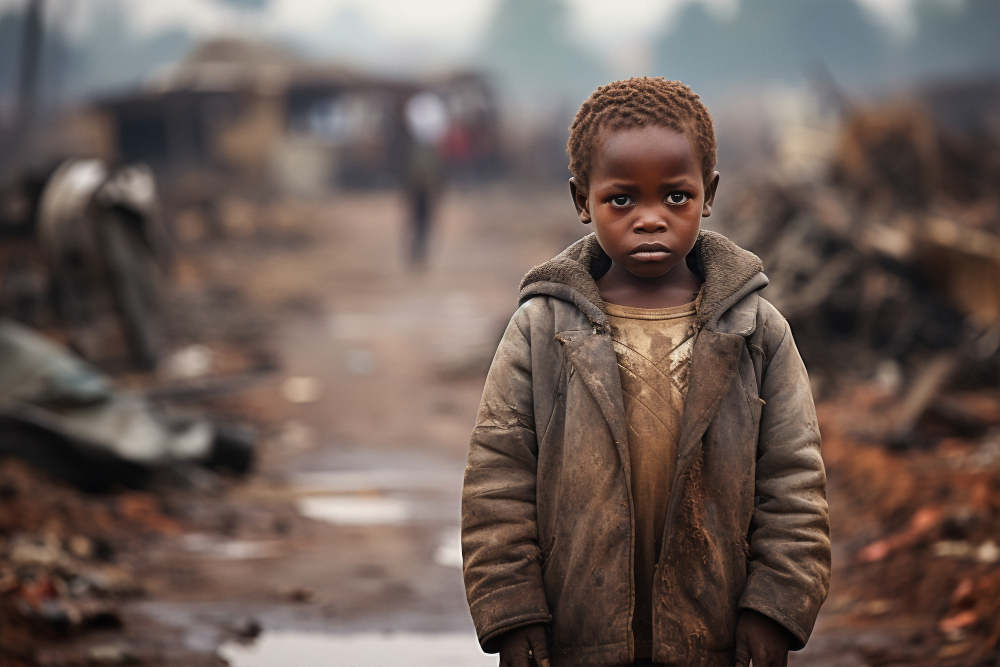
The Perfect Storm: A Child’s Crisis in Mozambique
In March 2024, Cyclone Idai swept through Mozambique’s northern Cabo Delgado province, destroying health facilities and displacing 250,000 people within weeks. However, the humanitarian crisis had already been unfolding for years. Since 2017, an armed insurgency has displaced more than 730,000 people—nearly half of them children. When natural disasters collide with armed conflict, the consequences for vulnerable populations multiply dramatically.
Meanwhile, more than 90,000 Mozambican refugees have sought shelter in South Africa’s eastern provinces. Many of these children arrive suffering from untreated malaria, severe malnutrition, and trauma-related illnesses. Their arrival exposes significant gaps in South African health systems that are not fully prepared to manage complex health needs rooted in conflict and climate-driven displacement.
For this reason, the crisis demands urgent attention from health policymakers, clinicians, and public health professionals across the region.
The Compound Crisis: Understanding the Triple Threat
Climate Disasters Amplify Existing Vulnerabilities
Cyclones Idai (2019), Kenneth (2019), and Eloise (2021) severely damaged Cabo Delgado’s fragile health infrastructure. Floodwaters destroyed sanitation and water systems, creating ideal conditions for cholera outbreaks. As a result, waterborne disease cases surged by 340% in affected districts following each cyclone event, according to the World Health Organization.
Health facilities now operate under extraordinary pressure. In Palma district, for example, only two functional health centres serve approximately 85,000 people, although population numbers fluctuate because of ongoing displacement. Furthermore, cyclones frequently render these facilities non-operational for months, disrupting essential services such as routine immunization and antenatal care.
The available data reveals deeply concerning trends. Childhood vaccination coverage in Cabo Delgado declined from 68% in 2015 to just 41% in 2023. Consequently, the risk of measles resurgence has increased substantially. Between 2022 and 2024, suspected measles cases in northern Mozambique rose by 156%, while mortality rates reached 8.2% in displaced populations—nearly three times higher than typical levels.
Conflict Creates Systemic Health Collapse
Armed insurgent groups operating in Mozambique have also deliberately targeted health infrastructure. Health workers face intimidation, recruitment pressure, abduction, and violence. Since 2017, at least 47 health facilities have been destroyed or burned. This loss extends far beyond buildings; it erodes institutional knowledge, trained personnel, and long-standing community trust.
Displacement further fragments families and disrupts continuity of care. Internally displaced persons living in temporary camps often lack medical records, vaccination histories, or identification documents. Moreover, many children born in displacement camps have no birth certificates, creating future barriers to healthcare access across borders.
Supply chains for essential medicines have also been severely disrupted. Artemisinin-based malaria treatments, oral rehydration salts, and other critical medications reach only 23% of remote health posts. Consequently, untreated malaria kills children under five at rates exceeding 12 per 1,000 in affected regions—compared to 4.8 per 1,000 nationally.
Displacement Compounds Medical and Psychosocial Trauma
When families flee violence, multiple health crises emerge simultaneously. In displacement camps, child malnutrition rates average 28.4% for Global Acute Malnutrition—nearly seven times the emergency threshold. Additionally, stunting affects 51% of children under five in Palma district, reflecting long-term nutritional deprivation.
The mental health consequences are equally severe. A 2023 assessment by Médecins Sans Frontières found that 73% of displaced children displayed symptoms consistent with post-traumatic stress disorder (PTSD). At the same time, sexual violence against girls in camps adds further medical and psychosocial complications. Unfortunately, reported cases represent only a fraction of the true scale because stigma and fear discourage disclosure.
Refugee demographics also intensify these challenges. Approximately 58% of Mozambican refugees in South Africa are children under 18. Many arrive without guardians, without documentation, and highly vulnerable to exploitation.
How South African Health Systems Are Responding (And Where They Fall Short)
Existing Policy Framework and Gaps
South Africa’s 2020 Health Sector HIV/AIDS Response Strategy nominally addresses migrant health. Nevertheless, the policy focuses primarily on HIV and tuberculosis while overlooking broader health needs among refugee populations, particularly children.
Meanwhile, the National Health Insurance Bill—still under implementation—creates uncertainty regarding access to healthcare for non-citizens. Current guidance suggests refugees qualify for emergency services, yet preventative care remains inconsistent. Preventative services are critical for maintaining long-term health equity.
As a result, significant gaps remain. Provincial guidance for identifying childhood malnutrition among refugee populations does not yet exist. Similarly, no standardized protocols guide trauma-informed care for conflict-affected children. Furthermore, formal liaison systems connecting border health services with refugee reception sites remain largely absent.
In Limpopo and Mpumalanga provinces, where most Mozambican refugees settle, primary health centers report that between 34% and 41% of refugee consultations involve patients without identification documents. Staff members often lack training to address the complex health needs associated with displacement. In addition, many facilities struggle to support patients with serious psychosocial trauma.
Evidence from South Africa’s Major Cities and Border Regions
Musina (Limpopo Province):
Facilities near the border process between 120 and 150 refugee consultations every week. Because staff shortages limit consultation time, detailed medical histories are rarely obtained. Vaccination records are usually unavailable. Consequently, a 2023 audit revealed that 78% of children entering South Africa had no documented immunization status.
Giyani (Limpopo):
An informal settlement housing roughly 8,000 Mozambican refugees operates with extremely limited health infrastructure. Community health workers provide basic triage; however, most lack formal pediatric training. Malaria prevalence among children under five has reached 34%, the highest rate in the province.
Nelspruit (Mpumalanga):
This border town hosts approximately 12,000 registered Mozambican refugees. District hospitals therefore serve both citizens and displaced populations. Recently, psychiatric units have reported rising numbers of children presenting with anxiety, depression, and trauma symptoms. Unfortunately, the district currently has only one child psychiatrist.
Johannesburg and Pretoria:
Urban centres collectively host more than 23,000 registered Mozambican refugees, with estimates exceeding 40,000 when undocumented populations are included. Inner-city clinics report high rates of untreated malaria, dengue fever, and respiratory infections among refugee children. In many cases, tuberculosis co-infection combined with malnutrition complicates treatment further.
Real Stories: Three Cases That Illustrate the Crisis
Case 1: Amara, Age 7
Amara fled Palma district with her mother in June 2023 after her father disappeared. They walked for eight days through forest terrain, traveling mostly at night. During this journey, Amara developed severe diarrhea but received no treatment.
By the time they reached a transit camp in Tanzania, she had developed severe acute malnutrition. Six months later, her mother paid smugglers to reach South Africa. When they arrived in Musina without documentation, health services were initially delayed.
Eventually, Amara was diagnosed with:
-
Severe acute malnutrition
-
Untreated malaria
-
Respiratory infection
-
Hepatomegaly linked to malaria complications
-
Trauma-related behavioral withdrawal
Following six weeks of nutritional therapy and medical treatment, her condition improved. Nevertheless, delayed access to care nearly proved fatal.
Policy lesson: Removing documentation barriers for emergency medical assessments could prevent similar delays.
Case 2: Tiago, Age 14 (Pseudonym)
Tiago witnessed the execution of his uncle during an insurgent attack in 2022. After briefly joining a local militia for protection, he fled to an internally displaced persons camp.
Months later, he crossed into South Africa through informal routes and eventually reached Giyani. At a local clinic, he complained of insomnia and nightmares. Initially, the symptoms were dismissed as typical adolescent anxiety.
However, a later NGO assessment identified full PTSD symptoms including flashbacks, hypervigilance, emotional numbness, and severe guilt.
Policy lesson: Systematic trauma screening must become part of refugee health protocols.
Case 3: Lindiwe’s Clinic Response
Lindiwe manages a primary health center near the Mozambique border. Her facility serves approximately 18,000 residents as well as an estimated 8,000 undocumented refugees.
During 2024, she identified a malaria outbreak among refugee children. Further investigation revealed that most children had never undergone nutritional assessment and lacked vaccination documentation.
Lindiwe introduced a local rapid screening protocol for refugee children. Within eight months, malaria cases dropped by 67%.
The lesson: Local leadership can produce significant improvements even without national policy reform.
Conclusion: The Window for Action Is Now
Cyclones, conflict, and displacement will continue shaping health crises across Southern Africa. Climate change is intensifying storm events, while the insurgency in northern Mozambique shows little sign of ending. Consequently, population displacement will remain a defining regional challenge.
South Africa’s constitution recognizes health as a fundamental human right. However, that commitment risks becoming symbolic if refugee children continue suffering from preventable diseases at national borders.
Fortunately, solutions already exist. Community health worker programs, trauma-informed care models, and school-based health screening initiatives have demonstrated measurable success.
Therefore, the challenge is no longer identifying interventions. Instead, the critical question is whether policymakers will mobilize the political will and resources required to implement them before the next crisis arrives.
The next cyclone season will begin soon. The time for preparation is now.
Recent Posts:
- Can SADC Protect Climate-Displaced Children? A Critical Look at Regional Frameworks
- Madagascar’s Hunger Crisis: Why Climate-Driven Famine is Pushing Children Across SADC Borders
- SADC’s Climate Orphans: What Happens to Children When Parents Migrate Due to Environmental Disasters?
- Lesotho’s Disappearing Snow, Disappearing Children: Climate Migration from the Mountain Kingdom
- When the Limpopo Dries Up: Child Migrants Crossing Southern Africa’s Climate-Changed Borders