
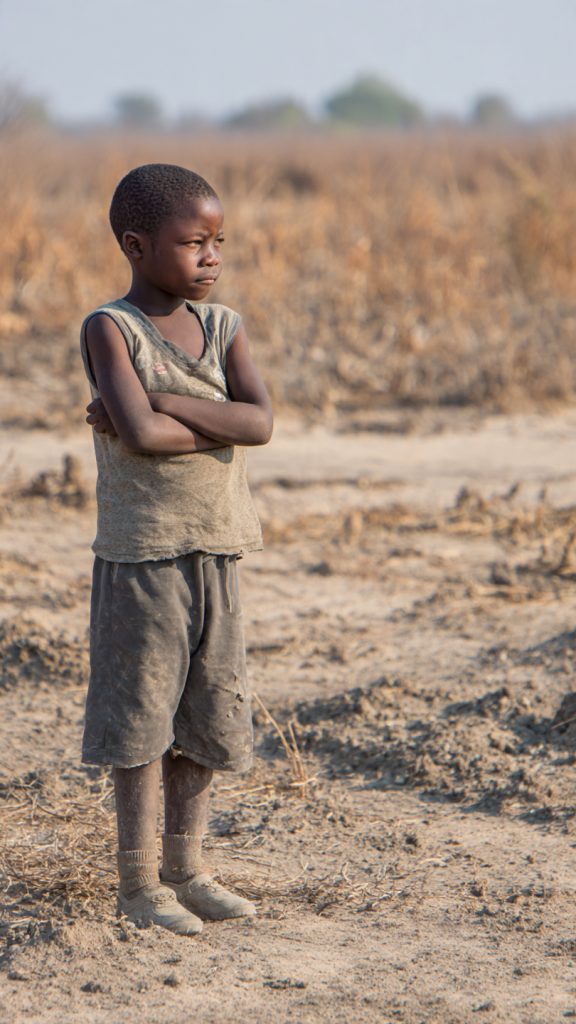
A Growing Crisis in Southern Africa
In early 2024, severe flooding in southern Malawi forced thousands of families to abandon their homes. Among them was a 12-year-old boy who crossed into Mozambique with relatives after rising water destroyed his village. He carried no identification documents and had never visited a clinic outside his home district. Weeks later, he developed a persistent fever. Local health workers struggled to verify his vaccination history or medical records.
Stories like this appear more frequently across Southern Africa. Climate shocks now drive migration patterns throughout the region. Droughts destroy crops, cyclones damage infrastructure, and floods displace entire communities. As a result, many families move internally or cross borders in search of safety.
According to the International Organization for Migration, climate-related disasters displaced millions of people in sub-Saharan Africa between 2020 and 2024. Children represent a significant share of those affected. In Southern Africa, extreme weather events such as Cyclone Idai and Cyclone Freddy continue to reshape migration patterns.
However, regional protection systems remain weak. The Southern African Development Community promotes cooperation on migration governance, yet its policy frameworks rarely address climate displacement directly. Meanwhile, the Kampala Convention, adopted by the African Union, provides a strong legal foundation for protecting displaced populations. Despite this progress, implementation across Southern Africa remains uneven.
Consequently, many climate-displaced children fall through policy gaps. Health systems struggle to respond effectively. Policymakers face increasing pressure to strengthen regional protection frameworks.
Climate Change, Mobility, and Child Vulnerability
Climate Displacement Is Increasing
Climate shocks continue to drive migration throughout Southern Africa. Floods destroy infrastructure, droughts undermine rural livelihoods, and cyclones devastate coastal communities. As a result, families increasingly move across borders in search of security.
The Internal Displacement Monitoring Centre recorded more than 3.4 million disaster-related displacements across Africa in 2023. Southern Africa contributed a significant portion of these movements. Recurrent floods in Malawi and Mozambique, for example, repeatedly forced families to relocate.
Children face particularly severe consequences. Many travel with relatives after disasters separate families. Others remain behind while parents migrate to cities for employment. In both situations, children experience disruptions that affect health, education, and social protection.
Several risks emerge from these migration patterns. First, vaccination schedules often become interrupted during displacement. Second, children frequently encounter food insecurity and malnutrition. Moreover, overcrowded settlements increase exposure to infectious diseases such as tuberculosis and diarrheal illness. Finally, children without documentation struggle to access healthcare services in many host communities.
These overlapping vulnerabilities highlight the urgent need for stronger regional protection systems.
Regional Governance: What SADC Frameworks Promise
Migration Policy Coordination
The Southern African Development Community developed the Regional Migration Policy Framework to guide cooperation among member states. The framework encourages governments to harmonize migration policies and protect vulnerable populations.
However, several limitations reduce its effectiveness.
First, the framework focuses primarily on labour migration rather than forced displacement. Second, it lacks binding enforcement mechanisms. Third, the document does not explicitly address climate-related mobility.
Consequently, governments interpret migration protections differently. Some states provide humanitarian assistance during disasters. Others impose strict border controls that restrict mobility.
Disaster Management Policies
SADC also introduced the Regional Climate Change Strategy and Action Plan for 2020–2030. This strategy recognizes the growing threat of climate-related migration. Nevertheless, its primary focus remains disaster preparedness and environmental adaptation.
Child protection receives limited attention within the strategy. Furthermore, the policy does not establish legal safeguards for displaced children who cross international borders.
Because of these gaps, climate-displaced children frequently fall between disaster response systems and migration governance frameworks.
The Kampala Convention: Strong Legal Foundation, Weak Implementation
The Kampala Convention represents Africa’s most comprehensive treaty on internal displacement. The African Union adopted the convention in 2009 to strengthen protection for displaced populations.
Importantly, the treaty recognizes climate and environmental factors as drivers of displacement. It also requires governments to protect vulnerable groups, including children.
Despite these commitments, implementation across Southern Africa remains inconsistent.
Several countries ratified the convention but have not incorporated its provisions into domestic law. In other cases, governments lack operational frameworks that guide disaster-related displacement responses. Consequently, policy commitments rarely translate into practical protection systems.
Evidence From South African Cities
Urban centres in South Africa increasingly receive climate-displaced migrants.
Johannesburg: Health Access Barriers
In Johannesburg, many migrant families settle in informal settlements such as Alexandra and Diepsloot. Clinics often encounter children who lack vaccination cards or identification documents.
Healthcare providers report several operational challenges. Staff members frequently struggle to verify eligibility for non-citizen patients. In addition, language barriers complicate consultations. As a result, clinicians sometimes delay treatment while administrators clarify documentation requirements.
Although the National Health Act allows emergency care for all individuals, local implementation varies significantly.
Durban: Climate Migration and Informal Settlements
In Durban, climate migrants frequently arrive after floods or droughts in neighbouring countries such as Zimbabwe and Mozambique. Many families settle in densely populated informal settlements near industrial zones.
Public health researchers have linked these conditions to increased transmission of tuberculosis and diarrheal disease. Children face the greatest risks because sanitation infrastructure remains limited.
Cape Town: Documentation Challenges
In Cape Town, NGOs report persistent barriers to healthcare and education for undocumented migrant children. National education policy permits school enrolment regardless of documentation status. Nevertheless, administrative procedures still create obstacles for many families.
Consequently, displaced children often experience interrupted schooling and delayed healthcare access.
Case Examples From the Region
Case Example 1: Flood-Displaced Mozambican Family
Severe flooding in central Mozambique forced one family to relocate to South Africa’s Limpopo province. Their children arrived without vaccination documentation.
Initially, local clinics refused routine services because the parents lacked legal residency permits. Eventually, an NGO intervened and helped the family obtain medical care.
This case demonstrates how documentation barriers can delay essential healthcare.
Case Example 2: Zimbabwean Drought Migration
A teenage girl from southern Zimbabwe relocated to Johannesburg after prolonged drought destroyed her family’s livestock. She moved in with relatives and worked informally to support herself.
Because she lacked legal status, she avoided public clinics despite persistent respiratory symptoms. A community health worker eventually referred her to an NGO-run migrant clinic.
Her experience highlights the intersection of gender, migration status, and health access.
Case Example 3: Cyclone-Affected Children
After Cyclone Freddy devastated parts of Malawi and Mozambique, several children crossed borders with extended family members. Many lacked birth certificates or identity documents.
Child protection agencies struggled to verify guardianship arrangements. Consequently, the situation increased risks of trafficking and family separation.
Perspectives From Key Stakeholders
Migrant Families
Many caregivers remain uncertain about their legal rights in host countries. Fear of deportation often discourages families from seeking healthcare services. As a result, children frequently receive treatment only when illnesses become severe.
Healthcare Providers
Frontline clinicians often express frustration with inconsistent policy guidance. Although many healthcare workers want to assist migrant children, administrative rules sometimes limit their ability to provide services.
Language differences and cultural barriers further complicate communication.
Civil Society Organizations
Humanitarian organizations such as Doctors Without Borders and Save the Children operate migrant-focused health programs throughout the region. These initiatives provide mobile clinics, legal assistance, and vaccination campaigns.
However, NGO resources remain limited compared with the scale of displacement.
Policy Gaps in Regional Protection
Several structural weaknesses continue to undermine protection for climate-displaced children.
First, migration laws rarely recognize climate displacement as a legal category. Most frameworks focus on refugees fleeing persecution. Consequently, families displaced by environmental disasters often fall outside formal protection systems.
Second, cross-border coordination remains weak. Countries across Southern Africa face similar climate threats. However, governments rarely share health records or child protection data across borders. As a result, vaccination histories and guardianship documentation often disappear during migration.
Third, implementation of regional agreements remains inconsistent. Many states ratified the Kampala Convention. Nevertheless, governments have not fully translated treaty commitments into operational policies.
Innovative Regional and Community Solutions
Despite these challenges, several initiatives offer promising models.
Mobile Health Clinics
In Johannesburg, NGOs operate mobile clinics that serve migrant communities in informal settlements. These clinics provide vaccinations, tuberculosis screening, and maternal healthcare.
Mobile services reduce barriers created by documentation requirements.
Digital Health Records
Some pilot programs test portable digital health records that migrants can carry across borders. These systems allow clinicians to access vaccination histories and treatment information.
If scaled regionally, digital records could significantly improve continuity of care.
Community Health Worker Networks
Community health workers also play a vital role in migrant communities. They provide translation services, health education, and referrals to local clinics. Evidence shows that these programs increase healthcare utilization among undocumented migrants.
Policy Recommendations
Protecting climate-displaced children requires coordinated regional action.
Short-Term Actions (1–2 Years)
Governments should develop SADC guidelines on climate-related displacement. These guidelines must clarify rights to healthcare, education, and social protection.
Health systems should also expand migrant-friendly services in major cities. Partnerships with NGOs can strengthen mobile clinics and translation services.
Finally, policymakers should implement training programs for healthcare providers on migrant health rights.
Medium-Term Actions (3–5 Years)
Countries should integrate climate displacement into migration legislation. Legal recognition would extend protection to families displaced by environmental disasters.
Governments must also strengthen implementation of the Kampala Convention. National legislation should translate treaty obligations into operational frameworks.
In addition, regional child protection referral systems should track displaced children and prevent trafficking.
Long-Term Actions (5–10 Years)
SADC should establish a regional governance mechanism for climate migration. Such a system would coordinate disaster displacement responses across borders.
Governments should also invest in regional digital health record systems to improve continuity of care.
Finally, long-term climate adaptation investments must reduce displacement risks in vulnerable communities.
Research Gaps and Future Directions
Evidence on climate migration and child health in Southern Africa remains limited. Many data systems do not distinguish climate displacement from other migration types.
In addition, undocumented migrants often avoid official registration systems. Consequently, researchers struggle to capture accurate health data.
Future studies should therefore track long-term health outcomes among climate-displaced children across the region.
Conclusion: A Regional Responsibility
Climate change continues to reshape migration patterns across Southern Africa. Increasing numbers of children cross borders after floods, droughts, and storms disrupt their communities.
Regional frameworks already exist. However, fragmented policies and weak implementation reduce their effectiveness.
Stronger cooperation within the Southern African Development Community could transform protection systems. Policymakers must strengthen migration governance, expand health services, and implement regional agreements more effectively.
Without decisive action, climate-displaced children will continue to fall through legal and healthcare gaps.
Call to Action
Policymakers:
Adopt regional guidelines that recognize climate-related displacement and strengthen implementation of the Kampala Convention.
Health systems:
Expand migrant-friendly services and improve cross-border health data systems.
NGOs and researchers:
Document health outcomes among climate-displaced children and scale community-based interventions.
Regional institutions:
Develop coordinated disaster migration policies across Southern Africa.
Climate change already affects millions of African children. Effective regional cooperation can determine whether these children face vulnerability—or protection—in the decades ahead.
Recent Posts:
- Madagascar’s Hunger Crisis: Why Climate-Driven Famine is Pushing Children Across SADC Borders
- SADC’s Climate Orphans: What Happens to Children When Parents Migrate Due to Environmental Disasters?
- Lesotho’s Disappearing Snow, Disappearing Children: Climate Migration from the Mountain Kingdom
- When the Limpopo Dries Up: Child Migrants Crossing Southern Africa’s Climate-Changed Borders
- Cyclone Freddy’s Legacy: How Climate-Induced Displacement is Creating a Generation of Stateless Children in Malawi and Mozambique