African Migrants

South Africa-Mozambique migration, cross-border migration, real-time migration tracking, migration data sources, alternative migration data, IOM flow monitoring, DTM, mobile phone data migration, call-detail records, CDR migration, mixed migration survey, 4Mi survey, migrant health, cross-border health, TB screening migrants, HIV care continuity, occupational health screening, Mozambican miners, migrant vulnerabilities, undocumented migrants, irregular migration, migration health policy, Maputo Corridor, trade logistics migration, cargo volume migration, migrant protection, migration surveillance, health system planning migrants, cross-border referral systems, mobile health clinics, ethical migration data, migration data privacy, migrant demographics, gender and age migration, migrant children, migrant women, migrant pregnancy, migration flow monitoring, early-warning migration, migrant service delivery, public health response migrants, migration research gaps, SA-Mozambique corridor, health sector migration planning, migration policy recommendations, cross-border health collaboration, IOM TEBA program, migrant screening programs, migration health interventions, migration flow analytics, migration data dashboards, health NGO migration programs.

What Alternative Data Sources Can Track Real-Time Migration Movements Across the South Africa-Mozambique Corridor?

Tracking Real-Time Migration on the South Africa–Mozambique Corridor: Alternative Data Sources for Health and Policy Response Introduction: Understanding the Corridor Between November and December 2024, the International Organization for Migration (IOM) tracked over 2,100 movements at Ressano Garcia (Mozambique) toward South Africa. This figure likely underestimates actual flows, as many migrants use informal routes. Official […]

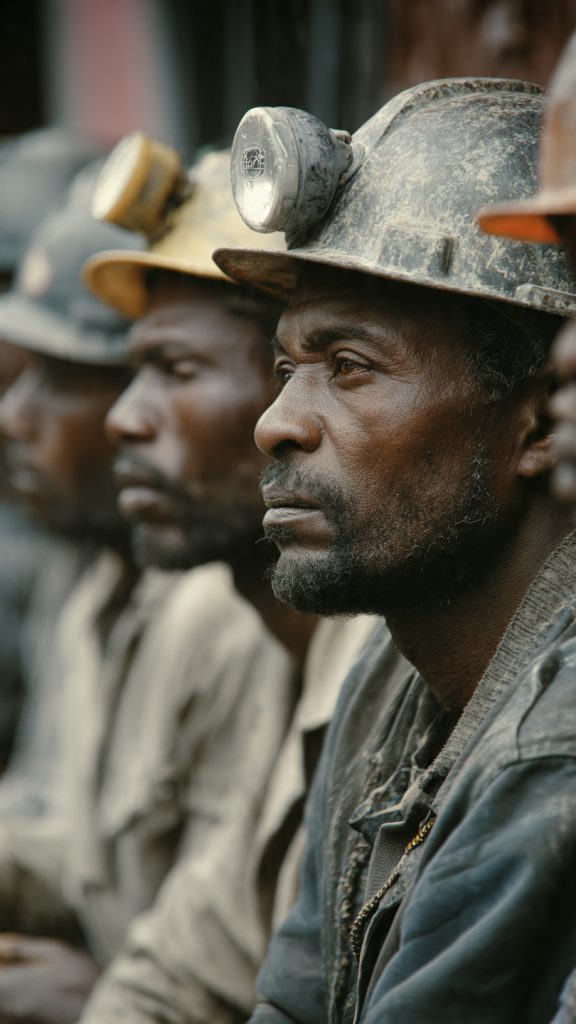
What Alternative Data Sources Can Track Real-Time Migration Movements Across the South Africa-Mozambique Corridor? Read More »

mobile money, migration flows, Johannesburg, Harare, cross-border remittances, Zimbabwean migrants, South Africa, migration health, digital remittances, mobile wallets, Mukuru, MamaMoney, HelloPaisa, undocumented migrants, circular migration, migration statistics, remittance data, migration patterns, public health planning, SADC migration, migration research, migrant livelihoods, health policy, data-driven migration, migration monitoring, migration policy, FinTech, remittance behavior, gender and migration, age and migration, digital finance, migration corridors, migration trends, real-time migration data, ethical data use, migration health interventions, social protection, migration services, mobile money analytics

Can Mobile Money Transfer Data Predict Migration Flows Between Johannesburg and Harare More Accurately Than Official Statistics?

Mobile Money as a Migration Indicator: Johannesburg–Harare Opening: A Window into Invisible MobilityEvery month, hundreds of millions of rands cross borders—not through buses or airplanes —but via mobile wallets and FinTech platforms. For example, according to FinMark, Zimbabweans in Johannesburg are estimated to remit between R57 million and R63 million monthly back to Harare. FinMark Trust Yet in

Can Mobile Money Transfer Data Predict Migration Flows Between Johannesburg and Harare More Accurately Than Official Statistics? Read More »

South African mines, Mozambique, migrant workers, remittance flows, economic recession, mining sector downturn, cross-border migration, SADC migration, household income, financial inclusion, informal remittance channels, formal remittance channels, gender vulnerability, age factors, documentation status, migrant health, occupational health, COVID-19 impact, return migration, wage reduction, economic shocks, social protection, livelihood security, migration policy, bilateral agreements, cross-border remittances, currency exchange risk, mining employment, Mozambican households, regional development, remittance decline, health outcomes, migration corridors, financial remittances, digital remittance solutions, remittance costs, economic vulnerability, vulnerable populations, intersectional analysis, mining job loss, policy recommendations, migration health research, South Africa-Mozambique corridor, SADC remittance trends, household resilience, nutrition and health, transnational livelihoods.

How Do Remittance Flows from South African Mines to Mozambique Change During Economic Recessions?

Remittance Flows from South African Mines to Mozambique during Economic Downturns Migrant labour from Mozambique to South African mines has a long history. Mozambique remains among the top suppliers of migrant labour to South Africa . Many migrant miners send remittances back home, supporting households, livelihoods, and health expenditures. When South Africa’s mining sector faces

How Do Remittance Flows from South African Mines to Mozambique Change During Economic Recessions? Read More »

return migration, South Africa, Lesotho, Eswatini, labour shortages, migrant workers, SADC migration, cross-border labour, low-skilled labour, domestic work, agriculture sector, mining sector, construction sector, health workforce, public services, seasonal labour, informal work, migration policy, labour migration policy, occupational health, migrant reintegration, gender and labour, youth employment, skills mismatch, workforce planning, migration health, migrant vulnerabilities, undocumented workers, SADC labour market, returnee employment, sectoral labour gaps, labour supply, policy recommendations, employment trends, COVID-19 impact on migration, regional migration, labour market intelligence

What Sectors Are Experiencing Labor Shortages Due to Return Migration from South Africa to Lesotho and Eswatini?

When Our Neighbours Stop Coming: Return Migration and Sectoral Labour Gaps in South Africa Opening: A Startling Case and the Context In early 2021, during South Africa’s Covid‑19 lockdown, around 100,000 labour migrants returned from South Africa to Lesotho. Many had worked in low‑skilled sectors such as domestic work, construction, mining, and agriculture (lesotho.un.org). Of

What Sectors Are Experiencing Labor Shortages Due to Return Migration from South Africa to Lesotho and Eswatini? Read More »

Zimbabwean migrants, South Africa, post-pandemic employment, job-seeking strategies, economic insecurity, informal work, casual labour, self-employment, migrant livelihoods, labour market, unemployment, documentation status, gender disparities, age factors, urban migration, Johannesburg, Cape Town, Gauteng, Western Cape, migrant entrepreneurship, micro-enterprises, informal economy, social protection, labour rights, migrant vulnerability, skill recognition, migrant support programs, peer mentorship, migration health, public health, policy gaps, intersectionality, economic adaptation, survival strategies, gig economy, day-labour, cross-border trade, labour market integration, pandemic impact, remittances, migrant resilience.

How Has Economic Insecurity in South Africa Changed Zimbabwean Migrants’ Job-Seeking Strategies Post-Pandemic?

Economic Insecurity and Migrant Job-Seeking in South Africa Opening: Stories and Statistics That Set the Scene In the early morning light of a township in Johannesburg, 29‑year‑old “Grace” (name changed) checks her cell phone yet again. She left Harare in 2019, hopeful of earning enough in South Africa to send money home. She initially found

How Has Economic Insecurity in South Africa Changed Zimbabwean Migrants’ Job-Seeking Strategies Post-Pandemic? Read More »

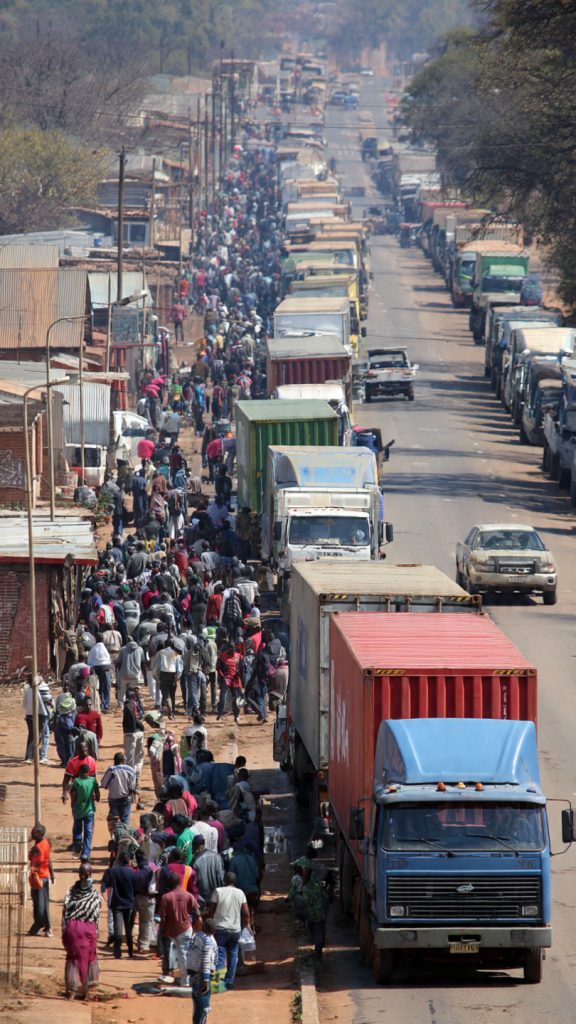
Beitbridge border restrictions, SADC migration, North-South Corridor, regional migration patterns, cross-border trade, informal trade, migrant labour, Zimbabwe-South Africa border, border delays, economic impacts, remittances, labour shortages, migrant health, HIV care, TB treatment, mobile health outreach, micro-traders, seasonal labour migration, border management, migration policy, public health, informal economy, migrant vulnerabilities, gender-sensitive migration, labour mobility, regional integration, border control, undocumented migrants, health systems, cross-border corridors, SADC regional economy, trade facilitation, e-permits, migrant worker rights, migration data, health-migration integration, economic inclusion, corridor efficiency.

What Are the Long-Term Economic Effects of Beitbridge Border Restrictions on SADC Regional Migration Patterns?

Long-Term Economic Effects of Beitbridge Border Restrictions on SADC Regional Migration Patterns Opening: Beitbridge – A Border Under Strain On 22 December 2021, the Southern African Development Community (SADC) reported that delays at five key border posts along the North-South Corridor—including the Beitbridge Border Post between Zimbabwe and South Africa—cost regional economies roughly R5 billion (US $330 million)

What Are the Long-Term Economic Effects of Beitbridge Border Restrictions on SADC Regional Migration Patterns? Read More »

COVID-19, border closures, South Africa, Zimbabwe, informal cross-border traders, ICBT, migration health, women traders, livelihood impact, economic vulnerability, informal trade, Musina, Beitbridge, gender-based violence, undocumented migrants, public health policy, COVID-19 pandemic, trade disruption, cross-border trade, food security, health risks, transport brokers, informal routes, pandemic response, social protection, policy gaps, digital adaptation, peer support networks, HIV, TB, pandemic preparedness, migration policy, small-trader corridor, health outreach, migrant communities, economic resilience, human rights, informal economy, COVID-19 lockdown, cross-border mobility, livelihood precarity, intersectional vulnerabilities, South African policy, Zimbabwean traders, border management, public health surveillance, economic loss, NGO advocacy, civil society support, pandemic mitigation.

How Did COVID-19 Border Closures Between South Africa and Zimbabwe Impact Informal Cross-Border Traders?

How COVID‑19 Border Closures Affected Zimbabwean Traders Opening: Lives Interrupted On 15 March 2020, Beitbridge Border Post — the key land‐border crossing between South Africa and Zimbabwe — effectively sealed for non‑essential human traffic when 35 of South Africa’s 53 land borders were closed to limit the spread of COVID‑19. ACCORD+2News24+2This seemingly technical public‐health decision rippled into the lives

How Did COVID-19 Border Closures Between South Africa and Zimbabwe Impact Informal Cross-Border Traders? Read More »

South Africa healthcare, TB outbreak, Lesotho migrants, Malawian migrants, migrant health, cross-border health, TB treatment, public health policy, migration and disease, healthcare system capacity, TB surveillance, migrant access to healthcare, health equity, xenophobia in healthcare, informal settlements, migrant workers, TB prevention, HIV co-infection, community health programs, NDoH TB policy, National Strategic Plan TB HIV, cross-border TB care, mobile populations, TB continuity of care, migrant screening, Gauteng TB, KwaZulu-Natal TB, Limpopo TB, SADC migration, healthcare for refugees, migrant-friendly clinics, TB monitoring, TB case management, public health resilience, social determinants of health, migrant inclusion, TB dashboards, treatment adherence programs, peer support migrants, migrant vulnerabilities, healthcare policy gaps, TB epidemiology, migrant health interventions

Can South Africa’s Healthcare System Sustain the Influx of Lesotho and Malawian Migrants During TB Outbreaks?

TB and Migration: Is South Africa’s Health System Ready Opening: Snapshot & Case Study In 2023, South Africa recorded roughly 270,000 new tuberculosis (TB) cases and an estimated 56,000 deaths. (tbac.org.za) Although the country reduced TB incidence by 51% since 2015, the burden remains high. South Africa also hosts a large migrant population. The 2022

Can South Africa’s Healthcare System Sustain the Influx of Lesotho and Malawian Migrants During TB Outbreaks? Read More »

Mozambican migrants, HIV treatment, HIV care, South Africa, migrant health, antiretroviral therapy, ART adherence, cross-border health, migration health policy, undocumented migrants, asylum seekers, xenophobia in healthcare, Gauteng HIV services, Johannesburg migrants, Tshwane health access, migrant women, male mineworkers, occupational health, language barriers, cultural barriers, health system overload, community health workers, mobile clinics, peer navigators, cross-border ART, public health justice, NHI Act, HIV policy gaps, circular migration, HIV knowledge, ART continuity, migrant discrimination, healthcare access barriers, HIV co-morbidities, TB and HIV, Mozambican workforce, health system equity

What Barriers Do Mozambican Migrants Face When Accessing HIV/AIDS Treatment in South African Clinics?

Between Borders and Barriers: What Mozambican Migrants Face in Accessing HIV Treatment in South Africa Opening: When Borders Block Lifesaving Care In a cramped hostel on the edge of Johannesburg, a 34-year-old Mozambican miner — Pedro — skipped his monthly clinic appointment. His employer refused him time off, and his identity document lacked updated work

What Barriers Do Mozambican Migrants Face When Accessing HIV/AIDS Treatment in South African Clinics? Read More »

Zimbabwean healthcare workers, South Africa healthcare system, health workforce migration, cross-border migration, brain drain, medical migration, healthcare worker shortage, public healthcare South Africa, Zimbabwe health crisis, migrant healthcare access, foreign health professionals, HPCSA registration, National Health Insurance South Africa, NHI Act 2024, ethical recruitment, SADC health policy, bilateral health agreements, migrant rights, undocumented migrants, healthcare policy South Africa, healthcare labour mobility, African health systems, nurse migration, doctor migration, Gauteng health facilities, Limpopo cross-border healthcare, Mpilo Hospital Zimbabwe, UK health worker visas, regional health workforce, migrant health policy, South African Department of Health, migration and development, migrant integration, healthcare workforce planning, xenophobia in healthcare, medical workforce retention, professional registration barriers, foreign qualification recognition, migration governance, health equity, access to healthcare, migration ethics, public health policy Africa, cross-border health collaboration, Zimbabwe–South Africa relations, Southern Africa health workforce.

How Does Cross-Border Migration of Nurses and Doctors from Zimbabwe Affect South Africa’s Public Healthcare Capacity?

The Double-Edged Sword: How Cross-Border Migration of Zimbabwean Healthcare Workers Affects South Africa’s Public Healthcare System Opening: A Crisis at the Crossroads When Documentation Denies Life-Saving Care In December 2023, a gunshot shattered Zweli’s leg. The pseudonymous Zimbabwean national had just finished his part-time job in Pretoria’s Nellmapius suburb. When the ambulance arrived, he faced

How Does Cross-Border Migration of Nurses and Doctors from Zimbabwe Affect South Africa’s Public Healthcare Capacity? Read More »