African Migrants

migrant domestic workers South Africa, domestic worker rights, labour rights South Africa, migrant workers’ rights, domestic work laws South Africa, Basic Conditions of Employment Act, Sectoral Determination 7, Labour Relations Act, Unemployment Insurance Fund South Africa, COIDA domestic workers, migrant women workers, undocumented workers South Africa, Department of Employment and Labour, South African Human Rights Commission, SweepSouth report 2025, domestic work exploitation, migrant labour enforcement, social protection for migrants, healthcare access for migrants, domestic worker minimum wage South Africa, gender and migration, migrant health rights, Johannesburg domestic workers, Cape Town domestic workers, Durban domestic workers, Zimbabwean domestic workers, Malawian domestic workers, Mozambican domestic workers, human rights South Africa, migration policy South Africa, informal employment South Africa, migrant labour policy enforcement, migrant worker legal aid, South African labour inspection, migrant domestic worker case studies, health and migration South Africa, worker protection NGOs, inequality in domestic work, policy reform South Africa 2025, migrant inclusion South Africa

What Rights Do Migrant Domestic Workers Have in South Africa — and How Are They Enforced?

 Migrant Domestic Workers Introduction: Invisible Backbone, Unequal Protections Migrant domestic workers are the quiet force behind South Africa’s urban households. They clean, cook, and care for children and the elderly. Yet their work often happens in private homes, hidden from public oversight and far from labour enforcement. A 2025 SweepSouth report found that 39% of […]
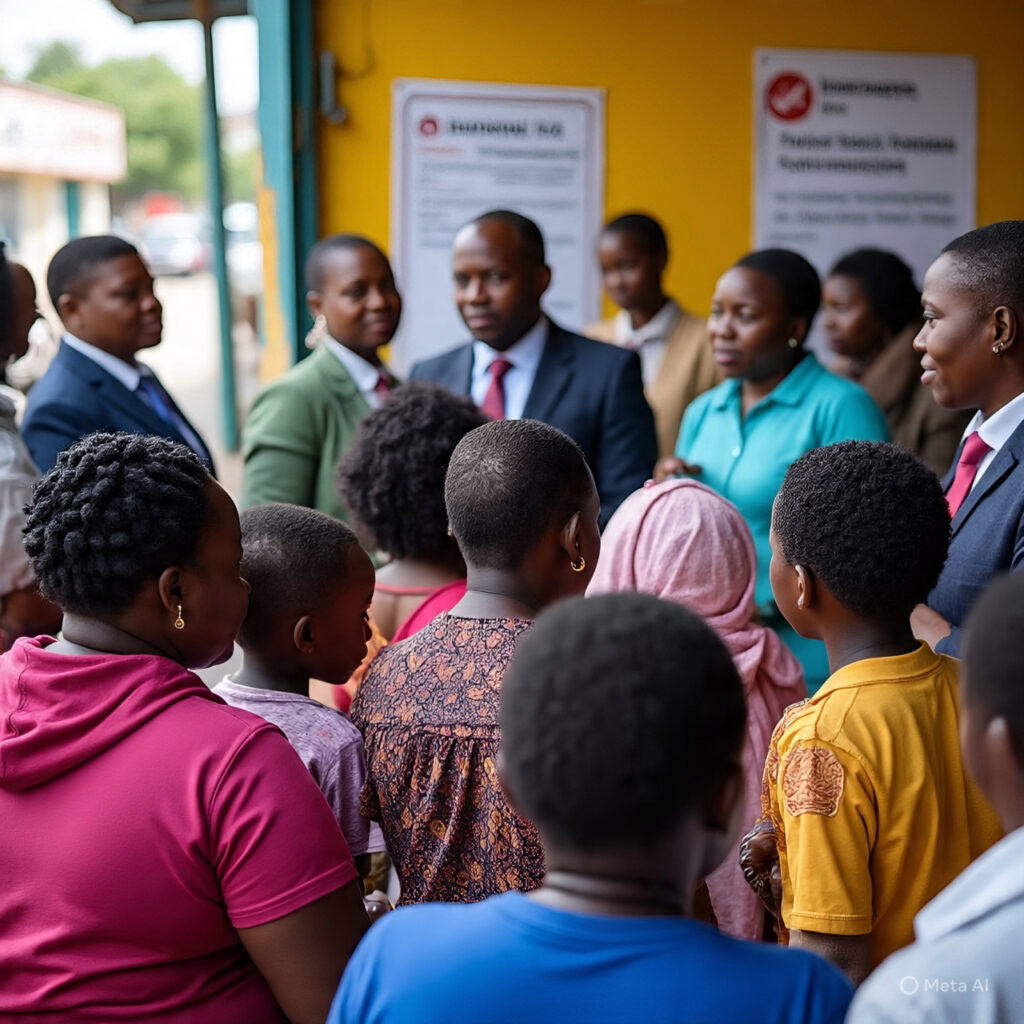

What Rights Do Migrant Domestic Workers Have in South Africa — and How Are They Enforced? Read More »

South Africa, labor migration, migration policy, vulnerable women, children, human trafficking, exploitation, migrant protection, National Labour Migration Policy, NLMP, gender-sensitive migration, child labor, forced labor, migrant rights, undocumented migrants, trafficking prevention, labor abuse, domestic workers, agricultural labor, urban migration, rural migration, Johannesburg, Pretoria, Limpopo, Mpumalanga, migrant health, social services, legal aid, community awareness, NGO programs, victim support, law enforcement training, cross-border trafficking, regional cooperation, data collection, migration research, policy gaps, intersectionality, gender-based violence, child protection, migrant advocacy, human rights, labor inspections, migration governance, trafficking victims, safe migration, ethical migration, South African government, migrant empowerment.

How can labor migration policies in South Africa better protect vulnerable women and children from trafficking and exploitation?

Enhancing Labor Migration Policies in South Africa to Protect Vulnerable Women and Children from Trafficking and Exploitation Introduction: The Urgent Need for Policy Reform South Africa is a significant destination for labor migrants in Africa, attracting thousands annually from neighboring countries. While migration offers economic opportunities, it also exposes women and children to heightened risks

How can labor migration policies in South Africa better protect vulnerable women and children from trafficking and exploitation? Read More »

SADC migrant workers, South Africa, employer obligations, work permits, work visas, immigration compliance, labour law, occupational health, TB screening, HIV screening, National Health Insurance, labour migration, migrant health, foreign nationals employment, occupational safety, migrant workers rights, labour inspections, visa categories, general work visa, critical skills visa, intra-company transfer visa, benchmarking certificate, cross-border health, regional cooperation, SADC health initiatives, digital compliance tools, telemedicine, mobile health applications, CSR programs, sector-specific challenges, agriculture migrant workers, mining migrant workers, domestic work, construction workers, xenophobia, gender vulnerabilities, age vulnerabilities, undocumented workers, migrant healthcare access, policy gaps, implementation challenges, stakeholder perspectives, case studies, occupational health services, workforce compliance, labour inspectorate, migration-aware health systems, cross-border health continuity, NGO interventions, workplace diversity, migrant worker protection, compliance audits, employer best practices, migrant legal security, health equity, longitudinal health studies, cost-effectiveness, research gaps, ethical considerations, policy recommendations, migration-inclusive policies, migrant integration, public health risks, workforce productivity, employee turnover, corporate social responsibility, human rights, international migration policy.

What are the obligations of South African employers when hiring cross-border migrant workers from SADC countries?

Beyond Borders, Beyond Compliance: Understanding Employer Obligations for SADC Migrant Workers in South Africa Opening: When Policy Meets Reality Thandi*, a 34-year-old mine worker from Mozambique, arrived at a Johannesburg clinic in 2023 with advanced tuberculosis. For 18 months, she had worked without proper occupational health screening or permit verification. Her employer had neglected mandatory

What are the obligations of South African employers when hiring cross-border migrant workers from SADC countries? Read More »

South Africa asylum seeker permit system, asylum seeker employment rights, refugee employment South Africa, Refugees Amendment Act 2017, Refugees Act 130 of 1998, section 22 permit, section 24 permit, asylum seeker work endorsement, Department of Home Affairs South Africa, refugee labour market access, refugee livelihoods South Africa, asylum documentation challenges, migrant employment barriers, Johannesburg asylum seekers, Cape Town refugees, Bellville refugee community, Musina refugee reception office, Refugee Reception Office delays, Home Affairs backlog, South Africa refugee policy, migrant labour rights, formal employment refugees, informal sector refugees, asylum seeker economic inclusion, migrant health and employment, refugee integration South Africa, South African migration policy, Watchenuka case South Africa, UNHCR South Africa, Scalabrini Centre Cape Town, Lawyers for Human Rights South Africa, CORMSA, migrant helpdesk Johannesburg, South African labour law refugees, asylum permit renewal delays, refugee health outcomes, gender and refugee employment, youth asylum seekers, refugee qualification recognition, SAQA credential evaluation, migrant livelihoods programs, refugee access to UIF, asylum policy reform South Africa, refugee human rights South Africa, public health and migration, migration health South Africa, asylum seeker social protection, employment discrimination refugees, DHA refugee regulations 2020, Refugees Amendment Regulations, refugee advocacy South Africa, refugee legal aid South Africa, African migrants South Africa, migration and public health policy, asylum employment restrictions, economic rights refugees, refugee in

How does South Africa’s asylum seeker permit system impact the ability of refugees to access formal employment?

Asylum Permit System Opening Case & Key Statistics In mid-2024, Lawyers for Human Rights (LHR), the Scalabrini Centre, Pax Afrika Network, and others reported that since 2020 they received over 10,000 cases in Johannesburg, Pretoria, Durban, and Musina of asylum seekers and refugees facing documentation challenges. News24 Many of these are unable to finalise their

How does South Africa’s asylum seeker permit system impact the ability of refugees to access formal employment? Read More »

undocumented migrant workers, South Africa, agriculture sector, mining sector, human rights violations, migrant labour, labour exploitation, unsafe working conditions, occupational health, gender-based violence, sexual harassment, migrant health, TB prevalence, silicosis, pesticide exposure, wage theft, child labour, labour inspections, legal protections, Constitutional rights, National Health Act, Basic Conditions of Employment Act, Employment Equity Act, Immigration Act, xenophobia, healthcare access, maternal health, mental health, psychosocial stress, informal mining, artisanal miners, zama-zamas, NGO interventions, MSF migrant clinics, Scalabrini Centre, Legal Resources Centre, worker cooperatives, FairPlay Movement, policy recommendations, labour policy gaps, intersectoral coordination, regional migration, SADC health protocols, migrant women, migrant children, foreign nationals, Mozambican workers, Zimbabwean workers, Lesotho workers, Limpopo, Mpumalanga, North West Province, Gauteng, Western Cape, Stilfontein mine tragedy, South African Human Rights Commission, International Labour Organization, occupational diseases, health outreach programs, migrant advocacy, labour rights enforcement, mobile clinics, rural migrant communities, intersectional vulnerability, social protection, public health risks, ethical sensitivity, evidence-based solutions, research gaps, migration health policy, human dignity, worker safety.

Undocumented Migrants in Agriculture & Mining: Human Rights at Risk in South Africa

 Undocumented Migrant Workers in South Africa Introduction: The Invisible Backbone of South Africa’s Economy South Africa’s agriculture and mining industries rely heavily on migrant labour. Yet, behind this economic contribution lies a hidden crisis. Undocumented migrant workers—primarily from Zimbabwe, Mozambique, Malawi, and Lesotho—face severe human rights violations that threaten their health, safety, and dignity. In

Undocumented Migrants in Agriculture & Mining: Human Rights at Risk in South Africa Read More »

migration amnesty South Africa, migrant regularization, undocumented migrants, migration policy reform, immigration system South Africa, migrant rights, economic inclusion, regional migration, SADC migration policy, home affairs reform, irregular migration, migrant labour, border management, migration governance, South African economy, social cohesion, security benefits of documentation, migrant integration, migration data South Africa, human rights, migration and development, legal status, migrant workers, migration pathways, regularization program, South African migration law, migration policy framework, migration management, migrant contributions, migration reform South Africa

Ubuntu vs Xenophobia: Reframing Migration Discourse from Political Leadership

Ubuntu and Migration Discourse Introduction: When Words Become Weapons In May 2024, a Johannesburg community leader claimed that “illegal foreigners” were draining the healthcare system. Within days, three Zimbabwean migrants avoided seeking care at Chris Hani Baragwanath Hospital. One woman, seven months pregnant, gave birth at home—her baby did not survive. This tragedy underscores a

Ubuntu vs Xenophobia: Reframing Migration Discourse from Political Leadership Read More »

migrant rights training, South Africa healthcare, public health officials, constitutional obligations, health system strengthening, medical xenophobia, refugee healthcare access, asylum seekers health services, documentation barriers, healthcare discrimination, rights-based training, cultural competency training, migration health policy, universal health coverage, healthcare worker education, human rights sensitization, emergency medical care, National Health Act, Section 27 Constitution, Refugees Act implementation, health equity, inclusive healthcare, TB transmission, HIV prevention, public health security, healthcare access barriers, language interpretation services, patient rights education, peer champion model, budget-neutral training, cost-effective interventions, monitoring and accountability, patient feedback mechanisms, Cape Town health programs, Gauteng health facilities, Western Cape Department of Health, eThekwini Municipality, Johannesburg Region F, KwaZulu-Natal healthcare, implementation strategies, policy recommendations, facility management, NGO partnerships, academic institutions, continuing professional development, pre-service education, Health Professions Council, staff capacity building, xenophobia reduction, attitude change interventions, behavioral training, interactive learning methods, case-based learning, role-playing exercises, graduated implementation, sustainable training models, community health workers, migrant patient committees, progressive supervision, disciplinary measures, standard operating procedures, multilingual signage, health systems research, migration dynamics, social determinants of health, vulnerable populations, ethical healthcare provision, Batho Pele principles, primary healthcare access, antenatal care, chronic disease management, infectious disease control, healthcare quality improvement, performance indicators, needs assessment, blended learning, e-learning platforms, mobile applications, digital health solutions, evidence-based interventions, stakeholder engagement, institutional change, health policy analysis, African healthcare systems, Southern Africa migration, cross-border health, refugee health rights, undocumented migrants, documentation status, legal frameworks, international obligations, health workforce development, professional ethics

Training Public Officials on Migrant Rights: A Blueprint for Institutional Change

Training Public Officials on Migrant Rights: A Blueprint for Institutional Change The Crisis at the Counter Fatima arrived at a Johannesburg clinic at 6 AM, seven months pregnant and bleeding. Immediately, the receptionist demanded her passport. Fatima showed her asylum seeker permit. Nevertheless, the receptionist turned her away, claiming “we don’t serve illegals here.” Three

Training Public Officials on Migrant Rights: A Blueprint for Institutional Change Read More »

South Africa migration amnesty, irregular migrants, migration regularization, migrant documentation, economic contributions migrants, labor market South Africa, migrant healthcare access, human rights migrants, public safety migrants, regional migration precedents, Spain migration amnesty, Italy migration regularization, Argentina immigration policy, informal economy migrants, migrant integration, xenophobia South Africa, migrant social protection, undocumented migrants, migration policy South Africa, cross-border trade migrants, migrant legal aid, migrant inclusion, migration monitoring and evaluation, South African Department of Home Affairs, migrant advocacy NGOs, migration public awareness campaigns, migrant employment support, urban migrant settlements, migrant health outcomes, vulnerable migrant populations, intersectional migration policy, migration implementation roadmap

Regularization Pathways: Why South Africa Needs a Comprehensive Migration Amnesty Program

 Migration Amnesty Program Introduction: The Case for a Migration Amnesty South Africa hosts over 2.9 million migrants, many of whom live in precarious conditions due to irregular status. These individuals contribute significantly to the economy, yet remain excluded from essential services, including healthcare. A comprehensive migration amnesty could address these challenges, benefiting both migrants and

Regularization Pathways: Why South Africa Needs a Comprehensive Migration Amnesty Program Read More »

community dialogue programs, refugee integration, Cape Town social cohesion, migrant integration South Africa, xenophobia prevention, faith-based mediation, local economic development, social cohesion policy South Africa, economic integration migrants, NGO mediation South Africa, peacebuilding South Africa, refugee programs Cape Town, inclusive governance, community peacebuilding, migrant inclusion, urban integration South Africa, migration health South Africa, mediation initiatives, community trust building, youth cohesion programs, women's integration programs, interfaith dialogue, policy implementation South Africa, sustainable integration programs, migrant entrepreneurship, conflict resolution South Africa, social inclusion programs, refugee support initiatives, migrant empowerment programs

Community Dialogue Programs That Work: Lessons from Cape Town’s Refugee Integration Model

 Cape Town’s Refugee Integration Model A City of Opportunity and Tension Cape Town, one of South Africa’s most diverse cities, represents both promise and conflict. According to the City of Cape Town’s 2023 Social Cohesion Report, over 250,000 refugees and asylum seekers live in the metro area. Most come from the DRC, Somalia, Ethiopia, and

Community Dialogue Programs That Work: Lessons from Cape Town’s Refugee Integration Model Read More »

spaza shops, street vendors, municipal by-laws, xenophobia, migrant traders, informal trade, economic exclusion, licensing requirements, South Africa, township economies, refugee entrepreneurs, selective enforcement, informal trading policy, community engagement, inclusive policies, digital platforms, A2Pay, South African Informal Traders Alliance, SAITA, food security, public health, economic inclusion, social cohesion, Durban street vendors, Atteridgeville, informal sector regulation, migrant rights, policy reform, small business support, township markets, informal business resilience, NGO support, civil society advocacy, equitable enforcement, municipal regulation, trading permits, economic marginalization, migration health, vulnerable populations, grassroots initiatives, ethical governance, policy gaps, stakeholder collaboration, informal trader empowerment, local government accountability, township entrepreneurship, digital innovation, regulatory barriers, urban informal economy, socio-economic integration, asylum seekers, refugee status, bureaucratic challenges, gender and age factors, nationality discrimination, documentation status, informal business sustainability, case studies South Africa, South African cities, public policy analysis, intersectional factors.

From Spaza Shops to Street Vendors: Municipal By-Law Enforcement as Xenophobic Tool

 Municipal By-Law Enforcement as a Xenophobic Tool Introduction: The Silent Crisis of Informal Traders In South Africa, informal traders—especially migrant-run spaza shops and street vendors—play a crucial role in township economies. These small enterprises provide affordable goods and services to underserved communities. However, municipal by-laws intended to regulate informal trade often become instruments of exclusion,

From Spaza Shops to Street Vendors: Municipal By-Law Enforcement as Xenophobic Tool Read More »