
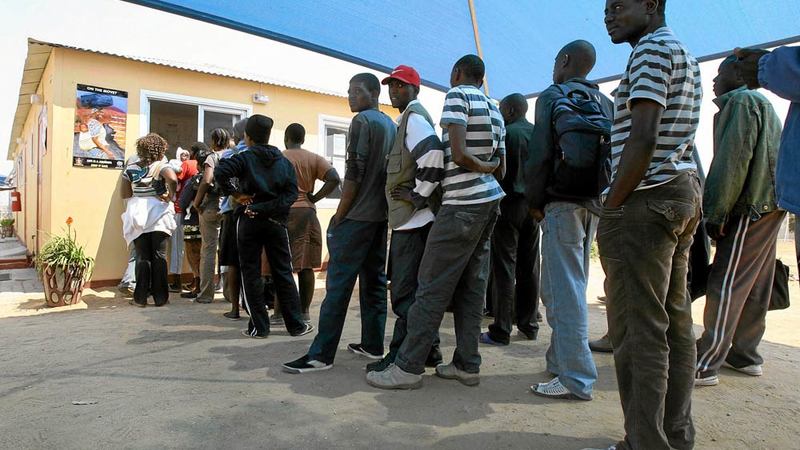
Immigration System
Introduction: Migration as a Catalyst for Economic Development
Migration is a powerful driver of economic growth, innovation, and cultural exchange. In Southern Africa, Botswana and South Africa present contrasting models of immigration governance, each with unique implications for economic development. Understanding these models is crucial for policymakers, public health practitioners, and development experts seeking to harness migration for sustainable growth.
Botswana: A Strategic Approach to Skilled Migration
Botswana has traditionally maintained a pragmatic approach to immigration, emphasizing the attraction of skilled professionals to bolster its economy. The 2011 Immigration Act and subsequent policies have facilitated the entry of foreign professionals, particularly in sectors like healthcare and education, to address domestic skill shortages Migrants & Refugees Section.
A notable example is the recruitment of healthcare workers from neighboring countries to fill gaps in Botswana’s health system. This strategy has been instrumental in maintaining service delivery standards, especially in rural areas where local expertise is limited.
South Africa: Balancing Economic Needs with Social Cohesion
South Africa, as the continent’s most industrialized nation, has long been a magnet for migrants seeking employment opportunities. However, its immigration policies have oscillated between openness and restriction, influenced by economic cycles and social dynamics.
The White Paper on International Migration (2017) aimed to balance the country’s economic needs with social cohesion, emphasizing the importance of skilled migration while addressing concerns about unemployment and resource allocation Government of South Africa.
A case in point is the introduction of a points-based visa system and a remote work visa in 2024, designed to attract skilled labor and stimulate economic growth Reuters.
Comparative Policy Analysis: Botswana vs South Africa
| Aspect | Botswana | South Africa |
|---|---|---|
| Immigration Policy | Open to skilled migration; emphasizes professional expertise | Restrictive policies; recent reforms to attract skilled labor |
| Economic Integration | Focus on integrating migrants into key sectors like healthcare and education | Challenges in integrating migrants into the formal economy |
| Healthcare Access | Universal health coverage for all residents, including migrants | Public healthcare accessible to refugees and asylum seekers; disparities exist |
| Social Cohesion | Generally positive public perception of migrants | Rising xenophobia and social tensions related to migration |
Empirical Evidence from Major Cities
Botswana: Gaborone’s Healthcare Sector
In Gaborone, the capital city, the influx of foreign-trained healthcare professionals has been pivotal in maintaining the quality of medical services. These professionals often fill critical roles in hospitals and clinics, contributing to the overall health outcomes of the population.
South Africa: Johannesburg’s Informal Labor Market
Johannesburg, a major economic hub, hosts a significant number of migrants working in the informal sector. While these workers contribute to the economy, their lack of formal recognition and access to social services poses challenges for both the migrants and the state.
Case Studies
Case Study 1: Botswana’s Healthcare Workforce
An anonymous healthcare worker from Zimbabwe, who migrated to Botswana under the 2011 Immigration Act, shared their experience:
“I was able to practice medicine in Botswana due to the country’s open immigration policies. This not only allowed me to support my family but also contributed to the healthcare system here.”
This individual’s story underscores the positive impact of Botswana’s immigration policies on both migrants and the host country.
Case Study 2: South Africa’s Remote Work Visa
A software developer from India utilized South Africa’s remote work visa to relocate to Cape Town. They noted:
“The visa process was straightforward, and the opportunity to live and work in South Africa has been professionally enriching.”
This case highlights the potential benefits of South Africa’s recent policy reforms in attracting skilled labor.
Innovative Solutions and Successful Programs
Both countries have implemented initiatives to enhance the positive impact of migration on economic development:
-
Botswana: The International Organization for Migration (IOM) has partnered with the government to strengthen migration governance, focusing on data collection and migrant rights protection International Organization for Migration.
-
South Africa: The introduction of a points-based visa system and remote work visa aims to attract skilled professionals and stimulate economic growth Reuters.
Recommendations for Policymakers
For Botswana:
-
Expand Integration Programs: Develop initiatives to facilitate the integration of migrants into local communities, enhancing social cohesion.
-
Monitor Labor Market Impact: Regularly assess the impact of immigration on the domestic labor market to ensure balanced economic development.
For South Africa:
-
Enhance Policy Implementation: Ensure that recent immigration reforms are effectively implemented and accessible to potential migrants.
-
Address Social Tensions: Implement public awareness campaigns to combat xenophobia and promote the benefits of migration.
Conclusion: Leveraging Migration for Economic Growth
Both Botswana and South Africa demonstrate that immigration, when managed effectively, can be a powerful tool for economic development. By adopting inclusive policies that recognize the contributions of migrants, both countries can harness the full potential of migration to drive sustainable growth.
Calls to Action
-
Policymakers: Develop and implement immigration policies that balance economic needs with social cohesion.
-
Public Health Practitioners: Advocate for inclusive healthcare policies that ensure all residents, regardless of migration status, have access to essential services.
-
NGOs and Civil Society: Support initiatives that promote the rights and integration of migrants into host communities.
-
Academic Researchers: Conduct studies that evaluate the impact of immigration policies on economic development and social outcomes.
By working collaboratively, stakeholders can create environments where migration contributes positively to the development of both migrants and host countries.
Recent Posts:
- How Do Ghana’s Right of Abode Laws Differ From South Africa’s Permanent-Residence Requirements?
- South Africa vs Rwanda: Which Country Has More Effective Regional Migration Policies?
- Why Kenya’s Single Entry Visa System Works Better Than South Africa’s Multiple Visa Categories
- How Does South Africa’s Critical Skills Visa Compare to Nigeria’s Talent and Innovation Visa Program?
- Bilateral Migration Agreements: South Africa’s Relationships with Neighboring Countries on Movement and Labor