remittances and food

labor migration, Southern Africa, kapenta, dried fish trade, Lake Kariba, informal food systems, food security, nutrition security, migrant health, public health, urban health, cross-border trade, informal economy, migrant diets, affordable protein, food systems, migration and health, migration policy, health policy, National Health Insurance South Africa, primary health care access, undocumented migrants, healthcare access barriers, xenophobia, gender and migration, women traders, intersectionality, occupational health risks, food safety, environmental health, informal markets, spaza shops, street vendors, Johannesburg inner city, Cape Town townships, eThekwini informal trade, Gqeberha markets, urban poverty, social networks, remittances and food, circular migration, Southern African Development Community (SADC), regional food systems, NGO interventions, community-led health programs, mobile clinics, policy gaps, governance silos, migrant-inclusive policies, nutrition policy, urban food governance, livelihoods, resilience, public health equity

The Kapenta Trail: How Labor Migration Created Southern Africa’s Most Unlikely Food Network

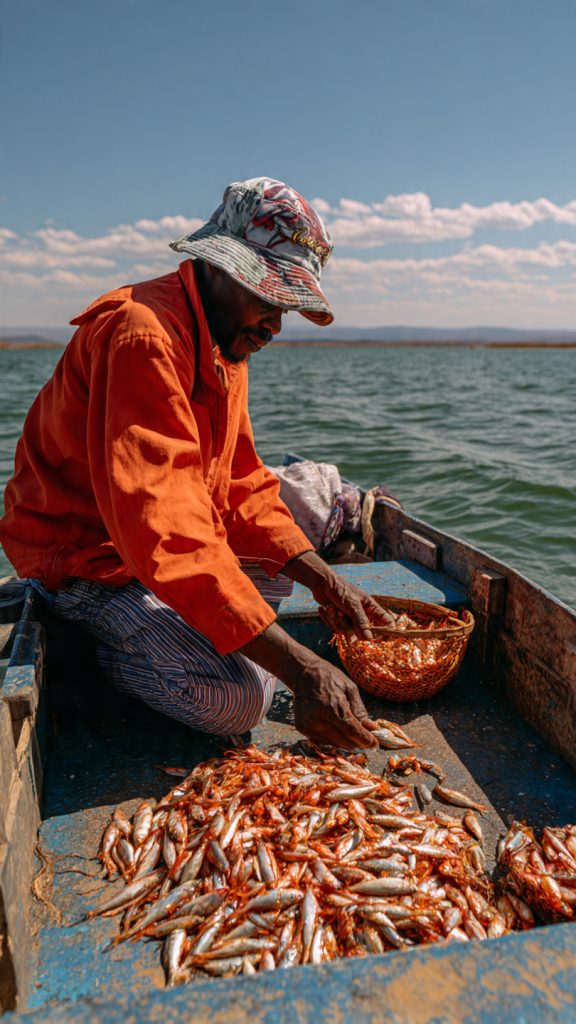
Migration on the Menu: Kapenta, Food, and Health Following fish, families, and farming knowledge from Lake Kariba to the Cape Opening: A Fish That Travels Further Than People In 2023, dried kapenta from Lake Kariba appeared in informal markets across Johannesburg, Cape Town, and Gqeberha. Alongside mielie meal and tomatoes, traders sold it to low-income […]
The Kapenta Trail: How Labor Migration Created Southern Africa’s Most Unlikely Food Network Read More »

African migrants South Africa, transnational food networks, food sovereignty, cultural identity, migrant nutrition, urban food security, Johannesburg migrants, Cape Town migrants, informal food markets, migrant food enterprises, traditional foods, indigenous crops, remittances and food, dietary changes, migrant women food practices, urban foodscapes, cross-border migration, migrant community initiatives, food policy South Africa, culturally appropriate diets, migrant households, migrant food remittances, food access inequities, urban agriculture South Africa, migrant food resilience, migrant social cohesion, migrant-led food programs, intersectional migration health, food security policy, informal food economy, migrant cultural preservation, migrant culinary knowledge, xenophobia and food vendors, migrant community kitchens, nutrition and migration, South African food systems, migrant livelihoods, urban nutrition disparities, migrant youth dietary practices, migration health research, NGO food programs, government food policy, migrant food interventions

How Do Transnational Food Networks Shape Food Sovereignty and Cultural Identity for African Migrant Communities?

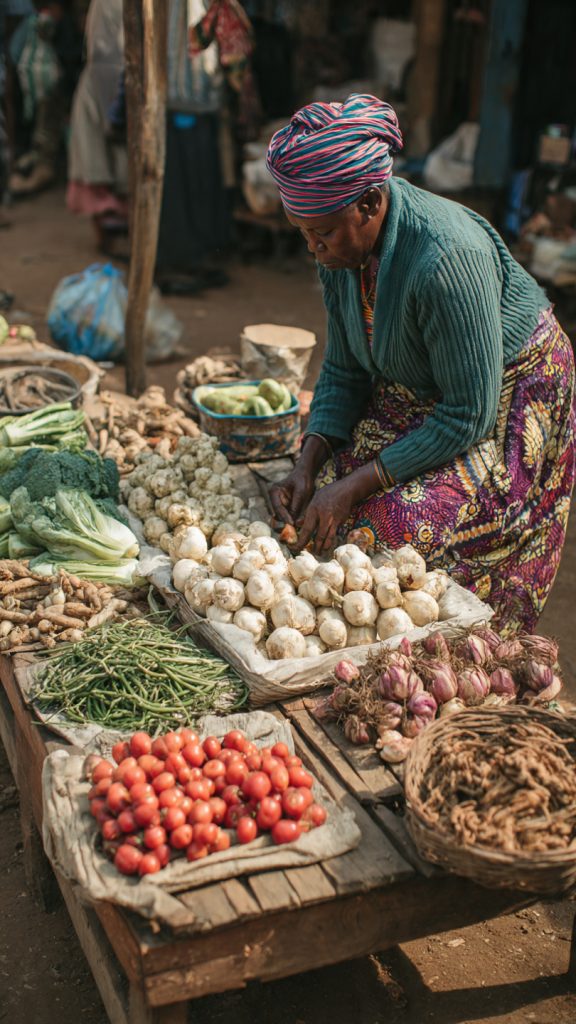
Migrant Food Networks, Cultural Identity, and Food Sovereignty in South Africa Migration is more than moving across borders. It involves carrying homes, memories, and survival strategies. For many African migrants living in South Africa—especially in major urban hubs like Johannesburg, Cape Town, and other cities—food becomes a lifeline. Through transnational food networks, migrants maintain ties

How Do Transnational Food Networks Shape Food Sovereignty and Cultural Identity for African Migrant Communities? Read More »