spaza shops, street vendors, municipal by-laws, xenophobia, migrant traders, informal trade, economic exclusion, licensing requirements, South Africa, township economies, refugee entrepreneurs, selective enforcement, informal trading policy, community engagement, inclusive policies, digital platforms, A2Pay, South African Informal Traders Alliance, SAITA, food security, public health, economic inclusion, social cohesion, Durban street vendors, Atteridgeville, informal sector regulation, migrant rights, policy reform, small business support, township markets, informal business resilience, NGO support, civil society advocacy, equitable enforcement, municipal regulation, trading permits, economic marginalization, migration health, vulnerable populations, grassroots initiatives, ethical governance, policy gaps, stakeholder collaboration, informal trader empowerment, local government accountability, township entrepreneurship, digital innovation, regulatory barriers, urban informal economy, socio-economic integration, asylum seekers, refugee status, bureaucratic challenges, gender and age factors, nationality discrimination, documentation status, informal business sustainability, case studies South Africa, South African cities, public policy analysis, intersectional factors.

From Spaza Shops to Street Vendors: Municipal By-Law Enforcement as Xenophobic Tool

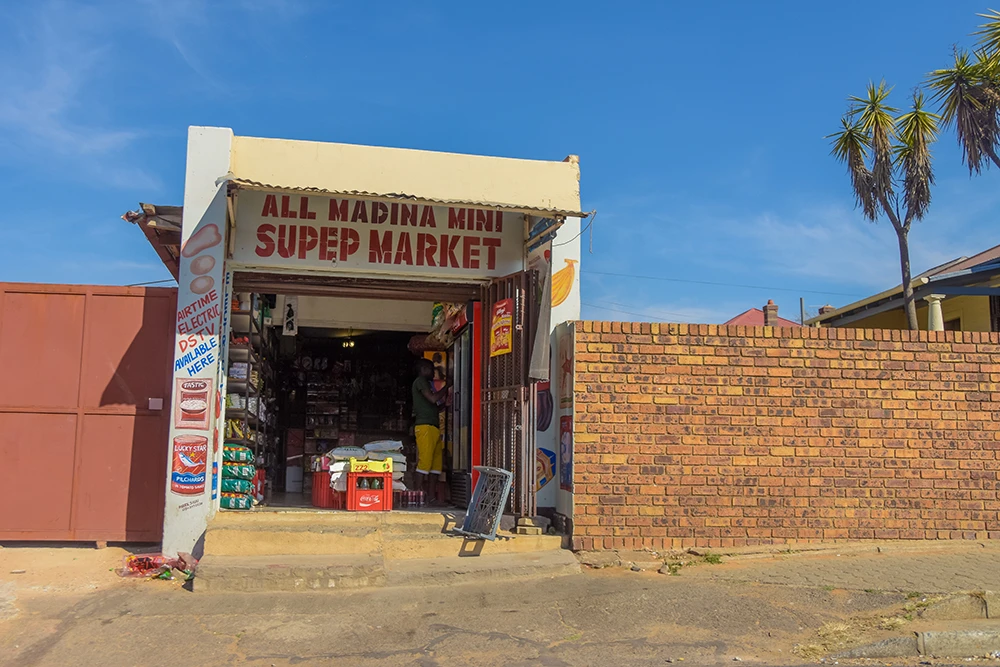
 Municipal By-Law Enforcement as a Xenophobic Tool Introduction: The Silent Crisis of Informal Traders In South Africa, informal traders—especially migrant-run spaza shops and street vendors—play a crucial role in township economies. These small enterprises provide affordable goods and services to underserved communities. However, municipal by-laws intended to regulate informal trade often become instruments of exclusion, […]

From Spaza Shops to Street Vendors: Municipal By-Law Enforcement as Xenophobic Tool Read More »