policy implementation gaps

healthcare access South Africa, undocumented migrants, Section 27 Constitution, right to health, migrant health policy, healthcare denial, clinic staff training, xenophobia in healthcare, National Health Insurance Act, NHI Act 2023, Gauteng Department of Health, public health system South Africa, migrant maternal health, health rights advocacy, NGO interventions South Africa, Médecins Sans Frontières MSF, Scalabrini Centre, Sonke Gender Justice, migrant patient liaison, safe space clinics, mobile health clinics, legal framework for migrants, health policy reform, South African Health Department, emergency medical treatment, National Health Act, Refugees Act, Immigration Act, medical xenophobia, health equity, access to primary healthcare, migrant women and children, healthcare discrimination, migrant rights South Africa, human rights in healthcare, policy implementation gaps, healthcare exclusion, healthcare ethics, frontline health workers, healthcare governance, civil society health advocacy, border health Musina, Johannesburg clinics, Cape Town clinics, Limpopo health services, intersectionality migration health, refugee healthcare, SADC migrants, healthcare funding South Africa, healthcare accountability, migrant health research, public health recommendations South Africa, healthcare system reform, training gaps in healthcare, health ombuds reporting, right to emergency care, inclusion in NHI, constitutional health obligations, health system barriers, NGO healthcare partnerships, community health outreach, healthcare law South Africa, migrant patient experiences, medical ethics training, healthcare policy analysis, vulnerable populations in healthcare

Healthcare Denied: How Clinic Staff Turn Away Undocumented Migrants Despite Constitutional Rights

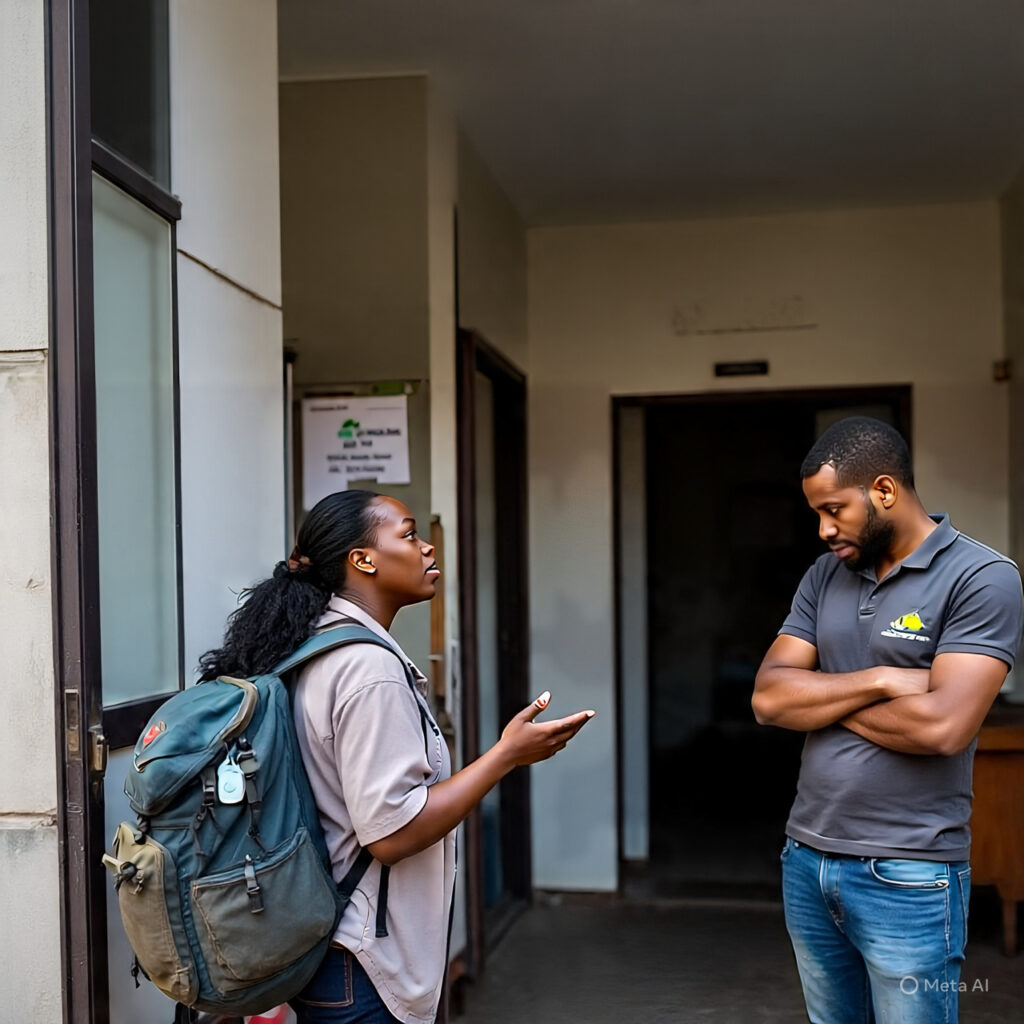
Healthcare of Undocumented Migrants  Constitutional Rights Opening: a real case and a stark statistic In 2023, a young Zimbabwean mother in a peri-urban township in Gauteng arrived at a public clinic in labour. She carried no documents, fearing arrest. Clinic staff told her she would need to pay upfront or produce a permit before being […]


Healthcare Denied: How Clinic Staff Turn Away Undocumented Migrants Despite Constitutional Rights Read More »

migration governance, health policy, South Africa, Egypt, refugee health, migrant health, healthcare access, health security, universal health coverage, National Health Insurance, constitutional rights, policy implementation, health systems, African healthcare, migration health governance, refugee populations, undocumented migrants, health equity, public health, maternal health, mental health, chronic disease management, tuberculosis control, HIV prevention, healthcare providers, discrimination, fragmented governance, integrated health systems, community health workers, digital health platforms, health information systems, inter-governmental coordination, resource allocation, legal framework implementation, policy-implementation gaps, centralized governance, decentralized governance, preventive health security, community integration, institutional coordination, stakeholder perspectives, intersectional analysis, gender dimensions, age-related vulnerabilities, documentation status, healthcare provider training, evidence-based recommendations, constitutional implementation monitoring, regional coordination mechanisms, SADC frameworks, universal health coverage integration, health economics, longitudinal health outcomes, implementation science research, community participatory approaches, cross-national comparative studies, Cairo, Johannesburg, Cape Town, Syrian refugees, Zimbabwean migrants, Sudanese refugees, UNHCR, Egyptian Ministry of Health, South African Department of Health, Department of Home Affairs, Department of Social Development, Gauteng province, vaccination coverage, immunization programs, health screening, disease surveillance, trauma-informed care, cultural competency, psychosocial services, primary healthcare, emergency interventions, mobile health applications, telemedicine, health planning, budget allocation, professional development, legal obligations, constitutional entitlements, human rights, social determinants of health, health outcomes, system resilience, pandemic response, COVID-19, communicable diseases, non-communicable diseases, health service delivery, patient satisfaction, treatment completion rates, healthcare seeking behavior, barriers to care, upfront payments, language barriers, cultural misunderstandings, crisis intervention, continuity of care, medication access, health education, appointment scheduling, early detection, health monitoring, capacity building, sustainability, policy coherence, institutional structures, governance models, best practices, innovation, scaling up interventions, monitoring and evaluation, accountability mechanisms

How Does Egypt’s Migration Governance Balance Security Concerns Better Than South Africa’s Approach?

How Egypt’s Migration Governance Balances Security Concerns Introduction: Two Countries, Two Realities In 2023, Amira, a 25-year-old Sudanese refugee in Cairo, received prenatal care at a public hospital without being asked for papers or upfront fees. In Johannesburg, Tendai, a Zimbabwean migrant in a similar situation, was turned away from three public clinics before finding

How Does Egypt’s Migration Governance Balance Security Concerns Better Than South Africa’s Approach? Read More »

Regional integration, border security, SADC, Southern African Development Community, South Africa migration policy, free movement protocols, migrant health, healthcare access, undocumented migrants, National Health Insurance, NHI Act, constitutional rights, documentation barriers, health equity, xenophobia, cross-border healthcare, Johannesburg migration, Cape Town health initiatives, Durban border proximity, emergency medical treatment, maternal health, tuberculosis treatment, diabetes management, cultural competency, community health workers, mobile health clinics, telemedicine, blockchain health records, healthcare discrimination, policy implementation gaps, immigration enforcement, deportation fears, asylum seekers, refugee healthcare, intersectional vulnerabilities, gender-based healthcare barriers, migrant children health, elderly migrant care, cost-effectiveness analysis, healthcare utilization patterns, preventable hospitalizations, emergency department overuse, public health surveillance, infectious disease control, antimicrobial resistance, regional health cooperation, bilateral health agreements, health passport systems, professional mobility, economic integration, labor productivity, social cohesion, policy coordination, intergovernmental relations, civil society engagement, NGO partnerships, evidence-based policy, participatory research, climate migration, digital health equity, traditional medicine integration, mental health services, vulnerability assessment, ethical healthcare delivery, human rights approach, universal health coverage, health system strengthening, capacity building, staff training programs, patient advocacy, language interpretation services, alternative identification systems, biometric registration, safe zones, healthcare facilities, clinic access, hospital admissions, treatment continuity, care coordination, quality improvement, performance monitoring, stakeholder engagement, community outreach, peer education, legal aid services, documentation assistance, health outcomes measurement, epidemiological data, mortality rates, vaccination coverage, chronic disease management, emergency care protocols, cost recovery mechanisms, resource allocation, healthcare financing, regional public goods, migration health research, policy analysis, implementation timelines, actionable recommendations

Regional Integration vs Border Security: Balancing Free Movement with National Security Concerns

Migration Health Policy in South Africa The Tale of Two Borders: When Security Meets Healthcare A Life-Threatening Delay In July 2024, Fatima*, a 34-year-old pregnant woman from Mozambique, arrived at a Johannesburg clinic. She experienced complications during her third trimester. The clinic turned her away initially because she lacked proper documentation. This happened despite South

Regional Integration vs Border Security: Balancing Free Movement with National Security Concerns Read More »