National Health Act

migrants South Africa, chronic disease, medication access, affordable medication, HIV, TB, diabetes, hypertension, undocumented migrants, asylum seekers, refugees, healthcare barriers, medical xenophobia, public health, health policy, National Health Act, NHI Act, South African health system, treatment interruption, self-medication, disease progression, MDR-TB, opportunistic infections, healthcare exclusion, migrant health, health inequalities, social determinants of health, health system costs, community health, NGO healthcare programs, MSF Tshwane Migrant Project, health rights, constitutional health rights, patient adherence, healthcare advocacy, health equity, migrant-friendly clinics, healthcare access, chronic disease management, health policy gaps, South African cities, Gauteng migrants, KwaZulu-Natal migrants, Tshwane migrants, public clinics, health information systems, continuity of care, health surveillance, public health risks, peer-support networks, emergency care, tertiary care, healthcare discrimination, inclusive healthcare, legal protection for migrants, healthcare interventions, evidence-based solutions, social networks, treatment adherence, vulnerable populations, intersectional health, healthcare research gaps

What Happens When Migrants with Chronic Diseases Can’t Access Affordable Medication in South Africa?

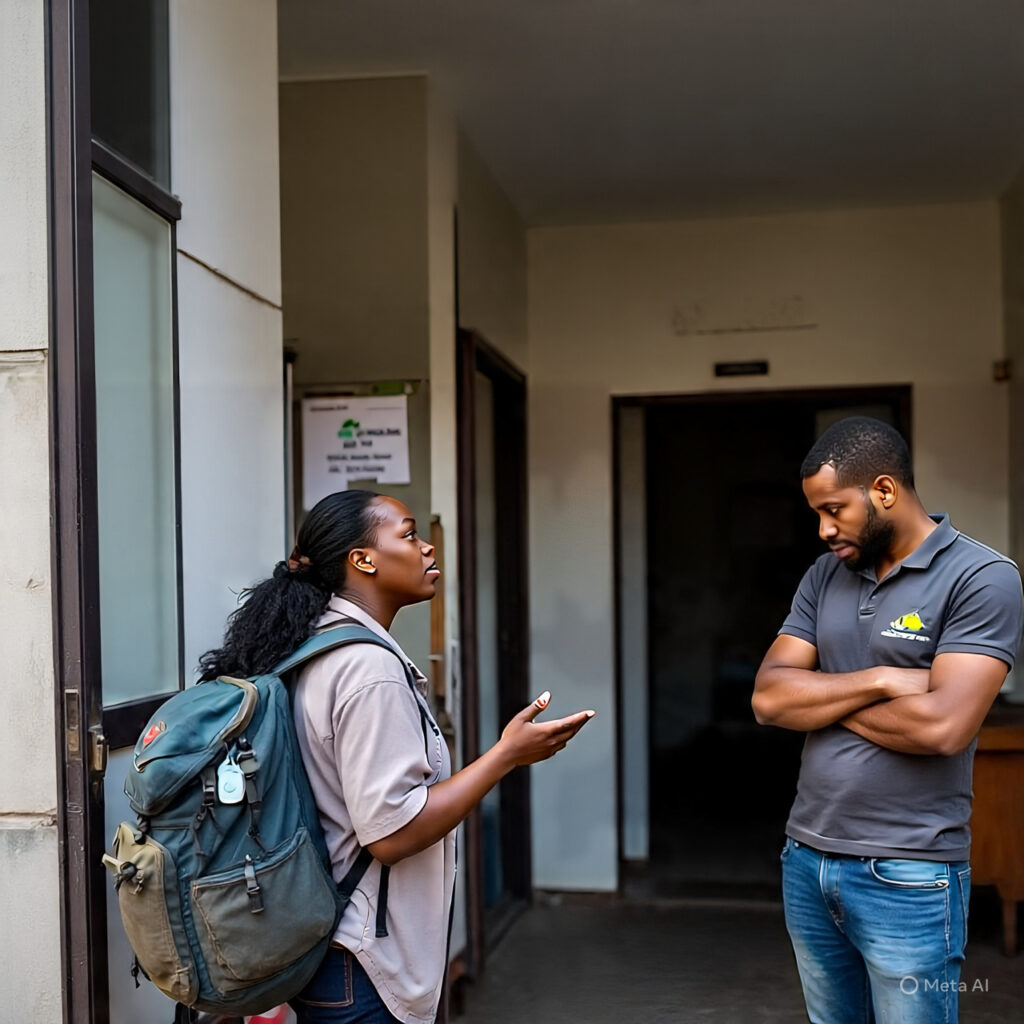
When Chronic Illness Meets Barriers: Migrants Struggling to Access Medication in South Africa A human story, and why it matters In early 2025, a 34‑year-old Zimbabwean woman — we’ll call her “Amina” — living in Johannesburg was diagnosed with hypertension. After losing her job, she could no longer afford private care. At her local public […]

What Happens When Migrants with Chronic Diseases Can’t Access Affordable Medication in South Africa? Read More »

xenophobia, medical xenophobia, healthcare access, African migrants, South Africa, public clinics, migrant health, undocumented migrants, refugees, asylum seekers, migrant rights, health disparities, HIV, TB, maternal health, child health, health policy, National Health Act, Refugees Act, inclusive healthcare, cultural competence, discrimination, patient rights, health system barriers, migrant-sensitive care, public health, Gauteng, Johannesburg, Tshwane, KwaZulu-Natal, NGO interventions, civil society, Operation Dudula, migrant-led organizations, health equity, chronic disease management, access to care, health outcomes, policy implementation, social determinants of health, vulnerable populations, intersectionality, gender, documentation status, health ethics, health reform, NDoH guidelines, healthcare training, health monitoring, community support, case studies, evidence-based recommendations, continuity of care, migrant advocacy, health integration

The Impact of Xenophobia on Healthcare Utilization Among African Migrants in South African Public Clinics

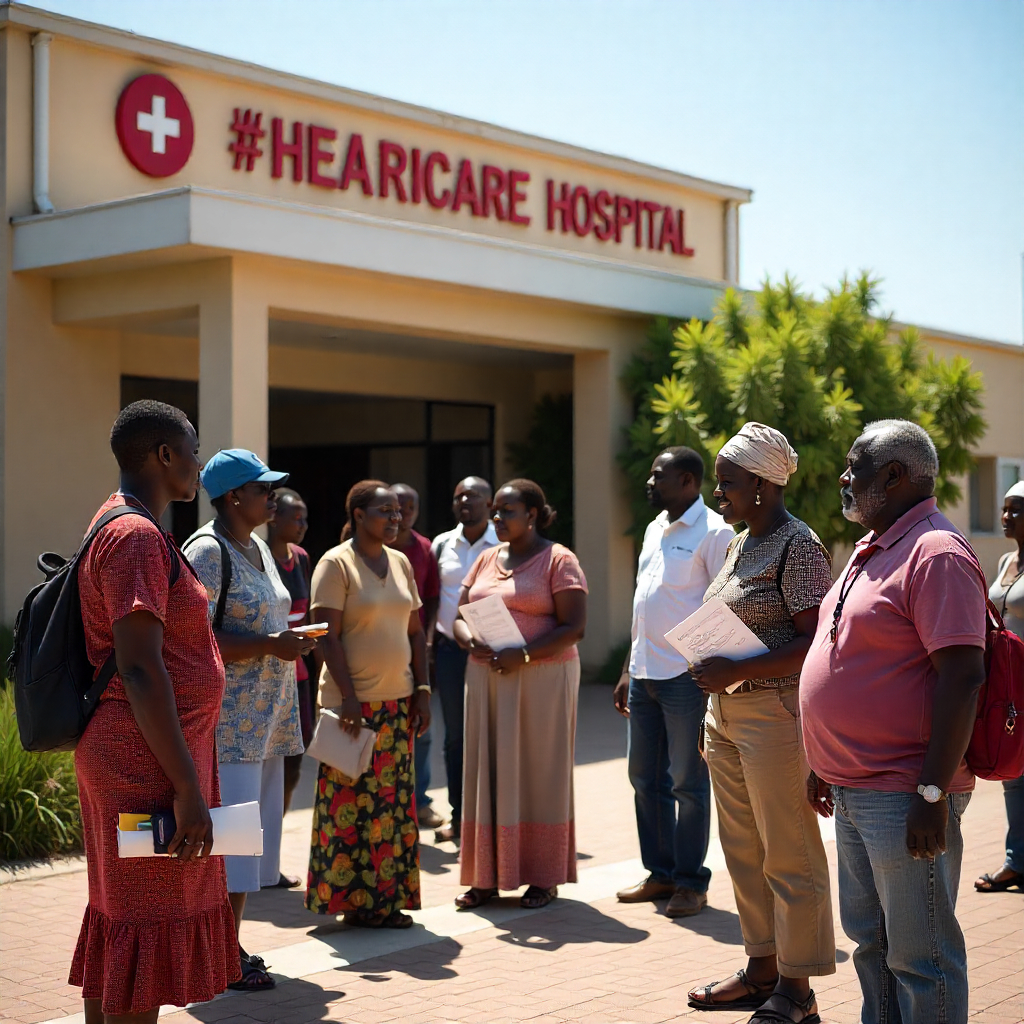
The Invisible Barrier: How Xenophobia Undermines Health Access for African Migrants in South Africa In June 2025, a 32‑year-old female migrant from Zimbabwe — let us call her Amina — arrived at a busy public clinic in Johannesburg with fever and persistent cough. Clinic staff demanded identification and proof of documentation. When Amina could not produce

The Impact of Xenophobia on Healthcare Utilization Among African Migrants in South African Public Clinics Read More »

Malawian migrants, Limpopo, South Africa, health-seeking behavior, traditional medicine, biomedical healthcare, dual healthcare utilization, migrant health, access to healthcare, cultural beliefs, traditional healers, public clinics, maternal health, chronic illness, infectious disease, TB, HIV, malaria, community health workers, mobile health units, healthcare policy, National Health Act, Traditional Health Practitioners Act, undocumented migrants, language barriers, xenophobia, health disparities, integration of traditional medicine, culturally sensitive care, NGO interventions, healthcare outreach, migrant communities, healthcare access barriers, intersectional factors, gender and health, age and health, healthcare programs, evidence-based interventions, migrant health outcomes, South African health policy, health education, mobile clinics, referral systems, digital health solutions, sustainable healthcare models, community-based care, ethical healthcare, patient-centered care, dual treatment approaches, health policy gaps, migrant-focused programs.

Traditional Medicine Practices vs. Biomedical Healthcare: Health-Seeking Patterns of Malawian Migrants in Limpopo

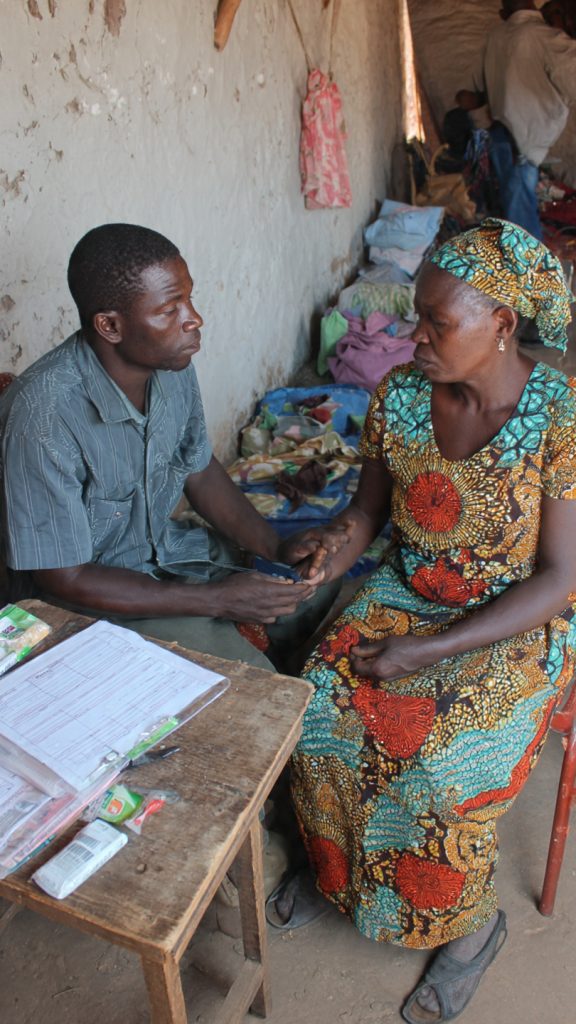
Traditional Medicine vs. Biomedical Healthcare: Health-Seeking Patterns of Malawian Migrants in Limpopo Understanding the Health-Seeking Landscape Malawian migrants in Limpopo navigate complex healthcare options. For instance, a 2023 survey found that over 60% rely on traditional healers annually, while 45% access public clinics. Consequently, migrants often alternate between systems depending on illness severity and accessibility.

Traditional Medicine Practices vs. Biomedical Healthcare: Health-Seeking Patterns of Malawian Migrants in Limpopo Read More »

undocumented migrant workers, South Africa, agriculture sector, mining sector, human rights violations, migrant labour, labour exploitation, unsafe working conditions, occupational health, gender-based violence, sexual harassment, migrant health, TB prevalence, silicosis, pesticide exposure, wage theft, child labour, labour inspections, legal protections, Constitutional rights, National Health Act, Basic Conditions of Employment Act, Employment Equity Act, Immigration Act, xenophobia, healthcare access, maternal health, mental health, psychosocial stress, informal mining, artisanal miners, zama-zamas, NGO interventions, MSF migrant clinics, Scalabrini Centre, Legal Resources Centre, worker cooperatives, FairPlay Movement, policy recommendations, labour policy gaps, intersectoral coordination, regional migration, SADC health protocols, migrant women, migrant children, foreign nationals, Mozambican workers, Zimbabwean workers, Lesotho workers, Limpopo, Mpumalanga, North West Province, Gauteng, Western Cape, Stilfontein mine tragedy, South African Human Rights Commission, International Labour Organization, occupational diseases, health outreach programs, migrant advocacy, labour rights enforcement, mobile clinics, rural migrant communities, intersectional vulnerability, social protection, public health risks, ethical sensitivity, evidence-based solutions, research gaps, migration health policy, human dignity, worker safety.

Undocumented Migrants in Agriculture & Mining: Human Rights at Risk in South Africa

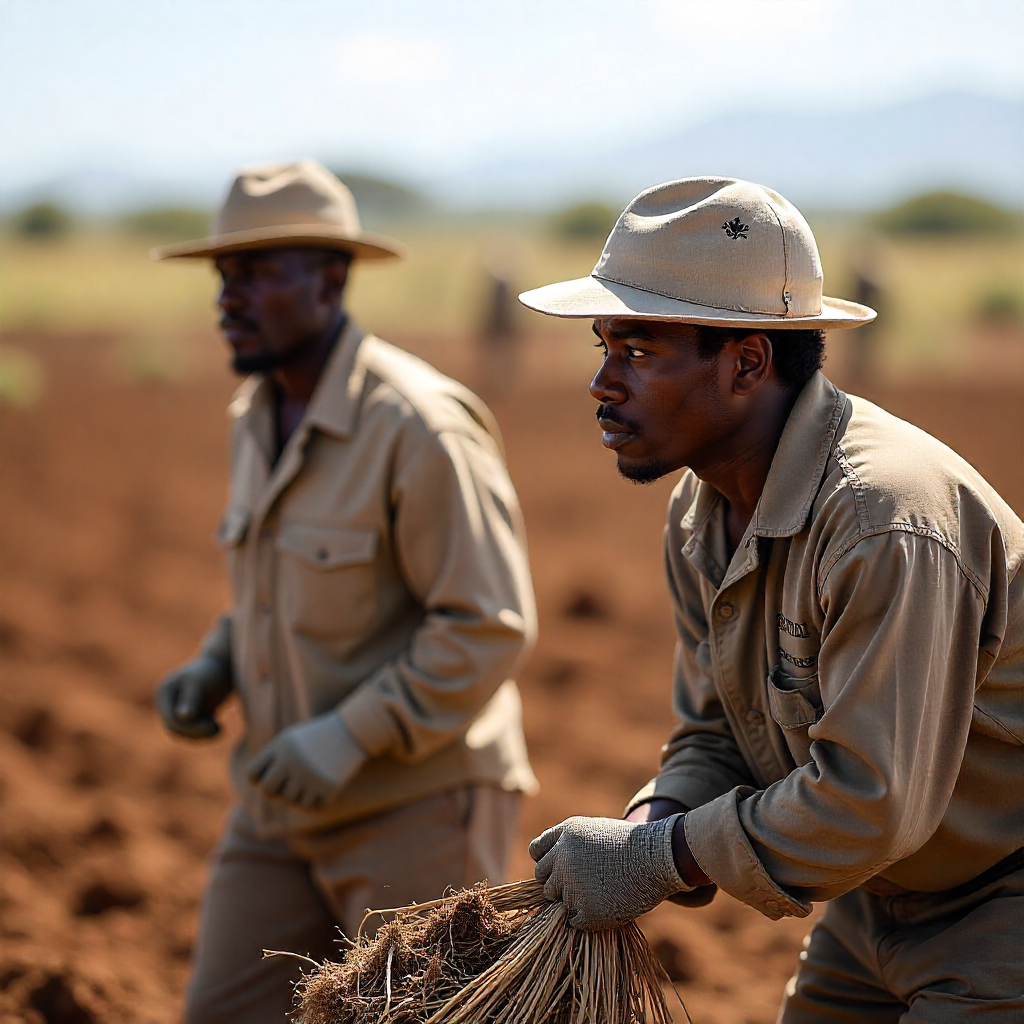
 Undocumented Migrant Workers in South Africa Introduction: The Invisible Backbone of South Africa’s Economy South Africa’s agriculture and mining industries rely heavily on migrant labour. Yet, behind this economic contribution lies a hidden crisis. Undocumented migrant workers—primarily from Zimbabwe, Mozambique, Malawi, and Lesotho—face severe human rights violations that threaten their health, safety, and dignity. In

Undocumented Migrants in Agriculture & Mining: Human Rights at Risk in South Africa Read More »

migrant rights training, South Africa healthcare, public health officials, constitutional obligations, health system strengthening, medical xenophobia, refugee healthcare access, asylum seekers health services, documentation barriers, healthcare discrimination, rights-based training, cultural competency training, migration health policy, universal health coverage, healthcare worker education, human rights sensitization, emergency medical care, National Health Act, Section 27 Constitution, Refugees Act implementation, health equity, inclusive healthcare, TB transmission, HIV prevention, public health security, healthcare access barriers, language interpretation services, patient rights education, peer champion model, budget-neutral training, cost-effective interventions, monitoring and accountability, patient feedback mechanisms, Cape Town health programs, Gauteng health facilities, Western Cape Department of Health, eThekwini Municipality, Johannesburg Region F, KwaZulu-Natal healthcare, implementation strategies, policy recommendations, facility management, NGO partnerships, academic institutions, continuing professional development, pre-service education, Health Professions Council, staff capacity building, xenophobia reduction, attitude change interventions, behavioral training, interactive learning methods, case-based learning, role-playing exercises, graduated implementation, sustainable training models, community health workers, migrant patient committees, progressive supervision, disciplinary measures, standard operating procedures, multilingual signage, health systems research, migration dynamics, social determinants of health, vulnerable populations, ethical healthcare provision, Batho Pele principles, primary healthcare access, antenatal care, chronic disease management, infectious disease control, healthcare quality improvement, performance indicators, needs assessment, blended learning, e-learning platforms, mobile applications, digital health solutions, evidence-based interventions, stakeholder engagement, institutional change, health policy analysis, African healthcare systems, Southern Africa migration, cross-border health, refugee health rights, undocumented migrants, documentation status, legal frameworks, international obligations, health workforce development, professional ethics

Training Public Officials on Migrant Rights: A Blueprint for Institutional Change

Training Public Officials on Migrant Rights: A Blueprint for Institutional Change The Crisis at the Counter Fatima arrived at a Johannesburg clinic at 6 AM, seven months pregnant and bleeding. Immediately, the receptionist demanded her passport. Fatima showed her asylum seeker permit. Nevertheless, the receptionist turned her away, claiming “we don’t serve illegals here.” Three

Training Public Officials on Migrant Rights: A Blueprint for Institutional Change Read More »

healthcare access South Africa, undocumented migrants, Section 27 Constitution, right to health, migrant health policy, healthcare denial, clinic staff training, xenophobia in healthcare, National Health Insurance Act, NHI Act 2023, Gauteng Department of Health, public health system South Africa, migrant maternal health, health rights advocacy, NGO interventions South Africa, Médecins Sans Frontières MSF, Scalabrini Centre, Sonke Gender Justice, migrant patient liaison, safe space clinics, mobile health clinics, legal framework for migrants, health policy reform, South African Health Department, emergency medical treatment, National Health Act, Refugees Act, Immigration Act, medical xenophobia, health equity, access to primary healthcare, migrant women and children, healthcare discrimination, migrant rights South Africa, human rights in healthcare, policy implementation gaps, healthcare exclusion, healthcare ethics, frontline health workers, healthcare governance, civil society health advocacy, border health Musina, Johannesburg clinics, Cape Town clinics, Limpopo health services, intersectionality migration health, refugee healthcare, SADC migrants, healthcare funding South Africa, healthcare accountability, migrant health research, public health recommendations South Africa, healthcare system reform, training gaps in healthcare, health ombuds reporting, right to emergency care, inclusion in NHI, constitutional health obligations, health system barriers, NGO healthcare partnerships, community health outreach, healthcare law South Africa, migrant patient experiences, medical ethics training, healthcare policy analysis, vulnerable populations in healthcare

Healthcare Denied: How Clinic Staff Turn Away Undocumented Migrants Despite Constitutional Rights

Healthcare of Undocumented Migrants  Constitutional Rights Opening: a real case and a stark statistic In 2023, a young Zimbabwean mother in a peri-urban township in Gauteng arrived at a public clinic in labour. She carried no documents, fearing arrest. Clinic staff told her she would need to pay upfront or produce a permit before being

Healthcare Denied: How Clinic Staff Turn Away Undocumented Migrants Despite Constitutional Rights Read More »

African migration, South Africa, urban landscapes, health policy, migration health, urban health systems, healthcare access, National Health Insurance, NHI, constitutional rights, undocumented migrants, asylum seekers, refugees, cross-border migration, internal migration, rural-urban migration, circular migration, health equity, primary healthcare, emergency medical services, maternal health, chronic disease management, community health workers, Johannesburg, Cape Town, Durban, Alexandra township, Hillbrow, Yeoville, health system strengthening, policy implementation, documentation barriers, intersectional vulnerabilities, gender-based health disparities, age-specific health needs, cultural competency, language barriers, public health practitioners, health policymakers, NGO workers, civil society organizations, Scalabrini Centre, Doctors Without Borders, health service delivery, mobile health clinics, peer health educators, policy advocacy, human rights, health outcomes, epidemiological data, disease burden, communicable diseases, antenatal care, emergency department utilization, clinic overcapacity, health facility planning, municipal health services, provincial health departments, inter-governmental coordination, budget allocation, cost-effectiveness analysis, health monitoring systems, data collection protocols, staff training, discrimination in healthcare, patient identifier systems, anonymous service delivery, policy harmonization, legal frameworks, National Health Act, constitutional guarantees, health insurance, out-of-pocket payments, medication access, follow-up care, health education, multilingual services, occupational health, informal economy, gender-based violence, adolescent health, older adult care, research gaps, longitudinal studies, economic analysis, implementation research, digital health innovations, technology solutions, community resilience, health security, public health goals, evidence-based policy, stakeholder engagement, accountability mechanisms, service integration, spatial planning, bylaw reforms, private-public partnerships, capacity building, knowledge translation, migration corridors, settlement patterns, demographic transition, urbanization, population health, health equity, social determinants of health, vulnerable populations, marginalized communities, inclusive health policies, universal health coverage, middle-income country, Southern African Development Community, SADC, continental migration patterns, health diplomacy, regional health cooperation

How Does African Migration Affect South Africa’s Urban Landscapes?

The Urban Health Emergency Unfolding in Real Time In the bustling township of Alexandra, Johannesburg, Dr. Sarah Mthembu witnessed firsthand the strain migration places on urban health systems. With Africa experiencing a 25-percent growth in intra-continental migrants over the last decade—from 12 million in 2015 to 15 million in 2024, her clinic now serves triple

How Does African Migration Affect South Africa’s Urban Landscapes? Read More »

language barriers, cultural competency, South African healthcare, African migrants, healthcare access, linguistic diversity, cultural misunderstandings, migration health, health policy, public health, xenophobia, discrimination, healthcare workers, interpretation services, multilingual healthcare, community health workers, maternal health, emergency care, patient safety, medical interpreters, health equity, universal health coverage, National Health Insurance, healthcare communication, cross-border migrants, refugee health, undocumented migrants, healthcare rights, cultural safety, health system strengthening, primary healthcare, emergency departments, medical errors, patient satisfaction, health outcomes, Johannesburg, Cape Town, Durban, Gauteng Province, Western Cape, KwaZulu-Natal, Groote Schuur Hospital, Chris Hani Baragwanath Hospital, Zimbabwean migrants, Somali refugees, Congolese migrants, Mozambican migrants, Nigerian migrants, Ethiopian migrants, gender barriers, documentation status, mental health, pediatric care, maternal mortality, antenatal care, reproductive health, chronic disease management, infectious diseases, tuberculosis, HIV/AIDS, healthcare utilization, treatment adherence, appointment compliance, emergency room visits, hospital readmissions, healthcare costs, cost-effectiveness, return on investment, policy implementation, healthcare financing, training programs, capacity building, technology solutions, artificial intelligence, video interpreting, remote interpretation, cultural competency training, medical education, nursing education, health professional licensing, performance indicators, quality improvement, patient feedback, healthcare governance, intersectional factors, vulnerable populations, human rights, constitutional rights, health legislation, National Health Act, Ubuntu philosophy, community partnerships, NGO collaboration, civil society, advocacy, research gaps, longitudinal studies, evidence-based practice, best practices, scalability, sustainability, accountability mechanisms, stakeholder engagement, implementation timelines, monitoring and evaluation

Language Barriers and Cultural Competency in South African Healthcare for African Migrants

 Language Barriers  in South African Healthcare Introduction: When Words Fail, Lives Are at Risk In the sprawling maternity ward of Groote Schuur Hospital in Cape Town, Amina*, a 26-year-old Somali refugee, grips her partner’s hand. Her contractions intensify rapidly. However, she speaks limited English and no Afrikaans or isiXhosa. Meanwhile, the attending nurse grows frustrated

Language Barriers and Cultural Competency in South African Healthcare for African Migrants Read More »

African migrants, South Africa, healthcare access, undocumented migrants, documentation status, public health system, emergency care, National Health Act, Section 27, migrant health rights, xenophobia, National Health Insurance, NHI, asylum seekers, refugee health, MSF, Scalabrini Centre, PHM-SA, health policy, urban health disparities, intersectionality, maternal health, legal barriers, civil society, migrant-focused interventions, Johannesburg, Cape Town, Durban, Tshwane, Zimbabwean Exemption Permit, ZEP, migrant children, LGBTQ+ migrants, healthcare discrimination, migrant health coordinators, health system accountability, indigence policy, policy-practice gap, ethical healthcare, migrant integration, health equity.

Navigating the Maze: How Documentation Status Determines Healthcare Access for African Migrants in South Africa

Migrant Healthcare Access   Introduction: A Fractured Path to Care In 2023, Fatou, a 32-year-old pregnant woman from Senegal, arrived at a clinic in Johannesburg with severe abdominal pain. Despite presenting at a public health facility, she was turned away because she could not produce a valid asylum seeker permit. Hours later, she suffered a

Navigating the Maze: How Documentation Status Determines Healthcare Access for African Migrants in South Africa Read More »