
migrant-led initiatives

HIV, TB, HIV/TB co-infection, migrants, migrant health, migration health, mobile populations, undocumented migrants, cross-border health, South Africa, Limpopo, Gauteng, Zimbabwean migrants, Mozambican migrants, Malawian migrants, refugee health, asylum seekers, ART, antiretroviral therapy, TB treatment, treatment continuity, healthcare access, medical xenophobia, xenophobia, health disparities, circular migration, seasonal migration, border health, SADC health coordination, Musina Model of Care, peer educators, community health workers, differentiated service delivery, multi-month dispensing, patient-held health records, mobile clinics, outreach services, cross-border referral, health policy, National Health Strategic Plan, NSP 2023-2028, maternal health, gender-based violence, sexual violence, mental health, social determinants of health, economic precarity, housing conditions, informal settlements, healthcare barriers, health system gaps, regional coordination, migration-aware programming, culturally competent care, anti-discrimination training, healthcare legal rights, mobile population interventions, public health policy, health outcomes, UNAIDS targets, chronic disease management, rural healthcare, urban healthcare, clinic access, healthcare inclusion, patient support programs, health advocacy, civil society interventions, healthcare research, implementation science, health information systems, cross-border patient tracking, differentiated care models, health equity, patient retention, viral suppression, ART adherence, TB prevention, healthcare infrastructure, peer-led programs, healthcare scalability, migrant-led initiatives, occupational health, farm worker health, HIV testing, TB testing, health literacy, health education, psychosocial support, migration-related vulnerabilities, cultural competency, healthcare quality improvement, NGO healthcare support, regional health policy, cross-border treatment protocols, mobile health interventions.

How Can South Africa’s Healthcare System Better Support Migrants with HIV/AIDS and TB Co-Infections?

Bridging the Treatment Gap: Supporting Migrants with HIV/AIDS-TB Co-Infections in South Africa When Borders Become Barriers: The Silent Crisis Thirty-five-year-old Grace* travels between Zimbabwe and South Africa’s Limpopo province every three months. She works on commercial farms near Musina during harvesting seasons. Grace lives with both HIV and tuberculosis (TB), requiring consistent medication for both […]

How Can South Africa’s Healthcare System Better Support Migrants with HIV/AIDS and TB Co-Infections? Read More »

Somali migrants, food remittances, transnational food networks, South Africa, migrant health, diaspora food support, cultural dietary practices, informal trade, Johannesburg, Cape Town, Durban, Somali spaza shops, migrant livelihoods, refugee nutrition, remittance networks, cross-border food transfer, gender and migration, undocumented migrants, community warehouses, migrant entrepreneurship, nutrition security, chronic disease management, maternal and child health, diaspora logistics, migrant-inclusive policies, African migration, social cohesion, food security, informal supply chains, transnational households, migrant-led initiatives, diaspora support programs, Somali diaspora South Africa, public health, migration policy, cultural identity, dietary remittances, migrant economic inclusion

Food Remittance Systems: How Somali Migrants Navigate Transnational Food Networks in South Africa

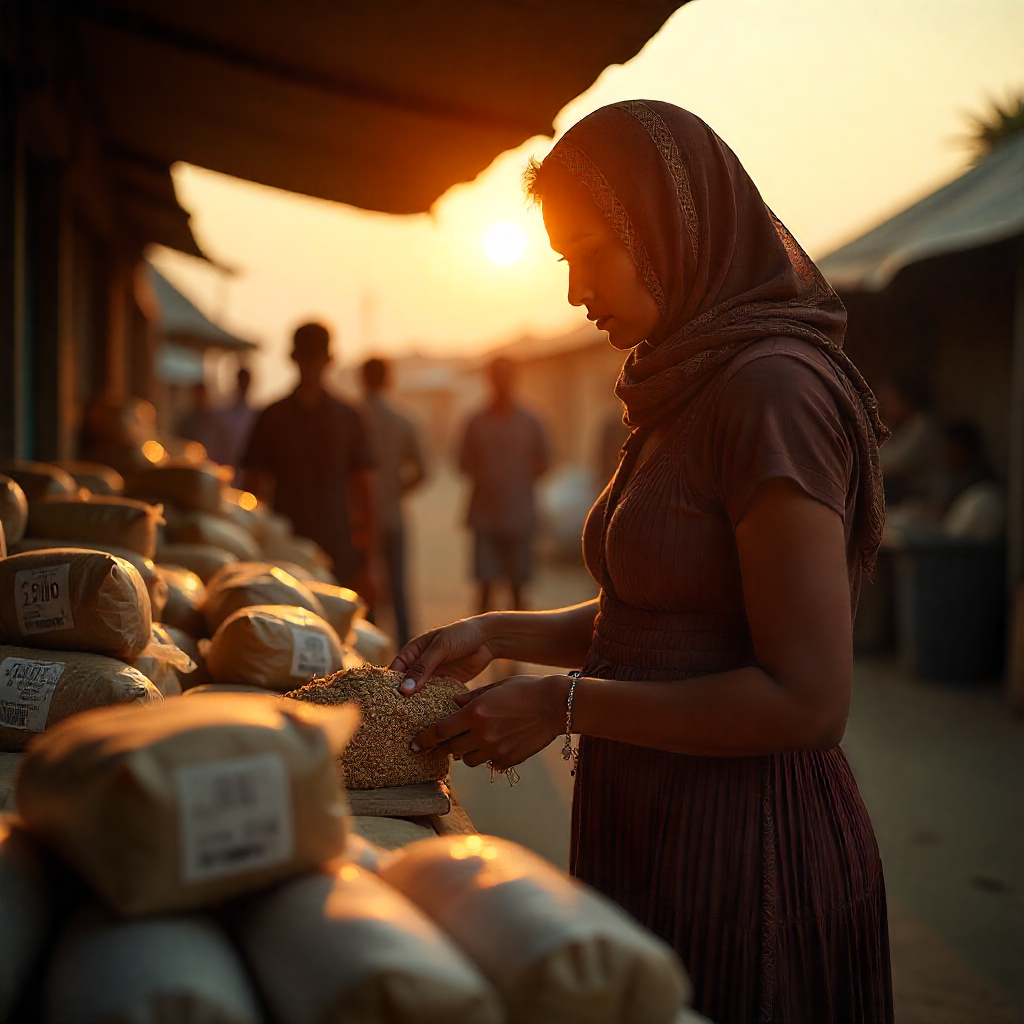
Transnational Food Networks Among Somali Migrants in South Africa Opening: Food, Distance, and Survival In a small grocery shop in Mayfair, Johannesburg, 28-year-old Hawa carefully packs a crate of basmati rice, powdered milk, dates, and infant formula. These items are not meant for her household—they are intended for her mother and younger siblings in Hargeisa.

Food Remittance Systems: How Somali Migrants Navigate Transnational Food Networks in South Africa Read More »

Climate-induced migration, climate mobility, Johannesburg migration, Cape Town migration, South Africa urban health, climate change adaptation, informal settlements, migrant health, rural-urban migration, climate stress, flood displacement, drought migration, climate vulnerability, health system readiness, climate-resilient cities, migrant-sensitive primary care, urban planning, climate risk, environmental migration, water scarcity, heat stress, public health policy, intersectional vulnerability, gender and migration, age and migration, undocumented migrants, chronic disease, health equity, community-based adaptation, peer-led migrant networks, disaster preparedness, urban informal housing, climate migration policy, health service access, migration surveillance, climate mobility data, adaptive urban infrastructure, population displacement, climate-resilient health systems, urban resilience, sustainable city planning, climate-driven urbanisation, environmental displacement, migrant inclusion, proactive migration planning, public health intervention, flood risk mitigation, heat mitigation, settlement upgrade, longitudinal migration study, scenario modelling, C40 Cities Network, Just Transition Framework, climate-health integration, service delivery planning, rural climate impact, metropolitan readiness, South African policy gaps, climate adaptation strategy, migration flow mapping, health equity in cities, vulnerable populations, emergency preparedness, adaptation planning, urban health risks, climate migration case studies, evidence-based policy, stakeholder collaboration, NGO-led adaptation, migrant-led initiatives, global climate mobility lessons, early warning systems, urban migration modelling, adaptation implementation timeline.

Are South African cities prepared for climate-induced migration waves, and what lessons can Johannesburg and Cape Town learn from global climate refugee strategies?

Are South African Cities Ready for Climate-Induced Migration? Lessons for Johannesburg and Cape Town from Global Climate-Mobility Strategies Opening: Floods, droughts, and urban pressures In June 2025, heavy floods in the Eastern Cape displaced hundreds of families. Extreme weather events like this are not isolated. Climate change is already driving internal migration across South Africa.

Are South African cities prepared for climate-induced migration waves, and what lessons can Johannesburg and Cape Town learn from global climate refugee strategies? Read More »