health interventions

migrant children South Africa, childhood immunisation, vaccine coverage, undocumented children, foreign nationals, public health, national immunisation program, vaccination barriers, healthcare access, xenophobia, informal settlements, mobile clinics, maternal and child health, health equity, vaccine-preventable diseases, measles vaccination, polio vaccination, pertussis vaccination, immunisation policy, South African health policy, Health Justice Initiative, SAPA statement, refugee children, asylum seekers, social determinants of health, healthcare inequality, catch-up immunisation, service delivery gaps, community health programs, migrant health research, health system capacity, clinic accessibility, language barriers, structural barriers, public health interventions, herd immunity, ethical health access, human rights, UN Convention on the Rights of the Child, provincial health departments, integrated child services, outreach vaccination programs, migration-disaggregated data, health policy recommendations, vulnerable populations, South African Department of Health, HIV testing, TB screening, healthcare trust, anti-migrant sentiment, health system governance, immunisation uptake, vaccine stock-outs.

Are Migrant Children in South Africa Falling Through the Cracks of National Immunization Programs?

Migrant Children and Immunisation Gaps in South Africa Opening: a worrying real-world snapshot When one thinks of immunisation in South Africa, the assumption is often that children — whoever they are — receive vaccines via the state’s well-established immunisation schedule. But for many migrant children, especially those whose parents are foreign nationals or undocumented, reality […]
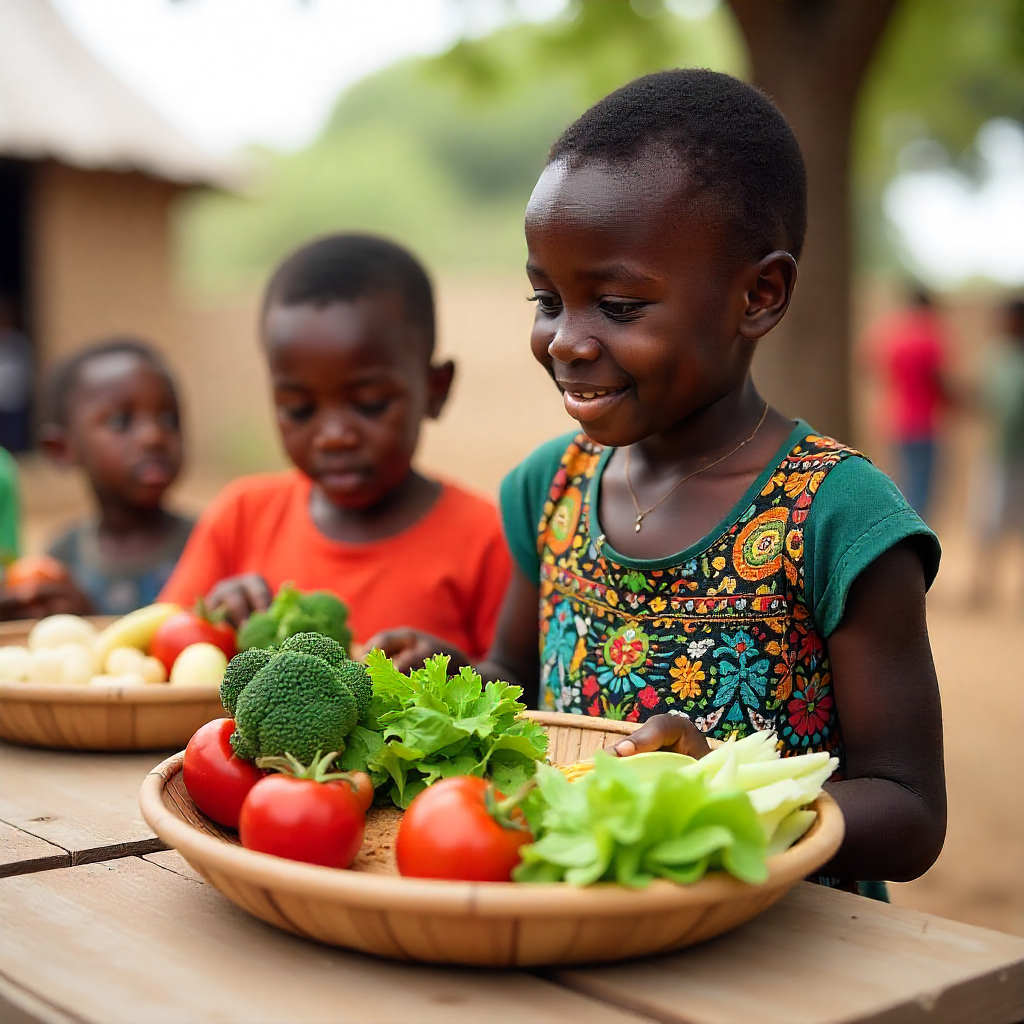
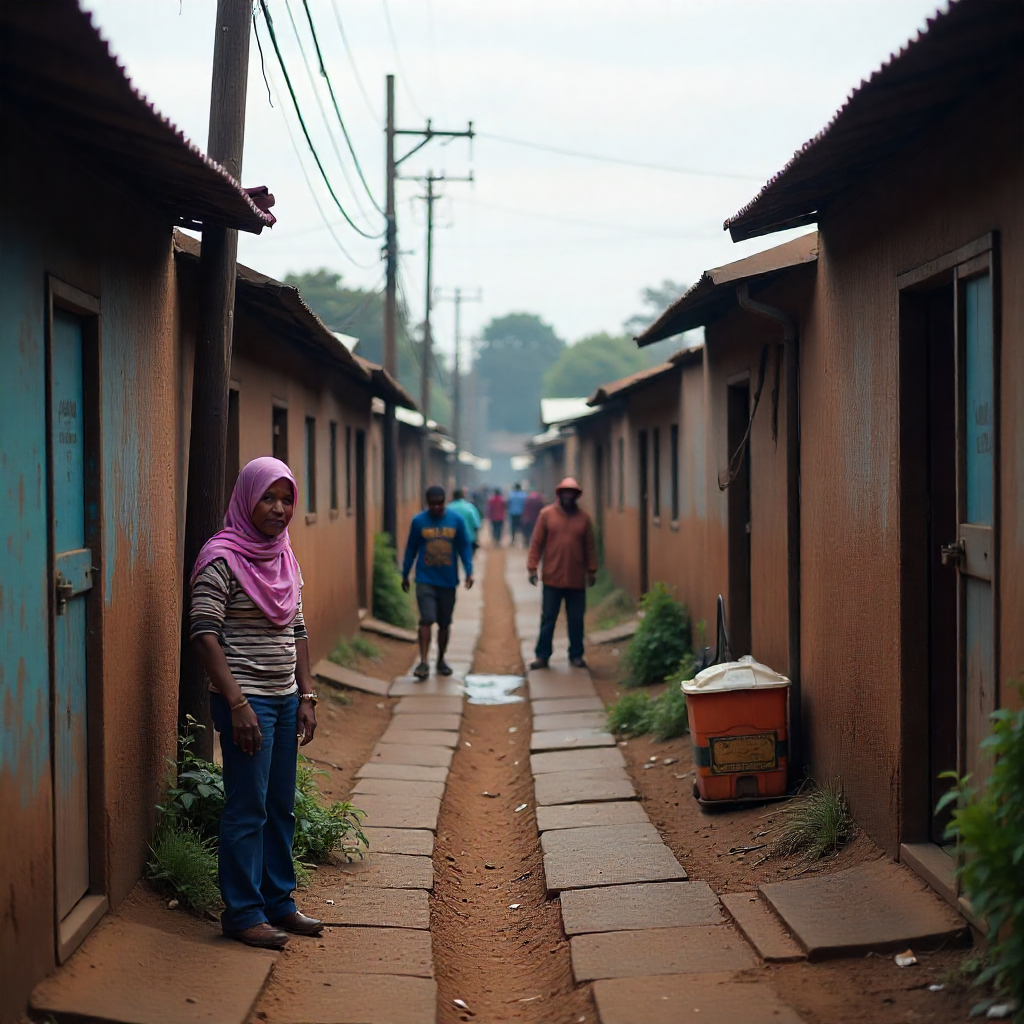
Are Migrant Children in South Africa Falling Through the Cracks of National Immunization Programs? Read More »

dietary acculturation, second-generation African migrants, South Africa, nutrition transition, obesity, type 2 diabetes, cardiovascular disease, non-communicable diseases, NCDs, metabolic risk, rural-to-urban migration, urbanization, gut microbiome, intergenerational health, child nutrition, adolescent diet, food insecurity, traditional diets, processed foods, fast food, sugary drinks, refined carbohydrates, health disparities, gender disparities, socioeconomic status, migration health, urban food environment, community-based nutrition programs, culturally sensitive interventions, public health policy, nutrition surveillance, migrant-sensitive policy, chronic disease prevention, metabolic syndrome, hypertension, abdominal obesity, health equity, school-feeding programs, social determinants of health, urban planning, community gardens, fresh produce access, food subsidies, health promotion, epigenetic effects, longitudinal cohort studies, intergenerational dietary patterns, nutrition education, health interventions, South African health policy, urban migrant health, adolescent metabolic risk, culturally tailored counseling, preventive health strategies, structural determinants of health, metabolic syndrome risk, migrant communities, health outcomes, diet-related chronic disease, nutrition policy gaps, intervention programs, migration-sensitive research, food deserts, low-income urban households.

What Are the Long-Term Health Implications of Dietary Acculturation for Second-Generation African Migrants in South Africa?

Long-Term Health Implications of Dietary Acculturation for Second-Generation African Migrants in South Africa Introduction: Migration and Metabolic Risk Consider a hypothetical child, born in Johannesburg to parents who migrated from rural Limpopo. At home, the family still eats traditional meals such as maize porridge (pap), leafy greens, and pulses. Outside the home, at school and

What Are the Long-Term Health Implications of Dietary Acculturation for Second-Generation African Migrants in South Africa? Read More »

Hillbrow, overcrowding, migrant health, SADC migrants, disease transmission, tuberculosis, HIV, respiratory infections, gastrointestinal infections, inner-city Johannesburg, urban health, housing conditions, public health, migration health, undocumented migrants, asylum seekers, healthcare access, National Health Insurance, NHI, City of Johannesburg, healthcare policy, health disparities, maternal health, adolescent health, syndemic, MSF, Wits Reproductive Health and HIV Institute, community health programs, health interventions, urban poverty, high-density housing, sanitation, xenophobia, health inequities, peer-led outreach, public clinics, epidemiology, South Africa, health policy recommendations, inner-city housing, social determinants of health, health surveillance, migrant vulnerabilities, housing policy, healthcare barriers, HIV-TB co-infection, health system strengthening, evidence-based interventions, integrated care, urban migration, migrant communities, health equity, risk factors, case studies, policy gaps, Johannesburg inner city.

How Do Overcrowded Living Conditions in Hillbrow Affect Disease Transmission Among Migrant Communities from SADC Countries?

Overcrowding and Disease Transmission Among SADC Migrants in Hillbrow Opening: A Dense Reality with High Stakes Hillbrow, Johannesburg’s inner-city, is a microcosm of density, diversity—and vulnerability. Once a well-maintained apartment district, decades of neglect, high migration, and poverty have transformed parts of Hillbrow into overcrowded, under-serviced high-rises. Wikipedia+1 Research shows that more than half of

How Do Overcrowded Living Conditions in Hillbrow Affect Disease Transmission Among Migrant Communities from SADC Countries? Read More »

SADC, climate migration, climate change, Southern Africa, migration health, public health, health policy, internal migration, cross-border migration, South Africa, drought, floods, cyclones, informal settlements, urban migration, migrant vulnerabilities, HIV, TB, NCDs, undocumented migrants, gender, age, intersectionality, health systems, national adaptation plans, regional coordination, SADC policy, migration governance, migrant-friendly services, community health programs, NGOs, early-warning systems, data collection, climate resilience, livelihood loss, rural-urban migration, disaster risk reduction, mobility governance, health access, cross-border health, climate-induced displacement, policy gaps, adaptation planning, migrant outreach, health equity, vulnerable populations, migration policy framework, labour migration, free movement, empirical evidence, research gaps, health interventions, actionable recommendations.

Are SADC countries developing coordinated responses to climate migration, or is each nation navigating the crisis alone?

Coordinated or Fragmented? Climate‑Migration Governance in the SADC Region Opening: Climate migration in focus In March 2024, heavy flooding in Mozambique’s Zambezia Province displaced more than 120 000 people. Many migrants came from Malawi and Zimbabwe after prolonged droughts destroyed livelihoods. Urban informal settlements quickly became overcrowded. Southern Africa faces rising heat, stronger storms, floods, and droughts,

Are SADC countries developing coordinated responses to climate migration, or is each nation navigating the crisis alone? Read More »

migration health, urban planning, South Africa, healthcare access, informal settlements, health infrastructure, health policy, internal migration, cross-border migration, urbanization, health equity, migrant health services, primary healthcare, community health workers, mobile health units, health system strengthening, National Health Insurance, NHI, universal health coverage, healthcare utilization, health disparities, climate migration, refugee health, asylum seekers, undocumented migrants, healthcare barriers, documentation status, language barriers, cultural competency, intersectional health, gender health disparities, maternal health, chronic disease management, mental health services, tuberculosis, HIV/AIDS, non-communicable diseases, health outcomes, healthcare providers, health facilities, clinic access, emergency healthcare, preventive care, health promotion, health education, telemedicine, digital health, health technology, healthcare costs, cost-effectiveness, health economics, health financing, health insurance, public health, population health, epidemiology, health surveillance, health data, health information systems, health monitoring, health evaluation, social determinants of health, housing health, water sanitation, environmental health, occupational health, school health, elder health, child health, adolescent health, reproductive health, family planning, immunization, health screening, health literacy, health communication, health advocacy, health rights, constitutional health rights, health law, health governance, health leadership, health management, health administration, health planning, health implementation, health coordination, intersectoral collaboration, health partnerships, NGO health programs, community-based health, participatory health, health research, health evidence, health innovation, health solutions, health interventions, health programs, health services delivery, health quality, patient satisfaction, healthcare workforce, health training, health capacity building, health sustainability, health resilience, urban health, metropolitan health, municipal health, provincial health, regional health, SADC health cooperation, African health systems, developing country health, middle-income country health, health development, health cooperation, health diplomacy, health security, health emergency preparedness, health system adaptation, health transformation, health reform, health modernization

Urban Planning and Migration: Infrastructure Challenges in South African Cities – A Health Policy Analysis

Migration Health in South African Cities Addressing the Critical Intersection of Urbanization, Migration, and Public Health in Post-Apartheid South Africa Introduction: The Convergence of Crisis and Opportunity In Alexandra Township, Johannesburg, 22-year-old Nomsa* (name changed) recently moved from rural Limpopo to seek employment opportunities. Like thousands of other internal migrants, she settled in an informal

Urban Planning and Migration: Infrastructure Challenges in South African Cities – A Health Policy Analysis Read More »

migrant health, informal settlements, overcrowding, disease transmission, public health, South Africa, tuberculosis, HIV/AIDS, respiratory diseases, housing conditions, health equity, urban health, migration policy, healthcare access, documentation barriers, community health workers, health outcomes, infectious diseases, waterborne diseases, vector-borne diseases, maternal health, child health, health disparities, social determinants of health, health policy, informal settlement upgrading, National Health Insurance, constitutional health rights, municipal health services, epidemiological surveillance, contact tracing, outbreak response, cholera, malaria, pneumonia, acute respiratory infections, gastroenteritis, mental health, gender-based violence, undocumented migrants, refugee health, asylum seeker health, SADC migration, cross-border migration, internal migration, urbanization, slum health, shack dwellings, backyard shacks, communal facilities, water and sanitation, pit latrines, standpipes, drainage systems, ventilation, indoor air pollution, household density, spatial planning, health systems strengthening, primary healthcare, mobile health, telemedicine, health technology, peer education, health promotion, behavior change communication, cultural competency, language barriers, health literacy, stigma reduction, rights-based approaches, participatory research, implementation science, cost-effectiveness analysis, health economics, multi-sectoral partnerships, NGO interventions, government policy, local government, provincial health, national health policy, WHO guidelines, health surveillance, disease notification, case management, treatment adherence, medication access, chronic diseases, non-communicable diseases, nutrition, food security, immunization, antenatal care, postnatal care, family planning, health insurance, health financing, emergency medical treatment, trauma-informed care, psychosocial support, community participation, health advocacy, legal advocacy, human rights, dignity, vulnerability, resilience, social cohesion, integration, xenophobia, discrimination, health disparities, epidemiological research, longitudinal studies, mixed methods research, qualitative research, quantitative analysis, biostatistics, geographic information systems, spatial analysis, health mapping, intervention evaluation, program effectiveness, scalability, sustainability, health system reform

Crowded Spaces, Health Consequences: Housing Conditions and Public Health Risks in Migrant Communities

 Migrant Housing and Disease Transmission In Johannesburg’s Region D, Amara*, a Zimbabwean migrant, lives in a 3×4-meter shack shared with seven others. It’s a kitchen, bedroom, and living room in one—with no running water. When one person developed a cough, five others followed suit. This clearly illustrates how overcrowded housing creates the perfect storm for

Crowded Spaces, Health Consequences: Housing Conditions and Public Health Risks in Migrant Communities Read More »