climate adaptation

climate change education, SADC crisis, education disruption, school closures, climate disasters, drought schools, cyclone damage, health equity, vaccination gaps, malnutrition, stunting, sexual violence, early pregnancy, child marriage, health literacy, water sanitation, disease prevention, health systems, climate adaptation, resilience centers, gender disparities, girls education, migration, displaced students, disability, school health, reproductive health, contraceptive access, tuberculosis, malaria prevention, school meals, teacher training, distance learning, accelerated learning, re-enrollment, climate infrastructure, health clinics, curriculum integration, learning loss, inequality, urban migration, child protection, early warning, disaster reduction, climate finance, Mozambique, Zimbabwe, South Africa, Malawi, cross-sectoral coordination

SADC’s Climate-Education Crisis: Why Repeated Floods and Droughts Mean Millions of Children Are Missing School

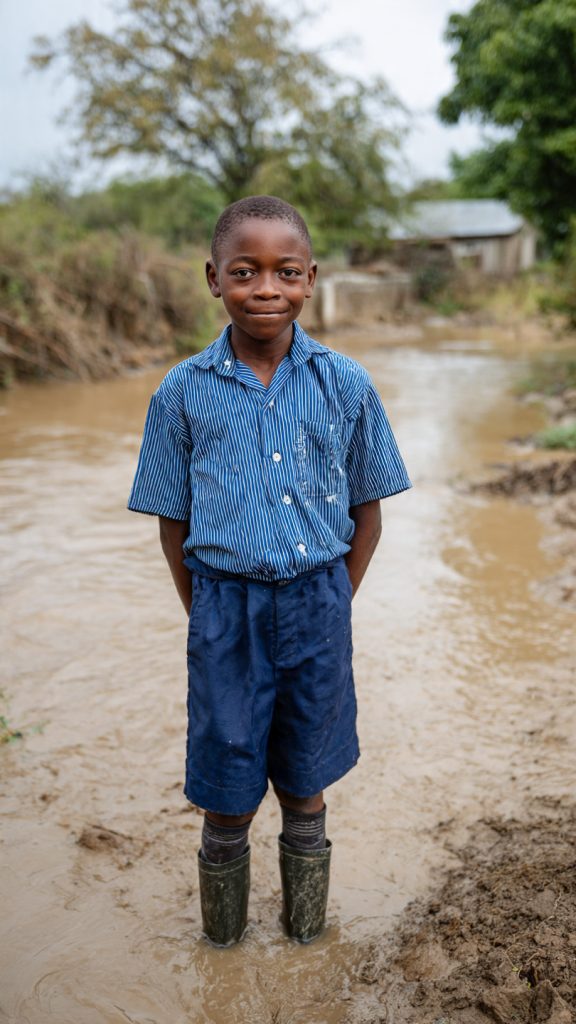
The Catastrophe Unfolding: Climate Disruption Displaces Students Across the Region Across Southern Africa, climate disasters are striking faster and with greater intensity than ever before. In Mozambique alone, successive cyclones—Cyclone Idai in 2019 and Cyclones Eloise and Ana between 2021 and 2022—displaced nearly 600,000 people and destroyed more than 3,500 schools. Yet statistics reveal only […]
SADC’s Climate-Education Crisis: Why Repeated Floods and Droughts Mean Millions of Children Are Missing School Read More »

Namibian farmers, drought-resistant crops, indigenous crops, climate migration, Southern Africa agriculture, food security, rural livelihoods, climate adaptation, mahangu, sorghum, cowpea, Bambara groundnut, agroecology, smallholder farmers, Limpopo agriculture, Tsumeb, Thohoyandou, cross-border farming, seed systems, community seed banks, nutrition security, climate-smart agriculture, SADC migration, South Africa rural development, sustainable farming, climate-resilient crops, urban food insecurity, migration health, gender and migration, youth farmers, undocumented migrants, agricultural policy, FAO dryland program, El Niño drought, crop diversity, informal settlements, traditional knowledge, agricultural extension, smallholder collectives, local markets, food sovereignty, adaptive farming practices, climate change impact, multi-stakeholder collaboration.

From Tsumeb to Thohoyandou: The Namibian Farmers Bringing Drought-Resistant Indigenous Crops Across Borders

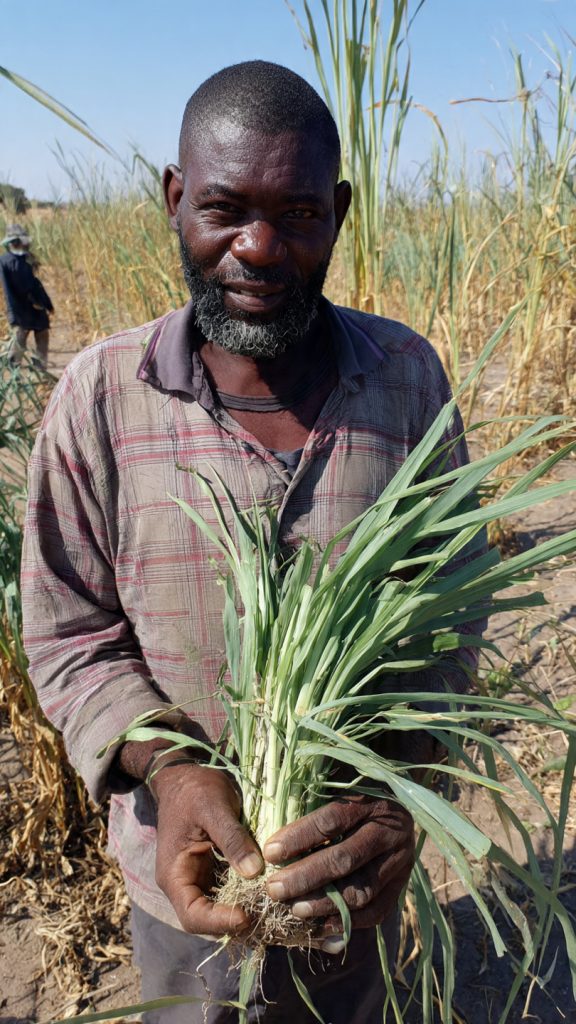
Namibian Farmers Bringing Drought‑Resistant Crops Across Borders In the arid expanses between Tsumeb in northern Namibia and Thohoyandou in Limpopo Province, a new pattern of climate‑linked movement and agricultural innovation is emerging. Severe droughts and erratic rainfall, driven by climate variability, are forcing rural agricultural households to rethink what crops they grow, where they live,

From Tsumeb to Thohoyandou: The Namibian Farmers Bringing Drought-Resistant Indigenous Crops Across Borders Read More »

climate change, food security, African migrants, South Africa, urban food systems, migrant livelihoods, food system disruptions, vulnerability, adaptation strategies, food price volatility, urban agriculture, community gardens, informal settlements, migration health, social protection, food access, nutrition, gender dynamics, documentation status, intersectionality, Gauteng, Cape Town, Johannesburg, eThekwini, policy gaps, social safety nets, informal employment, climate resilience, food insecurity, staple crops, maize production, urban migration, migrant households, social capital, household welfare, food distribution, early warning systems, community-based interventions, NGOs, civil society, policy recommendations, sustainable development, health outcomes, malnutrition, mental health, livelihood strategies, government policy, municipal planning, empirical evidence, research gaps, equity, inclusion, social justice, adaptive programs, climate adaptation, disaster risk, urban poverty, food aid programs, livelihood diversification, emergency response, food availability, dietary diversity, nutrition security, low-income households, vulnerable populations, South African policy, migration policy, food price shocks, community solidarity, household coping strategies, informal sector workers, rural-urban migration, food accessibility, climate-driven shocks, urban resilience, early warning systems, urban planning.

What Is the Impact of Climate Change and Food System Disruptions on African Migrant Livelihoods and Food Security in South Africa?

Climate, Displacement and Hunger: Why Migrants in South Africa Are on the Frontline In 2023, a household survey in Gauteng found that migrant households in the region had markedly higher risk of food insecurity than native-born households — even after controlling for employment, household size, and other socioeconomic factors. Wiley Online LibraryAt the same time,

What Is the Impact of Climate Change and Food System Disruptions on African Migrant Livelihoods and Food Security in South Africa? Read More »

Southern Africa, climate migration, climate-induced migration, migration health, migrant health, health systems, urban health, rural-to-urban migration, cross-border migration, undocumented migrants, informal settlements, public health, HIV, TB, disease burden, health disparities, vulnerable populations, gender and migration, youth migration, migrant women, health policy, South Africa, Gauteng, Durban, Gqeberha, Mozambique migration, Zimbabwe migration, Malawi migration, climate adaptation, health system preparedness, community health workers, CHW programs, urban planning, disaster risk management, migrant-inclusive policies, xenophobia, intersectionality, social determinants of health, health surveillance, climate-resilient health systems, regional migration policy, SADC, National Labour Migration Policy, mobile health, health equity, migration research, humanitarian response, evidence-based interventions, longitudinal studies, health outcomes, public health planning, emergency response, climate stress, food insecurity, drought displacement, flood displacement, environmental migration, health service access, migration trends, policy recommendations.

What will Southern Africa’s migration landscape look like in 2050 if current climate trends continue, and how should policymakers prepare today?

Southern Africa’s Climate Migration in 2050: Preparing Health Systems Today Opening: A Changing Migration Horizon Imagine Johannesburg, Gauteng Province, in 2050. Urban sprawl is no longer driven solely by economic migration. Increasingly, people move because climate change has destroyed rural livelihoods. Rural communities in Zimbabwe, Malawi, and Mozambique face worsening droughts, failing crops, and water

What will Southern Africa’s migration landscape look like in 2050 if current climate trends continue, and how should policymakers prepare today? Read More »

Indigenous knowledge systems, IKS, climate adaptation, climate change adaptation, South Africa, local knowledge, traditional knowledge, community resilience, migration health, public health, food security, drought adaptation, flood adaptation, small-scale farmers, rural communities, urban informal settlements, health systems, continuity of care, HIV care, TB care, gender and adaptation, youth and adaptation, elders knowledge, traditional healers, intergenerational knowledge transfer, policy gaps, municipal adaptation plans, environmental health, health equity, social cohesion, nutrition security, seed preservation, ecosystem stewardship, climate risk management, sustainable livelihoods, community-led adaptation, disaster risk reduction, adaptation strategies, migration prevention, indigenous crops, adaptation education, participatory research, evidence-based adaptation, climate resilience programs, health and migration, local adaptation practices, cultural heritage, traditional farming practices, community engagement, adaptation innovation, government policy, NGO programs, academic research, longitudinal studies, knowledge co-production, mobile weather apps, early-warning systems.

How are indigenous knowledge systems helping South African communities adapt to climate change without permanent migration?

Indigenous Knowledge and Climate Adaptation in South Africa Introduction: Adapting Locally in a Changing Climate Climate change is reshaping lives across South Africa. Droughts, floods, and heat waves now threaten food security and public health. However, not every community chooses to move. Many people adapt in place by using indigenous knowledge systems (IKS)—ancestral ways of

How are indigenous knowledge systems helping South African communities adapt to climate change without permanent migration? Read More »

climate migration, South Africa, economic opportunities, climate adaptation, sustainable development, green economy, migration policy, environmental displacement, regional leadership, SADC region, resilience planning, climate resilience, public health, sustainable livelihoods, renewable energy, circular economy, urban planning, labour migration, migration governance, sustainable infrastructure, community adaptation, environmental policy, climate finance, job creation, innovation in adaptation, local economic development, migration health, social inclusion, vulnerable populations, gender and migration, migrant workers, informal economy, cross-border migration, rural development, ecosystem restoration, sustainable agriculture, climate-smart jobs, migration management, policy reform, migration data, adaptive capacity, climate justice, sustainable growth, green jobs, disaster risk reduction, urban resilience, environmental sustainability, migration governance frameworks, inclusive development, human mobility, climate change mitigation, African Union climate policy, National Climate Change Adaptation Strategy, National Development Plan South Africa, resilience economy, and sustainable migration pathways.

What economic opportunities exist in managing climate migration sustainably, and could South Africa become a regional leader in climate adaptation strategies?

Economic Opportunities in Managing Climate Migration: Can South Africa Lead the Region? Rising Stakes: Climate and Migration in South Africa Climate change increasingly drives migration in southern Africa. In Gauteng, a 2023 study found that environmental stresses were significant indirect factors influencing mobility among migrants. Floods, droughts, and extreme weather events intersected with economic pressures

What economic opportunities exist in managing climate migration sustainably, and could South Africa become a regional leader in climate adaptation strategies? Read More »

climate displacement, climate migration, pastoralists, Kenya, South Africa, migration health, urban migration, rural-urban migration, informal settlements, drought, floods, climate resilience, livelihood diversification, mobile health services, vulnerable populations, women, children, older adults, undocumented migrants, health systems, public health policy, migration policy, environmental migration, transboundary migration, climate adaptation, disaster management, social protection, governance, land tenure, intersectionality, gender-sensitive interventions, migration monitoring, policy recommendations, urban planning, informal housing, cross-border migration, health equity, migration data, migration mapping, climate-driven mobility, community-based programs, livelihood resilience, migration frameworks, health access, migration research

What can South Africa learn from Kenya’s approach to managing climate-displaced pastoralists in the Horn of Africa?

Kenya’s Approach to Climate Migration: Implications for South Africa Opening: A Case in Point In north-eastern Kenya’s arid lands, decades of drought have forced many pastoralist communities to relocate or adapt their livelihoods. A recent study of the Maasai in Laikipia County found drought is the main driver of migration aspirations (icld.se). Meanwhile, in South

What can South Africa learn from Kenya’s approach to managing climate-displaced pastoralists in the Horn of Africa? Read More »

Climate migration, xenophobia, South Africa, migration health, climate change, internal migration, cross-border migration, health policy, public health, migrant health access, informal settlements, drought, floods, urban migration, rural-urban migration, health systems, HIV, chronic disease, social cohesion, migrant integration, community-led programs, municipal planning, climate adaptation, National Health Insurance, Climate Change Bill, migrant-sensitive services, peer navigators, gender, age, documentation status, human rights, service delivery, health disparities, evidence-based policy, data monitoring, disaster risk reduction, Operation Dudula, informal housing, economic vulnerability, social inclusion, health equity, NGOs, urban hubs, migrant vulnerabilities, policy gaps, health outcomes, intersectionality, climate-driven displacement, migration policy, urban infrastructure, service strain, adaptation planning, early warning systems, health system resilience.

How does climate migration intersect with existing xenophobia challenges in South Africa, and what policies could address both issues?

Climate Migration and Xenophobia in South Africa: Policy Implications for Health and Social Inclusion Introduction In early 2025, heavy rains and floods displaced thousands in the Eastern Cape and other provinces. These climate-driven events add pressure to existing migration flows and intersect with persistent xenophobia in South Africa. This post examines how climate migration amplifies

How does climate migration intersect with existing xenophobia challenges in South Africa, and what policies could address both issues? Read More »

South Africa, coastal communities, rising sea levels, internal displacement, Durban, Gqeberha, Port Elizabeth, informal settlements, migration health, climate change, flooding, storm surges, coastal erosion, urban migration, vulnerable populations, cross-border migrants, internal migrants, disaster risk, public health, housing insecurity, health systems, gender vulnerability, undocumented migrants, climate adaptation, coastal policy, National Coastal Management Programme, CARP, environmental health, relocation, psychosocial stress, infectious diseases, TB, HIV, community resilience, flood mapping, municipal planning, participatory research, disaster preparedness, adaptation strategies, climate-driven migration, migration policy, health outcomes, temporary shelters, livelihoods disruption, informal housing, sanitation, drainage infrastructure, equity, social determinants of health, mobile health services, municipal governance, urban planning, South African policy, health equity.

What are the hidden connections between rising sea levels along South Africa’s coastline and internal displacement in communities like Durban and Port Elizabeth?

Hidden Links Between Rising Sea Levels and Internal Displacement in South Africa’s Coastal Communities Opening: When the Tide Forces Movement In April 2022, heavy rains and flooding hit eThekwini (Durban), killing over 400 people. Thousands of homes were destroyed, and tens of thousands had to relocate temporarily. Along South Africa’s coastline, sea levels are rising at

What are the hidden connections between rising sea levels along South Africa’s coastline and internal displacement in communities like Durban and Port Elizabeth? Read More »