child health

overcrowded housing, informal settlements, migrant health, South Africa migration, public health risks, infectious disease transmission, TB in migrants, HIV and migration, respiratory infections, diarrhoeal diseases, cholera outbreaks, mental health in migrants, psychological distress, maternal health, child health, low birthweight, antenatal care access, indoor air pollution, sanitation challenges, overcrowding health impacts, housing policy South Africa, UISP, National Housing Code, migrant access to healthcare, xenophobia and health, health system barriers, migrant documentation challenges, urban health, Cape Town informal settlements, Johannesburg informal settlements, Durban informal settlements, Musina migrant workers, ventilation and health, community upgrading, mobile clinics South Africa, TB outreach, migrant maternal shelters, health policy recommendations, African migrants, migrant women's health, child morbidity, migrant community perspectives, cross-sector collaboration, urban planning and health, settlement upgrading programs, health equity, vulnerable populations, migrant rights, safe housing initiatives.

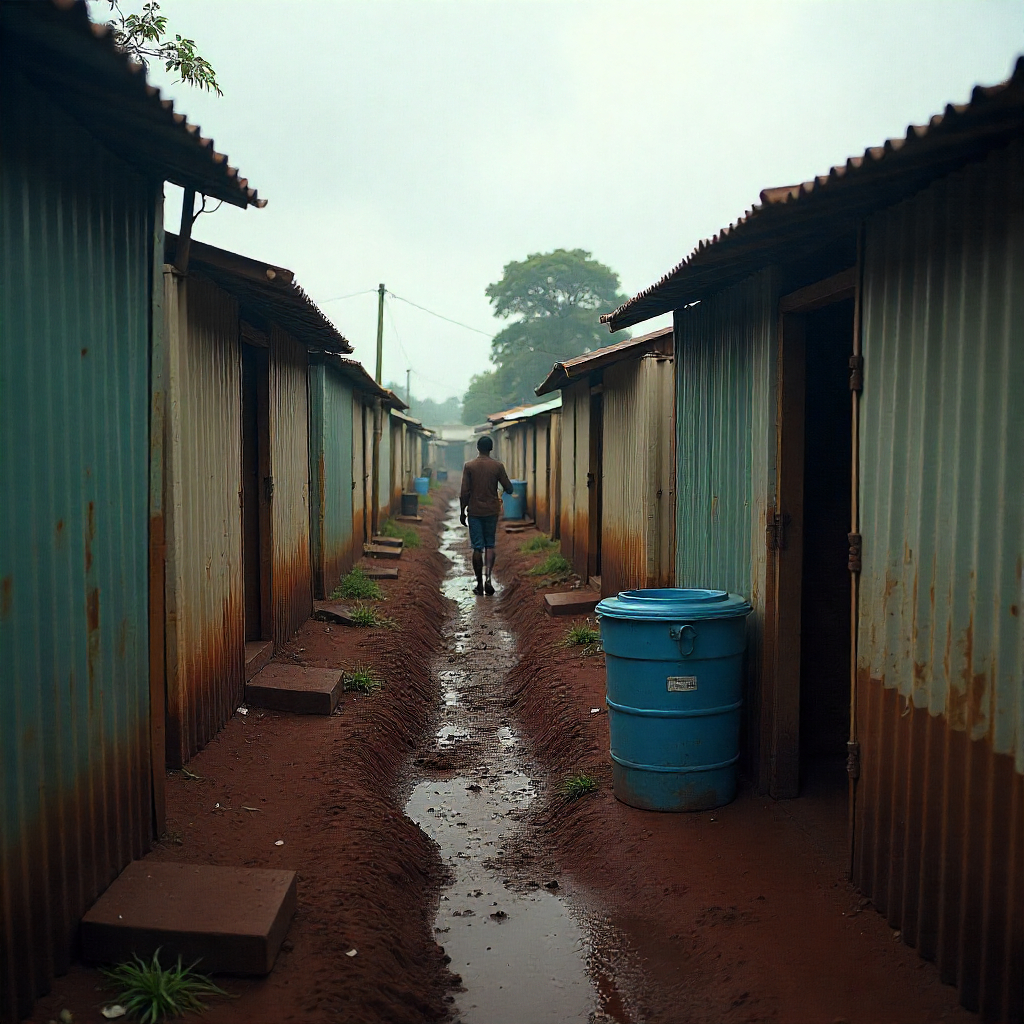
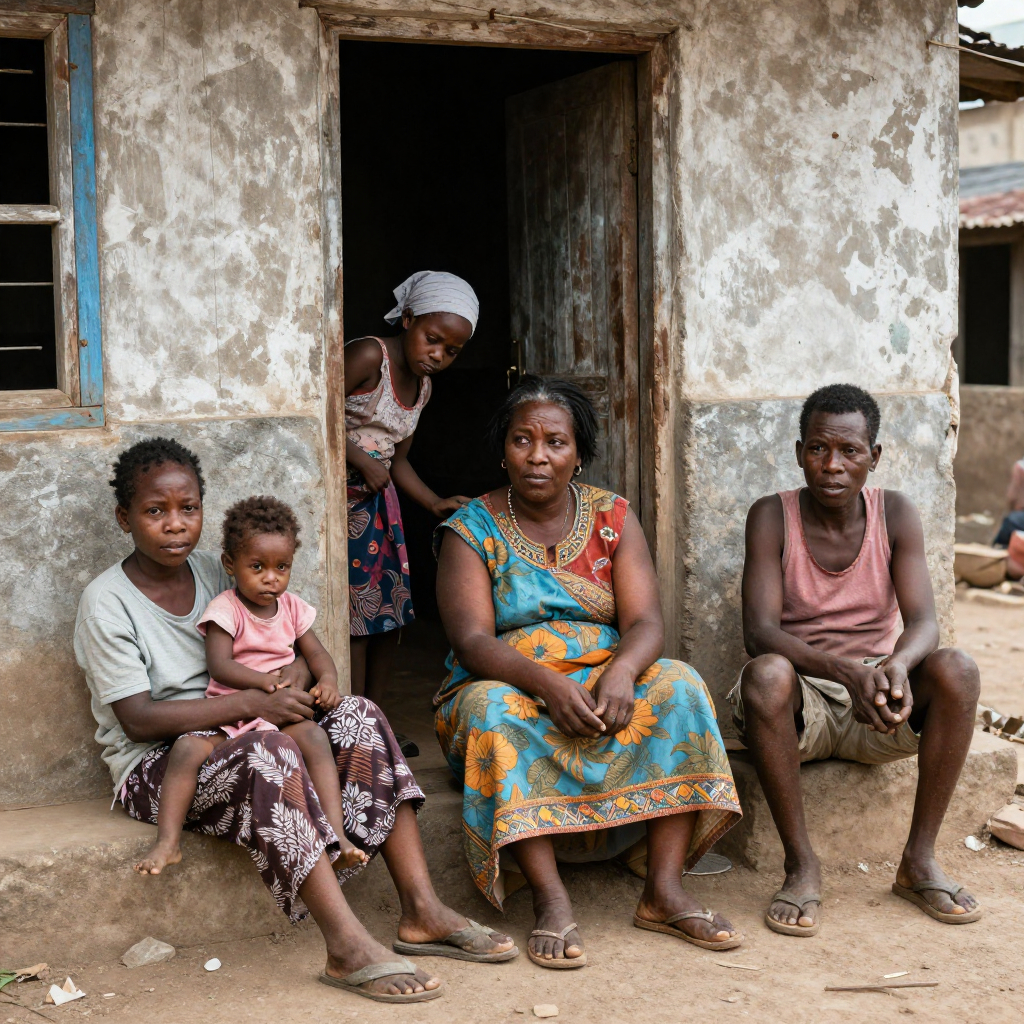
How Does Overcrowded Housing in Informal Settlements Impact Migrant Health Outcomes?

How Overcrowded Housing in Informal Settlements Impacts Migrant Health Outcomes in South Africa Infectious Disease Transmission • Mental Health • Maternal & Child Health 1. Introduction: When a Home Becomes a Health Risk In March 2024, “Amina,” a 28-year-old Somali woman living in Cape Town’s Philippi settlement, shared a simple worry: “At night we sleep […]

How Does Overcrowded Housing in Informal Settlements Impact Migrant Health Outcomes? Read More »
migrant children South Africa, childhood immunisation, vaccine coverage, undocumented children, foreign nationals, public health, national immunisation program, vaccination barriers, healthcare access, xenophobia, informal settlements, mobile clinics, maternal and child health, health equity, vaccine-preventable diseases, measles vaccination, polio vaccination, pertussis vaccination, immunisation policy, South African health policy, Health Justice Initiative, SAPA statement, refugee children, asylum seekers, social determinants of health, healthcare inequality, catch-up immunisation, service delivery gaps, community health programs, migrant health research, health system capacity, clinic accessibility, language barriers, structural barriers, public health interventions, herd immunity, ethical health access, human rights, UN Convention on the Rights of the Child, provincial health departments, integrated child services, outreach vaccination programs, migration-disaggregated data, health policy recommendations, vulnerable populations, South African Department of Health, HIV testing, TB screening, healthcare trust, anti-migrant sentiment, health system governance, immunisation uptake, vaccine stock-outs.

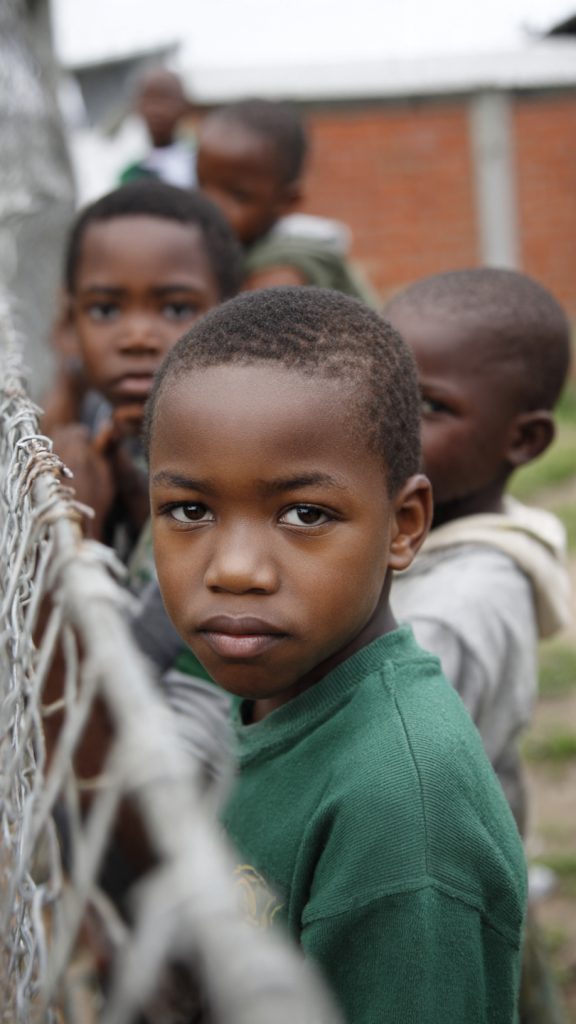
Are Migrant Children in South Africa Falling Through the Cracks of National Immunization Programs?

Migrant Children and Immunisation Gaps in South Africa Opening: a worrying real-world snapshot When one thinks of immunisation in South Africa, the assumption is often that children — whoever they are — receive vaccines via the state’s well-established immunisation schedule. But for many migrant children, especially those whose parents are foreign nationals or undocumented, reality

Are Migrant Children in South Africa Falling Through the Cracks of National Immunization Programs? Read More »

xenophobia, medical xenophobia, healthcare access, African migrants, South Africa, public clinics, migrant health, undocumented migrants, refugees, asylum seekers, migrant rights, health disparities, HIV, TB, maternal health, child health, health policy, National Health Act, Refugees Act, inclusive healthcare, cultural competence, discrimination, patient rights, health system barriers, migrant-sensitive care, public health, Gauteng, Johannesburg, Tshwane, KwaZulu-Natal, NGO interventions, civil society, Operation Dudula, migrant-led organizations, health equity, chronic disease management, access to care, health outcomes, policy implementation, social determinants of health, vulnerable populations, intersectionality, gender, documentation status, health ethics, health reform, NDoH guidelines, healthcare training, health monitoring, community support, case studies, evidence-based recommendations, continuity of care, migrant advocacy, health integration

The Impact of Xenophobia on Healthcare Utilization Among African Migrants in South African Public Clinics

The Invisible Barrier: How Xenophobia Undermines Health Access for African Migrants in South Africa In June 2025, a 32‑year-old female migrant from Zimbabwe — let us call her Amina — arrived at a busy public clinic in Johannesburg with fever and persistent cough. Clinic staff demanded identification and proof of documentation. When Amina could not produce

The Impact of Xenophobia on Healthcare Utilization Among African Migrants in South African Public Clinics Read More »

Maternal health, Child health, Mozambican migrants, South Africa, Border communities, Migrant women, Antenatal care, Postnatal care, Immunisation, Child mortality, Maternal mortality, Migration health, Refugees, Undocumented migrants, Health disparities, Health equity, Rural health, Urban health, Health access, Health policy, Health system, Primary healthcare, Skilled birth attendance, Nutrition, Anaemia, Non-communicable diseases, PMTCT, HIV, Poverty, Social determinants of health, Legal rights, Health financing, Healthcare barriers, Cultural competence, Community health workers, NGO interventions, Civil society, Health inclusion, Migration-sensitive data, Cross-border health, Health outcomes, Policy recommendations, Healthcare accessibility, Public health, Human rights, Health inequities, Health surveillance, Mobile populations, Healthcare utilisation

Maternal and Child Health Outcomes Among Mozambican Migrant Women in Border Communities

Maternal and Child Health Among Mozambican Migrants in Border Communities Opening: A Border Story, A Human Cost In a rural border community in northeastern South Africa — home to many former refugees and migrants from Mozambique — 4‑year-old Maria* died of a preventable illness after missing her routine immunisation. Her mother, a Mozambican migrant, lacked

Maternal and Child Health Outcomes Among Mozambican Migrant Women in Border Communities Read More »

remittances, Zimbabwe remittances, Mozambique remittances, Malawi remittances, economic impact of remittances, migrant remittances, South Africa SADC migration, migration health, migrant households, household welfare, financial inclusion, digital remittance platforms, diaspora investment, health financing, social protection, migrant workers, informal remittance channels, cross-border remittances, remittance policy, development finance, migrant health outcomes, HIV care, TB treatment, maternal health, child health, health systems strengthening, South African migration policy, household resilience, remittance-driven development, SADC remittance flows, low-cost remittance transfers, remittance-linked insurance, diaspora bonds, rural household support, financial literacy, migrant vulnerability, health system gaps, remittance data, economic development, structural investment, remittance utilization, migrant documentation status, informal economy, consumption support, human capital, small business investment, migration corridors, remittance trends

What Economic Impact Do Remittances Have on Development in Zimbabwe, Mozambique and Malawi?

Remittances: A Vital Lifeline In southern Africa, remittances—money sent home by migrants—play a critical role in household survival. Zimbabwe received over US$1 billion in remittances in 2020, representing more than 10% of GDP, rising to 11.7% in 2023 (Trading Economics). These flows help families cover food, school fees, and healthcare. Yet, remittances often fail to

What Economic Impact Do Remittances Have on Development in Zimbabwe, Mozambique and Malawi? Read More »

COVID-19, South Africa, border controls, regional migration, migration health, health policy, public health, migrant healthcare, undocumented migrants, border closures, Southern Africa, Zimbabwe, Mozambique, Lesotho, healthcare access, mental health, Border Management Authority, refugee health, asylum seekers, community health workers, Johannesburg, Cape Town, Durban, informal sector, agricultural workers, seasonal migration, cross-border health, health systems, migration patterns, deportation, documentation status, health screening, quarantine protocols, PCR testing, healthcare barriers, traditional healers, occupational health, transport workers, port cities, economic migration, family separation, remittances, informal trading, unaccompanied minors, tuberculosis, maternal mortality, reproductive health, gender-based violence, elderly migrants, child health, immunizations, digital health, telemedicine, WhatsApp health services, mobile health units, contact tracing, health surveillance, epidemiological data, health information systems, migration health governance, policy evaluation, stakeholder engagement, civil society organizations, NGOs, human rights, xenophobia, health equity, universal health coverage, health security, pandemic response, lockdown, state of disaster, repatriation, legal limbo, visa requirements, critical skills visa, embassy services, deportation fears, health facility attendance, chronic conditions, infectious diseases, disease transmission, mental health crisis, depression, anxiety, domestic violence, substance abuse, suicide, psychological trauma, social protection, community organizations, health cooperation, SADC, bilateral agreements, health integration, telehealth, cultural competency, linguistic barriers, health literacy, preventive care, emergency healthcare, primary healthcare, specialist services, hospital networks, provincial health departments, Department of Health, Department of Home Affairs, health budgets, cost-effectiveness, implementation timelines, policy recommendations, evidence-based interventions, best practices, research gaps, data collection, surveillance systems, participatory research, longitudinal studies, randomized controlled trials, policy impact assessment, intersectional analysis, vulnerability assessment, ethical considerations, human dignity, social determinants of health, health disparities, marginalized populations, hidden populations, respondent-driven sampling, mixed methods research, qualitative research, quantitative analysis, statistical significance, public health emergency, health emergency preparedness, resilience building, health system strengthening

The Impact of COVID-19 on South African Border Controls and Regional Migration Patterns: A Health Policy Perspective

 COVID-19 Migration in South Africa Introduction: Borders as Barriers to Health On 15 March 2020, President Cyril Ramaphosa declared a national state of disaster. Overnight, borders closed to all but goods and citizen repatriation, reshaping migration across Southern Africa. Maria*, a Mozambican domestic worker in Johannesburg, suddenly faced losing her job if she returned home,

The Impact of COVID-19 on South African Border Controls and Regional Migration Patterns: A Health Policy Perspective Read More »

South Africa, refugee health, asylum seekers, healthcare access, migration health, health policy, refugee integration, asylum system, healthcare barriers, documentation status, Section 22 permits, refugee protection, health systems, public health, mental health, trauma-informed care, xenophobia, medical discrimination, language barriers, cultural competency, healthcare providers, emergency care, chronic disease management, maternal health, HIV testing, tuberculosis treatment, community health workers, mobile clinics, telemedicine, digital health, multilingual services, legal aid, human rights, constitutional rights, Refugees Act 130, National Health Insurance, universal health coverage, health equity, vulnerable populations, forced migration, displaced persons, UNHCR, NGO partnerships, integrated service delivery, trauma recovery, PTSD, depression, anxiety, gender-based violence, reproductive health, prenatal care, immunizations, infectious diseases, non-communicable diseases, diabetes, hypertension, medication adherence, treatment completion, healthcare utilization, patient satisfaction, health outcomes, public health emergency, temporal vulnerability, legal limbo, permit renewals, bureaucratic barriers, administrative delays, asylum backlog, Johannesburg, Cape Town, Durban, urban health, community-based interventions, peer support, cultural mediators, interpretation services, healthcare workforce, training programs, policy implementation, health system strengthening, regional cooperation, SADC, evidence-based practice, longitudinal studies, surveillance systems, research gaps, intersectional analysis, age-specific care, gender-responsive approaches, nationality factors, Somali refugees, Congolese refugees, Burundian refugees, Ethiopian refugees, francophone populations, emergency departments, primary healthcare, preventive care, cost-effectiveness, sustainability, scalability, innovation, technology solutions, mobile health apps, electronic permits, stakeholder engagement, multi-sectoral collaboration, advocacy, social determinants of health, health disparities, access to care, quality of care, continuity of care, patient safety, cultural sensitivity, ethical considerations, human dignity, social justice, health rights, policy reform, system integration, capacity building, resource allocation, funding mechanisms, international cooperation, best practices, lessons learned, case studies, empirical evidence, statistical analysis, comparative research, implementation science, health economics, migration patterns, demographic data, epidemiological surveillance, disease prevention, health promotion, community engagement, participatory approaches, empowerment, resilience building, social cohesion, xenophobic violence, safety concerns, geographic barriers, urban concentration, service accessibility, transport challenges, appointment scheduling, waiting times, emergency services, specialist care, referral pathways, care coordination, multidisciplinary teams, holistic approaches, person-centered care, family support, child health, elderly care, disability inclusion, LGBTI+ refugees, unaccompanied minors, survivors of torture, trafficking victims, stateless persons, mixed migration flows, economic migrants, irregular migrants, deportation fears, voluntary repatriation, local integration, resettlement, durable solutions

South Africa’s Refugee and Asylum System: Processing, Integration and Support Mechanisms Through a Health Policy Lens

A Crisis at the Intersection of Migration and Health The Human Cost of System Failure In the corridors of Charlotte Maxeke Johannesburg Academic Hospital, Dr. Sarah Ndlovu encounters a familiar struggle. A 34-year-old asylum seeker from the Democratic Republic of Congo sits before her. She carries her pregnancy at seven months. However, she holds only

South Africa’s Refugee and Asylum System: Processing, Integration and Support Mechanisms Through a Health Policy Lens Read More »

migration health, urban planning, South Africa, healthcare access, informal settlements, health infrastructure, health policy, internal migration, cross-border migration, urbanization, health equity, migrant health services, primary healthcare, community health workers, mobile health units, health system strengthening, National Health Insurance, NHI, universal health coverage, healthcare utilization, health disparities, climate migration, refugee health, asylum seekers, undocumented migrants, healthcare barriers, documentation status, language barriers, cultural competency, intersectional health, gender health disparities, maternal health, chronic disease management, mental health services, tuberculosis, HIV/AIDS, non-communicable diseases, health outcomes, healthcare providers, health facilities, clinic access, emergency healthcare, preventive care, health promotion, health education, telemedicine, digital health, health technology, healthcare costs, cost-effectiveness, health economics, health financing, health insurance, public health, population health, epidemiology, health surveillance, health data, health information systems, health monitoring, health evaluation, social determinants of health, housing health, water sanitation, environmental health, occupational health, school health, elder health, child health, adolescent health, reproductive health, family planning, immunization, health screening, health literacy, health communication, health advocacy, health rights, constitutional health rights, health law, health governance, health leadership, health management, health administration, health planning, health implementation, health coordination, intersectoral collaboration, health partnerships, NGO health programs, community-based health, participatory health, health research, health evidence, health innovation, health solutions, health interventions, health programs, health services delivery, health quality, patient satisfaction, healthcare workforce, health training, health capacity building, health sustainability, health resilience, urban health, metropolitan health, municipal health, provincial health, regional health, SADC health cooperation, African health systems, developing country health, middle-income country health, health development, health cooperation, health diplomacy, health security, health emergency preparedness, health system adaptation, health transformation, health reform, health modernization

Urban Planning and Migration: Infrastructure Challenges in South African Cities – A Health Policy Analysis

Migration Health in South African Cities Addressing the Critical Intersection of Urbanization, Migration, and Public Health in Post-Apartheid South Africa Introduction: The Convergence of Crisis and Opportunity In Alexandra Township, Johannesburg, 22-year-old Nomsa* (name changed) recently moved from rural Limpopo to seek employment opportunities. Like thousands of other internal migrants, she settled in an informal

Urban Planning and Migration: Infrastructure Challenges in South African Cities – A Health Policy Analysis Read More »