
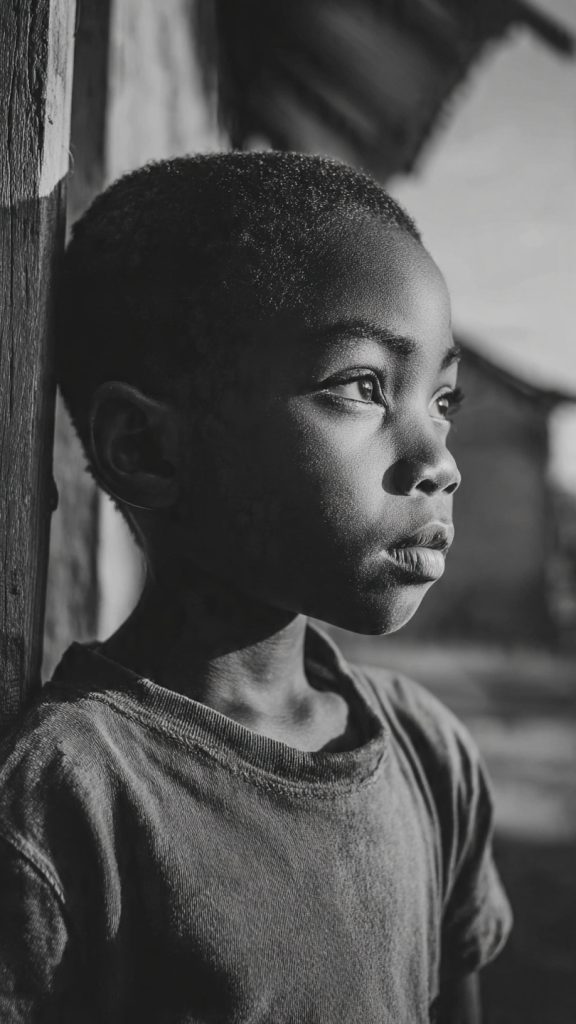
A Growing Population, Persistent Protection Gaps
Across Southern Africa, migrant children face growing risks. The United Nations Children’s Fund estimates that millions of children move across borders each year due to economic hardship, conflict, climate shocks, and family reunification. In the Southern African Development Community (SADC) region, children migrate from countries such as Zimbabwe, Mozambique, Democratic Republic of the Congo, and Malawi in search of safety and opportunity. Many eventually settle in urban centers like Johannesburg, Cape Town, and Durban.
However, migration often exposes children to new vulnerabilities. Many lack documentation. Others face xenophobia, unsafe housing, and barriers to healthcare or education. Governments struggle to address these challenges alone. As a result, NGOs and civil society organizations play a crucial role in protecting migrant children.
This article examines how NGOs and civil society protect migrant children across Southern Africa. It analyzes policy gaps, presents evidence from South African cities, and highlights successful community initiatives. Finally, it proposes actionable policy solutions.
Migrant Children in Southern Africa: Key Risks and Vulnerabilities
Migration in Southern Africa has increased in recent years. The International Organization for Migration reported in 2023 that economic instability, climate shocks, and political crises continue to drive migration within the region.
Children face several overlapping risks:
1. Documentation Barriers
Many migrant children lack birth certificates or legal identity documents. Without documentation, they struggle to access schooling and healthcare.
2. Xenophobia and Social Exclusion
Anti-migrant sentiment remains a serious concern in parts of South Africa. Violent outbreaks have periodically targeted migrant communities.
One widely documented example occurred during the 2008 Xenophobic Attacks in South Africa. Migrant families lost homes and livelihoods. Children experienced trauma and school disruptions.
3. Limited Access to Healthcare
Despite progressive policies, implementation gaps remain. South Africa’s public health system often requires documentation, which migrant families cannot provide.
The World Health Organization warns that undocumented migrant children face higher risks of untreated illness, malnutrition, and mental health distress.
4. Housing and Urban Poverty
Many migrant families live in informal settlements in cities like Johannesburg and Durban. Overcrowded housing increases disease transmission and safety risks for children.
Policy Frameworks Protecting Migrant Children
Several regional and national frameworks aim to protect migrant children.
Regional Commitments
SADC countries commit to child protection through regional agreements. These include frameworks aligned with the African Union child rights agenda.
A key instrument is the African Charter on the Rights and Welfare of the Child. It guarantees protection regardless of nationality or immigration status.
South African Policy Frameworks
South Africa has relatively strong legal protections. Important policies include:
-
The Children’s Act 38 of 2005
-
The National Health Act
-
The Refugees Act 130 of 1998
-
The Immigration Act 13 of 2002
These laws affirm children’s rights to basic services. They also emphasize non-discrimination.
However, implementation challenges persist. Frontline officials often misinterpret policies. Administrative barriers limit access to services.
Consequently, NGOs frequently step in to fill the gaps.
The Critical Role of NGOs and Civil Society
NGOs and civil society organizations act as frontline defenders of migrant children’s rights. Their work spans service delivery, advocacy, legal support, and community empowerment.
Legal Protection and Documentation Support
Legal NGOs help migrant families navigate complex documentation processes.
Organizations such as Lawyers for Human Rights provide legal assistance to undocumented migrants. They challenge unlawful detention and support birth registration cases.
Similarly, the Scalabrini Centre of Cape Town helps migrants access legal advice and social services.
These interventions directly protect migrant children from statelessness and exclusion.
Healthcare Access Programs
Civil society organizations also improve healthcare access.
For example, Médecins Sans Frontières has implemented programs targeting migrant populations in urban areas. These programs focus on:
-
HIV and TB treatment
-
maternal and child health services
-
mental health support
Such initiatives help migrant children access healthcare regardless of documentation status.
Education and Child Protection Services
Many NGOs focus on education and psychosocial support.
Organizations like Save the Children operate programs that help migrant children enroll in schools and access safe learning environments.
Other groups provide child protection services. They identify unaccompanied minors and connect them with social services.
These interventions reduce exploitation risks and improve long-term outcomes.
Evidence from Major South African Cities
Urban areas host the largest migrant populations. NGOs therefore concentrate their work in major cities.
Johannesburg
Johannesburg hosts one of the largest migrant populations in Southern Africa.
NGOs in the city support undocumented children through legal aid and community health programs. Many operate in high-density neighborhoods such as Hillbrow and Yeoville.
Research shows that NGO-supported clinics significantly improve access to HIV treatment for migrant youth.
Cape Town
In Cape Town, civil society organizations focus on education and integration.
The Scalabrini Centre of Cape Town runs youth empowerment programs and legal clinics. These services help migrant children navigate the school system and access social support.
Durban
Durban serves as a key migration hub in KwaZulu-Natal. Migrants arrive from neighboring countries and settle in urban townships and informal settlements.
Local NGOs collaborate with municipal health departments to provide outreach services. These programs target migrant children who lack documentation or health insurance.
Case Studies from Civil Society Programs
Case Study 1: Documentation Support for Zimbabwean Children
A civil society coalition in Johannesburg helped undocumented families register their children’s births.
Legal advocates worked with the Department of Home Affairs to process delayed birth registrations.
Within two years, hundreds of migrant children received identity documents. This allowed them to enroll in school.
Case Study 2: Community Health Outreach in Cape Town
A community health initiative in Cape Town focused on migrant mothers and children.
NGO outreach teams conducted health screenings in migrant neighborhoods. They referred children with TB symptoms to public clinics.
The program increased early diagnosis and treatment.
Case Study 3: Safe Spaces for Migrant Youth
A youth protection project in Durban created safe spaces for migrant adolescents.
The program offered tutoring, counseling, and legal information. It also addressed gender-based violence risks among migrant girls.
Community leaders reported reduced school dropout rates.
Policy Gaps and Implementation Challenges
Despite progress, several challenges persist.
Limited Coordination
Government agencies and NGOs often operate in parallel. Weak coordination reduces program effectiveness.
Funding Instability
Many NGO programs rely on donor funding. Financial uncertainty disrupts long-term interventions.
Data Gaps
Reliable data on migrant children remains scarce. Policymakers lack accurate information for planning services.
Persistent Xenophobia
Anti-migrant attitudes continue to undermine protection efforts. Migrant children often experience discrimination in schools and communities.
Innovative Solutions Emerging Across the Region
Several promising strategies are improving migrant child protection.
Community Health Worker Programs
Community health workers from migrant communities help bridge language and cultural barriers.
These programs increase trust between migrants and healthcare systems.
Mobile Legal Clinics
Mobile legal services bring documentation assistance directly to migrant communities.
This approach reduces travel costs and administrative barriers.
Digital Identity Systems
Some countries are exploring digital birth registration systems. These systems simplify documentation for migrant children.
Policy Recommendations
Strengthening protection for migrant children requires coordinated action.
Short-Term Actions (1–2 Years)
-
Expand legal aid services for undocumented families.
-
Train frontline healthcare workers on migrant rights.
-
Improve birth registration outreach in migrant communities.
Medium-Term Actions (3–5 Years)
-
Establish national coordination platforms linking government and civil society.
-
Integrate migrant health data into national surveillance systems.
-
Expand funding for community-based child protection programs.
Long-Term Structural Reforms (5–10 Years)
-
Harmonize migration and child protection policies across the SADC region.
-
Develop regional data-sharing systems on migrant children.
-
Strengthen cross-border cooperation on child protection.
Research Gaps in Migration and Child Health
Despite growing attention, research gaps remain.
Few studies examine long-term health outcomes for migrant children in Southern Africa. Data on mental health and gender-based violence also remains limited.
More interdisciplinary research is needed. Studies should combine public health, migration policy, and child protection perspectives.
Conclusion: A Collective Responsibility
Migrant children represent one of the most vulnerable populations in Southern Africa. Legal frameworks exist, but implementation gaps persist.
NGOs and civil society organizations fill critical gaps. They provide legal support, healthcare access, and educational opportunities. They also advocate for policy reform.
However, NGOs cannot work alone. Governments, international organizations, and local communities must collaborate.
Protecting migrant children requires sustained investment, inclusive policies, and stronger regional cooperation.
If stakeholders act collectively, Southern Africa can build a protection system that ensures every child—regardless of nationality—has access to safety, health, and opportunity.
References
-
United Nations Children’s Fund (2023). Child Migration Report.
-
International Organization for Migration (2023). Migration Trends in Southern Africa.
-
World Health Organization (2022). Migration and Child Health.
-
Save the Children (2023). Protecting Migrant Children in Africa.
-
Médecins Sans Frontières (2022). Urban Migration Health Programs.
-
Scalabrini Centre of Cape Town (2023). Annual Report.
-
Lawyers for Human Rights (2022). Migrant Rights Documentation Cases.
-
Statistics South Africa (2023). Migration Data Reports.
-
African Union (2022). Child Protection Frameworks.
-
Southern African Development Community (2022). Migration Policy Review.
Recent Posts:
- Best Practices in SADC: Countries Leading in Migrant Child Protection Policies
- Climate-Induced Migration and Child Protection in SADC: Emerging Challenges
- Migrant Children in Detention: SADC Practices and Alternatives to Immigration Detention
- Family Separation and Reunification: Protecting Migrant Children’s Right to Family Unity
- Birth Registration and Identity Documentation for Migrant Children in SADC