
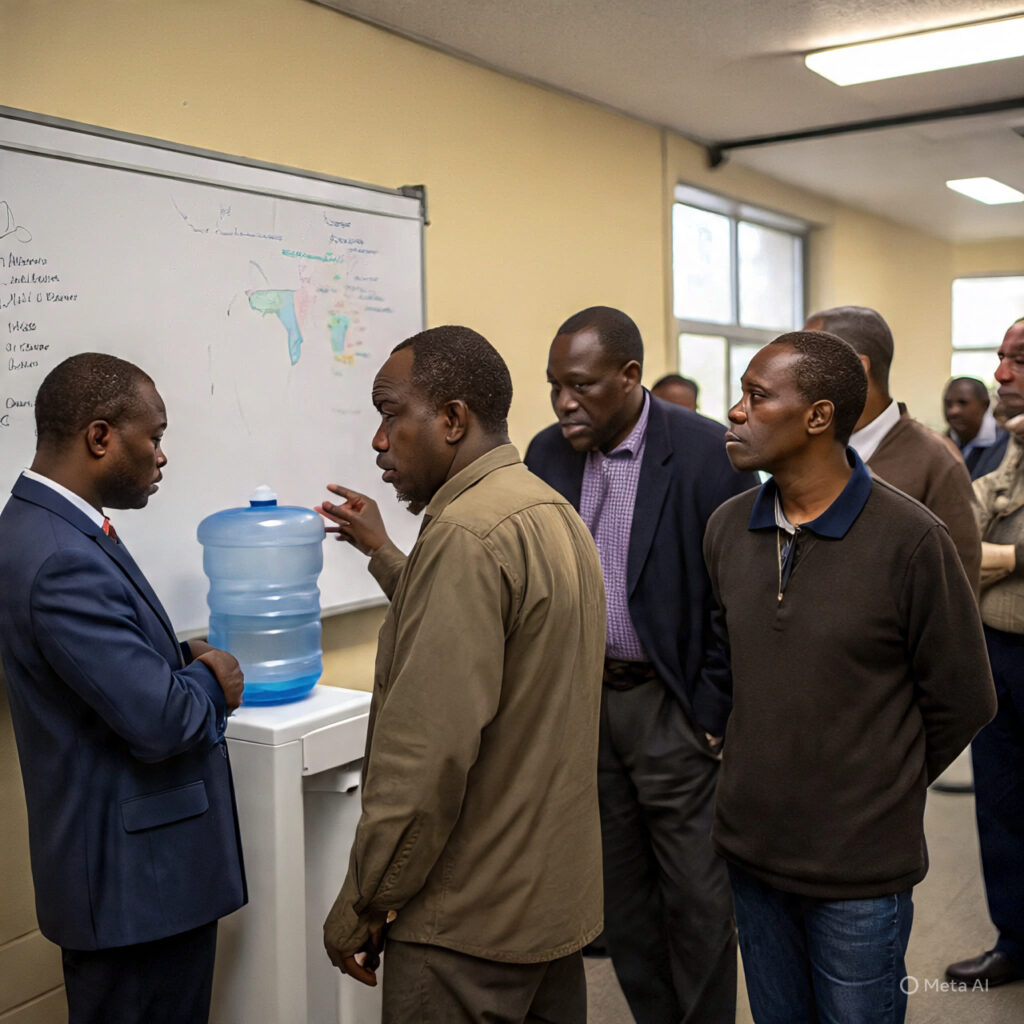
Xenophobia in South African Workplaces
Introduction: Fear at Work – The Hidden Cost of Xenophobia
In South Africa, workplaces should be spaces of safety, dignity, and opportunity. Yet many African migrant laborers experience fear and exclusion instead. According to a recent report on xenophobic discrimination in South Africa (2022–2024), xenophobic incidents—including workplace-related discrimination—remain widespread.¹
In Gauteng and the Western Cape, migrants report verbal harassment, exclusion, and threats tied to nationality. Such experiences damage mental health, destabilize income, and erode trust in institutions. Consequently, xenophobia in the workplace not only violates human rights but also undermines economic stability.
This post examines how workplace xenophobia affects the human rights, safety, and well-being of migrant laborers. It draws on policy documents, empirical data (2020–2025), anonymized case studies, and perspectives from migrants, NGOs, and authorities. Finally, it proposes concrete policy recommendations with actionable timelines.
Legal Framework: Rights vs. Implementation
Strong Protections on Paper
South Africa’s Constitution (1996) guarantees equality, dignity, and protection from discrimination for everyone, not only citizens. The Labour Relations Act (LRA), Basic Conditions of Employment Act (BCEA), and Occupational Health and Safety Act (OHSA) extend protections to all workers. Furthermore, the Employment Equity Act (EEA) forbids unfair discrimination, including on the basis of nationality.²
The National Labour Migration Policy (2021) affirms that migrant workers should not face unequal treatment in employment.³ In addition, South Africa has ratified ILO fundamental conventions and selected technical conventions relevant to labor migration. These frameworks collectively provide a robust legal foundation to safeguard migrant laborers’ rights.
Gaps in Enforcement
Despite these protections, enforcement remains inconsistent. The Department of Employment and Labour’s (DEL) Compliance Report (2023/24) indicated that nearly 30% of inspected workplaces were non-compliant.⁴ Labor inspectors seldom reach small employers, farms, domestic settings, or informal workplaces, which are often heavily staffed by migrants.
Moreover, migrants frequently lack awareness of their rights or fear retaliation, deportation, or job loss if they lodge complaints. Documentation barriers compound these vulnerabilities, allowing employers to exploit irregular status for economic gain. Therefore, legal protections exist but fail to reach the most vulnerable populations effectively.
Xenophobia in the Workplace: Forms and Manifestations
Everyday Discrimination
Migrant workers often experience exclusion from promotions, union membership, or workplace committees. Additionally, they are assigned higher-risk tasks, denied breaks, and pressured to accept below-minimum pay. For example, in Ekurhuleni, Wits University’s Migration and Health Project found migrants routinely allocated hazardous machinery roles without adequate protective gear.⁵
Language and cultural prejudice also intensify discrimination. Employers and coworkers sometimes refer to migrants as “cheap labor” or “job stealers,” fostering tension and isolation in mixed-nationality teams.
Physical and Psychological Harm
Xenophobic behavior occasionally escalates to violence. The Consortium for Refugees and Migrants in South Africa (CoRMSA) documented at least 37 workplace-related xenophobic incidents between 2020 and 2024, ranging from assaults to forced evictions from staff housing.¹
Such experiences contribute to chronic stress, anxiety, and depression. The South African Depression and Anxiety Group (SADAG, 2023) found that migrant workers facing xenophobic hostility were twice as likely to exhibit PTSD symptoms compared to local workers. Furthermore, fear of retaliation often prevents victims from reporting abuse, allowing discriminatory practices to persist.
Gendered Dimensions
Women migrants face intersecting vulnerabilities. In domestic and hospitality sectors, employers sometimes use xenophobic stereotypes to justify harassment or exploitative conditions. A 2022 study by the ILO and UN Women found that female migrants from Zimbabwe and Malawi earned up to 40% less than South African counterparts and experienced higher rates of sexual harassment.⁶
These gendered power dynamics make reporting abuse or accessing legal recourse particularly challenging, highlighting the need for intersectional policy approaches.
Human Rights and Safety Consequences
Erosion of Dignity and Equality
Xenophobia directly undermines constitutional rights, including equality and dignity. The South African Human Rights Commission (SAHRC) repeatedly warns that workplace discrimination against migrants erodes democratic principles. Yet systemic neglect and bureaucratic barriers leave many cases unaddressed.
Occupational Health and Safety Risks
Migrant workers frequently face unsafe conditions. In construction and mining, they often lack safety training or insurance coverage. According to DEL, over 30% of workplace injuries in informal construction sites involved non-South African workers.⁷ Many are excluded from COIDA or employer-provided health coverage, leaving them vulnerable after accidents.
Economic Insecurity and Social Exclusion
Discriminatory hiring and pay practices exacerbate poverty. Migrants often accept lower wages to retain employment. Additionally, xenophobia reinforces cycles of dependence on exploitative employers. A Malawian cleaner in Durban explained:
“They know we have no papers, so they pay what they want. You can’t complain.”⁸
Economic vulnerability, combined with social exclusion, creates a workforce that remains largely invisible and unprotected.
Empirical Evidence from Major Cities
Gauteng
Johannesburg’s manufacturing and service sectors employ thousands of migrants, particularly from Zimbabwe, Mozambique, and Malawi. The ACMS report indicates that 52% of migrant employees reported workplace discrimination in 2023.¹
Western Cape
In Cape Town’s hospitality and agricultural industries, migrants face wage theft, unsafe housing, and verbal abuse. NGOs like the Scalabrini Centre highlight systemic challenges in the wine farm sector.
KwaZulu-Natal
Durban’s informal economy relies heavily on migrant vendors and service workers. Xenophobic violence in 2021 and 2023 displaced hundreds of migrants, resulting in job loss and heightened insecurity.
These city-specific examples illustrate that workplace xenophobia is widespread, affecting both formal and informal sectors across provinces.
Case Studies: Human Stories
James – Zimbabwean Construction Worker, Johannesburg
James held valid asylum papers when employed at a Midrand construction site. Local coworkers mocked him as a “foreigner.” After a scaffolding accident in 2023, the foreman refused his compensation claim, claiming “foreigners don’t qualify.” James lost income for three months and never received medical aid.
Esther – Malawian Domestic Worker, Cape Town
During COVID-19 lockdowns, Esther was dismissed without pay. When she approached DEL, officials claimed she was ineligible because she lacked a valid work permit. NGOs later helped her recover partial wages.
Amadou – Senegalese Security Guard, Durban
Amadou faced verbal abuse and reduced shifts once his refugee status was discovered. Fear of retaliation prevented him from reporting discrimination.
These cases underscore how fear, exploitation, and systemic gaps intersect to silence migrant workers.
Policy Gaps and Structural Challenges
-
Weak enforcement: Labor inspections rarely cover small or informal workplaces.
-
Fragmented coordination: Ministries of labor, immigration, and human rights operate in silos.
-
Documentation barriers: Many migrants cannot regularize their status quickly.
-
Limited access to justice: Language barriers and fear prevent complaint filing.
-
Public sentiment and misinformation: Anti-immigrant narratives legitimize discrimination.
Addressing these gaps requires coordinated policy and practical interventions.
Promising Interventions
Inclusive Workplace Programs
The Solidarity Centre’s “Decent Work for All” project (2023–2025) trains managers to recognize xenophobia, establish grievance procedures, and oversee migrant inclusion.¹¹
Union-Led Advocacy
Unions like COSATU and SAFTU conduct multilingual outreach. In 2024, COSATU’s Johannesburg branch established a migrant workers’ desk offering legal aid and rights education.
NGO Support
Organizations such as Scalabrini Centre, CoRMSA, and Jesuit Refugee Service (JRS) provide paralegal assistance, mediation services, and rights education.
Digital Complaint Platforms
Pilot WhatsApp-based reporting systems in Cape Town and Johannesburg allow migrants to submit issues anonymously and in multiple languages. Early uptake suggests improved access to justice.
Recommendations with Timelines
Government (2025–2028)
-
Strengthen labor inspections: Hire multilingual inspectors; target farms and domestic settings (2025–2026).
-
Update National Labour Migration Policy: Include explicit anti-xenophobia measures (2025).
-
Simplify documentation: Fast-track asylum and work permits (2025–2027).
-
National awareness campaigns: Counter anti-migrant myths via media and civil society (2025–2026).
Employers & Trade Unions
-
Implement anti-xenophobia workplace policies and grievance systems (2025).
-
Offer diversity and human rights training (2025–2026).
-
Encourage migrant union membership to strengthen collective bargaining (2025–2026).
NGOs & Civil Society
-
Expand paralegal clinics and legal literacy programs (2025–2026).
-
Collect disaggregated data on xenophobic labor violations (2025).
-
Build cross-border advocacy networks (2025–2027).
Conclusion
Xenophobia in South African workplaces threatens safety, dignity, and equality. Migrants—especially women, youth, and undocumented workers—face compounding vulnerabilities.
However, coordinated enforcement, inclusive policies, union engagement, and NGO support can mitigate risks. Protecting migrant laborers’ rights is both a constitutional obligation and a moral imperative.
By adopting evidence-based policies, strengthening enforcement, and fostering workplace inclusion, South Africa can ensure that all workers enjoy dignity, safety, and opportunity.