youth migration

remittances, rural farming, migration and food security, Malawi agriculture, Malawian villages, rural livelihoods, smallholder farmers, labor migration, agricultural labor shortages, family farming systems, organic agriculture, agroecology, subsistence farming, crop diversification, soil fertility, seed saving, traditional farming knowledge, women farmers, gender and agriculture, feminization of agriculture, youth migration, transnational households, rural–urban migration, cross-border migration, Southern Africa migration, Malawi–South Africa migration corridor, migrant workers in South Africa, informal labor markets, remittance dependence, household income strategies, food insecurity, nutritional outcomes, dietary diversity, child stunting, maternal nutrition, non-communicable disease risk, public health and nutrition, migration health, social determinants of health, rural health systems, access to healthcare, National Health Insurance South Africa, health policy for migrants, agricultural policy gaps, food systems policy, transnational food systems, rural development policy, social protection, climate vulnerability, climate-smart agriculture, resilience building, community-based agriculture, women-led cooperatives, farmer cooperatives, organic value chains, informal food markets, urban food security, informal produce markets, NGO interventions, community-led solutions, policy integration, SADC migration policy, ethical migration research, vulnerable populations, evidence-based policy, mixed-methods research, qualitative case studies, rural Malawi, Gauteng food systems

Are Remittances Killing Rural Farming? What Malawian Villages Can Teach Us About Migration and Food Security

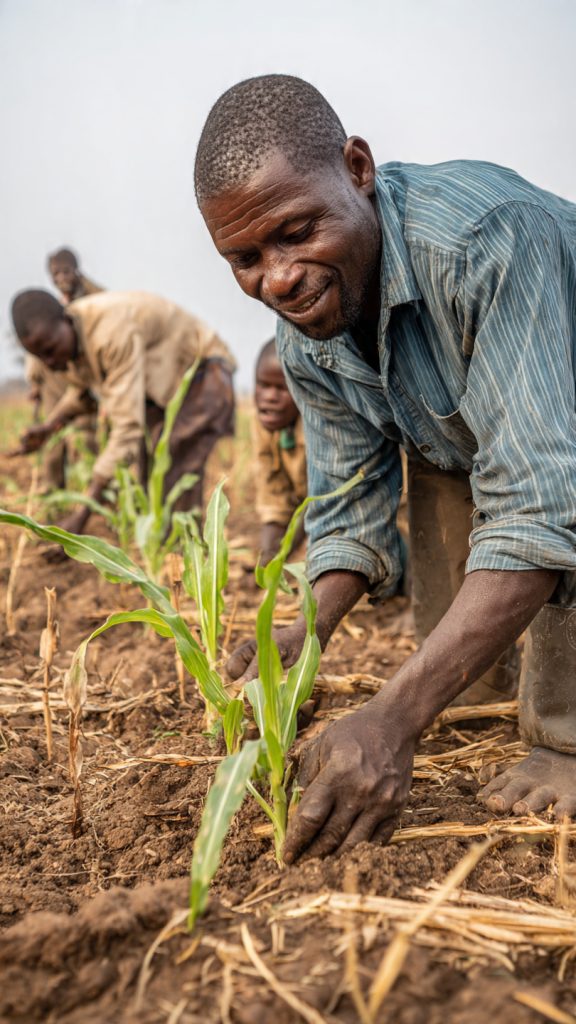
Remittances, Migration, and the Future of Rural Farming When money from the city replaces hands in the soil—and what it means for organic agriculture Introduction: When Cash Arrives but Fields Lie Fallow In 2023, remittances to Malawi exceeded USD 600 million, a figure larger than the national agriculture budget for smallholder support. In villages across […]

Are Remittances Killing Rural Farming? What Malawian Villages Can Teach Us About Migration and Food Security Read More »

Beitbridge border restrictions, SADC migration, North-South Corridor, regional migration patterns, cross-border trade, informal trade, migrant labour, Zimbabwe-South Africa border, border delays, economic impacts, remittances, labour shortages, migrant health, HIV care, TB treatment, mobile health outreach, micro-traders, seasonal labour migration, border management, migration policy, public health, informal economy, migrant vulnerabilities, gender-sensitive migration, labour mobility, regional integration, border control, undocumented migrants, health systems, cross-border corridors, SADC regional economy, trade facilitation, e-permits, migrant worker rights, migration data, health-migration integration, economic inclusion, corridor efficiency.

What Are the Long-Term Economic Effects of Beitbridge Border Restrictions on SADC Regional Migration Patterns?

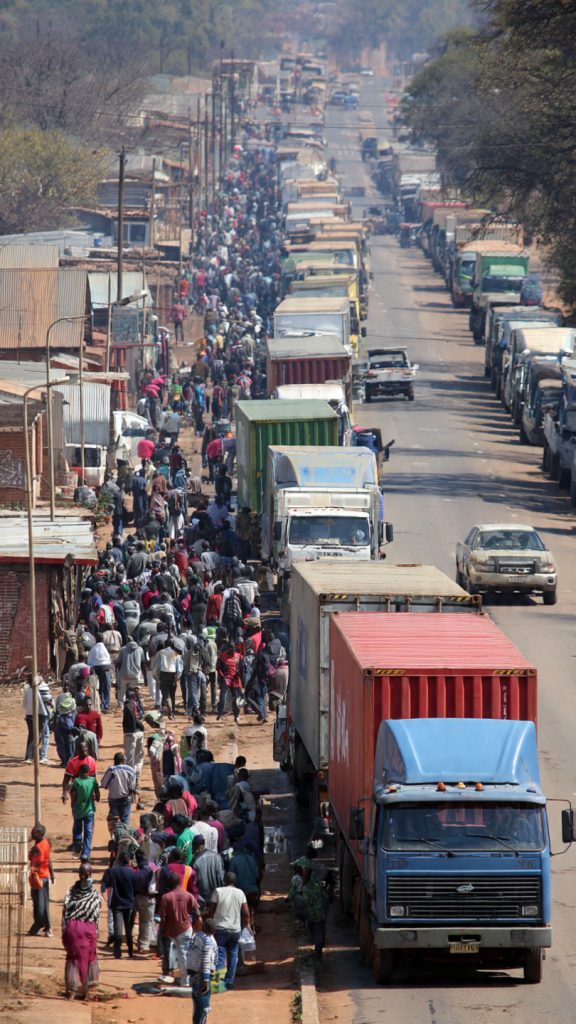
Long-Term Economic Effects of Beitbridge Border Restrictions on SADC Regional Migration Patterns Opening: Beitbridge – A Border Under Strain On 22 December 2021, the Southern African Development Community (SADC) reported that delays at five key border posts along the North-South Corridor—including the Beitbridge Border Post between Zimbabwe and South Africa—cost regional economies roughly R5 billion (US $330 million)

What Are the Long-Term Economic Effects of Beitbridge Border Restrictions on SADC Regional Migration Patterns? Read More »

Southern Africa, climate migration, climate-induced migration, migration health, migrant health, health systems, urban health, rural-to-urban migration, cross-border migration, undocumented migrants, informal settlements, public health, HIV, TB, disease burden, health disparities, vulnerable populations, gender and migration, youth migration, migrant women, health policy, South Africa, Gauteng, Durban, Gqeberha, Mozambique migration, Zimbabwe migration, Malawi migration, climate adaptation, health system preparedness, community health workers, CHW programs, urban planning, disaster risk management, migrant-inclusive policies, xenophobia, intersectionality, social determinants of health, health surveillance, climate-resilient health systems, regional migration policy, SADC, National Labour Migration Policy, mobile health, health equity, migration research, humanitarian response, evidence-based interventions, longitudinal studies, health outcomes, public health planning, emergency response, climate stress, food insecurity, drought displacement, flood displacement, environmental migration, health service access, migration trends, policy recommendations.

What will Southern Africa’s migration landscape look like in 2050 if current climate trends continue, and how should policymakers prepare today?

Southern Africa’s Climate Migration in 2050: Preparing Health Systems Today Opening: A Changing Migration Horizon Imagine Johannesburg, Gauteng Province, in 2050. Urban sprawl is no longer driven solely by economic migration. Increasingly, people move because climate change has destroyed rural livelihoods. Rural communities in Zimbabwe, Malawi, and Mozambique face worsening droughts, failing crops, and water

What will Southern Africa’s migration landscape look like in 2050 if current climate trends continue, and how should policymakers prepare today? Read More »

Karoo, drought, pastoral communities, livestock, rangeland, migration, internal migration, rural-urban migration, Northern Cape, Western Cape, Eastern Cape, South Africa, migration health, drought response, livelihood adaptation, pastoralist relocation, climate stress, destocking, transhumance, circular migration, youth migration, gendered mobility, health access, social protection, informal settlements, mobile clinics, rural development, policy gaps, livelihood diversification, migration policy, drought monitoring, food security, water scarcity, mental health, zoonotic risk, municipal planning, skills training, non-livestock income, remittances, early warning systems, drought-induced migration

How do recurring droughts in the Karoo region affect pastoral communities’ decisions to relocate, and where are they going?

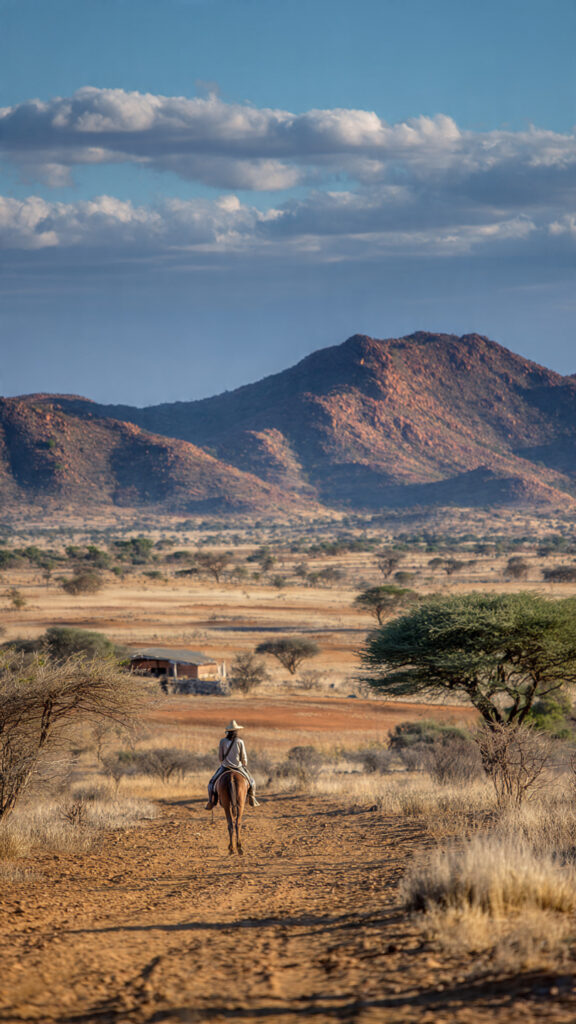
When the Pasture Runs Thin: Drought & Mobility in the Karoo Region Opening: A pastoral crisis in motion In South Africa’s arid heartland, the Karoo stands out. The Central Karoo alone recorded a mere 53 mm rainfall in 2019 and 66 mm in 2020, marking one of its driest stretches in memory. agriorbit.com Over the same period livestock

How do recurring droughts in the Karoo region affect pastoral communities’ decisions to relocate, and where are they going? Read More »