women traders

sorghum, Southern Africa, cross-border trade, forgotten superfood, migration, food security, nutrition, indigenous grains, climate-smart agriculture, urban food systems, migrant farmers, informal trade, rooftop farming, small-scale farming, gender, women traders, Zimbabwean migrants, Mozambican migrants, Malawian migrants, dietary diversity, micronutrient deficiency, drought-resistant crops, school feeding programs, public health, nutrition policy, food corridors, urban agriculture, livelihood, food sovereignty, indigenous knowledge, policy gaps, informal markets, child nutrition, ECD programs, climate resilience, low-input farming, traditional foods, health outcomes, migrant-inclusive programs, food policy, community-based solutions, nutrition security, health equity, local markets, seed circulation, household income, food accessibility, trade regulation, cross-border corridors, sustainable food systems, food innovation, cultural continuity, urban nutrition

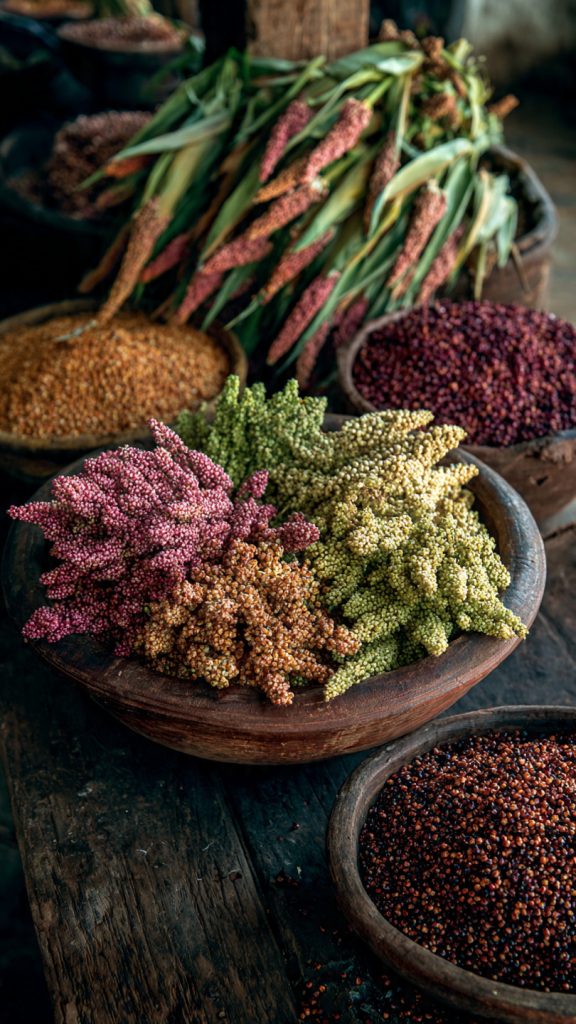
The Sorghum Comeback: How Cross-Border Trade Is Reviving Southern Africa’s Forgotten Superfood

How Cross-Border Trade Is Reviving Sorghum Migration routes are becoming organic grain corridors—here’s why it matters A Quiet Revival Along Southern Africa’s Borders In 2023, South Africa imported over 280,000 tonnes of sorghum, much of it moving informally across borders before entering formal markets.This shift signals more than a trade adjustment. It reflects a nutritional, […]
The Sorghum Comeback: How Cross-Border Trade Is Reviving Southern Africa’s Forgotten Superfood Read More »

labor migration, Southern Africa, kapenta, dried fish trade, Lake Kariba, informal food systems, food security, nutrition security, migrant health, public health, urban health, cross-border trade, informal economy, migrant diets, affordable protein, food systems, migration and health, migration policy, health policy, National Health Insurance South Africa, primary health care access, undocumented migrants, healthcare access barriers, xenophobia, gender and migration, women traders, intersectionality, occupational health risks, food safety, environmental health, informal markets, spaza shops, street vendors, Johannesburg inner city, Cape Town townships, eThekwini informal trade, Gqeberha markets, urban poverty, social networks, remittances and food, circular migration, Southern African Development Community (SADC), regional food systems, NGO interventions, community-led health programs, mobile clinics, policy gaps, governance silos, migrant-inclusive policies, nutrition policy, urban food governance, livelihoods, resilience, public health equity

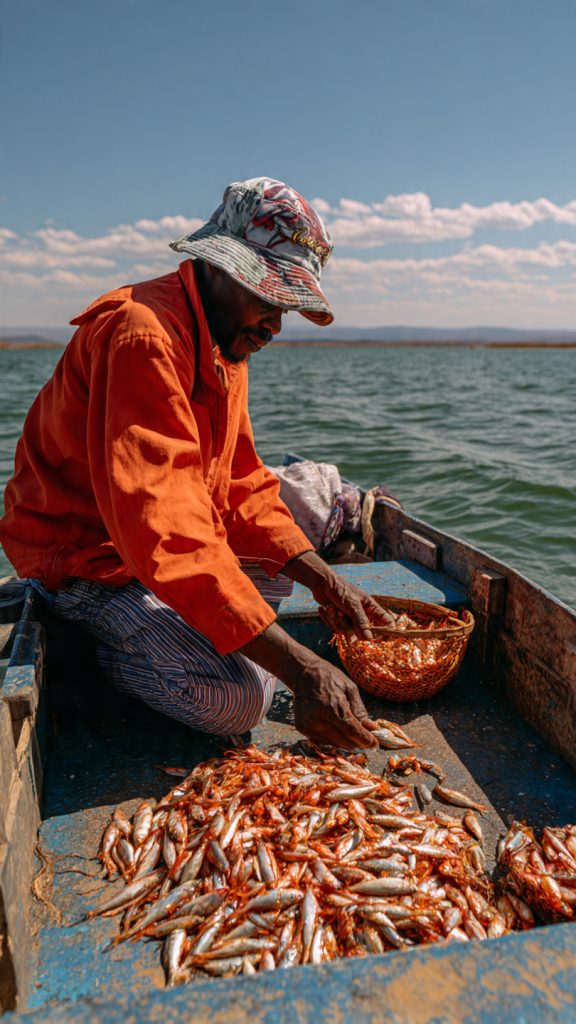
The Kapenta Trail: How Labor Migration Created Southern Africa’s Most Unlikely Food Network

Migration on the Menu: Kapenta, Food, and Health Following fish, families, and farming knowledge from Lake Kariba to the Cape Opening: A Fish That Travels Further Than People In 2023, dried kapenta from Lake Kariba appeared in informal markets across Johannesburg, Cape Town, and Gqeberha. Alongside mielie meal and tomatoes, traders sold it to low-income

The Kapenta Trail: How Labor Migration Created Southern Africa’s Most Unlikely Food Network Read More »

COVID-19, border closures, South Africa, Zimbabwe, informal cross-border traders, ICBT, migration health, women traders, livelihood impact, economic vulnerability, informal trade, Musina, Beitbridge, gender-based violence, undocumented migrants, public health policy, COVID-19 pandemic, trade disruption, cross-border trade, food security, health risks, transport brokers, informal routes, pandemic response, social protection, policy gaps, digital adaptation, peer support networks, HIV, TB, pandemic preparedness, migration policy, small-trader corridor, health outreach, migrant communities, economic resilience, human rights, informal economy, COVID-19 lockdown, cross-border mobility, livelihood precarity, intersectional vulnerabilities, South African policy, Zimbabwean traders, border management, public health surveillance, economic loss, NGO advocacy, civil society support, pandemic mitigation.

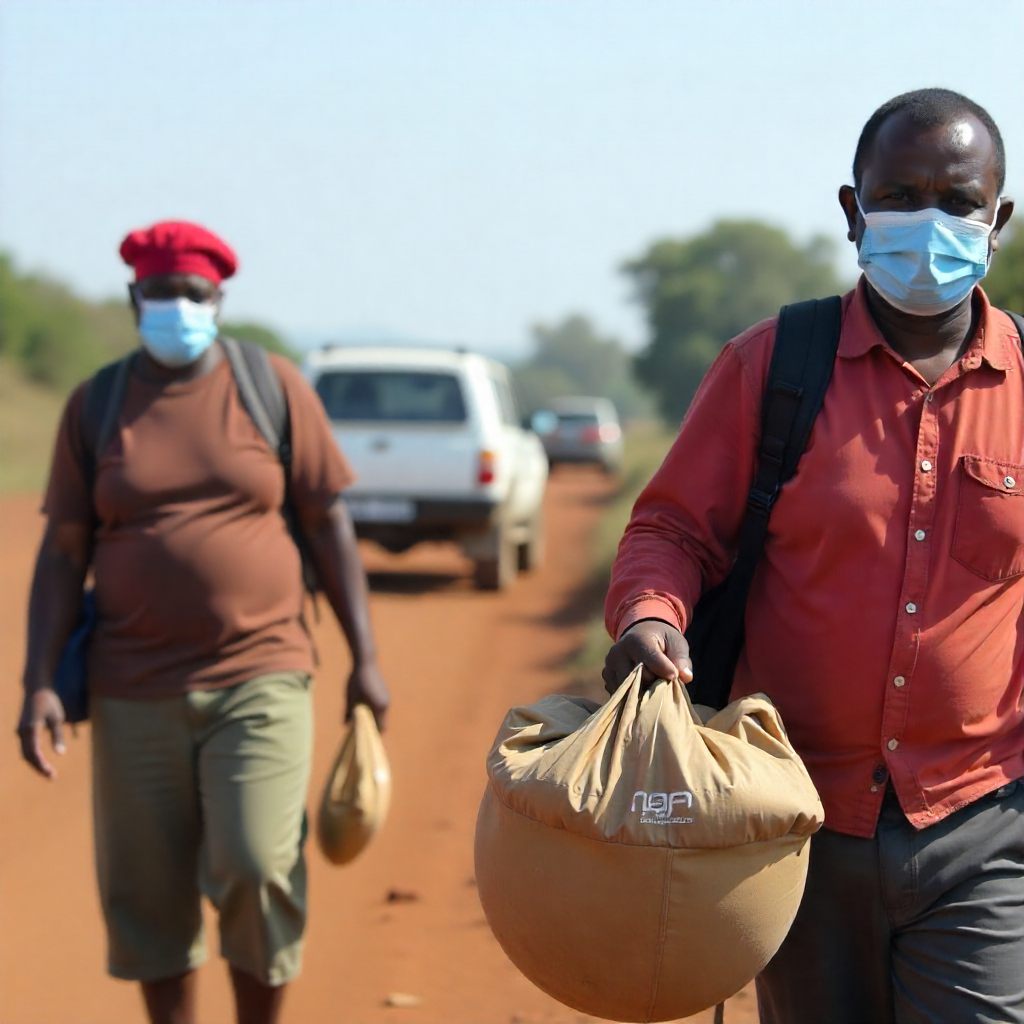
How Did COVID-19 Border Closures Between South Africa and Zimbabwe Impact Informal Cross-Border Traders?

How COVID‑19 Border Closures Affected Zimbabwean Traders Opening: Lives Interrupted On 15 March 2020, Beitbridge Border Post — the key land‐border crossing between South Africa and Zimbabwe — effectively sealed for non‑essential human traffic when 35 of South Africa’s 53 land borders were closed to limit the spread of COVID‑19. ACCORD+2News24+2This seemingly technical public‐health decision rippled into the lives

How Did COVID-19 Border Closures Between South Africa and Zimbabwe Impact Informal Cross-Border Traders? Read More »