urban nutrition

sorghum, Southern Africa, cross-border trade, forgotten superfood, migration, food security, nutrition, indigenous grains, climate-smart agriculture, urban food systems, migrant farmers, informal trade, rooftop farming, small-scale farming, gender, women traders, Zimbabwean migrants, Mozambican migrants, Malawian migrants, dietary diversity, micronutrient deficiency, drought-resistant crops, school feeding programs, public health, nutrition policy, food corridors, urban agriculture, livelihood, food sovereignty, indigenous knowledge, policy gaps, informal markets, child nutrition, ECD programs, climate resilience, low-input farming, traditional foods, health outcomes, migrant-inclusive programs, food policy, community-based solutions, nutrition security, health equity, local markets, seed circulation, household income, food accessibility, trade regulation, cross-border corridors, sustainable food systems, food innovation, cultural continuity, urban nutrition

The Sorghum Comeback: How Cross-Border Trade Is Reviving Southern Africa’s Forgotten Superfood

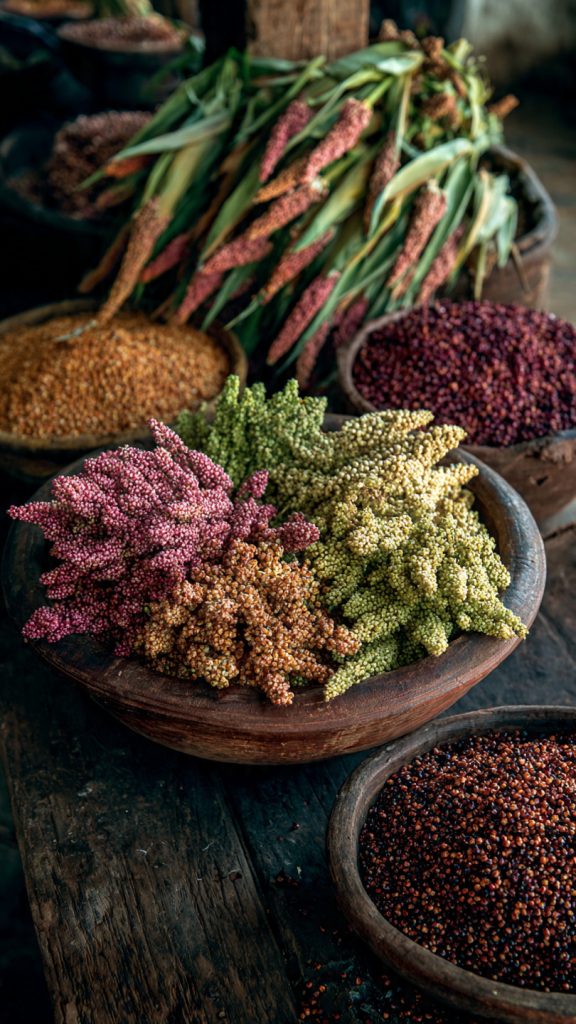
How Cross-Border Trade Is Reviving Sorghum Migration routes are becoming organic grain corridors—here’s why it matters A Quiet Revival Along Southern Africa’s Borders In 2023, South Africa imported over 280,000 tonnes of sorghum, much of it moving informally across borders before entering formal markets.This shift signals more than a trade adjustment. It reflects a nutritional, […]
The Sorghum Comeback: How Cross-Border Trade Is Reviving Southern Africa’s Forgotten Superfood Read More »

Zimbabwean migrants, Johannesburg, heirloom crops, grandma’s seeds, seed exchange networks, urban gardening, urban agriculture, food heritage, cultural preservation, informal gardening, migrant food security, biodiversity, community gardens, cross-border seeds, indigenous crops, organic farming, home gardens, migrant livelihoods, nutrition, rooftop gardens, Gauteng, Limpopo, migration health, informal economy, sustainable agriculture, women gardeners, undocumented migrants, traditional seeds, climate-resilient crops, migrant communities, South African food policy, municipal support, seed libraries, urban food systems, cultural resilience, nutrition security, food diversity, community-led initiatives, NGO programs, urban nutrition, cross-border knowledge networks, crop preservation, agricultural knowledge transfer, migrant empowerment, public health, inclusive urban agriculture

When Grandma’s Seeds Cross Borders: How Zimbabwean Migrants Are Keeping Heirloom Crops Alive in Johannesburg

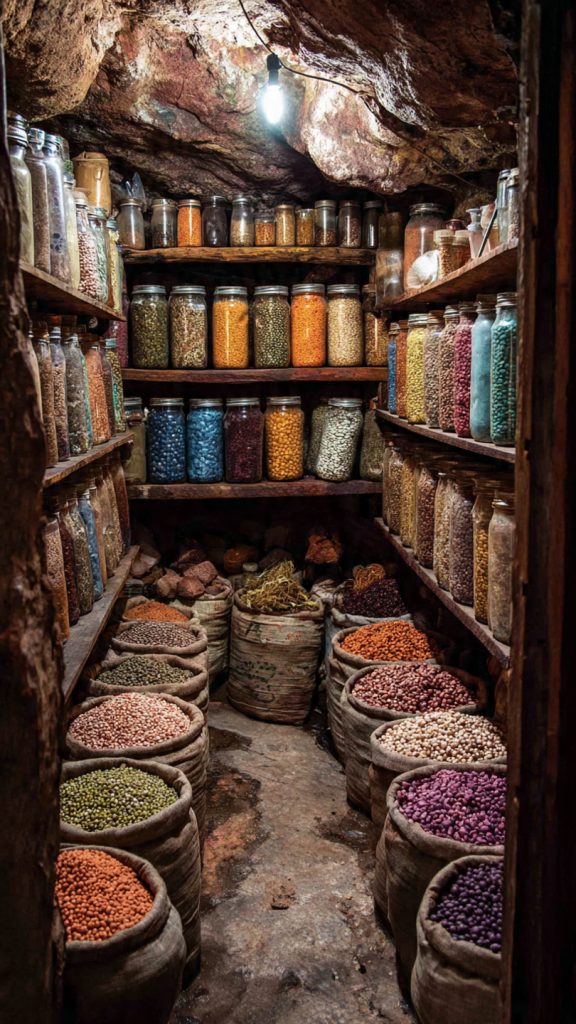
Preserving Heritage: Zimbabwean Migrants’ Heirloom Seeds The Hidden Lifeline of Heritage Seeds On a busy street in Yeoville, Johannesburg, 62-year-old “Mavis” (not her real name) exchanges a small packet of seeds with a neighbour. These are not ordinary seeds—they are her late grandmother’s heirloom crops, passed down through generations in rural Zimbabwe. For Mavis, this

When Grandma’s Seeds Cross Borders: How Zimbabwean Migrants Are Keeping Heirloom Crops Alive in Johannesburg Read More »

undocumented African migrants, South Africa, diet-related non-communicable diseases, NCDs, healthcare access barriers, structural determinants of health, legal barriers, social determinants, health inequality, migration health, hypertension, diabetes, cardiovascular disease, urban migrants, food insecurity, dietary transition, acculturation, processed foods, chronic disease management, primary healthcare, medical xenophobia, discrimination, health policy, public health, NGO interventions, community health programs, migrant-inclusive healthcare, health literacy, culturally sensitive care, language barriers, social exclusion, informal settlements, low-income migrants, preventive care, NCD screening, health system adaptation, data collection, migrant health fund, intersectoral action, policy recommendations, South African health policy, WHO guidelines, MSF programs, urban nutrition, health equity, chronic disease treatment, migrant-led organizations, access to care, healthcare utilization, ethical sensitivity, human rights, inclusive NCD strategies, public health outcomes, evidence-based solutions, empirical data, research gaps.

What Are the Barriers to Healthcare Access for Diet-Related Non-Communicable Diseases Among Undocumented African Migrants?

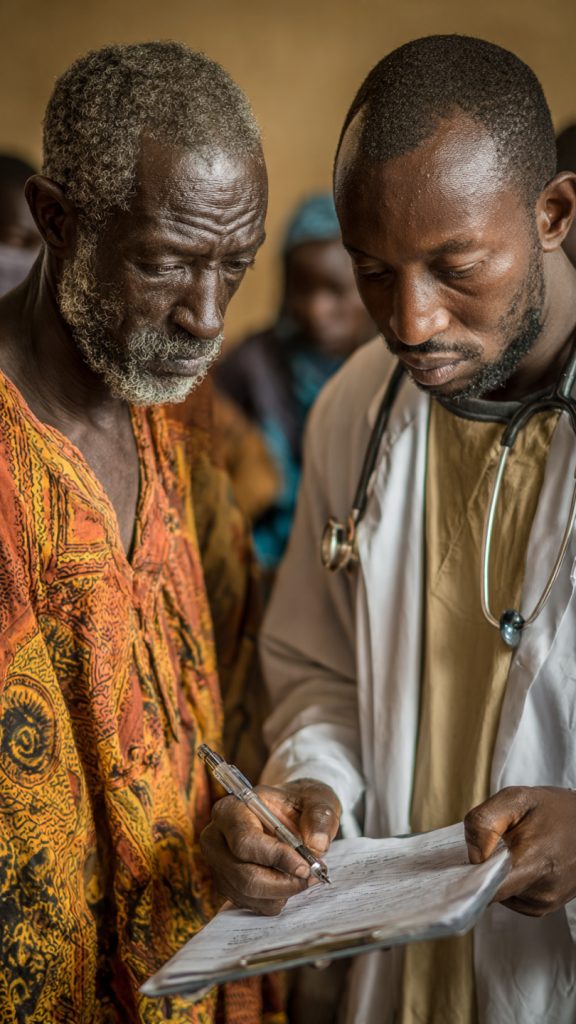
Barriers to Healthcare Access for Diet‑Related Non‑Communicable Diseases (NCDs) Among Undocumented African Migrants in South Africa   Introduction: A Hidden Burden in Plain Sight “ I worry when my chest feels tight and I cannot eat; but I dare not go to the clinic. I might be turned away.” — interview with an undocumented migrant in

What Are the Barriers to Healthcare Access for Diet-Related Non-Communicable Diseases Among Undocumented African Migrants? Read More »