National Health Insurance

Here are all the keywords related to this blog post: migration health, Zimbabwean migrants, South Africa healthcare, food security, remittances, WhatsApp groups, digital remittances, Mukuru, food insecurity, National Health Insurance, NHI Act 2024, undocumented migrants, asylum seekers, refugees, healthcare access, xenophobia, documentation barriers, nutrition, malnutrition, mental health, chronic diseases, urban agriculture, diaspora, cross-border remittances, informal settlements, Alexandra township, Khayelitsha, Delft, Hillbrow, Johannesburg, Cape Town, Durban, Zimbabwe economic crisis, COVID-19, pandemic impact, female migrants, gender vulnerability, policy reform, primary healthcare, mobile clinics, social protection, food vouchers, transaction costs, financial inclusion, urban food security, spaza shops, food deserts, remittance corridors, health policy, migration policy, Border Management Authority Act, public health, communicable diseases, tuberculosis, HIV/AIDS, maternal health, antenatal care, vaccine coverage, food remittances, grocery delivery, Malaicha, fintech, mobile money, employment precarity, domestic workers, informal economy, health disparities, health equity, vulnerable populations, integrated services, Scalabrini Centre, NGOs, civil society, community gardens, nutritional deficiencies, iron deficiency, anemia, obesity, ultra-processed foods, mental health crisis, anxiety, depression, chronic stress, remittance pressure, health outcomes, healthcare utilization, documentation status, legal status, asylum hearings, expired permits, healthcare gatekeeping, emergency services, late-stage disease, disease transmission, maternal mortality, antiretroviral treatment, immunization, food prices, hyperinflation, currency instability, El Niño drought, agricultural failure, economic hardship, income collapse, food price inflation, supply chain disruptions, lockdown restrictions, border closures, urban planning, food retail, township economies, mobile technology, digital platforms, WhatsApp Business, SMS notifications, bulk ordering, price comparisons, exchange rates, financial literacy, predatory lending, sustainable development, diaspora investment, economic stabilization, political instability, one-stop centers, legal assistance, nutrition counseling, employment assistance, community support groups, government-NGO partnerships, private sector collaboration, health monitoring, anti-xenophobia campaigns, medical education, cultural competence, patient advocacy, community health workers, policy evaluation, research gaps, longitudinal studies, health trajectories, participatory research, epidemiological data, health information systems, migration status, anonymity protection, intersectional vulnerabilities, age discrimination, language barriers, cultural beliefs, regional cooperation, Southern Africa, SADC, humanitarian response, crisis preparedness, pandemic preparedness, food relief programs, emergency assistance, constitutional rights, human rights, social cohesion, integration models, return migration

The WhatsApp Groups Feeding Harare: How the Diaspora Is Bankrolling Zimbabwe’s Urban Organic Food Movement

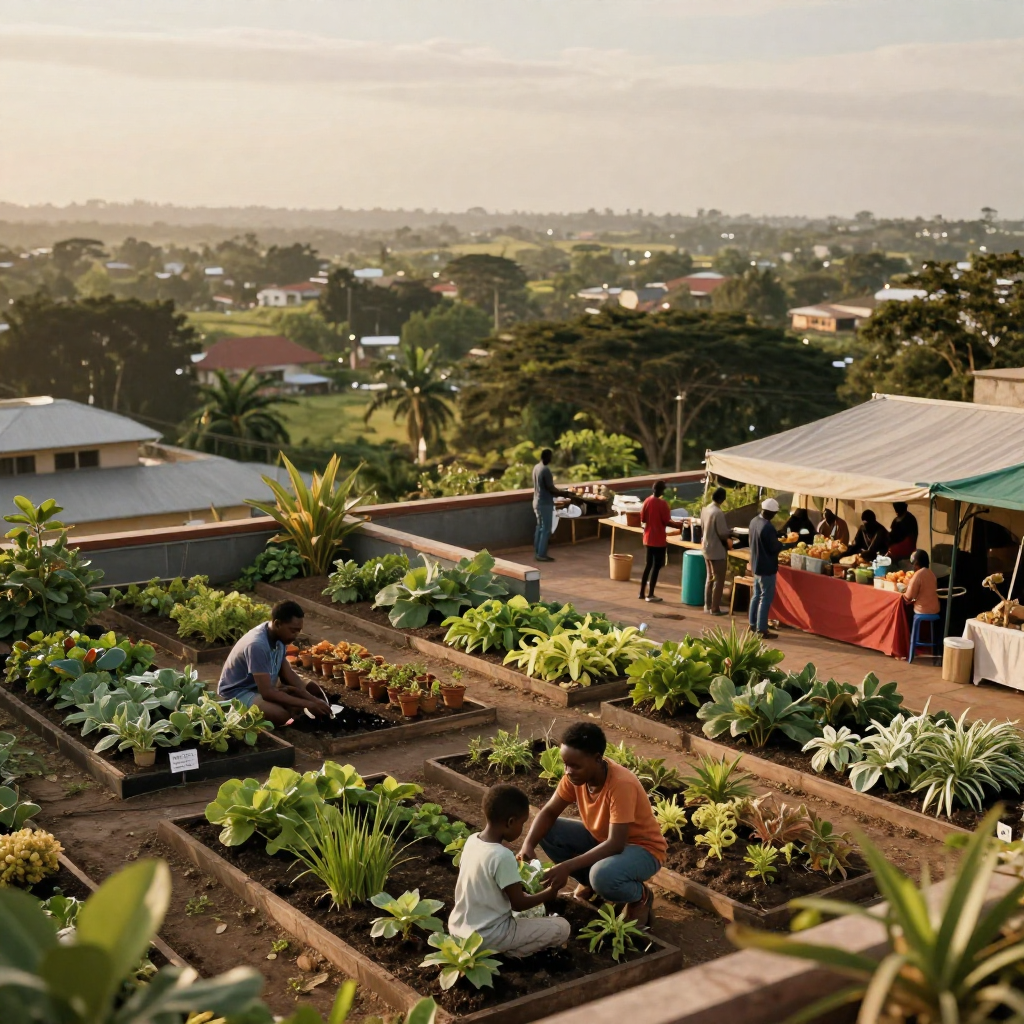
WhatsApp Remittances and Health: The Cost of Feeding Families Across Borders Money From Abroad, Vegetables at Home, and the Economics of Eating Clean A 32-year-old electrician from Harare never thought he would leave Zimbabwe. Nevertheless, economic collapse forced him out. Today, he lives in Cape Town’s informal settlements, working casual jobs. However, his WhatsApp notifications […]
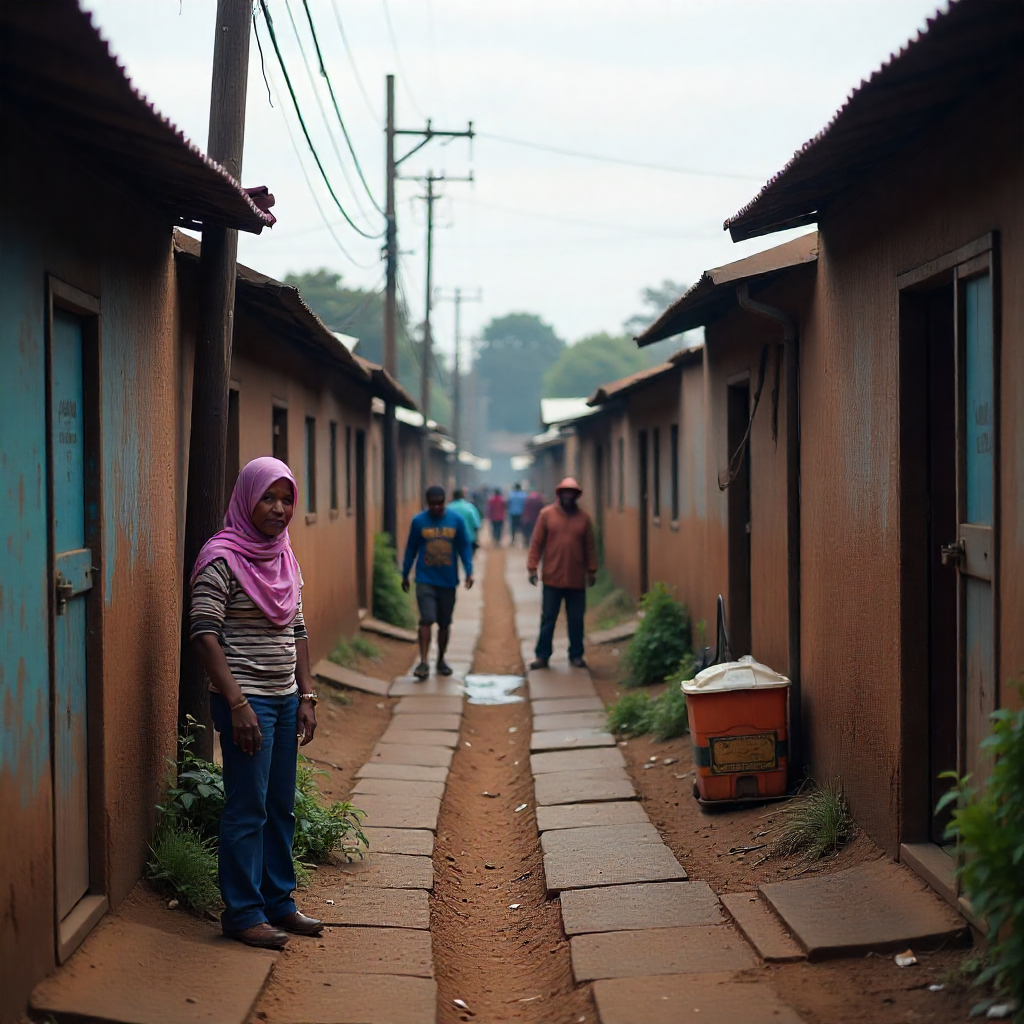
The WhatsApp Groups Feeding Harare: How the Diaspora Is Bankrolling Zimbabwe’s Urban Organic Food Movement Read More »

Healthcare access, undocumented migrants, African migrants, Gauteng Province, South Africa, migration health, public health policy, medical xenophobia, National Health Insurance, NHI Act 2023, emergency medical services, communicable diseases, migrant health rights, health system barriers, access to care, social determinants of health, intersectionality, gender and health, migrant women, migrant children, chronic disease management, HIV care, TB care, health inequities, civil society advocacy, legal protections, human rights, Operation Dudula, clinic access, healthcare exclusion, policy reform, community health programs, NGO support, health navigation, public health interventions, data gaps, migrant vulnerability, ethical healthcare, healthcare discrimination, health policy analysis, South African health law, migrant health research

Healthcare Access Barriers for Undocumented African Migrants in Gauteng Province: A Public Health Analysis

Undocumented Migrants and Health Access in Gauteng: A Public Health Analysis Opening: Human Stories and Stark Statistics In a crowded public clinic in Soweto, a pregnant Congolese woman, undocumented, waited for hours. She was turned away by vigilante group members demanding identification. Consequently, she had to seek care at a private hospital, which she could

Healthcare Access Barriers for Undocumented African Migrants in Gauteng Province: A Public Health Analysis Read More »

Hillbrow, overcrowding, migrant health, SADC migrants, disease transmission, tuberculosis, HIV, respiratory infections, gastrointestinal infections, inner-city Johannesburg, urban health, housing conditions, public health, migration health, undocumented migrants, asylum seekers, healthcare access, National Health Insurance, NHI, City of Johannesburg, healthcare policy, health disparities, maternal health, adolescent health, syndemic, MSF, Wits Reproductive Health and HIV Institute, community health programs, health interventions, urban poverty, high-density housing, sanitation, xenophobia, health inequities, peer-led outreach, public clinics, epidemiology, South Africa, health policy recommendations, inner-city housing, social determinants of health, health surveillance, migrant vulnerabilities, housing policy, healthcare barriers, HIV-TB co-infection, health system strengthening, evidence-based interventions, integrated care, urban migration, migrant communities, health equity, risk factors, case studies, policy gaps, Johannesburg inner city.

How Do Overcrowded Living Conditions in Hillbrow Affect Disease Transmission Among Migrant Communities from SADC Countries?

Overcrowding and Disease Transmission Among SADC Migrants in Hillbrow Opening: A Dense Reality with High Stakes Hillbrow, Johannesburg’s inner-city, is a microcosm of density, diversity—and vulnerability. Once a well-maintained apartment district, decades of neglect, high migration, and poverty have transformed parts of Hillbrow into overcrowded, under-serviced high-rises. Wikipedia+1 Research shows that more than half of

How Do Overcrowded Living Conditions in Hillbrow Affect Disease Transmission Among Migrant Communities from SADC Countries? Read More »

Climate migration, xenophobia, South Africa, migration health, climate change, internal migration, cross-border migration, health policy, public health, migrant health access, informal settlements, drought, floods, urban migration, rural-urban migration, health systems, HIV, chronic disease, social cohesion, migrant integration, community-led programs, municipal planning, climate adaptation, National Health Insurance, Climate Change Bill, migrant-sensitive services, peer navigators, gender, age, documentation status, human rights, service delivery, health disparities, evidence-based policy, data monitoring, disaster risk reduction, Operation Dudula, informal housing, economic vulnerability, social inclusion, health equity, NGOs, urban hubs, migrant vulnerabilities, policy gaps, health outcomes, intersectionality, climate-driven displacement, migration policy, urban infrastructure, service strain, adaptation planning, early warning systems, health system resilience.

How does climate migration intersect with existing xenophobia challenges in South Africa, and what policies could address both issues?

Climate Migration and Xenophobia in South Africa: Policy Implications for Health and Social Inclusion Introduction In early 2025, heavy rains and floods displaced thousands in the Eastern Cape and other provinces. These climate-driven events add pressure to existing migration flows and intersect with persistent xenophobia in South Africa. This post examines how climate migration amplifies

How does climate migration intersect with existing xenophobia challenges in South Africa, and what policies could address both issues? Read More »

SADC migrant workers, South Africa, employer obligations, work permits, work visas, immigration compliance, labour law, occupational health, TB screening, HIV screening, National Health Insurance, labour migration, migrant health, foreign nationals employment, occupational safety, migrant workers rights, labour inspections, visa categories, general work visa, critical skills visa, intra-company transfer visa, benchmarking certificate, cross-border health, regional cooperation, SADC health initiatives, digital compliance tools, telemedicine, mobile health applications, CSR programs, sector-specific challenges, agriculture migrant workers, mining migrant workers, domestic work, construction workers, xenophobia, gender vulnerabilities, age vulnerabilities, undocumented workers, migrant healthcare access, policy gaps, implementation challenges, stakeholder perspectives, case studies, occupational health services, workforce compliance, labour inspectorate, migration-aware health systems, cross-border health continuity, NGO interventions, workplace diversity, migrant worker protection, compliance audits, employer best practices, migrant legal security, health equity, longitudinal health studies, cost-effectiveness, research gaps, ethical considerations, policy recommendations, migration-inclusive policies, migrant integration, public health risks, workforce productivity, employee turnover, corporate social responsibility, human rights, international migration policy.

What are the obligations of South African employers when hiring cross-border migrant workers from SADC countries?

Beyond Borders, Beyond Compliance: Understanding Employer Obligations for SADC Migrant Workers in South Africa Opening: When Policy Meets Reality Thandi*, a 34-year-old mine worker from Mozambique, arrived at a Johannesburg clinic in 2023 with advanced tuberculosis. For 18 months, she had worked without proper occupational health screening or permit verification. Her employer had neglected mandatory

What are the obligations of South African employers when hiring cross-border migrant workers from SADC countries? Read More »

Angola, South Africa, post-conflict migration, post-apartheid immigration, migration health policy, refugee health, asylum seekers, undocumented migrants, healthcare access, health equity, constitutional rights, humanitarian assistance, SADC, Southern African Development Community, cross-border migration, regional cooperation, xenophobia, discrimination, documentation status, health systems, universal health coverage, National Health Insurance, community health workers, migrant-sensitive care, cultural competency, multilingual services, tuberculosis, diabetes, maternal health, reproductive health, mental health, chronic diseases, emergency care, preventive care, Johannesburg, Cape Town, Durban, Luanda, Lunda Norte, Lóvua settlement, UNHCR, humanitarian organizations, parallel health systems, integration challenges, service delivery, health information systems, telemedicine, mobile health, implementation gaps, policy analysis, evidence-based recommendations, vulnerable populations, health rights, public health, migration governance, bilateral agreements, diaspora engagement, capacity building, resource allocation, cost-effectiveness, anti-discrimination training, language barriers, referral systems, quality improvement, professional development, research gaps, ethical considerations, participatory research, health outcomes, treatment adherence, emergency departments, public clinics, health facilities, border management, legal frameworks, policy implementation, stakeholder engagement, community partnerships, innovation solutions, technology integration, intersectional factors, gender dimensions, age-related factors, elderly migrants, children migrants, family planning, immunizations, nutrition support, developmental care, chronic disease management, care coordination, health monitoring, surveillance systems, professional qualification recognition, South-South cooperation, technical assistance, funding strategies, implementation science, health equity principles, vulnerable population protection, community consent, resource constraints, political commitment, regional stability, sustainable development

How Do Angola’s Post-Conflict Migration Policies Compare to South Africa’s Post-Apartheid Immigration Framework?

 Migration Policies in Angola and SouthAfrica Opening: Two Nations, Two Legacies, One Challenge Maria, a 34-year-old Congolese refugee, crossed into Angola’s Lunda Norte province in 2018 with her three children. Today, she lives in the Lóvua settlement among 21,000 people who continue to require assistance to meet their basic needs. Meanwhile, Tendai, an undocumented Zimbabwean

How Do Angola’s Post-Conflict Migration Policies Compare to South Africa’s Post-Apartheid Immigration Framework? Read More »

migration governance, health policy, South Africa, Egypt, refugee health, migrant health, healthcare access, health security, universal health coverage, National Health Insurance, constitutional rights, policy implementation, health systems, African healthcare, migration health governance, refugee populations, undocumented migrants, health equity, public health, maternal health, mental health, chronic disease management, tuberculosis control, HIV prevention, healthcare providers, discrimination, fragmented governance, integrated health systems, community health workers, digital health platforms, health information systems, inter-governmental coordination, resource allocation, legal framework implementation, policy-implementation gaps, centralized governance, decentralized governance, preventive health security, community integration, institutional coordination, stakeholder perspectives, intersectional analysis, gender dimensions, age-related vulnerabilities, documentation status, healthcare provider training, evidence-based recommendations, constitutional implementation monitoring, regional coordination mechanisms, SADC frameworks, universal health coverage integration, health economics, longitudinal health outcomes, implementation science research, community participatory approaches, cross-national comparative studies, Cairo, Johannesburg, Cape Town, Syrian refugees, Zimbabwean migrants, Sudanese refugees, UNHCR, Egyptian Ministry of Health, South African Department of Health, Department of Home Affairs, Department of Social Development, Gauteng province, vaccination coverage, immunization programs, health screening, disease surveillance, trauma-informed care, cultural competency, psychosocial services, primary healthcare, emergency interventions, mobile health applications, telemedicine, health planning, budget allocation, professional development, legal obligations, constitutional entitlements, human rights, social determinants of health, health outcomes, system resilience, pandemic response, COVID-19, communicable diseases, non-communicable diseases, health service delivery, patient satisfaction, treatment completion rates, healthcare seeking behavior, barriers to care, upfront payments, language barriers, cultural misunderstandings, crisis intervention, continuity of care, medication access, health education, appointment scheduling, early detection, health monitoring, capacity building, sustainability, policy coherence, institutional structures, governance models, best practices, innovation, scaling up interventions, monitoring and evaluation, accountability mechanisms

How Does Egypt’s Migration Governance Balance Security Concerns Better Than South Africa’s Approach?

How Egypt’s Migration Governance Balances Security Concerns Introduction: Two Countries, Two Realities In 2023, Amira, a 25-year-old Sudanese refugee in Cairo, received prenatal care at a public hospital without being asked for papers or upfront fees. In Johannesburg, Tendai, a Zimbabwean migrant in a similar situation, was turned away from three public clinics before finding

How Does Egypt’s Migration Governance Balance Security Concerns Better Than South Africa’s Approach? Read More »

Regional integration, border security, SADC, Southern African Development Community, South Africa migration policy, free movement protocols, migrant health, healthcare access, undocumented migrants, National Health Insurance, NHI Act, constitutional rights, documentation barriers, health equity, xenophobia, cross-border healthcare, Johannesburg migration, Cape Town health initiatives, Durban border proximity, emergency medical treatment, maternal health, tuberculosis treatment, diabetes management, cultural competency, community health workers, mobile health clinics, telemedicine, blockchain health records, healthcare discrimination, policy implementation gaps, immigration enforcement, deportation fears, asylum seekers, refugee healthcare, intersectional vulnerabilities, gender-based healthcare barriers, migrant children health, elderly migrant care, cost-effectiveness analysis, healthcare utilization patterns, preventable hospitalizations, emergency department overuse, public health surveillance, infectious disease control, antimicrobial resistance, regional health cooperation, bilateral health agreements, health passport systems, professional mobility, economic integration, labor productivity, social cohesion, policy coordination, intergovernmental relations, civil society engagement, NGO partnerships, evidence-based policy, participatory research, climate migration, digital health equity, traditional medicine integration, mental health services, vulnerability assessment, ethical healthcare delivery, human rights approach, universal health coverage, health system strengthening, capacity building, staff training programs, patient advocacy, language interpretation services, alternative identification systems, biometric registration, safe zones, healthcare facilities, clinic access, hospital admissions, treatment continuity, care coordination, quality improvement, performance monitoring, stakeholder engagement, community outreach, peer education, legal aid services, documentation assistance, health outcomes measurement, epidemiological data, mortality rates, vaccination coverage, chronic disease management, emergency care protocols, cost recovery mechanisms, resource allocation, healthcare financing, regional public goods, migration health research, policy analysis, implementation timelines, actionable recommendations

Regional Integration vs Border Security: Balancing Free Movement with National Security Concerns

Migration Health Policy in South Africa The Tale of Two Borders: When Security Meets Healthcare A Life-Threatening Delay In July 2024, Fatima*, a 34-year-old pregnant woman from Mozambique, arrived at a Johannesburg clinic. She experienced complications during her third trimester. The clinic turned her away initially because she lacked proper documentation. This happened despite South

Regional Integration vs Border Security: Balancing Free Movement with National Security Concerns Read More »

South Africa, refugee health, asylum seekers, healthcare access, migration health, health policy, refugee integration, asylum system, healthcare barriers, documentation status, Section 22 permits, refugee protection, health systems, public health, mental health, trauma-informed care, xenophobia, medical discrimination, language barriers, cultural competency, healthcare providers, emergency care, chronic disease management, maternal health, HIV testing, tuberculosis treatment, community health workers, mobile clinics, telemedicine, digital health, multilingual services, legal aid, human rights, constitutional rights, Refugees Act 130, National Health Insurance, universal health coverage, health equity, vulnerable populations, forced migration, displaced persons, UNHCR, NGO partnerships, integrated service delivery, trauma recovery, PTSD, depression, anxiety, gender-based violence, reproductive health, prenatal care, immunizations, infectious diseases, non-communicable diseases, diabetes, hypertension, medication adherence, treatment completion, healthcare utilization, patient satisfaction, health outcomes, public health emergency, temporal vulnerability, legal limbo, permit renewals, bureaucratic barriers, administrative delays, asylum backlog, Johannesburg, Cape Town, Durban, urban health, community-based interventions, peer support, cultural mediators, interpretation services, healthcare workforce, training programs, policy implementation, health system strengthening, regional cooperation, SADC, evidence-based practice, longitudinal studies, surveillance systems, research gaps, intersectional analysis, age-specific care, gender-responsive approaches, nationality factors, Somali refugees, Congolese refugees, Burundian refugees, Ethiopian refugees, francophone populations, emergency departments, primary healthcare, preventive care, cost-effectiveness, sustainability, scalability, innovation, technology solutions, mobile health apps, electronic permits, stakeholder engagement, multi-sectoral collaboration, advocacy, social determinants of health, health disparities, access to care, quality of care, continuity of care, patient safety, cultural sensitivity, ethical considerations, human dignity, social justice, health rights, policy reform, system integration, capacity building, resource allocation, funding mechanisms, international cooperation, best practices, lessons learned, case studies, empirical evidence, statistical analysis, comparative research, implementation science, health economics, migration patterns, demographic data, epidemiological surveillance, disease prevention, health promotion, community engagement, participatory approaches, empowerment, resilience building, social cohesion, xenophobic violence, safety concerns, geographic barriers, urban concentration, service accessibility, transport challenges, appointment scheduling, waiting times, emergency services, specialist care, referral pathways, care coordination, multidisciplinary teams, holistic approaches, person-centered care, family support, child health, elderly care, disability inclusion, LGBTI+ refugees, unaccompanied minors, survivors of torture, trafficking victims, stateless persons, mixed migration flows, economic migrants, irregular migrants, deportation fears, voluntary repatriation, local integration, resettlement, durable solutions

South Africa’s Refugee and Asylum System: Processing, Integration and Support Mechanisms Through a Health Policy Lens

A Crisis at the Intersection of Migration and Health The Human Cost of System Failure In the corridors of Charlotte Maxeke Johannesburg Academic Hospital, Dr. Sarah Ndlovu encounters a familiar struggle. A 34-year-old asylum seeker from the Democratic Republic of Congo sits before her. She carries her pregnancy at seven months. However, she holds only

South Africa’s Refugee and Asylum System: Processing, Integration and Support Mechanisms Through a Health Policy Lens Read More »

African migration, urbanization, Johannesburg, South Africa, migrant health, informal settlements, overcrowding, public health, tuberculosis, HIV, COVID-19, healthcare access, undocumented migrants, refugees, spaza shops, migrant women, migrant youth, gender-based violence, intersectionality, National Health Insurance, NHI Bill, Refugees Act, Gauteng City-Region Observatory, ACMS, Médecins Sans Frontières, urban planning, community health workers, mobile clinics, peer advocacy, migrant-led organizations, policy gaps, housing, sanitation, economic contribution, informal economy, migration policy, migration data, urban integration, migration challenges, sustainable urban growth, migrant resilience, migrant advocacy, inclusive health policy, migrant protection, South African cities, migration trends, health disparities, migrant vulnerabilities.

What is the connection between African migration and urbanization in Johannesburg?

African Migration and Urbanization in Johannesburg: Policy, Health, and Social Implications Introduction: Migration and the Changing Face of Johannesburg Johannesburg is South Africa’s economic powerhouse. It has become one of the most prominent migrant-receiving cities in Africa. In 2022, South Africa hosted over 4 million international migrants. Johannesburg absorbed the largest proportion (UN DESA, 2022).

What is the connection between African migration and urbanization in Johannesburg? Read More »