Indigenous knowledge systems, IKS, climate adaptation, climate change adaptation, South Africa, local knowledge, traditional knowledge, community resilience, migration health, public health, food security, drought adaptation, flood adaptation, small-scale farmers, rural communities, urban informal settlements, health systems, continuity of care, HIV care, TB care, gender and adaptation, youth and adaptation, elders knowledge, traditional healers, intergenerational knowledge transfer, policy gaps, municipal adaptation plans, environmental health, health equity, social cohesion, nutrition security, seed preservation, ecosystem stewardship, climate risk management, sustainable livelihoods, community-led adaptation, disaster risk reduction, adaptation strategies, migration prevention, indigenous crops, adaptation education, participatory research, evidence-based adaptation, climate resilience programs, health and migration, local adaptation practices, cultural heritage, traditional farming practices, community engagement, adaptation innovation, government policy, NGO programs, academic research, longitudinal studies, knowledge co-production, mobile weather apps, early-warning systems.

How are indigenous knowledge systems helping South African communities adapt to climate change without permanent migration?

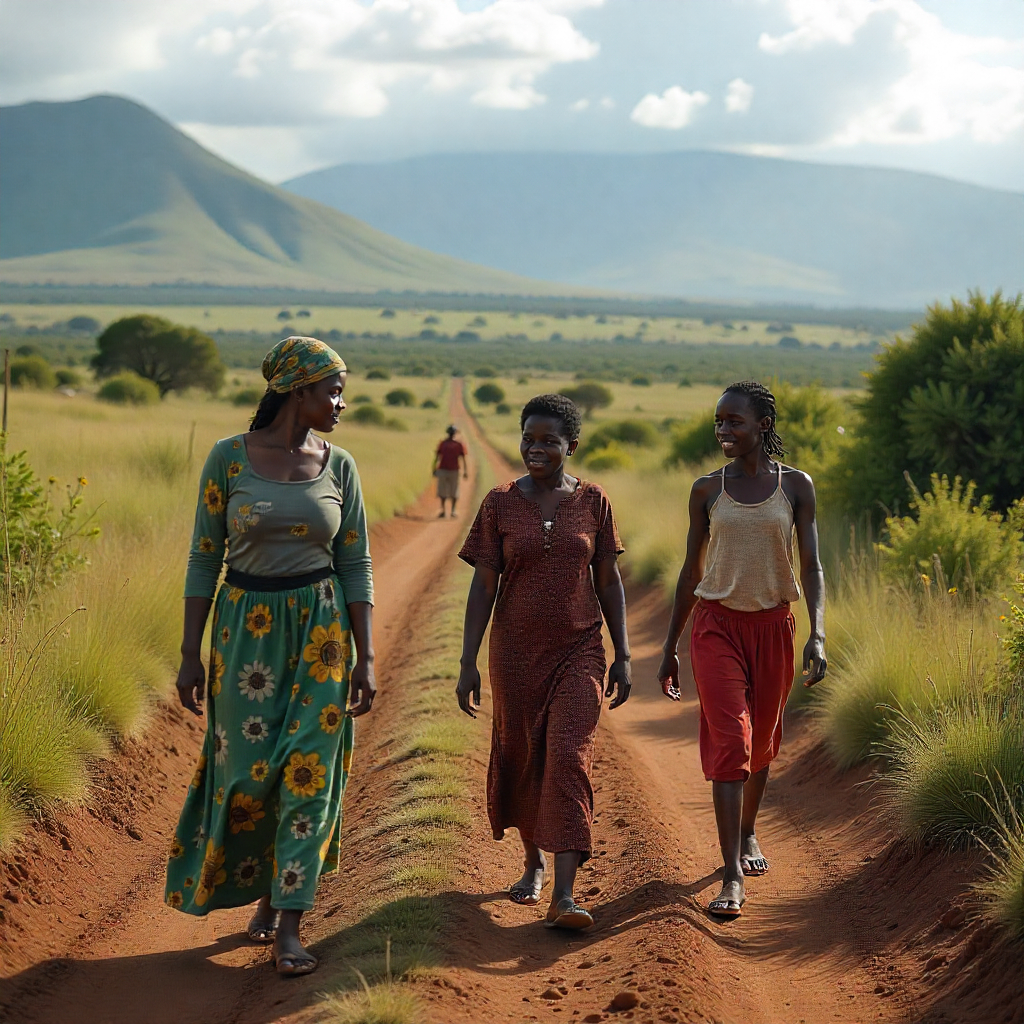
Indigenous Knowledge and Climate Adaptation in South Africa Introduction: Adapting Locally in a Changing Climate Climate change is reshaping lives across South Africa. Droughts, floods, and heat waves now threaten food security and public health. However, not every community chooses to move. Many people adapt in place by using indigenous knowledge systems (IKS)—ancestral ways of […]

How are indigenous knowledge systems helping South African communities adapt to climate change without permanent migration? Read More »