migration patterns

mobile money, migration flows, Johannesburg, Harare, cross-border remittances, Zimbabwean migrants, South Africa, migration health, digital remittances, mobile wallets, Mukuru, MamaMoney, HelloPaisa, undocumented migrants, circular migration, migration statistics, remittance data, migration patterns, public health planning, SADC migration, migration research, migrant livelihoods, health policy, data-driven migration, migration monitoring, migration policy, FinTech, remittance behavior, gender and migration, age and migration, digital finance, migration corridors, migration trends, real-time migration data, ethical data use, migration health interventions, social protection, migration services, mobile money analytics

Can Mobile Money Transfer Data Predict Migration Flows Between Johannesburg and Harare More Accurately Than Official Statistics?

Mobile Money as a Migration Indicator: Johannesburg–Harare Opening: A Window into Invisible MobilityEvery month, hundreds of millions of rands cross borders—not through buses or airplanes —but via mobile wallets and FinTech platforms. For example, according to FinMark, Zimbabweans in Johannesburg are estimated to remit between R57 million and R63 million monthly back to Harare. FinMark Trust Yet in […]

Can Mobile Money Transfer Data Predict Migration Flows Between Johannesburg and Harare More Accurately Than Official Statistics? Read More »

COVID-19, South Africa, border controls, regional migration, migration health, health policy, public health, migrant healthcare, undocumented migrants, border closures, Southern Africa, Zimbabwe, Mozambique, Lesotho, healthcare access, mental health, Border Management Authority, refugee health, asylum seekers, community health workers, Johannesburg, Cape Town, Durban, informal sector, agricultural workers, seasonal migration, cross-border health, health systems, migration patterns, deportation, documentation status, health screening, quarantine protocols, PCR testing, healthcare barriers, traditional healers, occupational health, transport workers, port cities, economic migration, family separation, remittances, informal trading, unaccompanied minors, tuberculosis, maternal mortality, reproductive health, gender-based violence, elderly migrants, child health, immunizations, digital health, telemedicine, WhatsApp health services, mobile health units, contact tracing, health surveillance, epidemiological data, health information systems, migration health governance, policy evaluation, stakeholder engagement, civil society organizations, NGOs, human rights, xenophobia, health equity, universal health coverage, health security, pandemic response, lockdown, state of disaster, repatriation, legal limbo, visa requirements, critical skills visa, embassy services, deportation fears, health facility attendance, chronic conditions, infectious diseases, disease transmission, mental health crisis, depression, anxiety, domestic violence, substance abuse, suicide, psychological trauma, social protection, community organizations, health cooperation, SADC, bilateral agreements, health integration, telehealth, cultural competency, linguistic barriers, health literacy, preventive care, emergency healthcare, primary healthcare, specialist services, hospital networks, provincial health departments, Department of Health, Department of Home Affairs, health budgets, cost-effectiveness, implementation timelines, policy recommendations, evidence-based interventions, best practices, research gaps, data collection, surveillance systems, participatory research, longitudinal studies, randomized controlled trials, policy impact assessment, intersectional analysis, vulnerability assessment, ethical considerations, human dignity, social determinants of health, health disparities, marginalized populations, hidden populations, respondent-driven sampling, mixed methods research, qualitative research, quantitative analysis, statistical significance, public health emergency, health emergency preparedness, resilience building, health system strengthening

The Impact of COVID-19 on South African Border Controls and Regional Migration Patterns: A Health Policy Perspective

 COVID-19 Migration in South Africa Introduction: Borders as Barriers to Health On 15 March 2020, President Cyril Ramaphosa declared a national state of disaster. Overnight, borders closed to all but goods and citizen repatriation, reshaping migration across Southern Africa. Maria*, a Mozambican domestic worker in Johannesburg, suddenly faced losing her job if she returned home,

The Impact of COVID-19 on South African Border Controls and Regional Migration Patterns: A Health Policy Perspective Read More »

skilled migration, temporary work permits, South Africa, health policy, healthcare workforce, Critical Skills Work Visa, General Work Visa, Remote Work Visa, health professionals, doctors, nurses, specialists, medical migration, immigration policy, Department of Home Affairs, Health Professionals Council of South Africa, HPCSA, healthcare shortages, rural healthcare, urban healthcare, Johannesburg, Cape Town, Durban, Gauteng, Western Cape, KwaZulu-Natal, Limpopo, visa processing, administrative barriers, professional registration, conditional registration, geographic distribution, workforce planning, health system strengthening, public health, private healthcare, healthcare access, healthcare quality, patient outcomes, medical specialties, cardiology, neurosurgery, emergency medicine, oncology, family medicine, public health, telemedicine, digital health, healthcare innovation, health economics, cost-effectiveness, retention rates, integration programs, mentorship, cultural competency, language barriers, SADC countries, African healthcare, Pan-African mobility, regional agreements, health workforce observatory, migration patterns, longitudinal studies, evidence-based policy, stakeholder engagement, government coordination, inter-departmental collaboration, fast-track processing, rural incentives, urban-rural linkages, healthcare equity, health disparities, vulnerable populations, gender considerations, age factors, nationality factors, community integration, professional development, career progression, economic impact, health outcomes, service delivery, policy reform, implementation timelines, success metrics, research gaps, data limitations, comparative analysis, international best practices, Australia health migration, Canada Express Entry, New Zealand immigration, middle-income countries, healthcare systems, health policy makers, public health practitioners, NGO workers, academic researchers, civil society, professional associations, medical education, training programs, credential recognition, quality assurance, supervision models, peer review, performance monitoring, evaluation mechanisms, resource allocation, political commitment, sustainable development, health security, pandemic preparedness, emergency response, mobile health, outreach programs, specialist consultations, waiting times, maternal mortality, chronic disease management, trauma care, pediatric services, health infrastructure, technology adoption, innovation transfer, knowledge exchange, professional networks, policy advocacy, legal assistance, support services, orientation programs, housing support, transportation, safety considerations, religious accommodation, dietary requirements, succession planning, leadership development, capacity building, human capital, brain drain, brain gain, circular migration, temporary migration, permanent residency, family reunification, dependent visas, work authorization, employment permits, labor market, skills shortage, talent attraction, competitive advantage, health tourism, medical tourism, cross-border healthcare, bilateral agreements, multilateral frameworks, regional integration, Southern African Development Community, African Union, World Health Organization, International Labour Organization, Migration Policy Institute, economic development, social cohesion, cultural diversity, multiculturalism, social integration

The Role of Temporary Work Permits in Facilitating Skilled Migration to South Africa: Health Policy Implications and Opportunities

 Skilled Migration and Health Policy in South Africa A Critical Juncture: When Policy Meets Public Health Need In October 2024, Dr. Amara Okafor, a Nigerian cardiologist with fifteen years of experience, finally received her Critical Skills Work Visa after an eighteen-month application process. Her journey to practice medicine in Johannesburg exemplifies both the promise and

The Role of Temporary Work Permits in Facilitating Skilled Migration to South Africa: Health Policy Implications and Opportunities Read More »

South Africa, refugee health, asylum seekers, healthcare access, migration health, health policy, refugee integration, asylum system, healthcare barriers, documentation status, Section 22 permits, refugee protection, health systems, public health, mental health, trauma-informed care, xenophobia, medical discrimination, language barriers, cultural competency, healthcare providers, emergency care, chronic disease management, maternal health, HIV testing, tuberculosis treatment, community health workers, mobile clinics, telemedicine, digital health, multilingual services, legal aid, human rights, constitutional rights, Refugees Act 130, National Health Insurance, universal health coverage, health equity, vulnerable populations, forced migration, displaced persons, UNHCR, NGO partnerships, integrated service delivery, trauma recovery, PTSD, depression, anxiety, gender-based violence, reproductive health, prenatal care, immunizations, infectious diseases, non-communicable diseases, diabetes, hypertension, medication adherence, treatment completion, healthcare utilization, patient satisfaction, health outcomes, public health emergency, temporal vulnerability, legal limbo, permit renewals, bureaucratic barriers, administrative delays, asylum backlog, Johannesburg, Cape Town, Durban, urban health, community-based interventions, peer support, cultural mediators, interpretation services, healthcare workforce, training programs, policy implementation, health system strengthening, regional cooperation, SADC, evidence-based practice, longitudinal studies, surveillance systems, research gaps, intersectional analysis, age-specific care, gender-responsive approaches, nationality factors, Somali refugees, Congolese refugees, Burundian refugees, Ethiopian refugees, francophone populations, emergency departments, primary healthcare, preventive care, cost-effectiveness, sustainability, scalability, innovation, technology solutions, mobile health apps, electronic permits, stakeholder engagement, multi-sectoral collaboration, advocacy, social determinants of health, health disparities, access to care, quality of care, continuity of care, patient safety, cultural sensitivity, ethical considerations, human dignity, social justice, health rights, policy reform, system integration, capacity building, resource allocation, funding mechanisms, international cooperation, best practices, lessons learned, case studies, empirical evidence, statistical analysis, comparative research, implementation science, health economics, migration patterns, demographic data, epidemiological surveillance, disease prevention, health promotion, community engagement, participatory approaches, empowerment, resilience building, social cohesion, xenophobic violence, safety concerns, geographic barriers, urban concentration, service accessibility, transport challenges, appointment scheduling, waiting times, emergency services, specialist care, referral pathways, care coordination, multidisciplinary teams, holistic approaches, person-centered care, family support, child health, elderly care, disability inclusion, LGBTI+ refugees, unaccompanied minors, survivors of torture, trafficking victims, stateless persons, mixed migration flows, economic migrants, irregular migrants, deportation fears, voluntary repatriation, local integration, resettlement, durable solutions

South Africa’s Refugee and Asylum System: Processing, Integration and Support Mechanisms Through a Health Policy Lens

A Crisis at the Intersection of Migration and Health The Human Cost of System Failure In the corridors of Charlotte Maxeke Johannesburg Academic Hospital, Dr. Sarah Ndlovu encounters a familiar struggle. A 34-year-old asylum seeker from the Democratic Republic of Congo sits before her. She carries her pregnancy at seven months. However, she holds only

South Africa’s Refugee and Asylum System: Processing, Integration and Support Mechanisms Through a Health Policy Lens Read More »

TB, HIV, migration, South Africa, infectious diseases, public health policy, African migrants, healthcare access, treatment adherence, disease transmission, refugees, asylum seekers, undocumented migrants, xenophobia, health systems, antiretroviral therapy, ART, tuberculosis treatment, co-infection, HIV prevalence, TB prevalence, Johannesburg, Cape Town, Durban, health policy, migration health, constitutional rights, healthcare barriers, documentation status, cultural competency, language barriers, community health workers, mobile health, telemedicine, health information systems, universal health coverage, National Health Insurance, gender-based violence, older adults HIV, drug resistance, contact tracing, treatment interruption, viral load, healthcare discrimination, stigma, peer navigation, integrated services, mobile clinics, health education, community engagement, health outcomes, epidemiological data, health system strengthening, cross-border health, regional cooperation, human rights, ethical considerations, evidence-based interventions, policy implementation, monitoring and evaluation, quality improvement, social determinants of health, health equity, vulnerable populations, emergency healthcare, primary healthcare, sexual and reproductive health, occupational health, informal settlements, hostels, urban health, rural health, health financing, cost-effectiveness, sustainable development, digital health, health technology, predictive analytics, research gaps, methodological challenges, stakeholder engagement, multi-sectoral coordination, implementation science, health diplomacy, southern Africa, SADC, WHO, UNAIDS, CDC, health indicators, 95-95-95 targets, treatment as prevention, prevention programs, health promotion, disease surveillance, outbreak response, health security, global health, migration patterns, circular migration, internal migration, cross-border migration, health insurance, patient records, continuity of care, lost to follow-up, treatment completion, adherence support, directly observed therapy, health advocacy, civil society, NGOs, Médecins Sans Frontières, health worker training, capacity building, health infrastructure, service delivery models, patient-centered care, trauma-informed care, mental health, psychosocial support, legal aid, immigration policy, deportation fears, health screening, contact investigation, infection control, public health emergency, health system resilience, pandemic preparedness, One Health approach

TB, HIV, and Migration: Understanding Disease Patterns and Prevention Challenges Among African Migrants in South Africa

 Understanding Disease Patterns and Prevention Challenges How migration dynamics, exclusionary policies, and fragile health systems fuel dual epidemics—and what must be done to change course. A Tale of Two Crises: The Migrant’s Health Journey In May 2022, Awa, a 29-year-old undocumented woman from the DRC, sought treatment at a community clinic in Durban after experiencing

TB, HIV, and Migration: Understanding Disease Patterns and Prevention Challenges Among African Migrants in South Africa Read More »

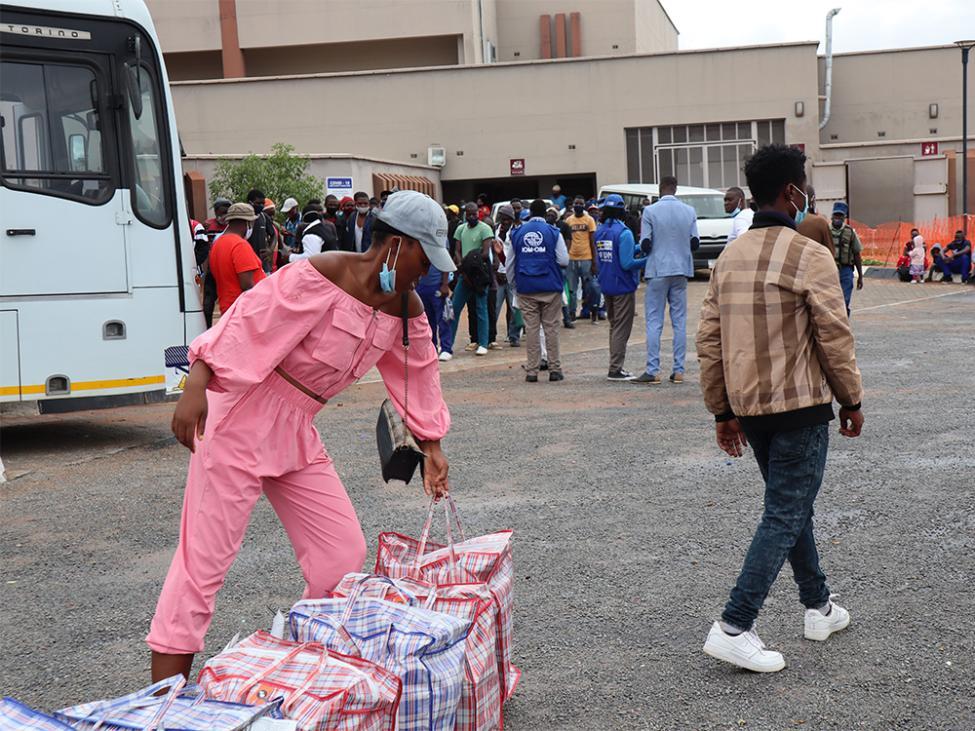
COVID-19 pandemic, African migration, border closures, travel restrictions, migrant health, remittance disruption, economic impact, quarantine policies, displaced populations, asylum seekers, informal settlements, repatriation challenges, migration patterns, mobility restrictions, healthcare access, cross-border trade, migrant vulnerability, pandemic response, social distancing challenges, vaccine inequality, immigration policy, refugee camps, undocumented migrants, livelihood disruption, xenophobia increase, essential workers, migrant protection, diaspora communities, public health measures, migrant rights

Pandemics and Migration: How Covid19 Painted the African Migration Landscape

The Collision of Two Global Phenomena The COVID-19 pandemic that emerged in late 2019 represented an unprecedented global health crisis that rapidly transformed into a multidimensional socioeconomic challenge with profound implications for human mobility worldwide. In Africa, where migration patterns have historically been characterized by complex intra-regional movements, circular migration, and various forms of displacement,

Pandemics and Migration: How Covid19 Painted the African Migration Landscape Read More »