migrant-sensitive care

xenophobia, medical xenophobia, healthcare access, African migrants, South Africa, public clinics, migrant health, undocumented migrants, refugees, asylum seekers, migrant rights, health disparities, HIV, TB, maternal health, child health, health policy, National Health Act, Refugees Act, inclusive healthcare, cultural competence, discrimination, patient rights, health system barriers, migrant-sensitive care, public health, Gauteng, Johannesburg, Tshwane, KwaZulu-Natal, NGO interventions, civil society, Operation Dudula, migrant-led organizations, health equity, chronic disease management, access to care, health outcomes, policy implementation, social determinants of health, vulnerable populations, intersectionality, gender, documentation status, health ethics, health reform, NDoH guidelines, healthcare training, health monitoring, community support, case studies, evidence-based recommendations, continuity of care, migrant advocacy, health integration

The Impact of Xenophobia on Healthcare Utilization Among African Migrants in South African Public Clinics

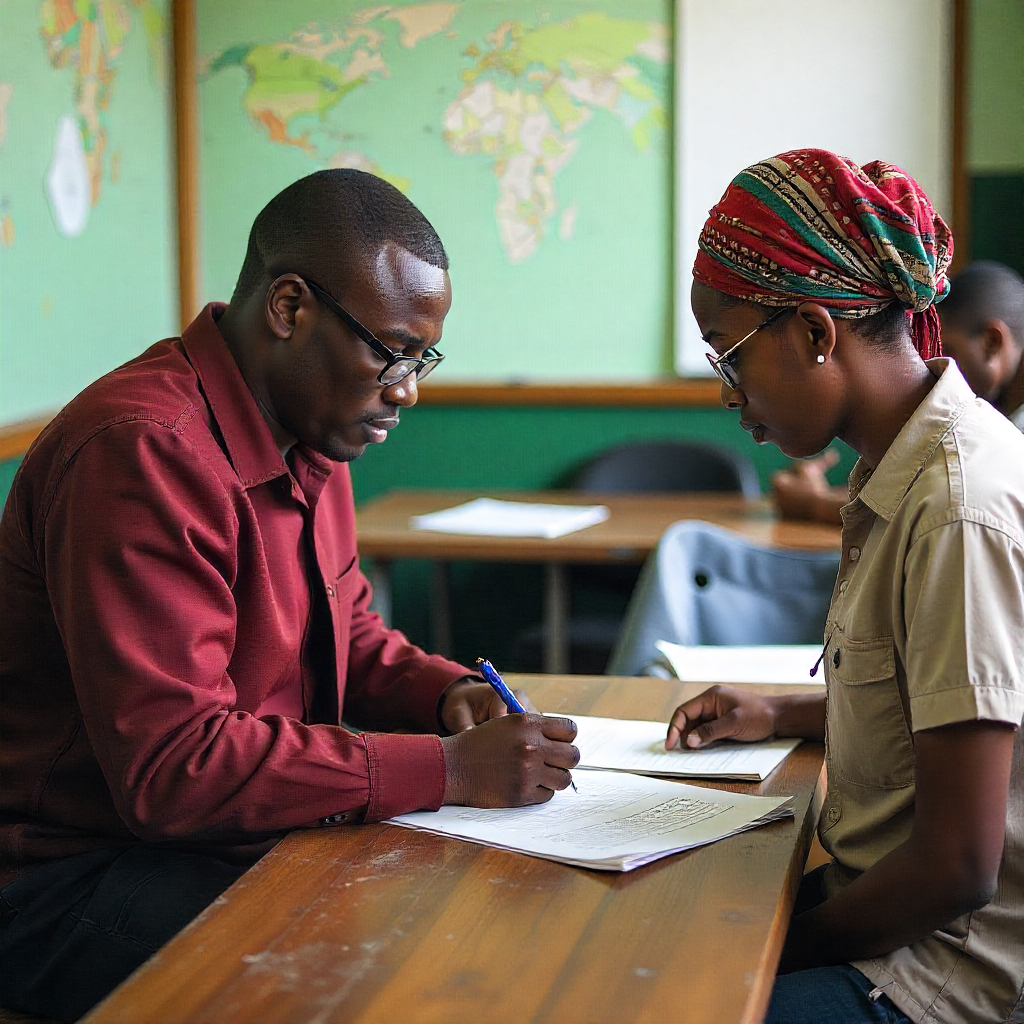
The Invisible Barrier: How Xenophobia Undermines Health Access for African Migrants in South Africa In June 2025, a 32‑year-old female migrant from Zimbabwe — let us call her Amina — arrived at a busy public clinic in Johannesburg with fever and persistent cough. Clinic staff demanded identification and proof of documentation. When Amina could not produce […]
The Impact of Xenophobia on Healthcare Utilization Among African Migrants in South African Public Clinics Read More »

Angola, South Africa, post-conflict migration, post-apartheid immigration, migration health policy, refugee health, asylum seekers, undocumented migrants, healthcare access, health equity, constitutional rights, humanitarian assistance, SADC, Southern African Development Community, cross-border migration, regional cooperation, xenophobia, discrimination, documentation status, health systems, universal health coverage, National Health Insurance, community health workers, migrant-sensitive care, cultural competency, multilingual services, tuberculosis, diabetes, maternal health, reproductive health, mental health, chronic diseases, emergency care, preventive care, Johannesburg, Cape Town, Durban, Luanda, Lunda Norte, Lóvua settlement, UNHCR, humanitarian organizations, parallel health systems, integration challenges, service delivery, health information systems, telemedicine, mobile health, implementation gaps, policy analysis, evidence-based recommendations, vulnerable populations, health rights, public health, migration governance, bilateral agreements, diaspora engagement, capacity building, resource allocation, cost-effectiveness, anti-discrimination training, language barriers, referral systems, quality improvement, professional development, research gaps, ethical considerations, participatory research, health outcomes, treatment adherence, emergency departments, public clinics, health facilities, border management, legal frameworks, policy implementation, stakeholder engagement, community partnerships, innovation solutions, technology integration, intersectional factors, gender dimensions, age-related factors, elderly migrants, children migrants, family planning, immunizations, nutrition support, developmental care, chronic disease management, care coordination, health monitoring, surveillance systems, professional qualification recognition, South-South cooperation, technical assistance, funding strategies, implementation science, health equity principles, vulnerable population protection, community consent, resource constraints, political commitment, regional stability, sustainable development

How Do Angola’s Post-Conflict Migration Policies Compare to South Africa’s Post-Apartheid Immigration Framework?

 Migration Policies in Angola and SouthAfrica Opening: Two Nations, Two Legacies, One Challenge Maria, a 34-year-old Congolese refugee, crossed into Angola’s Lunda Norte province in 2018 with her three children. Today, she lives in the Lóvua settlement among 21,000 people who continue to require assistance to meet their basic needs. Meanwhile, Tendai, an undocumented Zimbabwean

How Do Angola’s Post-Conflict Migration Policies Compare to South Africa’s Post-Apartheid Immigration Framework? Read More »