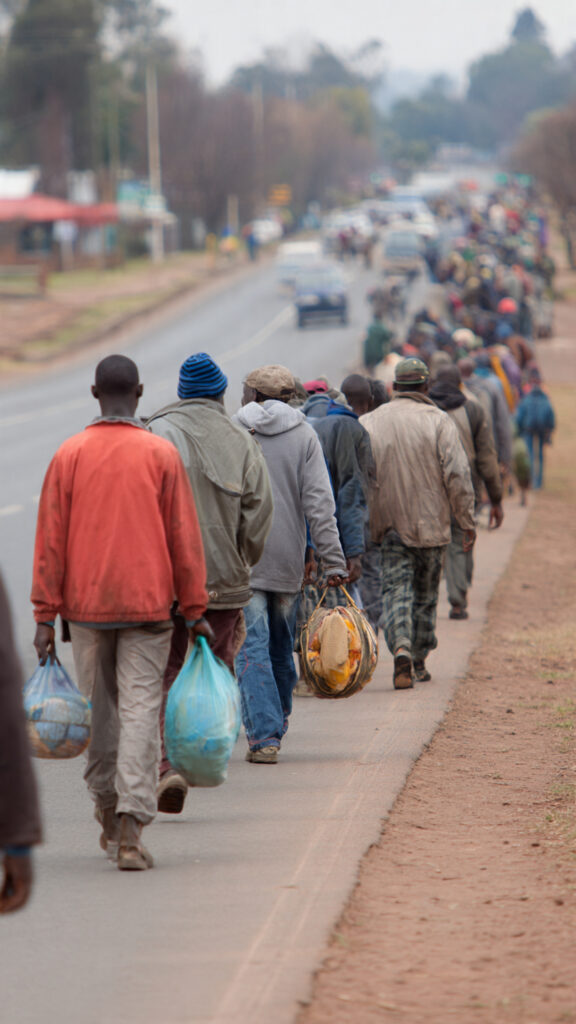
Malawian migrants

sorghum, Southern Africa, cross-border trade, forgotten superfood, migration, food security, nutrition, indigenous grains, climate-smart agriculture, urban food systems, migrant farmers, informal trade, rooftop farming, small-scale farming, gender, women traders, Zimbabwean migrants, Mozambican migrants, Malawian migrants, dietary diversity, micronutrient deficiency, drought-resistant crops, school feeding programs, public health, nutrition policy, food corridors, urban agriculture, livelihood, food sovereignty, indigenous knowledge, policy gaps, informal markets, child nutrition, ECD programs, climate resilience, low-input farming, traditional foods, health outcomes, migrant-inclusive programs, food policy, community-based solutions, nutrition security, health equity, local markets, seed circulation, household income, food accessibility, trade regulation, cross-border corridors, sustainable food systems, food innovation, cultural continuity, urban nutrition

The Sorghum Comeback: How Cross-Border Trade Is Reviving Southern Africa’s Forgotten Superfood

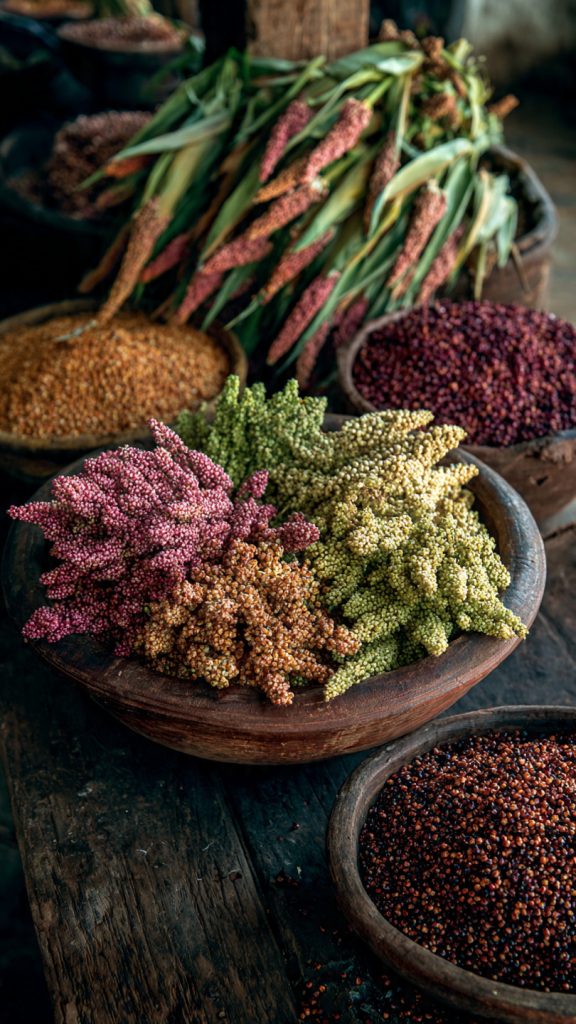
How Cross-Border Trade Is Reviving Sorghum Migration routes are becoming organic grain corridors—here’s why it matters A Quiet Revival Along Southern Africa’s Borders In 2023, South Africa imported over 280,000 tonnes of sorghum, much of it moving informally across borders before entering formal markets.This shift signals more than a trade adjustment. It reflects a nutritional, […]

The Sorghum Comeback: How Cross-Border Trade Is Reviving Southern Africa’s Forgotten Superfood Read More »

HIV, TB, HIV/TB co-infection, migrants, migrant health, migration health, mobile populations, undocumented migrants, cross-border health, South Africa, Limpopo, Gauteng, Zimbabwean migrants, Mozambican migrants, Malawian migrants, refugee health, asylum seekers, ART, antiretroviral therapy, TB treatment, treatment continuity, healthcare access, medical xenophobia, xenophobia, health disparities, circular migration, seasonal migration, border health, SADC health coordination, Musina Model of Care, peer educators, community health workers, differentiated service delivery, multi-month dispensing, patient-held health records, mobile clinics, outreach services, cross-border referral, health policy, National Health Strategic Plan, NSP 2023-2028, maternal health, gender-based violence, sexual violence, mental health, social determinants of health, economic precarity, housing conditions, informal settlements, healthcare barriers, health system gaps, regional coordination, migration-aware programming, culturally competent care, anti-discrimination training, healthcare legal rights, mobile population interventions, public health policy, health outcomes, UNAIDS targets, chronic disease management, rural healthcare, urban healthcare, clinic access, healthcare inclusion, patient support programs, health advocacy, civil society interventions, healthcare research, implementation science, health information systems, cross-border patient tracking, differentiated care models, health equity, patient retention, viral suppression, ART adherence, TB prevention, healthcare infrastructure, peer-led programs, healthcare scalability, migrant-led initiatives, occupational health, farm worker health, HIV testing, TB testing, health literacy, health education, psychosocial support, migration-related vulnerabilities, cultural competency, healthcare quality improvement, NGO healthcare support, regional health policy, cross-border treatment protocols, mobile health interventions.

How Can South Africa’s Healthcare System Better Support Migrants with HIV/AIDS and TB Co-Infections?

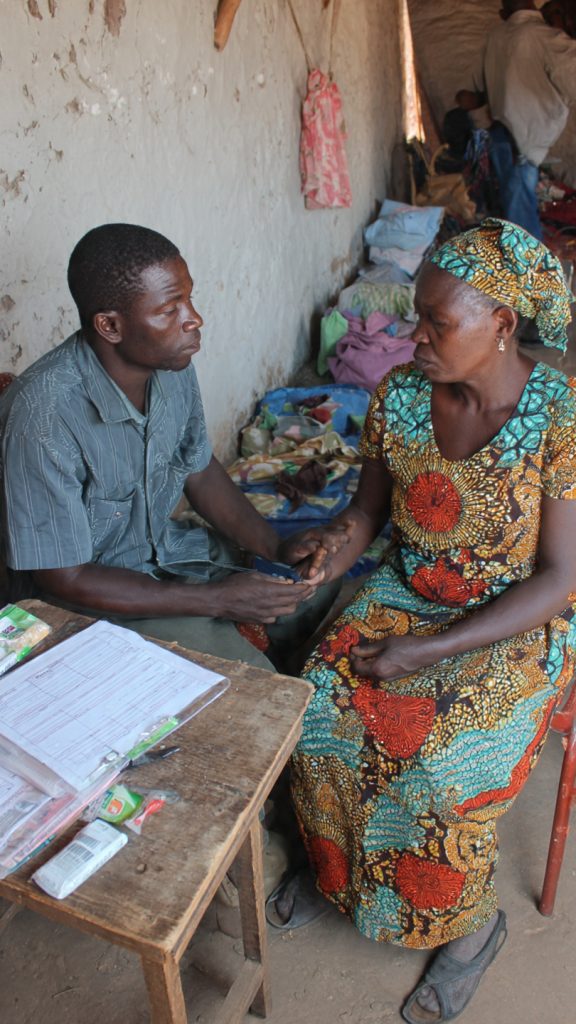
Bridging the Treatment Gap: Supporting Migrants with HIV/AIDS-TB Co-Infections in South Africa When Borders Become Barriers: The Silent Crisis Thirty-five-year-old Grace* travels between Zimbabwe and South Africa’s Limpopo province every three months. She works on commercial farms near Musina during harvesting seasons. Grace lives with both HIV and tuberculosis (TB), requiring consistent medication for both

How Can South Africa’s Healthcare System Better Support Migrants with HIV/AIDS and TB Co-Infections? Read More »

Malawian migrants, Limpopo, South Africa, health-seeking behavior, traditional medicine, biomedical healthcare, dual healthcare utilization, migrant health, access to healthcare, cultural beliefs, traditional healers, public clinics, maternal health, chronic illness, infectious disease, TB, HIV, malaria, community health workers, mobile health units, healthcare policy, National Health Act, Traditional Health Practitioners Act, undocumented migrants, language barriers, xenophobia, health disparities, integration of traditional medicine, culturally sensitive care, NGO interventions, healthcare outreach, migrant communities, healthcare access barriers, intersectional factors, gender and health, age and health, healthcare programs, evidence-based interventions, migrant health outcomes, South African health policy, health education, mobile clinics, referral systems, digital health solutions, sustainable healthcare models, community-based care, ethical healthcare, patient-centered care, dual treatment approaches, health policy gaps, migrant-focused programs.

Traditional Medicine Practices vs. Biomedical Healthcare: Health-Seeking Patterns of Malawian Migrants in Limpopo

Traditional Medicine vs. Biomedical Healthcare: Health-Seeking Patterns of Malawian Migrants in Limpopo Understanding the Health-Seeking Landscape Malawian migrants in Limpopo navigate complex healthcare options. For instance, a 2023 survey found that over 60% rely on traditional healers annually, while 45% access public clinics. Consequently, migrants often alternate between systems depending on illness severity and accessibility.

Traditional Medicine Practices vs. Biomedical Healthcare: Health-Seeking Patterns of Malawian Migrants in Limpopo Read More »

South Africa healthcare, TB outbreak, Lesotho migrants, Malawian migrants, migrant health, cross-border health, TB treatment, public health policy, migration and disease, healthcare system capacity, TB surveillance, migrant access to healthcare, health equity, xenophobia in healthcare, informal settlements, migrant workers, TB prevention, HIV co-infection, community health programs, NDoH TB policy, National Strategic Plan TB HIV, cross-border TB care, mobile populations, TB continuity of care, migrant screening, Gauteng TB, KwaZulu-Natal TB, Limpopo TB, SADC migration, healthcare for refugees, migrant-friendly clinics, TB monitoring, TB case management, public health resilience, social determinants of health, migrant inclusion, TB dashboards, treatment adherence programs, peer support migrants, migrant vulnerabilities, healthcare policy gaps, TB epidemiology, migrant health interventions

Can South Africa’s Healthcare System Sustain the Influx of Lesotho and Malawian Migrants During TB Outbreaks?

TB and Migration: Is South Africa’s Health System Ready Opening: Snapshot & Case Study In 2023, South Africa recorded roughly 270,000 new tuberculosis (TB) cases and an estimated 56,000 deaths. (tbac.org.za) Although the country reduced TB incidence by 51% since 2015, the burden remains high. South Africa also hosts a large migrant population. The 2022

Can South Africa’s Healthcare System Sustain the Influx of Lesotho and Malawian Migrants During TB Outbreaks? Read More »

regional integration, SADC, Southern African Development Community, Malawi migration, South Africa migration, economic inequality, regional trade, labour mobility, migration policy, migration health, migrant healthcare, migration and inequality, Malawian migrants, South African economy, cross-border migration, informal labour, remittances, public health, migrant rights, healthcare access, undocumented migrants, migration governance, xenophobia in South Africa, Malawi economy, regional development, RISDP 2020-2030, WHO South Africa, migrant workers, inequality in Southern Africa, migration drivers, labour market integration, migrant health policy, human capital development, sustainable development, Agenda 2063, TB among migrants, HIV and migration, migration statistics, migrant livelihoods, social protection, migration reform, migration-health nexus, migration and gender, migrant women, regional labour frameworks, economic migration, SADC policy, trade imbalance, industrialisation, inclusive growth, health equity, diaspora engagement, bilateral labour agreements, migration research, migrant inclusion, regional cooperation, migration and human rights.

Can Regional Integration Frameworks Help Balance Economic Inequalities Driving Migration from Malawi to South Africa?

When Economic Inequality Drives Migration In early 2023, a 28-year-old woman from Mzimba, northern Malawi, made the long journey to Johannesburg. She explained, “We had problems with food. We didn’t have enough to feed the whole family.” Her story, documented by the MiFOOD Network, reflects the difficult reality of many Malawians driven by food insecurity

Can Regional Integration Frameworks Help Balance Economic Inequalities Driving Migration from Malawi to South Africa? Read More »