
intersectional health

migrants South Africa, chronic disease, medication access, affordable medication, HIV, TB, diabetes, hypertension, undocumented migrants, asylum seekers, refugees, healthcare barriers, medical xenophobia, public health, health policy, National Health Act, NHI Act, South African health system, treatment interruption, self-medication, disease progression, MDR-TB, opportunistic infections, healthcare exclusion, migrant health, health inequalities, social determinants of health, health system costs, community health, NGO healthcare programs, MSF Tshwane Migrant Project, health rights, constitutional health rights, patient adherence, healthcare advocacy, health equity, migrant-friendly clinics, healthcare access, chronic disease management, health policy gaps, South African cities, Gauteng migrants, KwaZulu-Natal migrants, Tshwane migrants, public clinics, health information systems, continuity of care, health surveillance, public health risks, peer-support networks, emergency care, tertiary care, healthcare discrimination, inclusive healthcare, legal protection for migrants, healthcare interventions, evidence-based solutions, social networks, treatment adherence, vulnerable populations, intersectional health, healthcare research gaps

What Happens When Migrants with Chronic Diseases Can’t Access Affordable Medication in South Africa?

When Chronic Illness Meets Barriers: Migrants Struggling to Access Medication in South Africa A human story, and why it matters In early 2025, a 34‑year-old Zimbabwean woman — we’ll call her “Amina” — living in Johannesburg was diagnosed with hypertension. After losing her job, she could no longer afford private care. At her local public […]
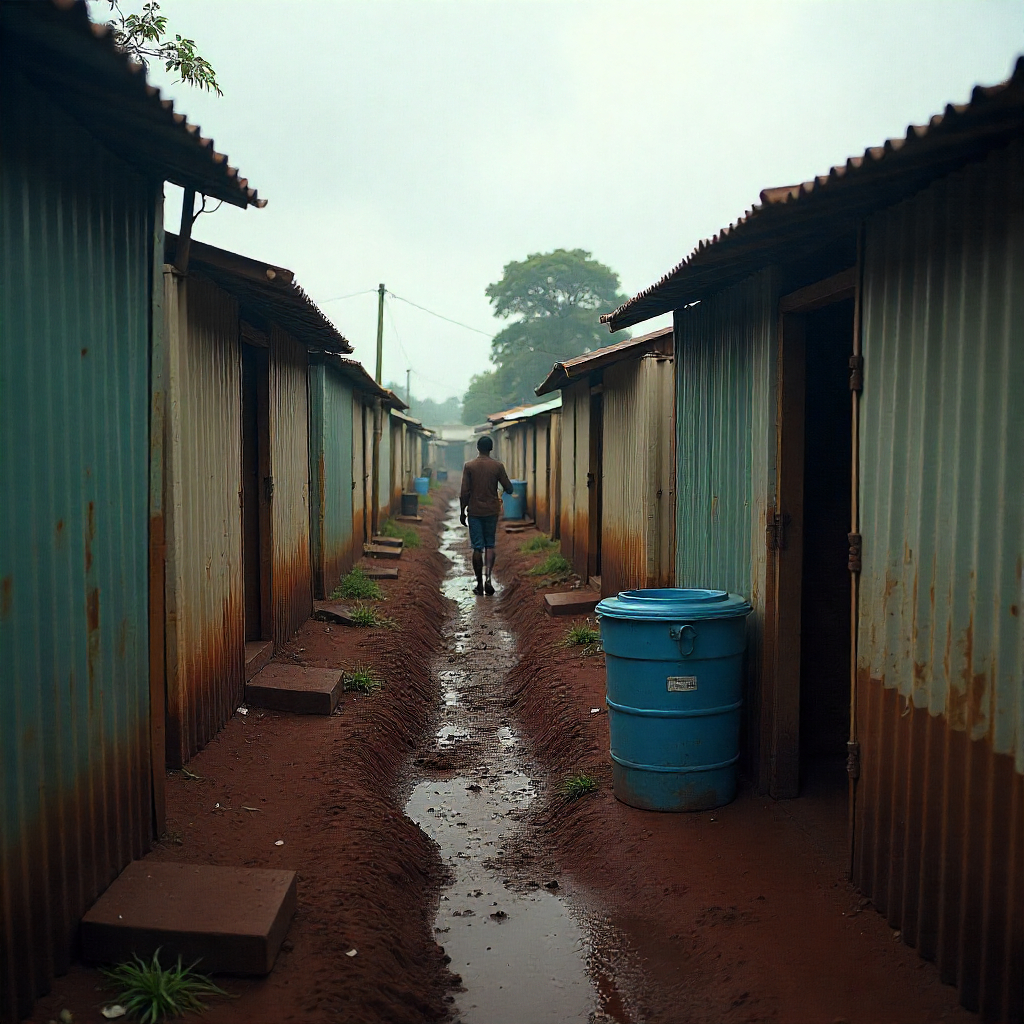
What Happens When Migrants with Chronic Diseases Can’t Access Affordable Medication in South Africa? Read More »

migration health, urban planning, South Africa, healthcare access, informal settlements, health infrastructure, health policy, internal migration, cross-border migration, urbanization, health equity, migrant health services, primary healthcare, community health workers, mobile health units, health system strengthening, National Health Insurance, NHI, universal health coverage, healthcare utilization, health disparities, climate migration, refugee health, asylum seekers, undocumented migrants, healthcare barriers, documentation status, language barriers, cultural competency, intersectional health, gender health disparities, maternal health, chronic disease management, mental health services, tuberculosis, HIV/AIDS, non-communicable diseases, health outcomes, healthcare providers, health facilities, clinic access, emergency healthcare, preventive care, health promotion, health education, telemedicine, digital health, health technology, healthcare costs, cost-effectiveness, health economics, health financing, health insurance, public health, population health, epidemiology, health surveillance, health data, health information systems, health monitoring, health evaluation, social determinants of health, housing health, water sanitation, environmental health, occupational health, school health, elder health, child health, adolescent health, reproductive health, family planning, immunization, health screening, health literacy, health communication, health advocacy, health rights, constitutional health rights, health law, health governance, health leadership, health management, health administration, health planning, health implementation, health coordination, intersectoral collaboration, health partnerships, NGO health programs, community-based health, participatory health, health research, health evidence, health innovation, health solutions, health interventions, health programs, health services delivery, health quality, patient satisfaction, healthcare workforce, health training, health capacity building, health sustainability, health resilience, urban health, metropolitan health, municipal health, provincial health, regional health, SADC health cooperation, African health systems, developing country health, middle-income country health, health development, health cooperation, health diplomacy, health security, health emergency preparedness, health system adaptation, health transformation, health reform, health modernization

Urban Planning and Migration: Infrastructure Challenges in South African Cities – A Health Policy Analysis

Migration Health in South African Cities Addressing the Critical Intersection of Urbanization, Migration, and Public Health in Post-Apartheid South Africa Introduction: The Convergence of Crisis and Opportunity In Alexandra Township, Johannesburg, 22-year-old Nomsa* (name changed) recently moved from rural Limpopo to seek employment opportunities. Like thousands of other internal migrants, she settled in an informal

Urban Planning and Migration: Infrastructure Challenges in South African Cities – A Health Policy Analysis Read More »

occupational health, African migrants, South Africa, informal economy, workplace safety, migrant workers, labor rights, health policy, public health, migration health, informal sector, workplace injuries, occupational hazards, health equity, labor protection, workers compensation, National Health Insurance, NHI, domestic workers, construction workers, agricultural workers, street traders, chemical exposure, pesticide poisoning, workplace violence, documentation status, undocumented migrants, health access, healthcare barriers, policy gaps, labor inspection, COIDA, occupational health surveillance, community health, mobile clinics, employer certification, health disparities, social protection, vulnerable populations, intersectional health, gender and health, migration policy, health systems, primary healthcare, emergency care, injury treatment, chronic diseases, respiratory health, musculoskeletal disorders, burns and injuries, mental health, psychosocial stress, workplace discrimination, language barriers, health education, peer education, multilingual services, health promotion, preventive care, health monitoring, epidemiology, public health research, health economics, cost-effectiveness, health outcomes, longitudinal studies, participatory research, regional cooperation, SADC, cross-border health, health governance, inter-departmental coordination, health financing, universal health coverage, constitutional rights, human rights, social justice, health advocacy, civil society, NGOs, community organizations, stakeholder engagement, policy implementation, health reform, regulatory enforcement, labor standards, safety training, protective equipment, hazard identification, risk assessment, injury prevention, emergency response, first aid, trauma care, rehabilitation, disability, economic impact, poverty, social determinants of health, urban health, township health, informal settlements, health infrastructure, health workforce, cultural competency, health literacy, Johannesburg, Cape Town, Durban, Zimbabwe, Mozambique, Malawi, Lesotho, Stellenbosch, Khayelitsha, Alexandra, Sandton, Western Cape, Mpumalanga, Limpopo, Gauteng, ZEP permits, LEP permits, scaffolding injuries, organophosphate poisoning, industrial cleaning chemicals, Department of Health, Department of Employment and Labour, University of Cape Town, Medical Research Council, Statistics South Africa, WHO, ILO

Informal Work, Formal Risks: Occupational Health Hazards Facing African Migrants in South Africa’s Economy

African Migrant Worker Health Risks Nomsa (not her real name), a 34-year-old Zimbabwean domestic worker in Johannesburg, suffered second-degree burns from industrial cleaning chemicals in 2023. Her employer provided no protective equipment or medical insurance. When she sought treatment at a public clinic, language barriers and documentation concerns delayed her care by three days, resulting

Informal Work, Formal Risks: Occupational Health Hazards Facing African Migrants in South Africa’s Economy Read More »