health outcomes

Maternal health, Child health, Mozambican migrants, South Africa, Border communities, Migrant women, Antenatal care, Postnatal care, Immunisation, Child mortality, Maternal mortality, Migration health, Refugees, Undocumented migrants, Health disparities, Health equity, Rural health, Urban health, Health access, Health policy, Health system, Primary healthcare, Skilled birth attendance, Nutrition, Anaemia, Non-communicable diseases, PMTCT, HIV, Poverty, Social determinants of health, Legal rights, Health financing, Healthcare barriers, Cultural competence, Community health workers, NGO interventions, Civil society, Health inclusion, Migration-sensitive data, Cross-border health, Health outcomes, Policy recommendations, Healthcare accessibility, Public health, Human rights, Health inequities, Health surveillance, Mobile populations, Healthcare utilisation

Maternal and Child Health Outcomes Among Mozambican Migrant Women in Border Communities

Maternal and Child Health Among Mozambican Migrants in Border Communities Opening: A Border Story, A Human Cost In a rural border community in northeastern South Africa — home to many former refugees and migrants from Mozambique — 4‑year-old Maria* died of a preventable illness after missing her routine immunisation. Her mother, a Mozambican migrant, lacked […]

Maternal and Child Health Outcomes Among Mozambican Migrant Women in Border Communities Read More »
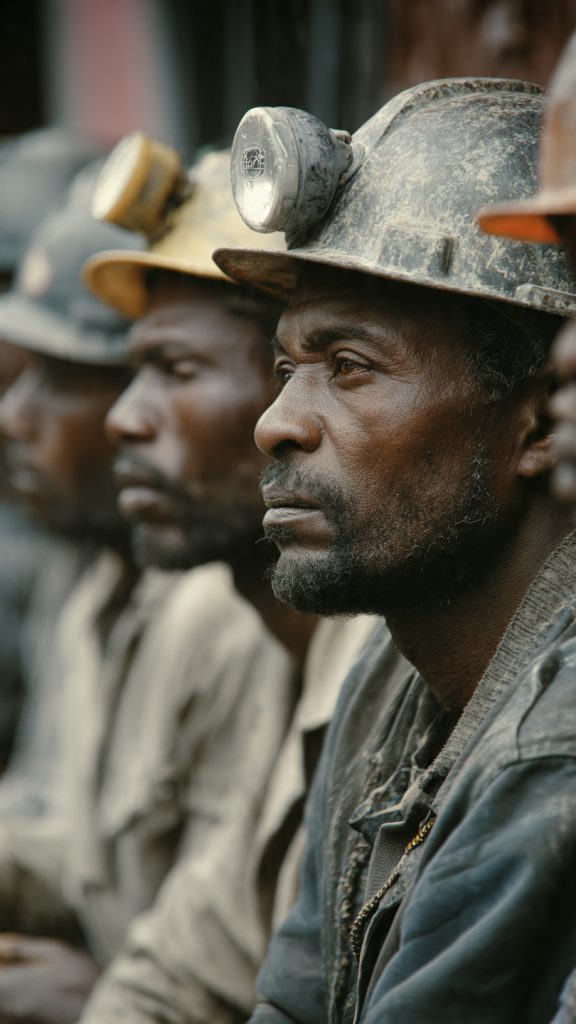

South African mines, Mozambique, migrant workers, remittance flows, economic recession, mining sector downturn, cross-border migration, SADC migration, household income, financial inclusion, informal remittance channels, formal remittance channels, gender vulnerability, age factors, documentation status, migrant health, occupational health, COVID-19 impact, return migration, wage reduction, economic shocks, social protection, livelihood security, migration policy, bilateral agreements, cross-border remittances, currency exchange risk, mining employment, Mozambican households, regional development, remittance decline, health outcomes, migration corridors, financial remittances, digital remittance solutions, remittance costs, economic vulnerability, vulnerable populations, intersectional analysis, mining job loss, policy recommendations, migration health research, South Africa-Mozambique corridor, SADC remittance trends, household resilience, nutrition and health, transnational livelihoods.

How Do Remittance Flows from South African Mines to Mozambique Change During Economic Recessions?

Remittance Flows from South African Mines to Mozambique during Economic Downturns Migrant labour from Mozambique to South African mines has a long history. Mozambique remains among the top suppliers of migrant labour to South Africa . Many migrant miners send remittances back home, supporting households, livelihoods, and health expenditures. When South Africa’s mining sector faces

How Do Remittance Flows from South African Mines to Mozambique Change During Economic Recessions? Read More »

Southern Africa, climate migration, climate-induced migration, migration health, migrant health, health systems, urban health, rural-to-urban migration, cross-border migration, undocumented migrants, informal settlements, public health, HIV, TB, disease burden, health disparities, vulnerable populations, gender and migration, youth migration, migrant women, health policy, South Africa, Gauteng, Durban, Gqeberha, Mozambique migration, Zimbabwe migration, Malawi migration, climate adaptation, health system preparedness, community health workers, CHW programs, urban planning, disaster risk management, migrant-inclusive policies, xenophobia, intersectionality, social determinants of health, health surveillance, climate-resilient health systems, regional migration policy, SADC, National Labour Migration Policy, mobile health, health equity, migration research, humanitarian response, evidence-based interventions, longitudinal studies, health outcomes, public health planning, emergency response, climate stress, food insecurity, drought displacement, flood displacement, environmental migration, health service access, migration trends, policy recommendations.

What will Southern Africa’s migration landscape look like in 2050 if current climate trends continue, and how should policymakers prepare today?

Southern Africa’s Climate Migration in 2050: Preparing Health Systems Today Opening: A Changing Migration Horizon Imagine Johannesburg, Gauteng Province, in 2050. Urban sprawl is no longer driven solely by economic migration. Increasingly, people move because climate change has destroyed rural livelihoods. Rural communities in Zimbabwe, Malawi, and Mozambique face worsening droughts, failing crops, and water

What will Southern Africa’s migration landscape look like in 2050 if current climate trends continue, and how should policymakers prepare today? Read More »

Climate migration, xenophobia, South Africa, migration health, climate change, internal migration, cross-border migration, health policy, public health, migrant health access, informal settlements, drought, floods, urban migration, rural-urban migration, health systems, HIV, chronic disease, social cohesion, migrant integration, community-led programs, municipal planning, climate adaptation, National Health Insurance, Climate Change Bill, migrant-sensitive services, peer navigators, gender, age, documentation status, human rights, service delivery, health disparities, evidence-based policy, data monitoring, disaster risk reduction, Operation Dudula, informal housing, economic vulnerability, social inclusion, health equity, NGOs, urban hubs, migrant vulnerabilities, policy gaps, health outcomes, intersectionality, climate-driven displacement, migration policy, urban infrastructure, service strain, adaptation planning, early warning systems, health system resilience.

How does climate migration intersect with existing xenophobia challenges in South Africa, and what policies could address both issues?

Climate Migration and Xenophobia in South Africa: Policy Implications for Health and Social Inclusion Introduction In early 2025, heavy rains and floods displaced thousands in the Eastern Cape and other provinces. These climate-driven events add pressure to existing migration flows and intersect with persistent xenophobia in South Africa. This post examines how climate migration amplifies

How does climate migration intersect with existing xenophobia challenges in South Africa, and what policies could address both issues? Read More »

South Africa, coastal communities, rising sea levels, internal displacement, Durban, Gqeberha, Port Elizabeth, informal settlements, migration health, climate change, flooding, storm surges, coastal erosion, urban migration, vulnerable populations, cross-border migrants, internal migrants, disaster risk, public health, housing insecurity, health systems, gender vulnerability, undocumented migrants, climate adaptation, coastal policy, National Coastal Management Programme, CARP, environmental health, relocation, psychosocial stress, infectious diseases, TB, HIV, community resilience, flood mapping, municipal planning, participatory research, disaster preparedness, adaptation strategies, climate-driven migration, migration policy, health outcomes, temporary shelters, livelihoods disruption, informal housing, sanitation, drainage infrastructure, equity, social determinants of health, mobile health services, municipal governance, urban planning, South African policy, health equity.

What are the hidden connections between rising sea levels along South Africa’s coastline and internal displacement in communities like Durban and Port Elizabeth?

Hidden Links Between Rising Sea Levels and Internal Displacement in South Africa’s Coastal Communities Opening: When the Tide Forces Movement In April 2022, heavy rains and flooding hit eThekwini (Durban), killing over 400 people. Thousands of homes were destroyed, and tens of thousands had to relocate temporarily. Along South Africa’s coastline, sea levels are rising at

What are the hidden connections between rising sea levels along South Africa’s coastline and internal displacement in communities like Durban and Port Elizabeth? Read More »

South Africa, deportation policies, migrant workers, human rights, asylum seekers, undocumented migrants, refugee protection, non-refoulement, National Labour Migration Policy, healthcare access, social services, employment rights, xenophobia, public health, migration health, migrant families, labor migration, social protection, legal framework, detention, policy gaps, migrant health forums, community-based health programs, regional health screening, inclusive policies, labor exploitation, cross-border health, maternal health, mental health, communicable diseases, non-communicable diseases, human rights violations, advocacy, civil society, policy reform, immigration law, labor quotas, health disparities, South African cities, Johannesburg, Cape Town, Hillbrow, Scalabrini Centre, Lawyers for Human Rights, ILO standards, Health Systems Trust, government policy, NGO initiatives, migrant integration, ethical sensitivity, intersectionality, gender, age, nationality, documentation status, actionable recommendations, policy implementation, migration governance, social equity, healthcare equity, public awareness campaigns, health outcomes, evidence-based solutions, regional collaboration.

How do deportation policies in South Africa impact the human rights of migrant workers and their families?

Deportation Policies in South Africa: Implications for Migrant Workers and Their Families Introduction: The Human Cost of Deportation Policies Between November 2023 and early 2024, South Africa witnessed a troubling trend. Police unlawfully arrested asylum seekers at Refugee Reception Offices across the country. Many of these individuals faced detention and deportation without full access to

How do deportation policies in South Africa impact the human rights of migrant workers and their families? Read More »

Angola, South Africa, post-conflict migration, post-apartheid immigration, migration health policy, refugee health, asylum seekers, undocumented migrants, healthcare access, health equity, constitutional rights, humanitarian assistance, SADC, Southern African Development Community, cross-border migration, regional cooperation, xenophobia, discrimination, documentation status, health systems, universal health coverage, National Health Insurance, community health workers, migrant-sensitive care, cultural competency, multilingual services, tuberculosis, diabetes, maternal health, reproductive health, mental health, chronic diseases, emergency care, preventive care, Johannesburg, Cape Town, Durban, Luanda, Lunda Norte, Lóvua settlement, UNHCR, humanitarian organizations, parallel health systems, integration challenges, service delivery, health information systems, telemedicine, mobile health, implementation gaps, policy analysis, evidence-based recommendations, vulnerable populations, health rights, public health, migration governance, bilateral agreements, diaspora engagement, capacity building, resource allocation, cost-effectiveness, anti-discrimination training, language barriers, referral systems, quality improvement, professional development, research gaps, ethical considerations, participatory research, health outcomes, treatment adherence, emergency departments, public clinics, health facilities, border management, legal frameworks, policy implementation, stakeholder engagement, community partnerships, innovation solutions, technology integration, intersectional factors, gender dimensions, age-related factors, elderly migrants, children migrants, family planning, immunizations, nutrition support, developmental care, chronic disease management, care coordination, health monitoring, surveillance systems, professional qualification recognition, South-South cooperation, technical assistance, funding strategies, implementation science, health equity principles, vulnerable population protection, community consent, resource constraints, political commitment, regional stability, sustainable development

How Do Angola’s Post-Conflict Migration Policies Compare to South Africa’s Post-Apartheid Immigration Framework?

 Migration Policies in Angola and SouthAfrica Opening: Two Nations, Two Legacies, One Challenge Maria, a 34-year-old Congolese refugee, crossed into Angola’s Lunda Norte province in 2018 with her three children. Today, she lives in the Lóvua settlement among 21,000 people who continue to require assistance to meet their basic needs. Meanwhile, Tendai, an undocumented Zimbabwean

How Do Angola’s Post-Conflict Migration Policies Compare to South Africa’s Post-Apartheid Immigration Framework? Read More »

migration governance, health policy, South Africa, Egypt, refugee health, migrant health, healthcare access, health security, universal health coverage, National Health Insurance, constitutional rights, policy implementation, health systems, African healthcare, migration health governance, refugee populations, undocumented migrants, health equity, public health, maternal health, mental health, chronic disease management, tuberculosis control, HIV prevention, healthcare providers, discrimination, fragmented governance, integrated health systems, community health workers, digital health platforms, health information systems, inter-governmental coordination, resource allocation, legal framework implementation, policy-implementation gaps, centralized governance, decentralized governance, preventive health security, community integration, institutional coordination, stakeholder perspectives, intersectional analysis, gender dimensions, age-related vulnerabilities, documentation status, healthcare provider training, evidence-based recommendations, constitutional implementation monitoring, regional coordination mechanisms, SADC frameworks, universal health coverage integration, health economics, longitudinal health outcomes, implementation science research, community participatory approaches, cross-national comparative studies, Cairo, Johannesburg, Cape Town, Syrian refugees, Zimbabwean migrants, Sudanese refugees, UNHCR, Egyptian Ministry of Health, South African Department of Health, Department of Home Affairs, Department of Social Development, Gauteng province, vaccination coverage, immunization programs, health screening, disease surveillance, trauma-informed care, cultural competency, psychosocial services, primary healthcare, emergency interventions, mobile health applications, telemedicine, health planning, budget allocation, professional development, legal obligations, constitutional entitlements, human rights, social determinants of health, health outcomes, system resilience, pandemic response, COVID-19, communicable diseases, non-communicable diseases, health service delivery, patient satisfaction, treatment completion rates, healthcare seeking behavior, barriers to care, upfront payments, language barriers, cultural misunderstandings, crisis intervention, continuity of care, medication access, health education, appointment scheduling, early detection, health monitoring, capacity building, sustainability, policy coherence, institutional structures, governance models, best practices, innovation, scaling up interventions, monitoring and evaluation, accountability mechanisms

How Does Egypt’s Migration Governance Balance Security Concerns Better Than South Africa’s Approach?

How Egypt’s Migration Governance Balances Security Concerns Introduction: Two Countries, Two Realities In 2023, Amira, a 25-year-old Sudanese refugee in Cairo, received prenatal care at a public hospital without being asked for papers or upfront fees. In Johannesburg, Tendai, a Zimbabwean migrant in a similar situation, was turned away from three public clinics before finding

How Does Egypt’s Migration Governance Balance Security Concerns Better Than South Africa’s Approach? Read More »

skilled migration, temporary work permits, South Africa, health policy, healthcare workforce, Critical Skills Work Visa, General Work Visa, Remote Work Visa, health professionals, doctors, nurses, specialists, medical migration, immigration policy, Department of Home Affairs, Health Professionals Council of South Africa, HPCSA, healthcare shortages, rural healthcare, urban healthcare, Johannesburg, Cape Town, Durban, Gauteng, Western Cape, KwaZulu-Natal, Limpopo, visa processing, administrative barriers, professional registration, conditional registration, geographic distribution, workforce planning, health system strengthening, public health, private healthcare, healthcare access, healthcare quality, patient outcomes, medical specialties, cardiology, neurosurgery, emergency medicine, oncology, family medicine, public health, telemedicine, digital health, healthcare innovation, health economics, cost-effectiveness, retention rates, integration programs, mentorship, cultural competency, language barriers, SADC countries, African healthcare, Pan-African mobility, regional agreements, health workforce observatory, migration patterns, longitudinal studies, evidence-based policy, stakeholder engagement, government coordination, inter-departmental collaboration, fast-track processing, rural incentives, urban-rural linkages, healthcare equity, health disparities, vulnerable populations, gender considerations, age factors, nationality factors, community integration, professional development, career progression, economic impact, health outcomes, service delivery, policy reform, implementation timelines, success metrics, research gaps, data limitations, comparative analysis, international best practices, Australia health migration, Canada Express Entry, New Zealand immigration, middle-income countries, healthcare systems, health policy makers, public health practitioners, NGO workers, academic researchers, civil society, professional associations, medical education, training programs, credential recognition, quality assurance, supervision models, peer review, performance monitoring, evaluation mechanisms, resource allocation, political commitment, sustainable development, health security, pandemic preparedness, emergency response, mobile health, outreach programs, specialist consultations, waiting times, maternal mortality, chronic disease management, trauma care, pediatric services, health infrastructure, technology adoption, innovation transfer, knowledge exchange, professional networks, policy advocacy, legal assistance, support services, orientation programs, housing support, transportation, safety considerations, religious accommodation, dietary requirements, succession planning, leadership development, capacity building, human capital, brain drain, brain gain, circular migration, temporary migration, permanent residency, family reunification, dependent visas, work authorization, employment permits, labor market, skills shortage, talent attraction, competitive advantage, health tourism, medical tourism, cross-border healthcare, bilateral agreements, multilateral frameworks, regional integration, Southern African Development Community, African Union, World Health Organization, International Labour Organization, Migration Policy Institute, economic development, social cohesion, cultural diversity, multiculturalism, social integration

The Role of Temporary Work Permits in Facilitating Skilled Migration to South Africa: Health Policy Implications and Opportunities

 Skilled Migration and Health Policy in South Africa A Critical Juncture: When Policy Meets Public Health Need In October 2024, Dr. Amara Okafor, a Nigerian cardiologist with fifteen years of experience, finally received her Critical Skills Work Visa after an eighteen-month application process. Her journey to practice medicine in Johannesburg exemplifies both the promise and

The Role of Temporary Work Permits in Facilitating Skilled Migration to South Africa: Health Policy Implications and Opportunities Read More »

South Africa, refugee health, asylum seekers, healthcare access, migration health, health policy, refugee integration, asylum system, healthcare barriers, documentation status, Section 22 permits, refugee protection, health systems, public health, mental health, trauma-informed care, xenophobia, medical discrimination, language barriers, cultural competency, healthcare providers, emergency care, chronic disease management, maternal health, HIV testing, tuberculosis treatment, community health workers, mobile clinics, telemedicine, digital health, multilingual services, legal aid, human rights, constitutional rights, Refugees Act 130, National Health Insurance, universal health coverage, health equity, vulnerable populations, forced migration, displaced persons, UNHCR, NGO partnerships, integrated service delivery, trauma recovery, PTSD, depression, anxiety, gender-based violence, reproductive health, prenatal care, immunizations, infectious diseases, non-communicable diseases, diabetes, hypertension, medication adherence, treatment completion, healthcare utilization, patient satisfaction, health outcomes, public health emergency, temporal vulnerability, legal limbo, permit renewals, bureaucratic barriers, administrative delays, asylum backlog, Johannesburg, Cape Town, Durban, urban health, community-based interventions, peer support, cultural mediators, interpretation services, healthcare workforce, training programs, policy implementation, health system strengthening, regional cooperation, SADC, evidence-based practice, longitudinal studies, surveillance systems, research gaps, intersectional analysis, age-specific care, gender-responsive approaches, nationality factors, Somali refugees, Congolese refugees, Burundian refugees, Ethiopian refugees, francophone populations, emergency departments, primary healthcare, preventive care, cost-effectiveness, sustainability, scalability, innovation, technology solutions, mobile health apps, electronic permits, stakeholder engagement, multi-sectoral collaboration, advocacy, social determinants of health, health disparities, access to care, quality of care, continuity of care, patient safety, cultural sensitivity, ethical considerations, human dignity, social justice, health rights, policy reform, system integration, capacity building, resource allocation, funding mechanisms, international cooperation, best practices, lessons learned, case studies, empirical evidence, statistical analysis, comparative research, implementation science, health economics, migration patterns, demographic data, epidemiological surveillance, disease prevention, health promotion, community engagement, participatory approaches, empowerment, resilience building, social cohesion, xenophobic violence, safety concerns, geographic barriers, urban concentration, service accessibility, transport challenges, appointment scheduling, waiting times, emergency services, specialist care, referral pathways, care coordination, multidisciplinary teams, holistic approaches, person-centered care, family support, child health, elderly care, disability inclusion, LGBTI+ refugees, unaccompanied minors, survivors of torture, trafficking victims, stateless persons, mixed migration flows, economic migrants, irregular migrants, deportation fears, voluntary repatriation, local integration, resettlement, durable solutions

South Africa’s Refugee and Asylum System: Processing, Integration and Support Mechanisms Through a Health Policy Lens

A Crisis at the Intersection of Migration and Health The Human Cost of System Failure In the corridors of Charlotte Maxeke Johannesburg Academic Hospital, Dr. Sarah Ndlovu encounters a familiar struggle. A 34-year-old asylum seeker from the Democratic Republic of Congo sits before her. She carries her pregnancy at seven months. However, she holds only

South Africa’s Refugee and Asylum System: Processing, Integration and Support Mechanisms Through a Health Policy Lens Read More »