
Unpacking Migration Governance
Understanding Migration Governance Frameworks in Africa
African Migration Governance represents a complex interplay of national policies, regional frameworks, and international agreements that shape how human mobility is managed across the continent. The African Union’s Migration Policy Framework serves as a cornerstone document, providing member states with comprehensive guidelines for addressing migration-related challenges and opportunities. National governments interpret and implement these guidelines through their domestic legislation, creating varying approaches to migration management. The effectiveness of these frameworks often depends on factors such as institutional capacity, resource allocation, and political will. Regional Economic Communities (RECs) play a crucial intermediary role, facilitating dialogue and cooperation between member states on migration issues. The development of coherent migration policies requires careful consideration of both formal and informal migration patterns, as well as the diverse needs of different migrant groups.
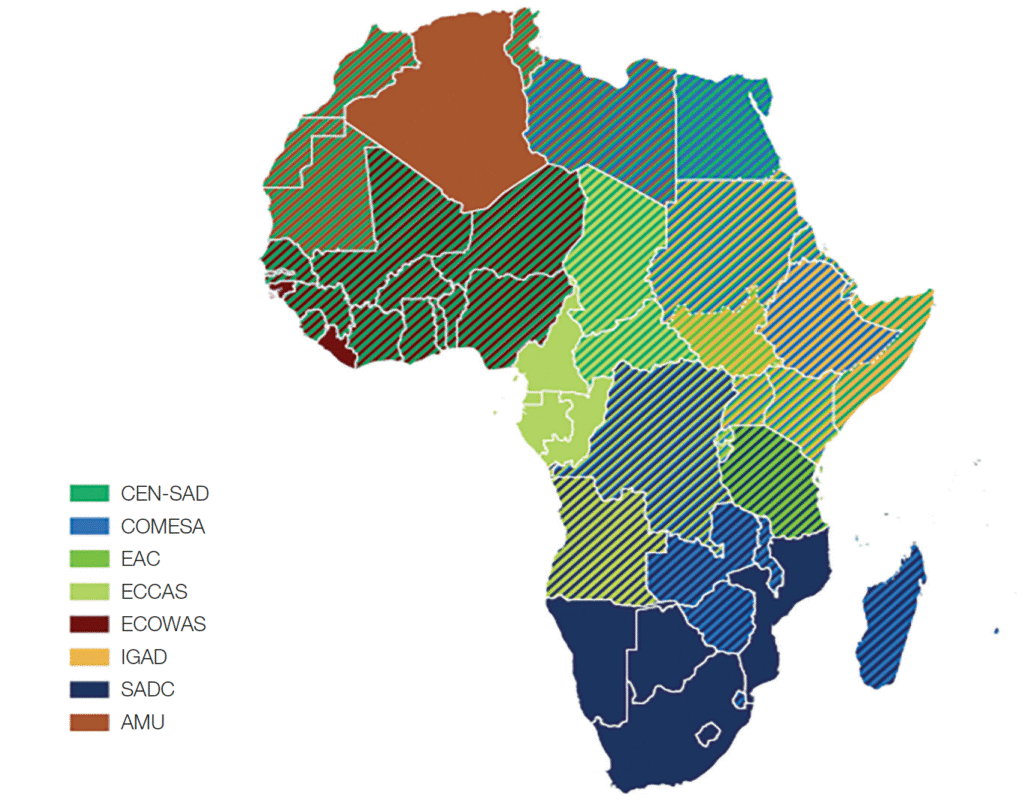
The Role of Regional Economic Communities in Migration Management
Regional Economic Communities have emerged as vital actors in strengthening migration governance across Africa, particularly in promoting free movement protocols and labor mobility agreements. The Economic Community of West African States (ECOWAS) stands out as a pioneer in implementing comprehensive free movement policies that allow citizens to travel, work, and reside within the region. Similar initiatives are being pursued by the East African Community (EAC) and the Southern African Development Community (SADC), though with varying degrees of success and implementation challenges. These regional bodies work to harmonize immigration procedures, document requirements, and border management practices among member states. The success of regional approaches to migration governance depends heavily on member states’ commitment to implementing agreed-upon protocols and policies. Regional frameworks often struggle with limited resources, technical capacity constraints, and competing national interests that can impede effective implementation.
Bilateral Agreements and Their Impact on Migration Governance
African countries increasingly rely on bilateral agreements to manage specific migration corridors and address particular migration challenges. These agreements often focus on labor migration, border management, and the protection of migrants’ rights, providing more targeted solutions than broader regional frameworks. South Africa, for instance, maintains various bilateral arrangements with neighboring countries to manage labor migration in key sectors such as mining and agriculture. Such agreements help formalize migration channels, reduce irregular migration, and enhance protection mechanisms for migrant workers. However, bilateral approaches can sometimes lead to fragmented governance systems that may undermine broader regional integration efforts. The effectiveness of these agreements often depends on regular review and adjustment to address emerging challenges and changing migration patterns.
Data Management and Migration Governance Systems
Effective migration governance in Africa increasingly relies on robust data management systems and evidence-based policymaking approaches. Many countries are investing in digital infrastructure to better track migration flows, issue secure documentation, and manage border crossing points. The collection and analysis of migration data help governments understand migration patterns, identify trends, and develop more targeted policy responses. However, significant challenges remain in terms of data quality, compatibility between national systems, and technical capacity for data analysis. International organizations and development partners provide crucial support in strengthening national statistical systems and promoting data sharing between countries.
Human Rights and Protection Mechanisms in Migration Governance
The protection of migrants’ rights remains a central concern in African migration governance frameworks, though implementation often falls short of stated objectives. Countries increasingly recognize the need to balance security concerns with human rights obligations, leading to more comprehensive approaches to migration management. Legal frameworks are being updated to provide better protection for vulnerable migrants, including refugees, asylum seekers, and victims of trafficking. Civil society organizations play a crucial role in monitoring rights violations and advocating for improved protection mechanisms. The development of national referral systems and protection services requires sustained investment and capacity building at various levels of government.
Future Trends in African Migration Governance
The future of migration governance in Africa points toward increased digitalization, regional cooperation, and policy harmonization across countries. Climate change-induced migration is emerging as a critical challenge that requires new governance approaches and adaptation strategies. African governments are exploring innovative solutions, including blockchain technology for identity management and artificial intelligence for border control systems. The African Continental Free Trade Area (AfCFTA) agreement is expected to significantly influence future migration governance frameworks as countries work to facilitate the movement of goods and people. These developments suggest a gradual shift toward more sophisticated and coordinated approaches to migration management across the continent.
Conclusion: Strengthening Migration Governance for Sustainable Development
The evolution of migration governance in Africa reflects a growing recognition of migration’s role in sustainable development and regional integration. While significant challenges remain, countries are making progress in developing more effective and rights-based approaches to migration management. Success requires continued investment in institutional capacity, technology, and regional cooperation mechanisms. The future of migration governance in Africa will depend on countries’ ability to adapt to changing migration patterns while maintaining a balance between national interests and regional integration objectives.
Related Posts: