
Understanding African Migration
African Migration Patterns: Historical Context and Modern Trends
Migration has been an integral part of African societies for millennia, shaping the continent’s demographic, social, and economic landscape. From ancient trade routes across the Sahara to contemporary movements within and beyond the continent, African migration encompasses diverse patterns, motivations, and experiences that defy simple categorization.
The Complexity of African Migration: Internal and External Flows
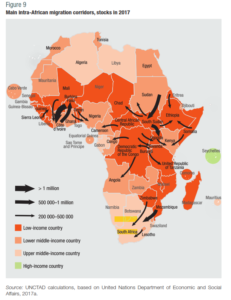
African migration is predominantly intra-continental, with approximately 80% of migrants moving within Africa rather than to other continents. This pattern challenges popular narratives that primarily focus on migration to Europe or other Western destinations. Countries like South Africa, Côte d’Ivoire, and Kenya serve as major destination hubs, attracting migrants from neighboring nations seeking economic opportunities and better living conditions.
Economic Drivers of African Migration
Contrary to common assumptions, African migration is not solely driven by poverty or desperation. Research indicates that increased economic development and education often lead to higher migration rates, as individuals gain the resources and aspirations to seek opportunities elsewhere. This phenomenon, known as the “migration hump,” suggests that development may initially increase rather than decrease migration pressures.
The Role of Climate Change in Migration Dynamics in Africa
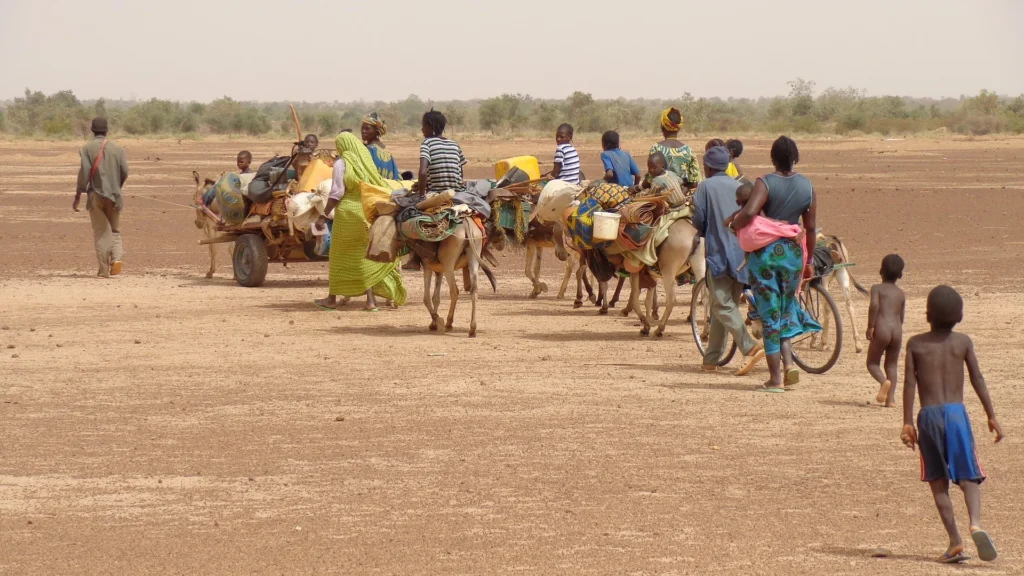
Environmental factors increasingly influence migration patterns in Africa. Climate change-induced droughts, floods, and resource scarcity affect traditional livelihoods, particularly in the Sahel region and rural areas. These environmental pressures often result in temporary or circular migration patterns as communities adapt to changing conditions while maintaining connections to their places of origin.
African Migration and Urban Development
Urbanization represents a significant dimension of Afr0-migration, with rural-to-urban movement reshaping cities across the continent. Major urban centers like Lagos, Cairo, and Johannesburg continue to attract internal migrants seeking employment and educational opportunities. This urban migration contributes to both economic dynamism and infrastructure challenges in rapidly growing cities.
The Gender Dimension of Migration in Africa
Women play an increasingly prominent role in migration especially in Africa, challenging traditional narratives that primarily focus on male migrants. Female migrants often move independently for education and employment, contributing significantly to both origin and destination economies through remittances and skills transfer. This trend reflects changing gender norms and economic opportunities across the continent.
African Migration’s Impact on Development and Innovation
Migration within and from Africa generates substantial economic benefits through remittances, knowledge transfer, and diaspora investments. The African diaspora contributes billions of dollars annually to home economies, supporting education, healthcare, and business development. These financial flows often exceed official development assistance and foreign direct investment in many African countries.
The Future of Migration in Africa: Emerging Trends and Policy Implications
 Demographic trends, including Africa’s young population and growing labor force, suggest that migration will remain a significant phenomenon in the coming decades. Regional integration initiatives, such as the African Continental Free Trade Area, may facilitate increased mobility while creating new economic opportunities within the continent.
Challenges and Opportunities in Managing African Migration
Policy responses to African migration must balance multiple objectives, including protecting migrants’ rights, maximizing development benefits, and addressing security concerns. Successful approaches often involve regional cooperation, investment in skills development, and recognition of migration’s positive contributions to both origin and destination societies.
Conclusion: Reframing the African Migration Narrative
Understanding migration in Africa requires moving beyond simplistic narratives to recognize its complexity, diversity, and potential benefits. As Africa continues to transform, migration will remain an important mechanism for adaptation, opportunity, and development. Future policy approaches should acknowledge this reality while working to enhance the positive impacts of migration for all stakeholders involved.
This comprehensive examination of African migration reveals its multifaceted nature and significance for continental development. By understanding these patterns and their implications, policymakers and stakeholders can better address challenges while harnessing migration’s potential for positive social and economic transformation.