
The Collision of Two Global Phenomena
The COVID-19 pandemic that emerged in late 2019 represented an unprecedented global health crisis that rapidly transformed into a multidimensional socioeconomic challenge with profound implications for human mobility worldwide. In Africa, where migration patterns have historically been characterized by complex intra-regional movements, circular migration, and various forms of displacement, the pandemic introduced a dramatic new variable into an already intricate migration landscape. The interplay between the pandemic and migration in Africa revealed both existing vulnerabilities within migration governance systems and remarkable resilience among migrant communities and governance institutions that adapted to extraordinary circumstances. This examination explores how COVID-19 reshaped African migration dynamics, governance responses, and the lasting implications for future migration management across the continent.
Immediate Disruptions: Border Closures and Mobility Restrictions
When COVID-19 began spreading globally in early 2020, African governments, like their counterparts worldwide, responded with swift and often severe mobility restrictions. By April 2020, 42 African countries had implemented full or partial border closures, effectively suspending most cross-border movement. These closures created immediate and profound disruptions for various migrant populations. Seasonal workers who typically moved across borders following agricultural cycles found themselves unable to reach their usual employment destinations. Cross-border traders, particularly women who constitute the majority of small-scale cross-border traders in regions like East Africa, lost their livelihoods as informal trade routes were severed. Nomadic pastoralists faced unprecedented restrictions on their traditional mobility patterns, threatening livestock health and community survival in arid and semi-arid regions.
The initial border closure phase revealed significant governance challenges. Many closures were implemented with minimal coordination between neighboring countries, creating confusion and stranding thousands of migrants at border points. The East African Community, ECOWAS, and other regional bodies struggled to harmonize their members’ diverse responses, highlighting gaps in regional migration governance frameworks during emergencies. These immediate disruptions also exposed the vulnerabilities of existing migration corridors, many of which lacked contingency protocols for public health emergencies of this magnitude.
The Humanitarian Impact: Stranded Migrants and Precarious Returns
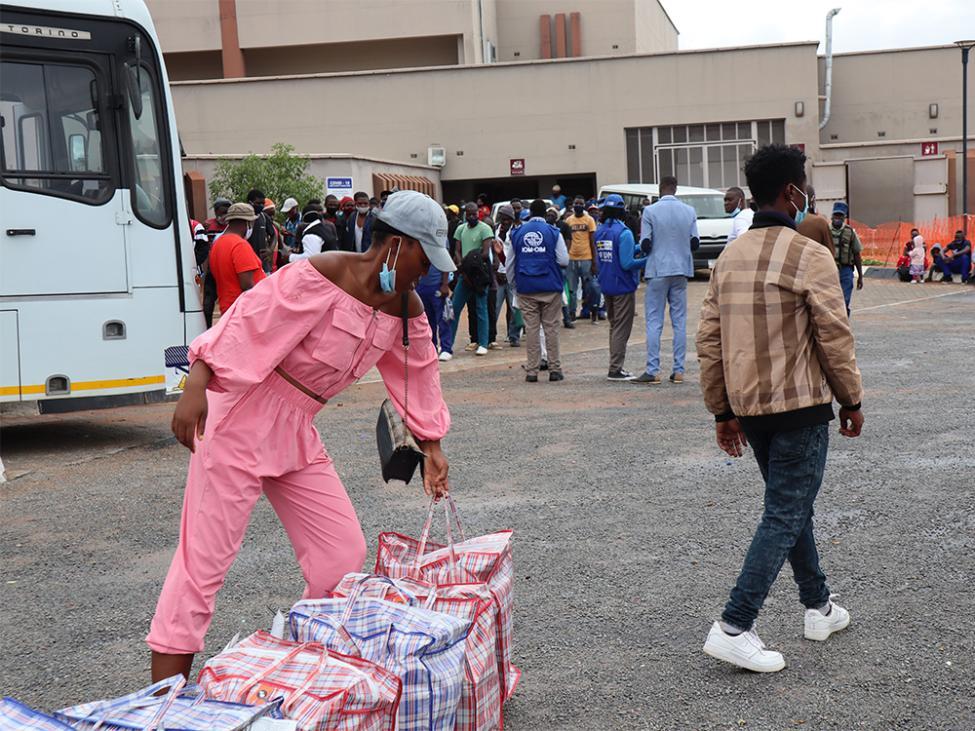
As mobility restrictions tightened across Africa and globally, a humanitarian crisis emerged involving stranded migrants. Tens of thousands of African migrants found themselves stuck in transit countries, unable to continue their journeys or return home. This situation was particularly acute in North African countries like Libya, Morocco, and Tunisia, where migrants intending to cross to Europe instead faced extended periods of immobility in often precarious conditions. Within Africa, major migration hubs like Nairobi, Johannesburg, and Addis Ababa became temporary homes for stranded migrants unable to proceed with their journeys.
The pandemic also triggered unprecedented return movements as many migrants lost employment in destination countries or faced increasing xenophobia fueled by misperceptions about disease transmission. Over 200,000 Ethiopian migrants returned from Gulf states between March 2020 and December 2021, often with little preparation for their reintegration. Similar return movements occurred across the continent, with countries like Nigeria, Ghana, and Kenya receiving substantial numbers of returning nationals from various international destinations. These returns placed significant strain on origin communities already grappling with the economic impacts of the pandemic and revealed weaknesses in reintegration support systems.
The humanitarian dimensions of these disruptions highlighted the critical importance of rights-based approaches to migration governance during crises. Countries that maintained access to essential services for migrants regardless of status demonstrated better health outcomes and more effective migration management. However, many migrants, particularly those in irregular situations, faced heightened vulnerabilities including limited access to healthcare, increased risk of detention, and loss of livelihoods without social protection.
Refugee Protection in Crisis: Asylum Systems Under Pressure
For Africa’s substantial refugee and asylum-seeker populations, the pandemic created a perfect storm of challenges. Many host countries temporarily suspended refugee status determination procedures, leaving asylum seekers in prolonged legal limbo. Access to territory for those fleeing conflict or persecution became extremely difficult as borders closed, undermining the fundamental right to seek asylum. In refugee camps across the continent, from Kakuma and Dadaab in Kenya to settlements in Uganda and Ethiopia, overcrowded conditions made physical distancing nearly impossible, while limited healthcare resources heightened vulnerability to COVID-19 outbreaks.
Yet the pandemic also catalyzed innovations in refugee protection. Uganda, despite its temporary border closure, developed protocols for identifying and admitting asylum seekers even during the height of restrictions. Rwanda incorporated refugees into its national COVID-19 response and vaccination programs from the outset. UNHCR and partner organizations rapidly deployed remote registration and case management systems, maintaining critical protection functions despite movement restrictions.
The pandemic experience ultimately reinforced the importance of including refugees and asylum seekers in national health systems and social protection mechanisms, not only as a matter of rights but as a practical public health necessity. It also accelerated the shift toward more integrated approaches to refugee assistance that bridge humanitarian and development interventions, a direction that many African countries had already been pursuing through the Comprehensive Refugee Response Framework.
Economic Dimensions: Remittances, Labor Migration, and Livelihoods
Perhaps the most widely anticipated economic impact of the pandemic on African migration was a collapse in remittance flows, which many countries across the continent heavily depend on. The World Bank initially projected a 23% decline in remittances to Sub-Saharan Africa in 2020. However, the actual outcome revealed unexpected resilience. After an initial sharp decline, remittance flows to many African countries rebounded and even exceeded pre-pandemic levels in some cases. This resilience stemmed from multiple factors, including the essential nature of many jobs held by diaspora members, targeted economic support in destination countries, and the increased adoption of digital remittance channels as physical money transfer operations closed.
Labor migration patterns, however, underwent significant transformations. Sectors traditionally employing migrants, such as hospitality, construction, and domestic work, contracted sharply during lockdown periods. Simultaneously, the pandemic highlighted the essential nature of many migrant-heavy occupations, including healthcare, agriculture, and food processing. This dual impact created shifting patterns of vulnerability and opportunity within migrant communities. Highly-skilled African migrants, particularly health workers, faced increased demand but also ethical dilemmas as their skills were desperately needed both abroad and in their countries of origin battling the pandemic.
The economic disruptions accelerated existing trends toward digitalization in migration-related services. Digital platforms for remittances, virtual labor matching, and online visa and permit applications expanded rapidly. Countries including Kenya, Ghana, and Rwanda leveraged these technologies to maintain migration services despite physical restrictions. However, this digital transition also risked excluding migrants with limited digital literacy or access, highlighting the importance of maintaining accessible alternatives.
Governance Adaptations: Innovation Amid Crisis
As the initial emergency phase of pandemic response gave way to longer-term management, African migration governance systems demonstrated remarkable adaptability. Regional bodies overcame initial coordination challenges to develop harmonized protocols for cross-border movement during the pandemic. The East African Community created standardized testing and quarantine requirements for truck drivers maintaining essential supply chains. ECOWAS developed coordinated border management approaches that balanced public health concerns with its commitment to regional mobility.
At the national level, many countries implemented pragmatic policy adjustments to address the realities of migration during the pandemic. South Africa, Kenya, Zimbabwe, and others extended the validity of visas and permits that would have expired during lockdown periods, preventing migrants from falling into irregular status due to administrative closures. Morocco and Tunisia implemented regularization programs for irregular migrants to ensure their access to healthcare during the pandemic. These measures reflected a growing recognition that inclusive approaches to migrant populations served broader public health goals.
The pandemic also accelerated innovation in border management technologies and procedures. Contactless border processing, health screening protocols, and digital health passes were rapidly deployed at key crossing points. While initially implemented as emergency measures, many of these innovations have become more permanent features of African border management systems, potentially offering more efficient and humane processing in the post-pandemic era.
Reconfiguring Migration Narratives and Policy Priorities
Beyond its immediate impacts on mobility and governance systems, COVID-19 catalyzed deeper shifts in how migration is conceptualized and prioritized within African policy frameworks. The pandemic exposed the essential nature of many migrant workers, challenging narratives that had often framed migration primarily as a security or development concern. As African countries that had previously focused on emigration suddenly saw significant return movements, the importance of comprehensive migration governance encompassing emigration, immigration, and return became more evident.
The pandemic also brought public health considerations to the forefront of migration governance in unprecedented ways. While health had always been an element of migration management, COVID-19 elevated its importance and transformed operational approaches. The African Centre for Disease Control and Prevention (Africa CDC) emerged as an important continental actor in migration governance, working alongside traditional migration-focused institutions to develop health-sensitive mobility protocols. This integration of public health and migration governance represents a significant shift likely to persist beyond the pandemic.
Perhaps most importantly, the pandemic highlighted the critical importance of African-led approaches to migration governance. As global mobility systems ground to a halt and international assistance was initially focused inward on donor countries, African institutions and governments were forced to develop context-appropriate solutions. The African Union’s leadership in coordinating continental responses and the innovations of Regional Economic Communities in maintaining essential mobility demonstrated the capacity for effective regional governance. This experience has strengthened calls for migration governance approaches that center African priorities and perspectives rather than externally driven agendas.
Lasting Legacies: The Post-COVID Migration Landscape
As Africa emerges from the acute phase of the pandemic, several lasting changes to the migration landscape have become apparent. First, the digitalization of migration management has accelerated dramatically, from visa applications to remittance transfers to virtual labor matching. While offering efficiency gains and continuity during crises, this digital transformation also presents challenges of access and inclusion that governance frameworks must address.
Second, the pandemic has reinforced the importance of flexible and humane approaches to regular migration pathways. Countries that maintained legal migration options even during the crisis generally experienced better outcomes than those that attempted to halt mobility entirely. This experience has strengthened arguments for expanded regular migration channels as both a development and governance tool.
Third, the pandemic revealed the critical importance of social protection for migrants. The vulnerability of migrant workers without access to healthcare, unemployment benefits, or other social safety nets became acutely visible during the crisis. Several African countries have begun expanding social protection coverage to include migrant populations, recognizing this as both a rights issue and a practical public health necessity.
Finally, COVID-19 has demonstrated the inextricable connections between migration governance and other policy domains including public health, social protection, labor market regulation, and digital governance. This recognition is gradually shifting institutional approaches toward more integrated governance models that can address migration as the cross-cutting phenomenon it truly is.
Reimagining Migration Governance in a Post-Pandemic Africa
The COVID-19 pandemic represented a profound shock to African migration systems, disrupting established patterns, exposing vulnerabilities, and challenging governance frameworks. Yet it also revealed remarkable resilience among migrant communities and catalyzed innovations in policy and practice that may ultimately strengthen migration governance across the continent.
Looking forward, the post-pandemic migration landscape in Africa will likely be characterized by greater appreciation for the complex interconnections between mobility, health, economic development, and human security. Effective governance approaches must be comprehensive, addressing the full migration cycle from departure through return and reintegration. They must be coordinated across borders and policy domains while remaining flexible enough to adapt to future crises, whether health-related or stemming from climate change, conflict, or economic disruption.
Perhaps most importantly, the pandemic experience has underscored the fundamental human dimension of migration governance. Behind the statistics of borders closed, remittances sent, and protocols developed are millions of individual human journeys interrupted, transformed, or reimagined. A migration governance approach that centers these human experiences—protecting rights, preserving dignity, and promoting well-being—will be essential as Africa navigates the complex migration landscape that COVID-19 has helped to shape. In this reimagined governance approach lies the potential for migration to contribute more fully to resilient, inclusive, and sustainable development across the African continent.