Zimbabwe

climate change education, SADC crisis, education disruption, school closures, climate disasters, drought schools, cyclone damage, health equity, vaccination gaps, malnutrition, stunting, sexual violence, early pregnancy, child marriage, health literacy, water sanitation, disease prevention, health systems, climate adaptation, resilience centers, gender disparities, girls education, migration, displaced students, disability, school health, reproductive health, contraceptive access, tuberculosis, malaria prevention, school meals, teacher training, distance learning, accelerated learning, re-enrollment, climate infrastructure, health clinics, curriculum integration, learning loss, inequality, urban migration, child protection, early warning, disaster reduction, climate finance, Mozambique, Zimbabwe, South Africa, Malawi, cross-sectoral coordination

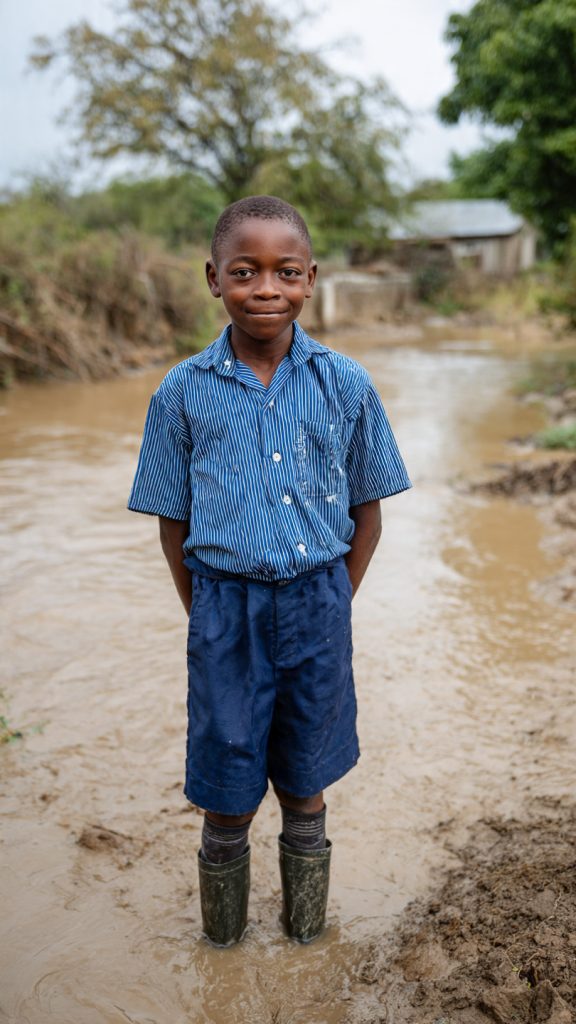
SADC’s Climate-Education Crisis: Why Repeated Floods and Droughts Mean Millions of Children Are Missing School

The Catastrophe Unfolding: Climate Disruption Displaces Students Across the Region Across Southern Africa, climate disasters are striking faster and with greater intensity than ever before. In Mozambique alone, successive cyclones—Cyclone Idai in 2019 and Cyclones Eloise and Ana between 2021 and 2022—displaced nearly 600,000 people and destroyed more than 3,500 schools. Yet statistics reveal only […]

SADC’s Climate-Education Crisis: Why Repeated Floods and Droughts Mean Millions of Children Are Missing School Read More »

socioeconomic factors, referral pathways, communication channels, data sharing protocols, coordination mechanisms, multi-country collaboration, regional frameworks, health agreements, memoranda of understanding, technical committees, public health surveillance, outbreak response, health security, epidemic preparedness, pandemic response, health emergency management, contact tracing, case investigation, risk assessment, health financing, donor funding, domestic health funding, resource mobilization, budget allocation, health expenditure, financial sustainability, health economics, cost-effectiveness, implementation strategies, scale-up, pilot programs, best practices, lessons learned, program evaluation, monitoring and evaluation, health system performance, quality improvement, right to health, healthcare rights, migrant rights, health equity, ethical healthcare, non-discrimination, universal health coverage, patient rights, informed consent, data privacy, electronic health information systems, health management information systems, HMIS, interoperability, data standards, patient identifiers, laboratory information systems, reporting systems, SMS reminders, healthcare workforce, health worker training, staff shortages, burnout, capacity development, professional development, human resources for health, health worker migration, brain drain

What Are the Cross-Border Health Coordination Challenges Between South Africa and Neighboring SADC Countries?

Breaking Down Borders, Building Health Systems: The Cross-Border Coordination Crisis in Southern Africa Introduction: When Borders Become Barriers to Health Maria, a 34-year-old Mozambican mother living in Nkomazi, South Africa, discovered she was HIV-positive during antenatal care. Immediately, healthcare workers started her treatment. However, when she returned to Mozambique for a family emergency three months

What Are the Cross-Border Health Coordination Challenges Between South Africa and Neighboring SADC Countries? Read More »

COVID-19, border closures, South Africa, Zimbabwe, informal cross-border traders, ICBT, migration health, women traders, livelihood impact, economic vulnerability, informal trade, Musina, Beitbridge, gender-based violence, undocumented migrants, public health policy, COVID-19 pandemic, trade disruption, cross-border trade, food security, health risks, transport brokers, informal routes, pandemic response, social protection, policy gaps, digital adaptation, peer support networks, HIV, TB, pandemic preparedness, migration policy, small-trader corridor, health outreach, migrant communities, economic resilience, human rights, informal economy, COVID-19 lockdown, cross-border mobility, livelihood precarity, intersectional vulnerabilities, South African policy, Zimbabwean traders, border management, public health surveillance, economic loss, NGO advocacy, civil society support, pandemic mitigation.

How Did COVID-19 Border Closures Between South Africa and Zimbabwe Impact Informal Cross-Border Traders?

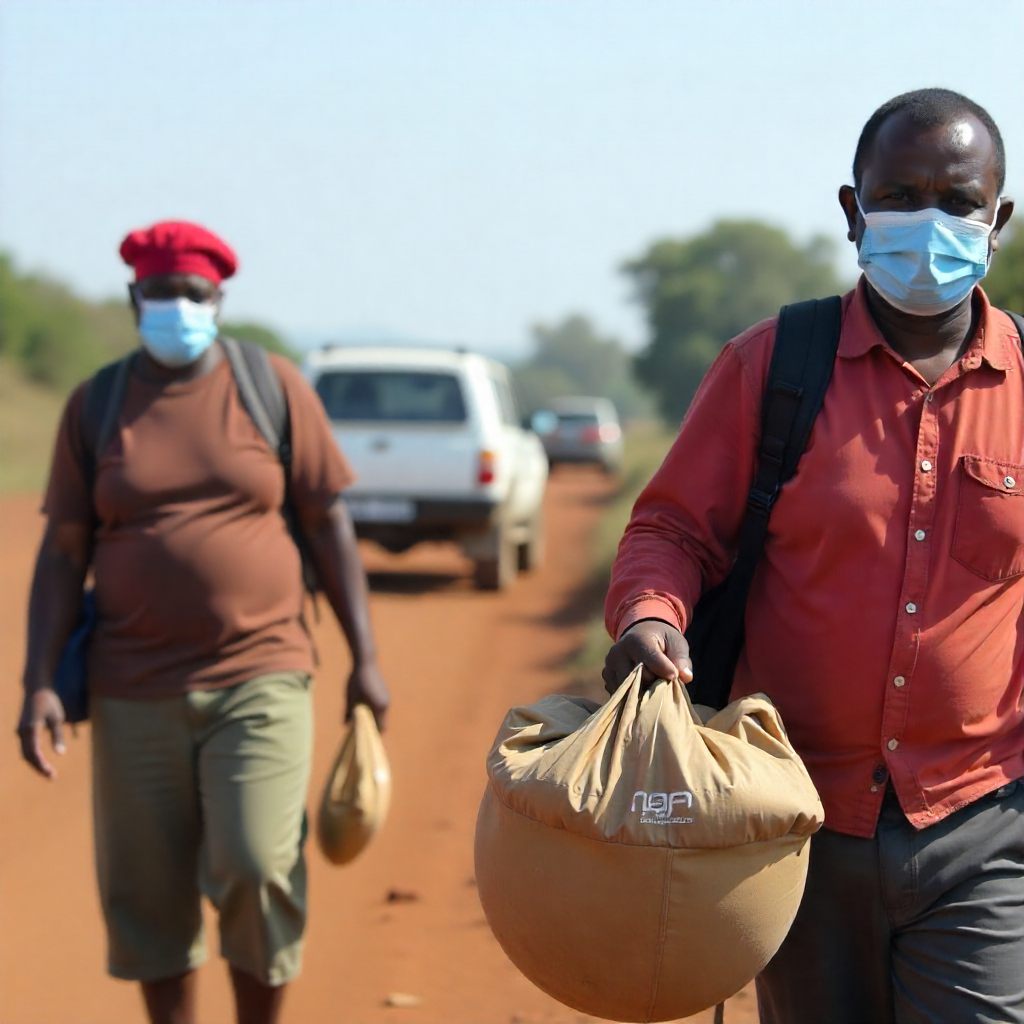
How COVID‑19 Border Closures Affected Zimbabwean Traders Opening: Lives Interrupted On 15 March 2020, Beitbridge Border Post — the key land‐border crossing between South Africa and Zimbabwe — effectively sealed for non‑essential human traffic when 35 of South Africa’s 53 land borders were closed to limit the spread of COVID‑19. ACCORD+2News24+2This seemingly technical public‐health decision rippled into the lives

How Did COVID-19 Border Closures Between South Africa and Zimbabwe Impact Informal Cross-Border Traders? Read More »

brain drain, skilled professionals, Zimbabwe, Zambia, South Africa, health workforce migration, healthcare workers, health policy, migration health, human resources for health, regional collaboration, SADC health systems, ethical recruitment, rural health retention, health worker incentives, diaspora engagement, return migration, brain circulation, labour migration policy, Critical Skills Visa, bilateral agreements, healthcare capacity, professional recognition, health system strengthening, public health policy, cross-border mobility, workforce data systems, task shifting, retention schemes, healthcare inequality, gender and migration, intersectional migration, migrant healthcare professionals, health sector reform, African health systems, regional brain drain solutions, sustainable health workforce, South African health policies, healthcare migration trends, policy recommendations, circular migration

What Solutions Could Address the Brain Drain of Skilled Professionals from Zimbabwe and Zambia to South Africa?

Addressing the Brain Drain of Skilled Professionals from Zimbabwe and Zambia to South Africa Policy Solutions for Health Workforce Retention and Regional Collaboration 1. A Human Story Behind the Numbers In 2023, Mbali, a nurse from Lusaka, left her district hospital for a private facility in Johannesburg. She had been the only midwife trained in

What Solutions Could Address the Brain Drain of Skilled Professionals from Zimbabwe and Zambia to South Africa? Read More »

COVID-19, South Africa, border controls, regional migration, migration health, health policy, public health, migrant healthcare, undocumented migrants, border closures, Southern Africa, Zimbabwe, Mozambique, Lesotho, healthcare access, mental health, Border Management Authority, refugee health, asylum seekers, community health workers, Johannesburg, Cape Town, Durban, informal sector, agricultural workers, seasonal migration, cross-border health, health systems, migration patterns, deportation, documentation status, health screening, quarantine protocols, PCR testing, healthcare barriers, traditional healers, occupational health, transport workers, port cities, economic migration, family separation, remittances, informal trading, unaccompanied minors, tuberculosis, maternal mortality, reproductive health, gender-based violence, elderly migrants, child health, immunizations, digital health, telemedicine, WhatsApp health services, mobile health units, contact tracing, health surveillance, epidemiological data, health information systems, migration health governance, policy evaluation, stakeholder engagement, civil society organizations, NGOs, human rights, xenophobia, health equity, universal health coverage, health security, pandemic response, lockdown, state of disaster, repatriation, legal limbo, visa requirements, critical skills visa, embassy services, deportation fears, health facility attendance, chronic conditions, infectious diseases, disease transmission, mental health crisis, depression, anxiety, domestic violence, substance abuse, suicide, psychological trauma, social protection, community organizations, health cooperation, SADC, bilateral agreements, health integration, telehealth, cultural competency, linguistic barriers, health literacy, preventive care, emergency healthcare, primary healthcare, specialist services, hospital networks, provincial health departments, Department of Health, Department of Home Affairs, health budgets, cost-effectiveness, implementation timelines, policy recommendations, evidence-based interventions, best practices, research gaps, data collection, surveillance systems, participatory research, longitudinal studies, randomized controlled trials, policy impact assessment, intersectional analysis, vulnerability assessment, ethical considerations, human dignity, social determinants of health, health disparities, marginalized populations, hidden populations, respondent-driven sampling, mixed methods research, qualitative research, quantitative analysis, statistical significance, public health emergency, health emergency preparedness, resilience building, health system strengthening

The Impact of COVID-19 on South African Border Controls and Regional Migration Patterns: A Health Policy Perspective

 COVID-19 Migration in South Africa Introduction: Borders as Barriers to Health On 15 March 2020, President Cyril Ramaphosa declared a national state of disaster. Overnight, borders closed to all but goods and citizen repatriation, reshaping migration across Southern Africa. Maria*, a Mozambican domestic worker in Johannesburg, suddenly faced losing her job if she returned home,

The Impact of COVID-19 on South African Border Controls and Regional Migration Patterns: A Health Policy Perspective Read More »