youth employment

return migration, South Africa, Lesotho, Eswatini, labour shortages, migrant workers, SADC migration, cross-border labour, low-skilled labour, domestic work, agriculture sector, mining sector, construction sector, health workforce, public services, seasonal labour, informal work, migration policy, labour migration policy, occupational health, migrant reintegration, gender and labour, youth employment, skills mismatch, workforce planning, migration health, migrant vulnerabilities, undocumented workers, SADC labour market, returnee employment, sectoral labour gaps, labour supply, policy recommendations, employment trends, COVID-19 impact on migration, regional migration, labour market intelligence

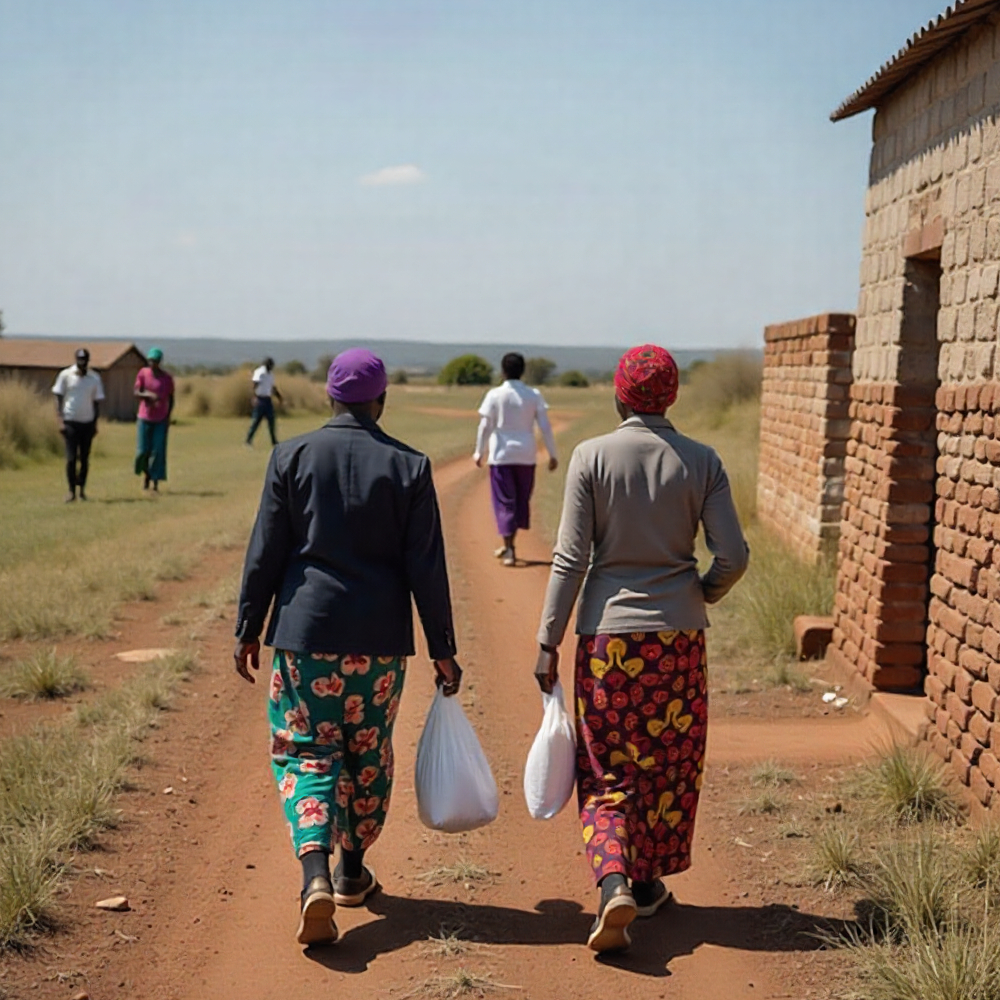
What Sectors Are Experiencing Labor Shortages Due to Return Migration from South Africa to Lesotho and Eswatini?

When Our Neighbours Stop Coming: Return Migration and Sectoral Labour Gaps in South Africa Opening: A Startling Case and the Context In early 2021, during South Africa’s Covid‑19 lockdown, around 100,000 labour migrants returned from South Africa to Lesotho. Many had worked in low‑skilled sectors such as domestic work, construction, mining, and agriculture (lesotho.un.org). Of […]

What Sectors Are Experiencing Labor Shortages Due to Return Migration from South Africa to Lesotho and Eswatini? Read More »

Congolese migration, economic development initiatives, Democratic Republic of the Congo, DRC economy, South Africa migration, regional integration, SADC policies, job creation in DRC, youth employment, women empowerment, migration health, cross-border trade, informal economy, livelihood programmes, digital skills training, entrepreneurship support, agribusiness development, migration governance, returnee reintegration, migrant livelihoods, migration and health policy, poverty reduction, inclusive growth, social protection, sustainable livelihoods, conflict and displacement, human capital development, migration alternatives, economic resilience, migration push factors, South African health system, migrant health access, migration policy reform, regional development fund, migration research, gender-sensitive policy, documentation barriers, informal sector, occupational health, community empowerment, sustainable development, migration management, African migration trends, public health equity, migration solutions, economic transformation, local job opportunities, stay-at-home migration alternatives.

What Economic Development Initiatives Could Keep Congolese Migrants Closer to Home Rather Than Traveling to South Africa?

 Economic Development Initiatives for Congolese Migrants Opening: A Story of Choice and Opportunity In the busy streets of Lubumbashi, Marie (a pseudonym) repairs mobile phones in a small workshop. She once planned to migrate to Johannesburg in South Africa. Instead, she accepted a local youth-skills training in digital repair and micro-enterprise support. Now she earns

What Economic Development Initiatives Could Keep Congolese Migrants Closer to Home Rather Than Traveling to South Africa? Read More »

Botswana economic model, Botswana success story, Southern Africa migration, migration pressures, economic development, regional integration, job creation, youth employment, inequality reduction, SADC economies, sustainable growth, human capital investment, governance reforms, diversification strategies, poverty reduction, African migration policy, migration management, regional cooperation, inclusive growth, infrastructure development, entrepreneurship support, public health and migration, gender and migration, education and skills development, South Africa migration trends, cross-border labour mobility, remittances, economic resilience, informal economy, social protection, policy innovation, Botswana Vision 2036, Africa migration solutions, regional economic policy, migration health, migration governance, development partnerships, migrant livelihoods, economic opportunity, SADC policy reform.

How Can Botswana’s Economic Success Model Be Replicated to Reduce Outward Migration Pressures in Southern Africa?

 Botswana’s Economic Success Model A Rising Economy Amid Persistent Migration Flows Migration pressures continue to shape Southern Africa’s social and economic landscape. Between 2020 and 2024, roughly 108,000 South Africans emigrated, averaging 27,000 people a year—about 74 leaving daily (BusinessTech, 2024). In contrast, Botswana’s success story offers valuable lessons. Once one of the world’s poorest

How Can Botswana’s Economic Success Model Be Replicated to Reduce Outward Migration Pressures in Southern Africa? Read More »

remittances, South Africa, Lesotho, economic inequality, poverty reduction, migration, migrant workers, cross-border remittances, household income, informal economy, rural livelihoods, development finance, financial inclusion, gender inequality, youth employment, labour migration, SADC region, regional integration, economic development, social protection, money transfers, diaspora investment, sustainable development, inequality gap, economic resilience, foreign exchange, Basotho migrants, remittance flows, rural development, South African mining sector, financial literacy, inclusive growth, income redistribution, social welfare, household welfare, banking access, policy reform, economic empowerment, digital remittances, mobile money, South African Reserve Bank, Lesotho Central Bank, UNDP, World Bank, migration policy, fiscal policy, regional cooperation, poverty alleviation, social equity, community development, informal remittance channels, economic mobility, structural inequality, South Africa–Lesotho corridor.

What Role Can Remittances from South Africa Play in Reducing Economic Inequality in Lesotho?

Remittances and Inequality: Lessons from Lesotho and South Africa A Lifeline Across the Border Every month, thousands of Basotho workers in South Africa send money home. These remittances are more than just financial transfers—they are survival tools for entire families. According to the World Bank (2024), remittances contributed about 23% of Lesotho’s GDP, one of

What Role Can Remittances from South Africa Play in Reducing Economic Inequality in Lesotho? Read More »