xenophobia and health

overcrowded housing, informal settlements, migrant health, South Africa migration, public health risks, infectious disease transmission, TB in migrants, HIV and migration, respiratory infections, diarrhoeal diseases, cholera outbreaks, mental health in migrants, psychological distress, maternal health, child health, low birthweight, antenatal care access, indoor air pollution, sanitation challenges, overcrowding health impacts, housing policy South Africa, UISP, National Housing Code, migrant access to healthcare, xenophobia and health, health system barriers, migrant documentation challenges, urban health, Cape Town informal settlements, Johannesburg informal settlements, Durban informal settlements, Musina migrant workers, ventilation and health, community upgrading, mobile clinics South Africa, TB outreach, migrant maternal shelters, health policy recommendations, African migrants, migrant women's health, child morbidity, migrant community perspectives, cross-sector collaboration, urban planning and health, settlement upgrading programs, health equity, vulnerable populations, migrant rights, safe housing initiatives.

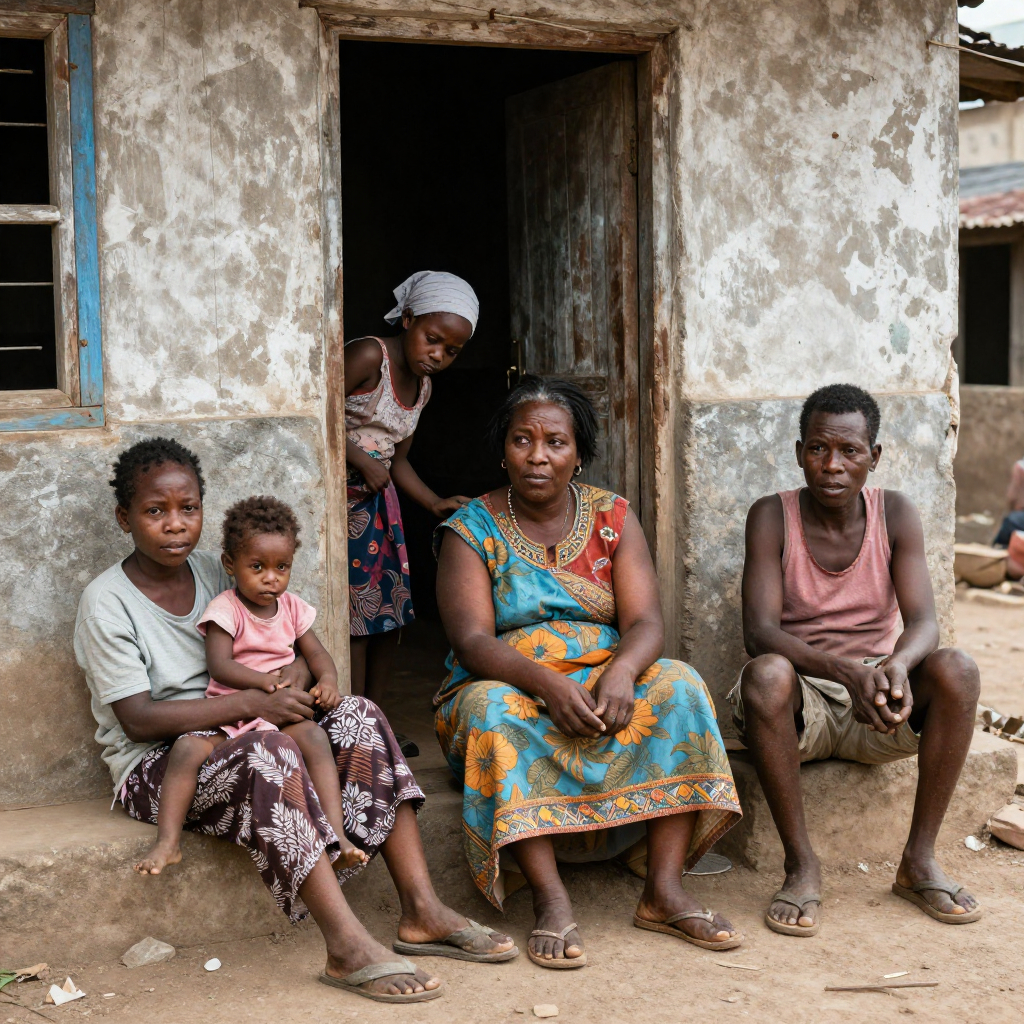
How Does Overcrowded Housing in Informal Settlements Impact Migrant Health Outcomes?

How Overcrowded Housing in Informal Settlements Impacts Migrant Health Outcomes in South Africa Infectious Disease Transmission • Mental Health • Maternal & Child Health 1. Introduction: When a Home Becomes a Health Risk In March 2024, “Amina,” a 28-year-old Somali woman living in Cape Town’s Philippi settlement, shared a simple worry: “At night we sleep […]

How Does Overcrowded Housing in Informal Settlements Impact Migrant Health Outcomes? Read More »
police brutality South Africa, migrant rights South Africa, xenophobia, irregular migrants, police corruption, extortion by police, arbitrary arrests, racial profiling, South African Police Service, SAPS misconduct, IPID oversight, Civilian Secretariat for Police, community policing forums, human rights violations, immigration enforcement, migrant health, public health and policing, healthcare access for migrants, law enforcement accountability, Lindela Repatriation Centre, corruption watch South Africa, Lawyers for Human Rights, African Centre for Migration and Society, Amnesty International South Africa, fear of arrest, gender-based violence migrants, migrant women abuse, public health security, undocumented migrants, Operation Dudula, anti-immigrant violence, migrant traders, informal economy policing, street-level corruption, police reform South Africa, accountability mechanisms, civil society oversight, migrant inclusion, community safety, policy reform South Africa, SAPS training, human dignity, equality before the law, migrant advocacy, xenophobia and health, policing and human rights, African migrants South Africa, health system response, migration policy, migrants in Gauteng, migrants in Johannesburg, migrants in Durban, migrants in Cape Town, inclusive policing, law enforcement reform, migrant protection, border control policy, constitutional rights South Africa, Immigration Act South Africa, migrant livelihoods, anti-corruption initiatives, social justice, urban safety, human security, community trust, migrant participation, health policy reform, TB and HIV among migrants, police impunity, rule of law South Africa, ethical policing, discrimination in policing, migrants and healthcare access, corruption in law enforcement, South African human rights law, refugee protection, asylum seekers South Africa, NGO interventions, migration health research, evidence-based policy, policy recommendations South Africa, intersectionality and policing, vulnerable populations South Africa.

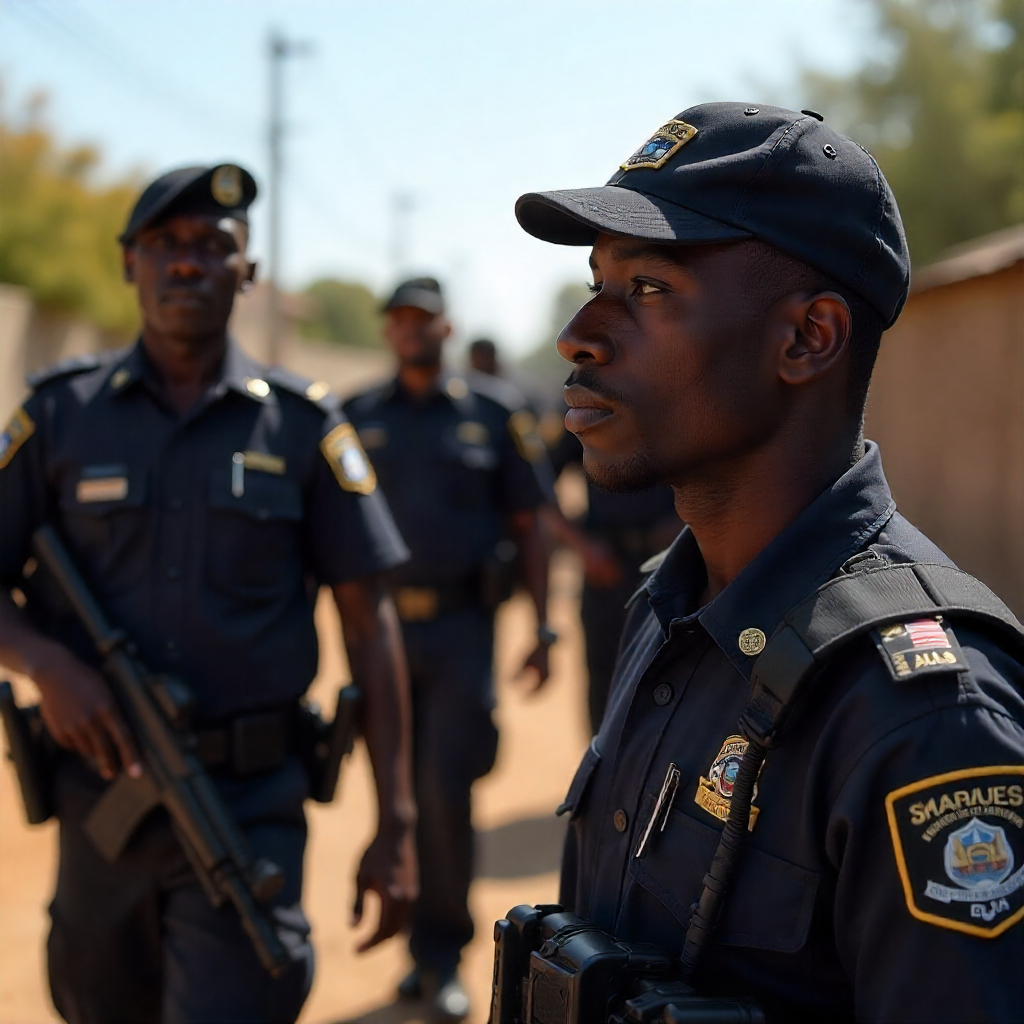
Police or Persecutors? When Law Enforcement Targets Irregular Migrants Instead of Protecting Them

When Law Enforcement Becomes a Threat to Migrant Safety Introduction: When Protection Turns into Persecution In South Africa’s cities, law enforcement is meant to ensure safety. Yet for thousands of African migrants, the police represent fear, not protection.In Johannesburg’s inner city, 32-year-old Musa, a Zimbabwean trader, recounts being stopped five times in one month. Each

Police or Persecutors? When Law Enforcement Targets Irregular Migrants Instead of Protecting Them Read More »

SADC protocols, Southern African migration, cross-border trade, migrant health, health policy in Southern Africa, migration and health, visa requirements SADC, healthcare access for migrants, migrant healthcare South Africa, border health infrastructure, HIV among migrants, TB among migrants, migrant mental health, xenophobia and health, Johannesburg migrants, Cape Town migrants, Durban migrants, International Organization for Migration, South African Department of Home Affairs, SADC Regional Migration Policy Framework, South African Migrant Health Program, Médecins Sans Frontières South Africa, International Rescue Committee Southern Africa, migrant rights, regional migration policy, public health in Southern Africa, National Health Insurance South Africa, migrant health services, migration policy gaps, free movement of persons SADC, migrant well-being, health equity Southern Africa, healthcare for undocumented migrants, cross-border mobility, regional health cooperation, migration and HIV prevention, migrant health infrastructure, migration and infectious diseases, migration and human rights.

Cross-Border Trade and Movement: How SADC Protocols Affect Migration Between Southern African Countries

Migration Health in Southern Africa Introduction: Migration in Southern Africa The Southern African Development Community (SADC) is marked by intense mobility. Economic, social, and cultural ties drive millions across borders each year. This movement supports trade and livelihoods but also raises complex health policy questions. Therefore, understanding how SADC protocols shape migration is essential for

Cross-Border Trade and Movement: How SADC Protocols Affect Migration Between Southern African Countries Read More »