women migrants

Zimbabwean migrants, Johannesburg, urban food systems, traditional diets, dietary transition, food insecurity, migrant health, nutrition, non-communicable diseases, NCDs, obesity, diabetes, hypertension, micronutrient deficiencies, women migrants, children, undocumented migrants, low-income households, spaza shops, street food, community kitchens, urban agriculture, migrant inclusion, food policy, National Food and Nutrition Security Plan, Integrated Nutrition Programme, Social Assistance Act, food access, culturally appropriate foods, food affordability, health disparities, nutrition education, public health, migrant-sensitive interventions, South African cities, Hillbrow, Berea, Yeoville, Rosettenville, nutrition surveillance, food marketing, urban health, gender disparities, age disparities, income vulnerability, diet-related health outcomes, policy gaps, evidence-based solutions.

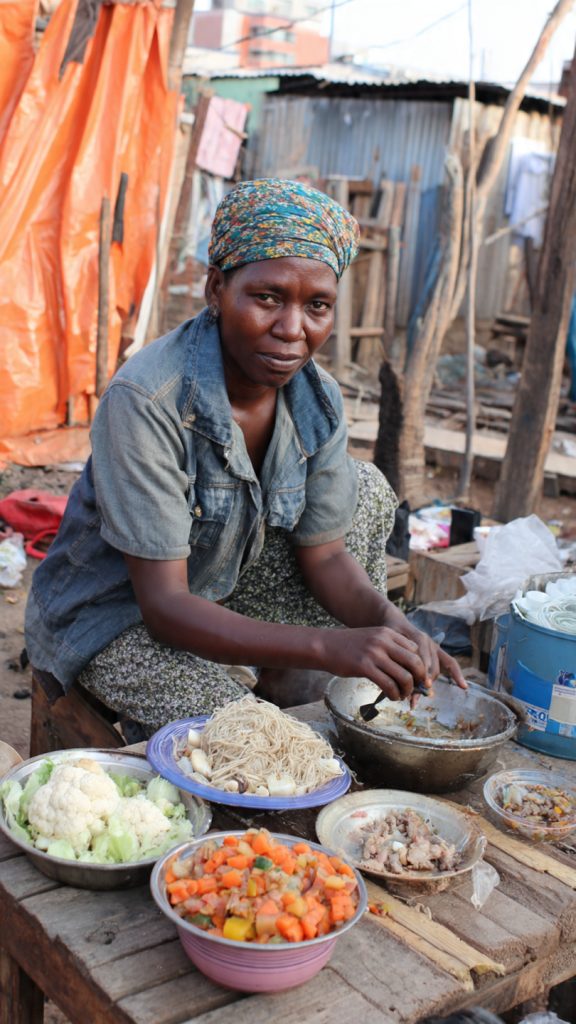
Nutritional Transitions Among Zimbabwean Migrants in Johannesburg: From Traditional Diets to Urban Food Systems

Zimbabwean Migrants in Johannesburg: From Traditional Diets to Urban Foods Nutritional Transitions Among  Introduction: A Changing Food Landscape In Johannesburg’s dense urban neighbourhoods—Hillbrow, Berea, Rosettenville, Yeoville—Zimbabwean migrants face rapid shifts in their diets. A 2023 Johannesburg Migrant Food Security Study found that 62% of Zimbabwean migrants reported significant dietary changes within their first year in […]

Nutritional Transitions Among Zimbabwean Migrants in Johannesburg: From Traditional Diets to Urban Food Systems Read More »

Okavango Delta, Botswana, Namibia, Angola, South Africa, climate migration, environmental stress, drought, water scarcity, livelihood loss, transboundary migration, migration health, cross-border movement, public health, health systems, migrant vulnerability, undocumented migrants, women migrants, children migrants, older adults, TB, HIV, maternal health, mental health, informal settlements, xenophobia, policy gaps, SADC, OKACOM, community-based adaptation, mobile clinics, climate-smart agriculture, migration monitoring, health access, primary healthcare, livelihood diversification, intersectional vulnerabilities, climate change, floodplain agriculture, tourism, migration policy, transnational health, public health preparedness, migration research, health equity, emergency medical services, migrant-inclusive clinics.

How might the drying of the Okavango Delta affect migration patterns across Botswana, Namibia, and Angola—and what does this mean for South Africa?

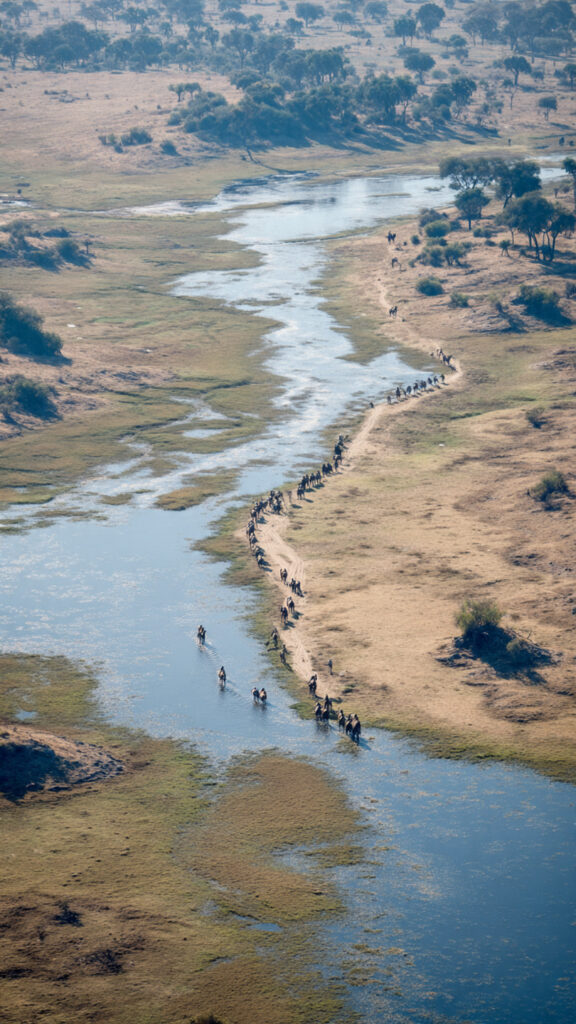
Drying of the Okavango Delta: Migration Health Implications for Botswana, Namibia, Angola and South Africa The Okavango Delta, one of Botswana’s iconic ecosystems, is facing severe environmental stress. Rainfall in the Delta catchment—the Angolan highlands and Namibia—has dropped to the lowest levels since 1981. (neweralive.na) Six villages in the Boro/Xharaxao area were abandoned due to

How might the drying of the Okavango Delta affect migration patterns across Botswana, Namibia, and Angola—and what does this mean for South Africa? Read More »

African migrants, healthcare exclusion, South Africa, public health paradox, universal health coverage, tuberculosis transmission, HIV/AIDS, communicable diseases, xenophobia, medical xenophobia, health systems, migration health, healthcare access, health equity, health policy, National Health Insurance, constitutional rights, refugee health, asylum seekers, undocumented migrants, health security, disease surveillance, drug-resistant tuberculosis, healthcare providers, frontline workers, health economics, cost-benefit analysis, emergency treatment, preventive care, regional health, Southern African Development Community, cross-border health, health disparities, social determinants of health, vulnerable populations, human rights, health justice, inclusive healthcare, residence-based coverage, citizenship-based exclusion, health system strengthening, epidemic control, outbreak management, contact tracing, community transmission, population health, migrant-inclusive policies, healthcare rationing, resource allocation, moral distress, healthcare ethics, policy implementation, institutional barriers, documentation requirements, informal healthcare exclusion, alternative healthcare seeking, health-seeking behavior, urban health, rural health, provincial health systems, Gauteng healthcare, Western Cape health, Limpopo health, border health, construction workers, informal settlements, overcrowded housing, occupational health, gender and migration, women migrants, children migrants, elderly migrants, chronic diseases, mental health, maternal health, reproductive health, PrEP access, antiretroviral therapy, treatment adherence, loss to follow-up, healthcare continuity, health insurance, out-of-pocket payments, financial barriers, language barriers, cultural barriers, health literacy, community health workers, non-governmental organizations, civil society, advocacy, health activism, research methodology, mixed methods, epidemiological analysis, ethnographic research, participatory research, health economics modeling, surveillance data, health information systems

The Public Health Paradox: The Unintended Consequences of Excluding Migrants from Healthcare in South Africa

The Public Health Crisis We’re Creating: Why Excluding Migrants from Healthcare Threatens Us All Picture this screnario on Migrants Healthcare in South Africa: A Zimbabwean construction worker in Johannesburg develops a persistent cough. He knows it could be tuberculosis—TB is endemic in his home region—but he’s terrified to seek treatment. He’s heard the stories from

The Public Health Paradox: The Unintended Consequences of Excluding Migrants from Healthcare in South Africa Read More »