WHO guidelines

migrant children South Africa, childhood immunisation, vaccine coverage, undocumented children, foreign nationals, public health, national immunisation program, vaccination barriers, healthcare access, xenophobia, informal settlements, mobile clinics, maternal and child health, health equity, vaccine-preventable diseases, measles vaccination, polio vaccination, pertussis vaccination, immunisation policy, South African health policy, Health Justice Initiative, SAPA statement, refugee children, asylum seekers, social determinants of health, healthcare inequality, catch-up immunisation, service delivery gaps, community health programs, migrant health research, health system capacity, clinic accessibility, language barriers, structural barriers, public health interventions, herd immunity, ethical health access, human rights, UN Convention on the Rights of the Child, provincial health departments, integrated child services, outreach vaccination programs, migration-disaggregated data, health policy recommendations, vulnerable populations, South African Department of Health, HIV testing, TB screening, healthcare trust, anti-migrant sentiment, health system governance, immunisation uptake, vaccine stock-outs.

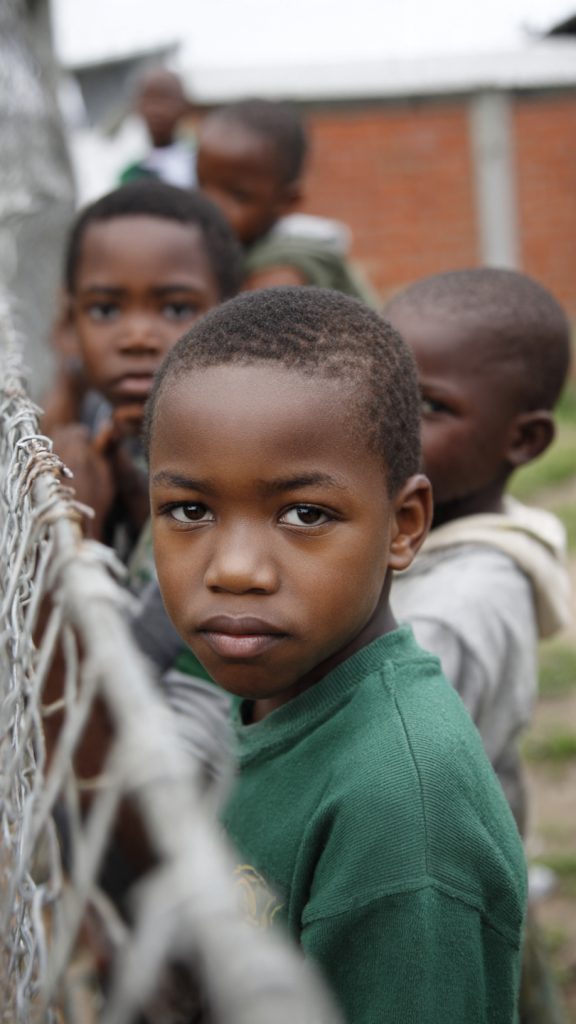
Are Migrant Children in South Africa Falling Through the Cracks of National Immunization Programs?

Migrant Children and Immunisation Gaps in South Africa Opening: a worrying real-world snapshot When one thinks of immunisation in South Africa, the assumption is often that children — whoever they are — receive vaccines via the state’s well-established immunisation schedule. But for many migrant children, especially those whose parents are foreign nationals or undocumented, reality […]
Are Migrant Children in South Africa Falling Through the Cracks of National Immunization Programs? Read More »

undocumented African migrants, South Africa, diet-related non-communicable diseases, NCDs, healthcare access barriers, structural determinants of health, legal barriers, social determinants, health inequality, migration health, hypertension, diabetes, cardiovascular disease, urban migrants, food insecurity, dietary transition, acculturation, processed foods, chronic disease management, primary healthcare, medical xenophobia, discrimination, health policy, public health, NGO interventions, community health programs, migrant-inclusive healthcare, health literacy, culturally sensitive care, language barriers, social exclusion, informal settlements, low-income migrants, preventive care, NCD screening, health system adaptation, data collection, migrant health fund, intersectoral action, policy recommendations, South African health policy, WHO guidelines, MSF programs, urban nutrition, health equity, chronic disease treatment, migrant-led organizations, access to care, healthcare utilization, ethical sensitivity, human rights, inclusive NCD strategies, public health outcomes, evidence-based solutions, empirical data, research gaps.

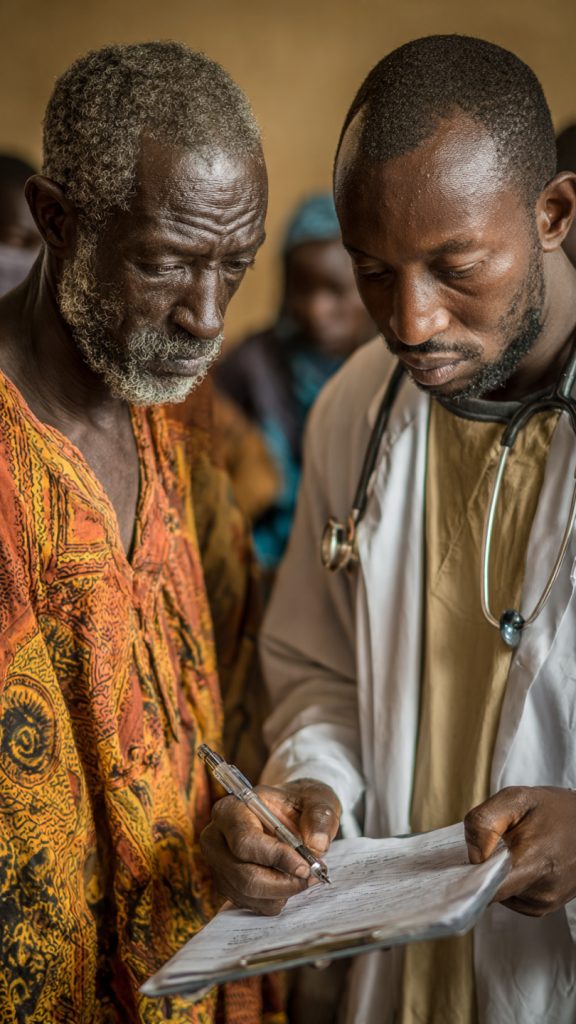
What Are the Barriers to Healthcare Access for Diet-Related Non-Communicable Diseases Among Undocumented African Migrants?

Barriers to Healthcare Access for Diet‑Related Non‑Communicable Diseases (NCDs) Among Undocumented African Migrants in South Africa   Introduction: A Hidden Burden in Plain Sight “ I worry when my chest feels tight and I cannot eat; but I dare not go to the clinic. I might be turned away.” — interview with an undocumented migrant in

What Are the Barriers to Healthcare Access for Diet-Related Non-Communicable Diseases Among Undocumented African Migrants? Read More »