nutrition access

food insecurity South Africa, African migrants, migrant households, host population vulnerabilities, urban food insecurity, Gauteng City-Region, Johannesburg migrants, internal migrants South Africa, international migrants South Africa, structural inequalities, intersectional factors, gendered food insecurity, nutrition access, dietary diversity, traditional foods, urban agriculture South Africa, community gardens, social protection migrants, indigency grants South Africa, food parcels, informal work, precarious employment, culturally appropriate foods, migrant vulnerability, food security policy, migrant-inclusive policy, NGO food programs, public health South Africa, nutritional insecurity, economic shocks, migrant livelihoods, urban informal settlements, migration health, food access disparities, migrant nutrition programs, evidence-based interventions, South Africa food policy, migrant social support, urban food systems, ethnic foods South Africa, migrant advocacy, household food insecurity, COVID-19 impact migrants, food system inequalities, food security research South Africa

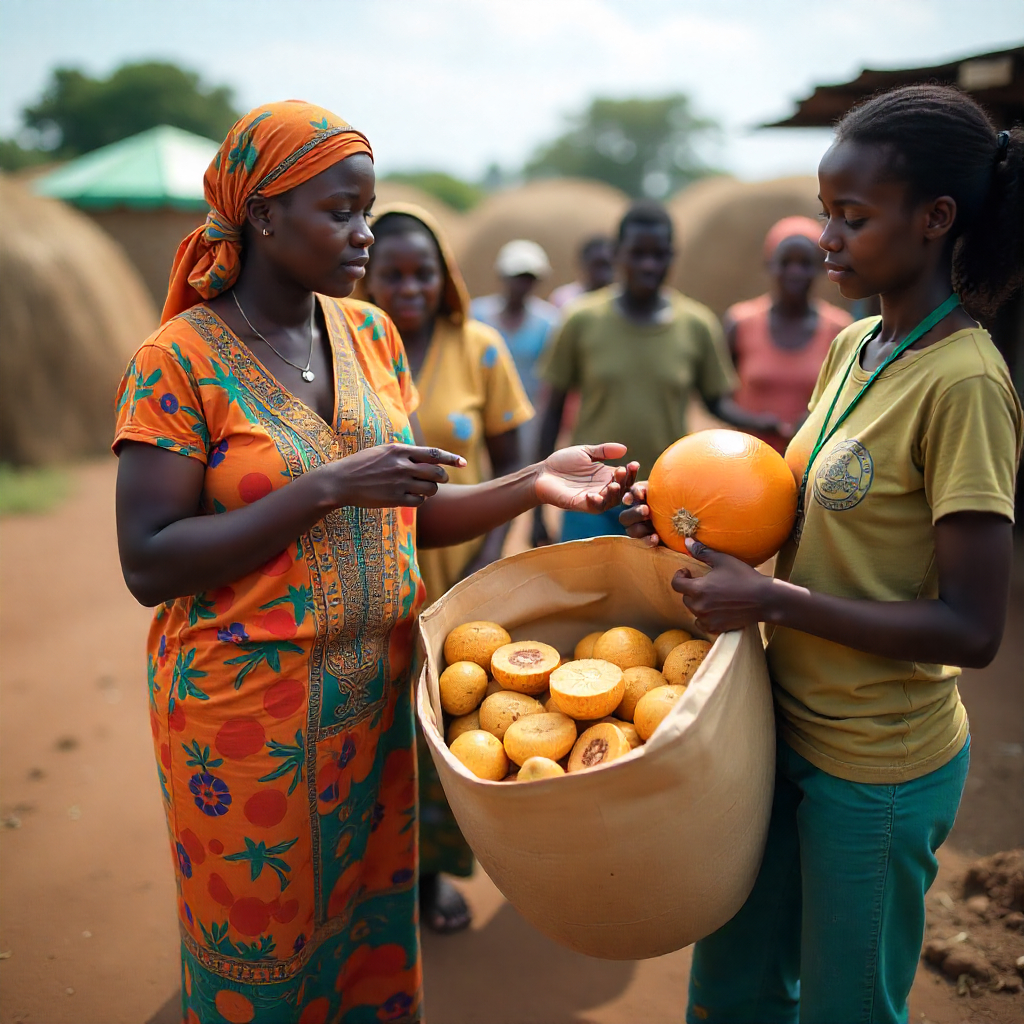
How Does Food Insecurity Among African Migrants in South Africa Compare to Host Population Vulnerabilities?

Food Insecurity Among African Migrants vs. Host Communities in South Africa Opening: Hunger in the City — Migrants and Host Communities In 2023, a striking statistic emerged: approximately 63.5 % of South African households — over 12 million households — were classified as food insecure. Institute of Development Studies+2South African Human Rights Commission+2This number reflects a […]
How Does Food Insecurity Among African Migrants in South Africa Compare to Host Population Vulnerabilities? Read More »

informal food markets, migrant communities, South African cities, food security, urban livelihoods, street vendors, informal trading, migrant nutrition, refugee food access, Johannesburg informal markets, Cape Town migrant food, Durban food markets, food affordability, culturally relevant foods, municipal by-laws, gender and migration, undocumented migrants, youth migrants, older migrants, public health, food safety, WASH infrastructure, food supply chains, social cohesion, community-led solutions, policy gaps, National Development Plan, Integrated Food Security Strategy, Home Affairs, informal trader support, migrant inclusion, urban food systems, intersectional vulnerabilities, ethnic food markets, livelihood support, urban poverty, food inflation, nutrition access, informal economy, migrant women traders, market infrastructure, hygiene training, credit systems, informal sector regulation, sustainable urban food, peer-to-peer support, NGO interventions, evidence-based policy

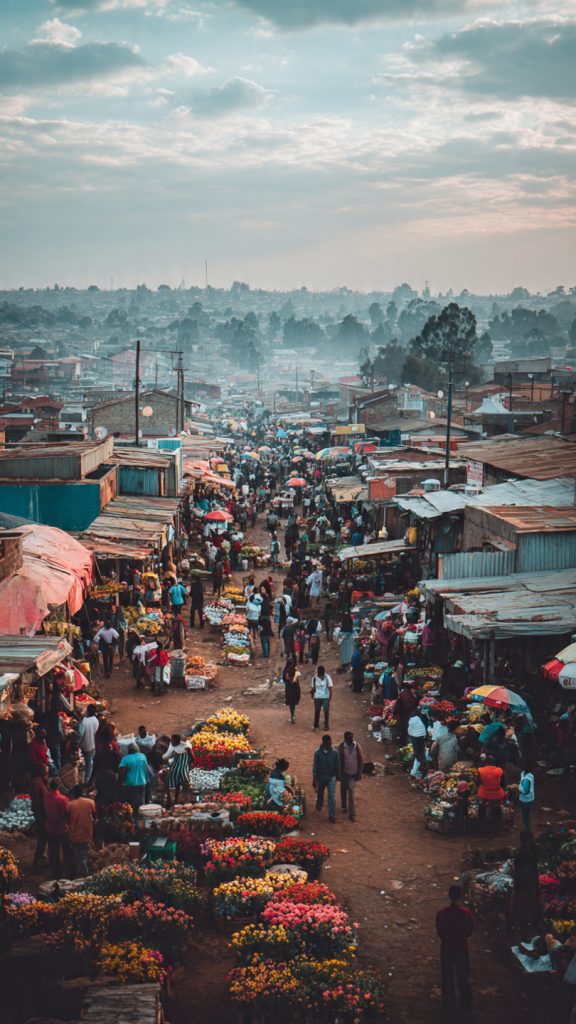
The Role of Informal Food Markets in Sustaining Migrant Communities Across South African Cities

Informal Food Markets and Migrant Survival in South African Cities Introduction: A Daily Struggle Hidden in Plain Sight At 5 a.m. on a cold winter morning in Johannesburg’s inner city, Amina*, a 29-year-old Somali mother, arranges vegetables at her small pavement stall. She arrived in South Africa six years ago, hoping for stability. Yet rising

The Role of Informal Food Markets in Sustaining Migrant Communities Across South African Cities Read More »