labour mobility

Beitbridge border restrictions, SADC migration, North-South Corridor, regional migration patterns, cross-border trade, informal trade, migrant labour, Zimbabwe-South Africa border, border delays, economic impacts, remittances, labour shortages, migrant health, HIV care, TB treatment, mobile health outreach, micro-traders, seasonal labour migration, border management, migration policy, public health, informal economy, migrant vulnerabilities, gender-sensitive migration, labour mobility, regional integration, border control, undocumented migrants, health systems, cross-border corridors, SADC regional economy, trade facilitation, e-permits, migrant worker rights, migration data, health-migration integration, economic inclusion, corridor efficiency.

What Are the Long-Term Economic Effects of Beitbridge Border Restrictions on SADC Regional Migration Patterns?

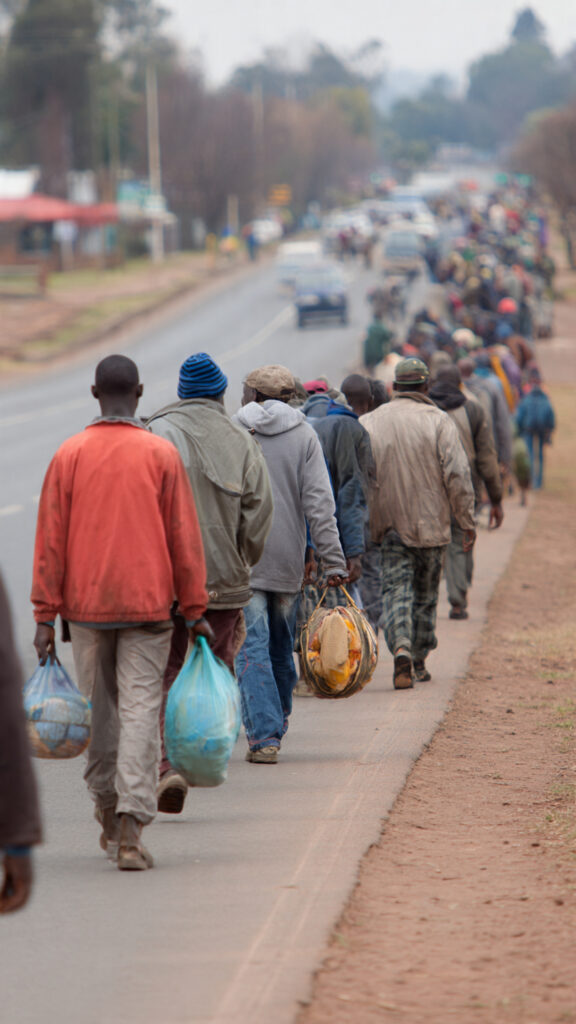
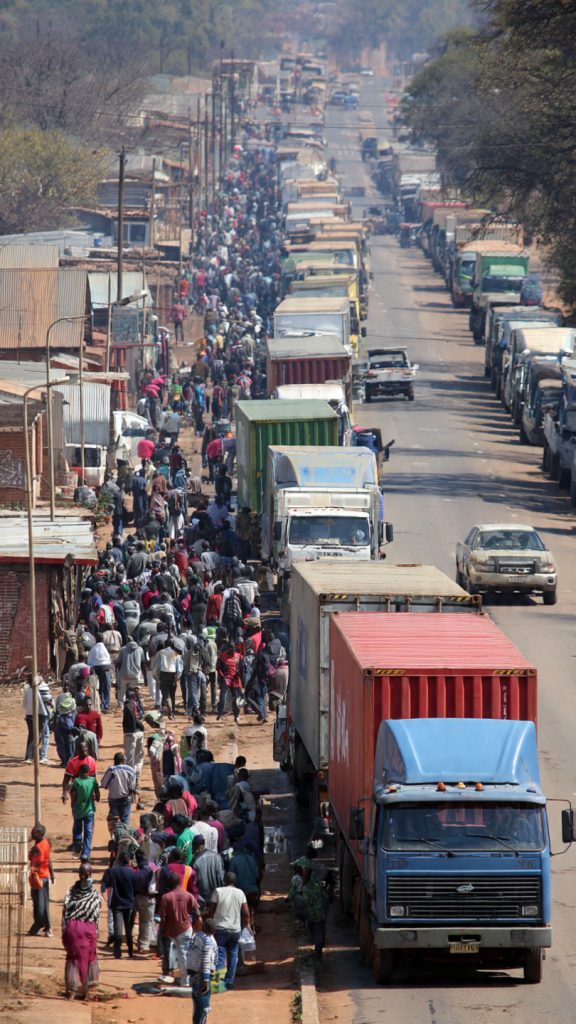
Long-Term Economic Effects of Beitbridge Border Restrictions on SADC Regional Migration Patterns Opening: Beitbridge – A Border Under Strain On 22 December 2021, the Southern African Development Community (SADC) reported that delays at five key border posts along the North-South Corridor—including the Beitbridge Border Post between Zimbabwe and South Africa—cost regional economies roughly R5 billion (US $330 million) […]

What Are the Long-Term Economic Effects of Beitbridge Border Restrictions on SADC Regional Migration Patterns? Read More »

SADC labour migration, fair migration agreements, Southern Africa migration policy, migrant workers’ rights, labour mobility, sending and receiving countries, regional integration, migration governance, South Africa labour migration, employment equity, cross-border labour movement, migration health, social protection for migrants, migrant welfare, ethical recruitment, remittances, human rights in migration, gender and migration, migrant documentation, informal labour sector, migration policy reform, economic cooperation, regional labour markets, migration management, skills transfer, migration policy gaps, sustainable migration systems, migrant healthcare access, ILO labour standards, SADC Protocol on Employment, migration and development, brain drain, policy harmonization, temporary labour migration, migrant social inclusion, migration data systems, migration and human security, bilateral migration agreements, migration policy implementation, migrant vulnerability, equitable migration frameworks

How Can SADC Create Fair Labour Migration Agreements That Protect Both Sending and Receiving Countries?

Creating Fair Labour Migration Frameworks in Southern Africa The Human Face of Labour Migration Labour mobility within the Southern African Development Community (SADC) is more than statistics — it’s people’s lives. According to Stats SA (2023), South Africa hosts millions of foreign-born individuals, many of whom work in insecure and informal settings. Consider “M.” (anonymised),

How Can SADC Create Fair Labour Migration Agreements That Protect Both Sending and Receiving Countries? Read More »

regional integration, SADC, Southern African Development Community, Malawi migration, South Africa migration, economic inequality, regional trade, labour mobility, migration policy, migration health, migrant healthcare, migration and inequality, Malawian migrants, South African economy, cross-border migration, informal labour, remittances, public health, migrant rights, healthcare access, undocumented migrants, migration governance, xenophobia in South Africa, Malawi economy, regional development, RISDP 2020-2030, WHO South Africa, migrant workers, inequality in Southern Africa, migration drivers, labour market integration, migrant health policy, human capital development, sustainable development, Agenda 2063, TB among migrants, HIV and migration, migration statistics, migrant livelihoods, social protection, migration reform, migration-health nexus, migration and gender, migrant women, regional labour frameworks, economic migration, SADC policy, trade imbalance, industrialisation, inclusive growth, health equity, diaspora engagement, bilateral labour agreements, migration research, migrant inclusion, regional cooperation, migration and human rights.

Can Regional Integration Frameworks Help Balance Economic Inequalities Driving Migration from Malawi to South Africa?

When Economic Inequality Drives Migration In early 2023, a 28-year-old woman from Mzimba, northern Malawi, made the long journey to Johannesburg. She explained, “We had problems with food. We didn’t have enough to feed the whole family.” Her story, documented by the MiFOOD Network, reflects the difficult reality of many Malawians driven by food insecurity

Can Regional Integration Frameworks Help Balance Economic Inequalities Driving Migration from Malawi to South Africa? Read More »