
health policy reform

digital remittances, migrant health access, South Africa healthcare, financial technology, cross-border payments, Mukuru, WorldRemit, mobile money, healthcare financing, Zimbabwe migrants, Mozambique migrants, xenophobia in healthcare, medical discrimination, National Health Insurance Act, NHI Act 2024, asylum seekers healthcare, undocumented migrants, remittance corridors, Operation Dudula, healthcare barriers, maternal health access, chronic disease management, HIV treatment access, antiretroviral therapy, ART access, healthcare exclusion, transaction costs, remittance fees, PRIME Africa, IFAD-EU initiative, mobile money platforms, MTN Mobile Money, health policy South Africa, migration health, healthcare rights, constitutional healthcare, private healthcare costs, public health facilities, Johannesburg healthcare, Pretoria healthcare, Cape Town healthcare, Gauteng health department, health system barriers, documentation requirements, expired permits, asylum seeker permits, Zimbabwe Exemption Permit, medical xenophobia, vigilante groups, clinic gatekeeping, emergency healthcare, notifiable conditions, chronic medication access, diabetes management, hypertension treatment, pregnancy care costs, antenatal care, delivery fees, maternal mortality, health financing models, digital health wallets, M-TIBA Kenya, health insurance bundles, remittance-healthcare nexus, financial inclusion, payment platforms, cash pick-up services, rural healthcare access, telemedicine, pharmaceutical costs, private pharmacy purchases, NGO healthcare services, Médecins Sans Frontières, Scalabrini Centre, Lawyers for Human Rights, Section27, health navigation services, community health workers, health cooperatives, SADC health frameworks, regional health coordination, portable health benefits, migration corridors, remittance inflows, sub-Saharan Africa, Southern Africa remittances, informal remittance channels, health outcome measurement, intersectional vulnerabilities, gender health disparities, women migrants healthcare, elderly migrants, pediatric care access, health policy reform, universal health coverage, health equity, migrant health rights, discrimination in healthcare, fear of deportation, healthcare utilization patterns, public-private partnerships, fintech innovation, blockchain remittances, digital payment adoption, mobile health technology, health data systems, evidence-based policy, health systems analysis, migration health research, healthcare cost barriers, out-of-pocket expenses, health expenditure, poverty and health, social determinants of health, health access inequality, vulnerable populations, refugee health, displacement health, cross-border health, transnational healthcare, diaspora healthcare support, family remittances, health emergency transfers, chronic disease continuity, treatment adherence, medication compliance, viral suppression, HIV transmission prevention, CD4 monitoring, health monitoring systems, anti-xenophobia training, cultural competency, multilingual health services, mobile health units, health service delivery, primary healthcare, preventive services, health screening, contraceptive access, family planning, reproductive health, health literacy, remittance literacy, financial literacy, health education, patient rights, health advocacy, health justice, ethical healthcare, health system reform, policy implementation, healthcare governance, health facility discrimination, patient rejection, health service refusal, alternative healthcare seeking, health coping strategies, survival strategies, health resilience, community health support

What Role Do Digital Payment Platforms Play in Facilitating Remittances from South Africa?

Digital Remittances as Healthcare Lifelines: How Financial Technology Shapes Migrant Health Access in South Africa The Hidden Connection Between Money Transfers and Survival Johannesburg, 2024—Grace, a 34-year-old Zimbabwean domestic worker, clutches her phone outside Rahima Moosa Mother and Child Hospital. She’s eight months pregnant. The clinic nurse told her she needs R3,500 for delivery fees. […]

What Role Do Digital Payment Platforms Play in Facilitating Remittances from South Africa? Read More »

police brutality South Africa, migrant rights South Africa, xenophobia, irregular migrants, police corruption, extortion by police, arbitrary arrests, racial profiling, South African Police Service, SAPS misconduct, IPID oversight, Civilian Secretariat for Police, community policing forums, human rights violations, immigration enforcement, migrant health, public health and policing, healthcare access for migrants, law enforcement accountability, Lindela Repatriation Centre, corruption watch South Africa, Lawyers for Human Rights, African Centre for Migration and Society, Amnesty International South Africa, fear of arrest, gender-based violence migrants, migrant women abuse, public health security, undocumented migrants, Operation Dudula, anti-immigrant violence, migrant traders, informal economy policing, street-level corruption, police reform South Africa, accountability mechanisms, civil society oversight, migrant inclusion, community safety, policy reform South Africa, SAPS training, human dignity, equality before the law, migrant advocacy, xenophobia and health, policing and human rights, African migrants South Africa, health system response, migration policy, migrants in Gauteng, migrants in Johannesburg, migrants in Durban, migrants in Cape Town, inclusive policing, law enforcement reform, migrant protection, border control policy, constitutional rights South Africa, Immigration Act South Africa, migrant livelihoods, anti-corruption initiatives, social justice, urban safety, human security, community trust, migrant participation, health policy reform, TB and HIV among migrants, police impunity, rule of law South Africa, ethical policing, discrimination in policing, migrants and healthcare access, corruption in law enforcement, South African human rights law, refugee protection, asylum seekers South Africa, NGO interventions, migration health research, evidence-based policy, policy recommendations South Africa, intersectionality and policing, vulnerable populations South Africa.

Police or Persecutors? When Law Enforcement Targets Irregular Migrants Instead of Protecting Them

When Law Enforcement Becomes a Threat to Migrant Safety Introduction: When Protection Turns into Persecution In South Africa’s cities, law enforcement is meant to ensure safety. Yet for thousands of African migrants, the police represent fear, not protection.In Johannesburg’s inner city, 32-year-old Musa, a Zimbabwean trader, recounts being stopped five times in one month. Each

Police or Persecutors? When Law Enforcement Targets Irregular Migrants Instead of Protecting Them Read More »

healthcare access South Africa, undocumented migrants, Section 27 Constitution, right to health, migrant health policy, healthcare denial, clinic staff training, xenophobia in healthcare, National Health Insurance Act, NHI Act 2023, Gauteng Department of Health, public health system South Africa, migrant maternal health, health rights advocacy, NGO interventions South Africa, Médecins Sans Frontières MSF, Scalabrini Centre, Sonke Gender Justice, migrant patient liaison, safe space clinics, mobile health clinics, legal framework for migrants, health policy reform, South African Health Department, emergency medical treatment, National Health Act, Refugees Act, Immigration Act, medical xenophobia, health equity, access to primary healthcare, migrant women and children, healthcare discrimination, migrant rights South Africa, human rights in healthcare, policy implementation gaps, healthcare exclusion, healthcare ethics, frontline health workers, healthcare governance, civil society health advocacy, border health Musina, Johannesburg clinics, Cape Town clinics, Limpopo health services, intersectionality migration health, refugee healthcare, SADC migrants, healthcare funding South Africa, healthcare accountability, migrant health research, public health recommendations South Africa, healthcare system reform, training gaps in healthcare, health ombuds reporting, right to emergency care, inclusion in NHI, constitutional health obligations, health system barriers, NGO healthcare partnerships, community health outreach, healthcare law South Africa, migrant patient experiences, medical ethics training, healthcare policy analysis, vulnerable populations in healthcare

Healthcare Denied: How Clinic Staff Turn Away Undocumented Migrants Despite Constitutional Rights

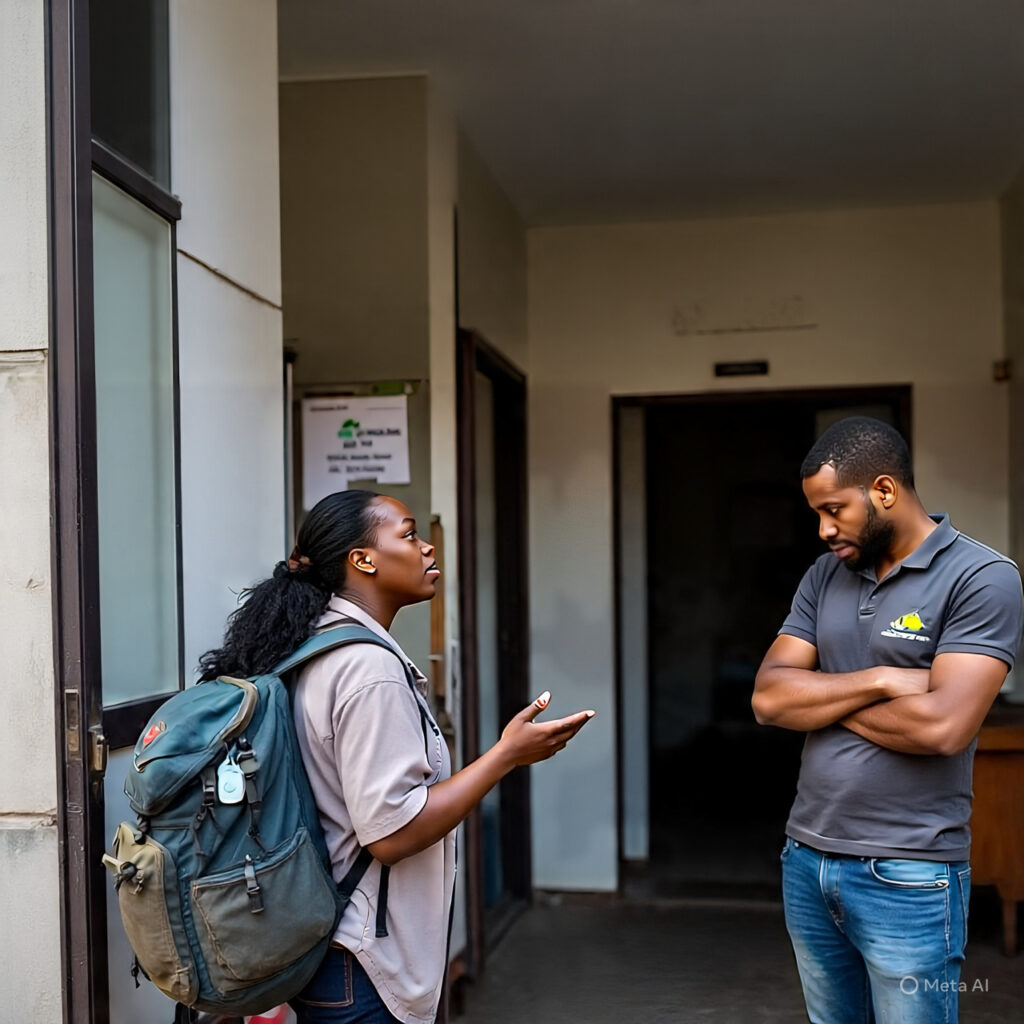
Healthcare of Undocumented Migrants  Constitutional Rights Opening: a real case and a stark statistic In 2023, a young Zimbabwean mother in a peri-urban township in Gauteng arrived at a public clinic in labour. She carried no documents, fearing arrest. Clinic staff told her she would need to pay upfront or produce a permit before being

Healthcare Denied: How Clinic Staff Turn Away Undocumented Migrants Despite Constitutional Rights Read More »

mental health challenges, African migrants, South Africa, urban centers, xenophobia, trauma, depression, anxiety, PTSD, migration experiences, social isolation, refugees, asylum seekers, Johannesburg, Cape Town, Durban, mental health policy, healthcare access, discrimination, documentation barriers, alienation, forced migration, displacement, mental health services, cultural competency, community-based interventions, health systems, policy gaps, migrant health, psychological distress, xenophobic violence, mental health treatment, healthcare exclusion, migration trauma, mental health stigma, refugee mental health, asylum seeker mental health, cross-border migrants, migration health policy, mental health framework, health policy reform, migrant communities, ethnic enclaves, Little Mogadishu, Yeoville, Mayfair, Gambela, Somali migrants, Congolese migrants, Ethiopian migrants, gender-based violence, domestic violence, family separation, complicated grief, role displacement anxiety, traditional healing, peer counseling, telemedicine, mental health apps, Ubuntu Mental Health Initiative, MigrantMind app, community mental health, cultural healing, mental health interventions, health system strengthening, mental health research, epidemiological studies, mental health prevalence, intervention research, participatory research, health equity, human rights, social determinants of health, mental health legislation, National Mental Health Policy, Department of Home Affairs, refugee reception offices, mental health professionals, healthcare providers, NGOs, civil society organizations, academic researchers, policy makers, community leaders, mental health training, cultural competency training, mental health screening, crisis intervention, emergency protocols, mental health units, specialized services, integrated care, sustainable financing, regional cooperation, implementation science, evidence-based practice, longitudinal studies, randomized controlled trials, cost-effectiveness, health technology, mobile health, digital mental health, mental health literacy, anti-discrimination, legal aid, victim support, trauma-informed care, resilience, protective factors, risk factors, vulnerability, intersectionality, documentation status, legal status, undocumented migrants, bureaucratic trauma, administrative violence, systemic exclusion, social exclusion, mental health burden, disease burden, public health emergency, humanitarian crisis, health disparities, health inequities

The Hidden Epidemic: Mental Health Challenges Among African Migrants in South Africa’s Urban Centers

 Mental Health of African Migrants Addressing trauma, depression, anxiety, and PTSD linked to migration experiences, xenophobia, and social isolation Introduction: A Crisis in Plain Sight In Johannesburg’s Mayfair district, known as “Little Mogadishu,” Hawy sits in a cramped room with three other Somali asylum seekers. Since 2004, he has watched his father and brothers die

The Hidden Epidemic: Mental Health Challenges Among African Migrants in South Africa’s Urban Centers Read More »