chronic diseases

Here are all the keywords related to this blog post: migration health, Zimbabwean migrants, South Africa healthcare, food security, remittances, WhatsApp groups, digital remittances, Mukuru, food insecurity, National Health Insurance, NHI Act 2024, undocumented migrants, asylum seekers, refugees, healthcare access, xenophobia, documentation barriers, nutrition, malnutrition, mental health, chronic diseases, urban agriculture, diaspora, cross-border remittances, informal settlements, Alexandra township, Khayelitsha, Delft, Hillbrow, Johannesburg, Cape Town, Durban, Zimbabwe economic crisis, COVID-19, pandemic impact, female migrants, gender vulnerability, policy reform, primary healthcare, mobile clinics, social protection, food vouchers, transaction costs, financial inclusion, urban food security, spaza shops, food deserts, remittance corridors, health policy, migration policy, Border Management Authority Act, public health, communicable diseases, tuberculosis, HIV/AIDS, maternal health, antenatal care, vaccine coverage, food remittances, grocery delivery, Malaicha, fintech, mobile money, employment precarity, domestic workers, informal economy, health disparities, health equity, vulnerable populations, integrated services, Scalabrini Centre, NGOs, civil society, community gardens, nutritional deficiencies, iron deficiency, anemia, obesity, ultra-processed foods, mental health crisis, anxiety, depression, chronic stress, remittance pressure, health outcomes, healthcare utilization, documentation status, legal status, asylum hearings, expired permits, healthcare gatekeeping, emergency services, late-stage disease, disease transmission, maternal mortality, antiretroviral treatment, immunization, food prices, hyperinflation, currency instability, El Niño drought, agricultural failure, economic hardship, income collapse, food price inflation, supply chain disruptions, lockdown restrictions, border closures, urban planning, food retail, township economies, mobile technology, digital platforms, WhatsApp Business, SMS notifications, bulk ordering, price comparisons, exchange rates, financial literacy, predatory lending, sustainable development, diaspora investment, economic stabilization, political instability, one-stop centers, legal assistance, nutrition counseling, employment assistance, community support groups, government-NGO partnerships, private sector collaboration, health monitoring, anti-xenophobia campaigns, medical education, cultural competence, patient advocacy, community health workers, policy evaluation, research gaps, longitudinal studies, health trajectories, participatory research, epidemiological data, health information systems, migration status, anonymity protection, intersectional vulnerabilities, age discrimination, language barriers, cultural beliefs, regional cooperation, Southern Africa, SADC, humanitarian response, crisis preparedness, pandemic preparedness, food relief programs, emergency assistance, constitutional rights, human rights, social cohesion, integration models, return migration

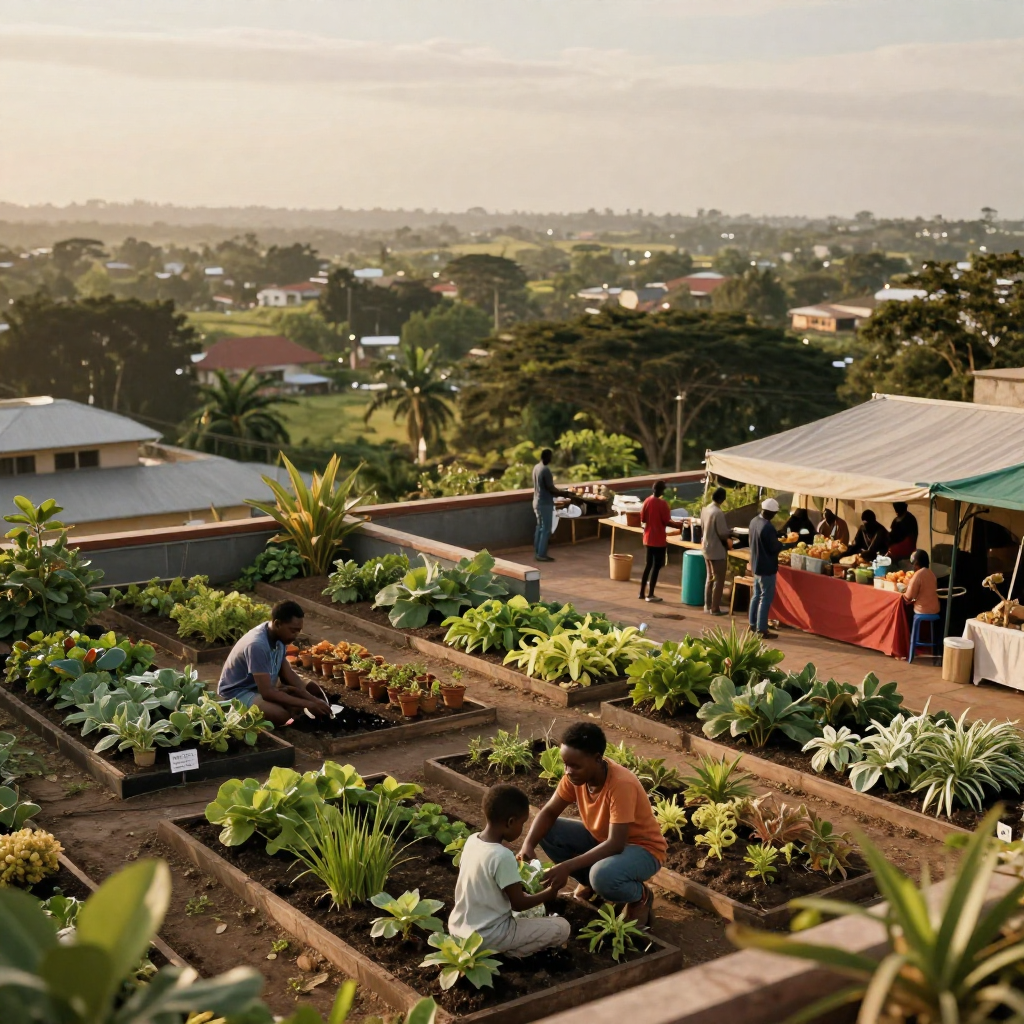
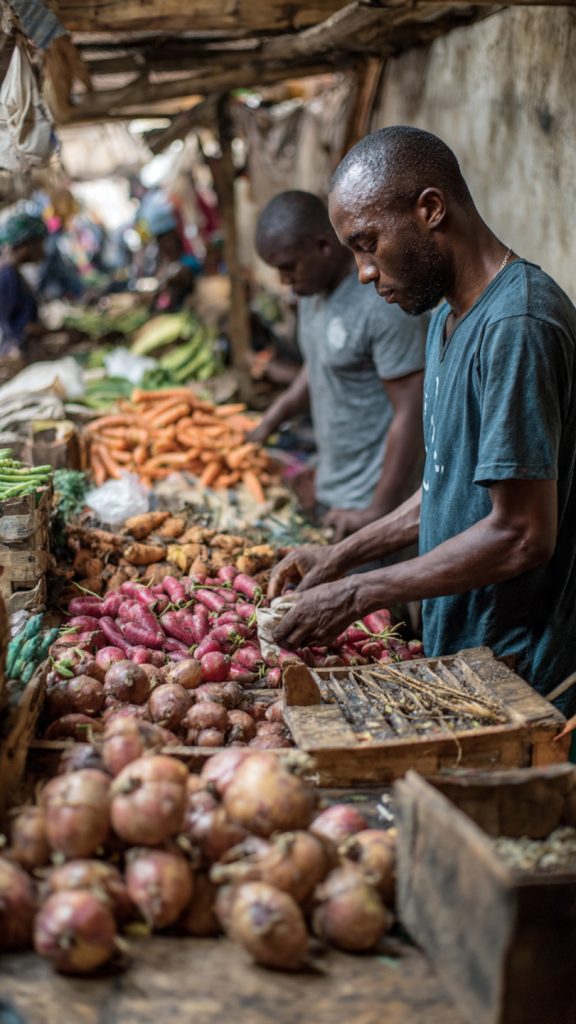
The WhatsApp Groups Feeding Harare: How the Diaspora Is Bankrolling Zimbabwe’s Urban Organic Food Movement

WhatsApp Remittances and Health: The Cost of Feeding Families Across Borders Money From Abroad, Vegetables at Home, and the Economics of Eating Clean A 32-year-old electrician from Harare never thought he would leave Zimbabwe. Nevertheless, economic collapse forced him out. Today, he lives in Cape Town’s informal settlements, working casual jobs. However, his WhatsApp notifications […]

The WhatsApp Groups Feeding Harare: How the Diaspora Is Bankrolling Zimbabwe’s Urban Organic Food Movement Read More »

ChatGPT said: African migrants, South Africa, food security, migrant health, social networks, community organizations, ethnic associations, faith-based groups, mutual aid, migrant-led associations, informal food systems, food resilience, urban food access, dietary diversity, migrant households, undocumented migrants, food aid, social protection, community gardens, urban agriculture, agroecology, nutrition, chronic diseases, non-communicable diseases, public health, health outcomes, migrant vulnerability, Johannesburg, Cape Town, policy gaps, social cohesion, migrant inclusion, food-sharing networks, migrant solidarity, traditional foods, food sovereignty, migrant adaptation, gender and food security, migrant livelihoods, informal economy, health disparities, emergency food relief, community-led interventions, grassroots initiatives, health equity, nutrition education, cross-border migration, migration health policy, urban settlements, township food systems, psychosocial support, community resilience, sustainable food systems, local food production, migrant empowerment, migrant support networks.

How Do Social Networks and Community Organizations Mediate Food Access and Health Outcomes for African Migrants?

When networks become lifelines: a migrant household in Johannesburg In 2024, a family of Mozambican migrants living in a township near Johannesburg spoke with researchers about their weekly food situation. They reported surviving on “what the group can afford together.” Neither parent had stable employment. Instead, they pooled income and shared staples bought in bulk

How Do Social Networks and Community Organizations Mediate Food Access and Health Outcomes for African Migrants? Read More »

Angola, South Africa, post-conflict migration, post-apartheid immigration, migration health policy, refugee health, asylum seekers, undocumented migrants, healthcare access, health equity, constitutional rights, humanitarian assistance, SADC, Southern African Development Community, cross-border migration, regional cooperation, xenophobia, discrimination, documentation status, health systems, universal health coverage, National Health Insurance, community health workers, migrant-sensitive care, cultural competency, multilingual services, tuberculosis, diabetes, maternal health, reproductive health, mental health, chronic diseases, emergency care, preventive care, Johannesburg, Cape Town, Durban, Luanda, Lunda Norte, Lóvua settlement, UNHCR, humanitarian organizations, parallel health systems, integration challenges, service delivery, health information systems, telemedicine, mobile health, implementation gaps, policy analysis, evidence-based recommendations, vulnerable populations, health rights, public health, migration governance, bilateral agreements, diaspora engagement, capacity building, resource allocation, cost-effectiveness, anti-discrimination training, language barriers, referral systems, quality improvement, professional development, research gaps, ethical considerations, participatory research, health outcomes, treatment adherence, emergency departments, public clinics, health facilities, border management, legal frameworks, policy implementation, stakeholder engagement, community partnerships, innovation solutions, technology integration, intersectional factors, gender dimensions, age-related factors, elderly migrants, children migrants, family planning, immunizations, nutrition support, developmental care, chronic disease management, care coordination, health monitoring, surveillance systems, professional qualification recognition, South-South cooperation, technical assistance, funding strategies, implementation science, health equity principles, vulnerable population protection, community consent, resource constraints, political commitment, regional stability, sustainable development

How Do Angola’s Post-Conflict Migration Policies Compare to South Africa’s Post-Apartheid Immigration Framework?

 Migration Policies in Angola and SouthAfrica Opening: Two Nations, Two Legacies, One Challenge Maria, a 34-year-old Congolese refugee, crossed into Angola’s Lunda Norte province in 2018 with her three children. Today, she lives in the Lóvua settlement among 21,000 people who continue to require assistance to meet their basic needs. Meanwhile, Tendai, an undocumented Zimbabwean

How Do Angola’s Post-Conflict Migration Policies Compare to South Africa’s Post-Apartheid Immigration Framework? Read More »

occupational health, African migrants, South Africa, informal economy, workplace safety, migrant workers, labor rights, health policy, public health, migration health, informal sector, workplace injuries, occupational hazards, health equity, labor protection, workers compensation, National Health Insurance, NHI, domestic workers, construction workers, agricultural workers, street traders, chemical exposure, pesticide poisoning, workplace violence, documentation status, undocumented migrants, health access, healthcare barriers, policy gaps, labor inspection, COIDA, occupational health surveillance, community health, mobile clinics, employer certification, health disparities, social protection, vulnerable populations, intersectional health, gender and health, migration policy, health systems, primary healthcare, emergency care, injury treatment, chronic diseases, respiratory health, musculoskeletal disorders, burns and injuries, mental health, psychosocial stress, workplace discrimination, language barriers, health education, peer education, multilingual services, health promotion, preventive care, health monitoring, epidemiology, public health research, health economics, cost-effectiveness, health outcomes, longitudinal studies, participatory research, regional cooperation, SADC, cross-border health, health governance, inter-departmental coordination, health financing, universal health coverage, constitutional rights, human rights, social justice, health advocacy, civil society, NGOs, community organizations, stakeholder engagement, policy implementation, health reform, regulatory enforcement, labor standards, safety training, protective equipment, hazard identification, risk assessment, injury prevention, emergency response, first aid, trauma care, rehabilitation, disability, economic impact, poverty, social determinants of health, urban health, township health, informal settlements, health infrastructure, health workforce, cultural competency, health literacy, Johannesburg, Cape Town, Durban, Zimbabwe, Mozambique, Malawi, Lesotho, Stellenbosch, Khayelitsha, Alexandra, Sandton, Western Cape, Mpumalanga, Limpopo, Gauteng, ZEP permits, LEP permits, scaffolding injuries, organophosphate poisoning, industrial cleaning chemicals, Department of Health, Department of Employment and Labour, University of Cape Town, Medical Research Council, Statistics South Africa, WHO, ILO

Informal Work, Formal Risks: Occupational Health Hazards Facing African Migrants in South Africa’s Economy

African Migrant Worker Health Risks Nomsa (not her real name), a 34-year-old Zimbabwean domestic worker in Johannesburg, suffered second-degree burns from industrial cleaning chemicals in 2023. Her employer provided no protective equipment or medical insurance. When she sought treatment at a public clinic, language barriers and documentation concerns delayed her care by three days, resulting

Informal Work, Formal Risks: Occupational Health Hazards Facing African Migrants in South Africa’s Economy Read More »

African migrants, healthcare exclusion, South Africa, public health paradox, universal health coverage, tuberculosis transmission, HIV/AIDS, communicable diseases, xenophobia, medical xenophobia, health systems, migration health, healthcare access, health equity, health policy, National Health Insurance, constitutional rights, refugee health, asylum seekers, undocumented migrants, health security, disease surveillance, drug-resistant tuberculosis, healthcare providers, frontline workers, health economics, cost-benefit analysis, emergency treatment, preventive care, regional health, Southern African Development Community, cross-border health, health disparities, social determinants of health, vulnerable populations, human rights, health justice, inclusive healthcare, residence-based coverage, citizenship-based exclusion, health system strengthening, epidemic control, outbreak management, contact tracing, community transmission, population health, migrant-inclusive policies, healthcare rationing, resource allocation, moral distress, healthcare ethics, policy implementation, institutional barriers, documentation requirements, informal healthcare exclusion, alternative healthcare seeking, health-seeking behavior, urban health, rural health, provincial health systems, Gauteng healthcare, Western Cape health, Limpopo health, border health, construction workers, informal settlements, overcrowded housing, occupational health, gender and migration, women migrants, children migrants, elderly migrants, chronic diseases, mental health, maternal health, reproductive health, PrEP access, antiretroviral therapy, treatment adherence, loss to follow-up, healthcare continuity, health insurance, out-of-pocket payments, financial barriers, language barriers, cultural barriers, health literacy, community health workers, non-governmental organizations, civil society, advocacy, health activism, research methodology, mixed methods, epidemiological analysis, ethnographic research, participatory research, health economics modeling, surveillance data, health information systems

The Public Health Paradox: The Unintended Consequences of Excluding Migrants from Healthcare in South Africa

The Public Health Crisis We’re Creating: Why Excluding Migrants from Healthcare Threatens Us All Picture this screnario on Migrants Healthcare in South Africa: A Zimbabwean construction worker in Johannesburg develops a persistent cough. He knows it could be tuberculosis—TB is endemic in his home region—but he’s terrified to seek treatment. He’s heard the stories from

The Public Health Paradox: The Unintended Consequences of Excluding Migrants from Healthcare in South Africa Read More »