
cardiovascular disease

dietary acculturation, second-generation African migrants, South Africa, nutrition transition, obesity, type 2 diabetes, cardiovascular disease, non-communicable diseases, NCDs, metabolic risk, rural-to-urban migration, urbanization, gut microbiome, intergenerational health, child nutrition, adolescent diet, food insecurity, traditional diets, processed foods, fast food, sugary drinks, refined carbohydrates, health disparities, gender disparities, socioeconomic status, migration health, urban food environment, community-based nutrition programs, culturally sensitive interventions, public health policy, nutrition surveillance, migrant-sensitive policy, chronic disease prevention, metabolic syndrome, hypertension, abdominal obesity, health equity, school-feeding programs, social determinants of health, urban planning, community gardens, fresh produce access, food subsidies, health promotion, epigenetic effects, longitudinal cohort studies, intergenerational dietary patterns, nutrition education, health interventions, South African health policy, urban migrant health, adolescent metabolic risk, culturally tailored counseling, preventive health strategies, structural determinants of health, metabolic syndrome risk, migrant communities, health outcomes, diet-related chronic disease, nutrition policy gaps, intervention programs, migration-sensitive research, food deserts, low-income urban households.

What Are the Long-Term Health Implications of Dietary Acculturation for Second-Generation African Migrants in South Africa?

Long-Term Health Implications of Dietary Acculturation for Second-Generation African Migrants in South Africa Introduction: Migration and Metabolic Risk Consider a hypothetical child, born in Johannesburg to parents who migrated from rural Limpopo. At home, the family still eats traditional meals such as maize porridge (pap), leafy greens, and pulses. Outside the home, at school and […]
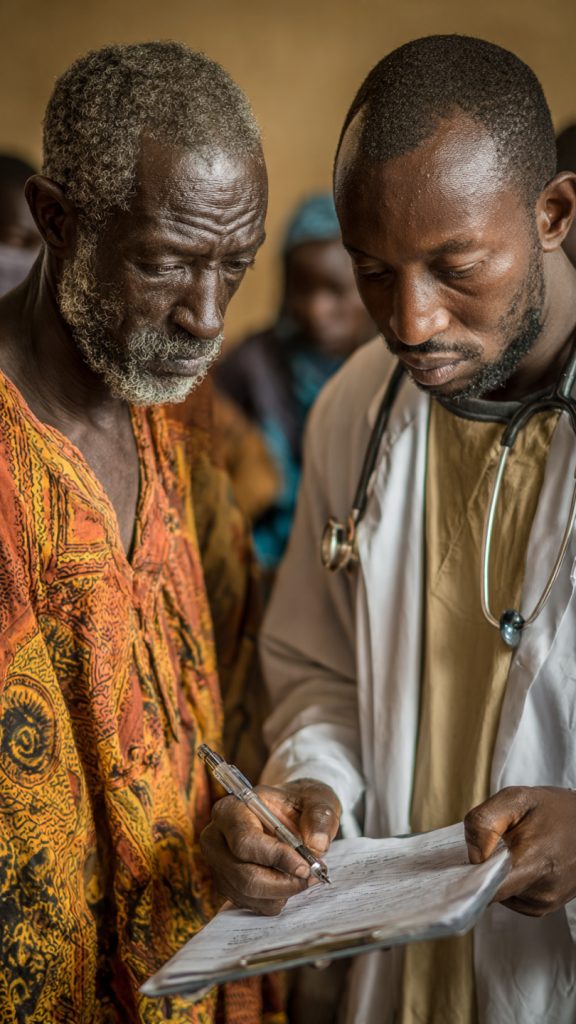
What Are the Long-Term Health Implications of Dietary Acculturation for Second-Generation African Migrants in South Africa? Read More »

undocumented African migrants, South Africa, diet-related non-communicable diseases, NCDs, healthcare access barriers, structural determinants of health, legal barriers, social determinants, health inequality, migration health, hypertension, diabetes, cardiovascular disease, urban migrants, food insecurity, dietary transition, acculturation, processed foods, chronic disease management, primary healthcare, medical xenophobia, discrimination, health policy, public health, NGO interventions, community health programs, migrant-inclusive healthcare, health literacy, culturally sensitive care, language barriers, social exclusion, informal settlements, low-income migrants, preventive care, NCD screening, health system adaptation, data collection, migrant health fund, intersectoral action, policy recommendations, South African health policy, WHO guidelines, MSF programs, urban nutrition, health equity, chronic disease treatment, migrant-led organizations, access to care, healthcare utilization, ethical sensitivity, human rights, inclusive NCD strategies, public health outcomes, evidence-based solutions, empirical data, research gaps.

What Are the Barriers to Healthcare Access for Diet-Related Non-Communicable Diseases Among Undocumented African Migrants?

Barriers to Healthcare Access for Diet‑Related Non‑Communicable Diseases (NCDs) Among Undocumented African Migrants in South Africa   Introduction: A Hidden Burden in Plain Sight “ I worry when my chest feels tight and I cannot eat; but I dare not go to the clinic. I might be turned away.” — interview with an undocumented migrant in

What Are the Barriers to Healthcare Access for Diet-Related Non-Communicable Diseases Among Undocumented African Migrants? Read More »