access to healthcare

remittances, rural farming, migration and food security, Malawi agriculture, Malawian villages, rural livelihoods, smallholder farmers, labor migration, agricultural labor shortages, family farming systems, organic agriculture, agroecology, subsistence farming, crop diversification, soil fertility, seed saving, traditional farming knowledge, women farmers, gender and agriculture, feminization of agriculture, youth migration, transnational households, rural–urban migration, cross-border migration, Southern Africa migration, Malawi–South Africa migration corridor, migrant workers in South Africa, informal labor markets, remittance dependence, household income strategies, food insecurity, nutritional outcomes, dietary diversity, child stunting, maternal nutrition, non-communicable disease risk, public health and nutrition, migration health, social determinants of health, rural health systems, access to healthcare, National Health Insurance South Africa, health policy for migrants, agricultural policy gaps, food systems policy, transnational food systems, rural development policy, social protection, climate vulnerability, climate-smart agriculture, resilience building, community-based agriculture, women-led cooperatives, farmer cooperatives, organic value chains, informal food markets, urban food security, informal produce markets, NGO interventions, community-led solutions, policy integration, SADC migration policy, ethical migration research, vulnerable populations, evidence-based policy, mixed-methods research, qualitative case studies, rural Malawi, Gauteng food systems

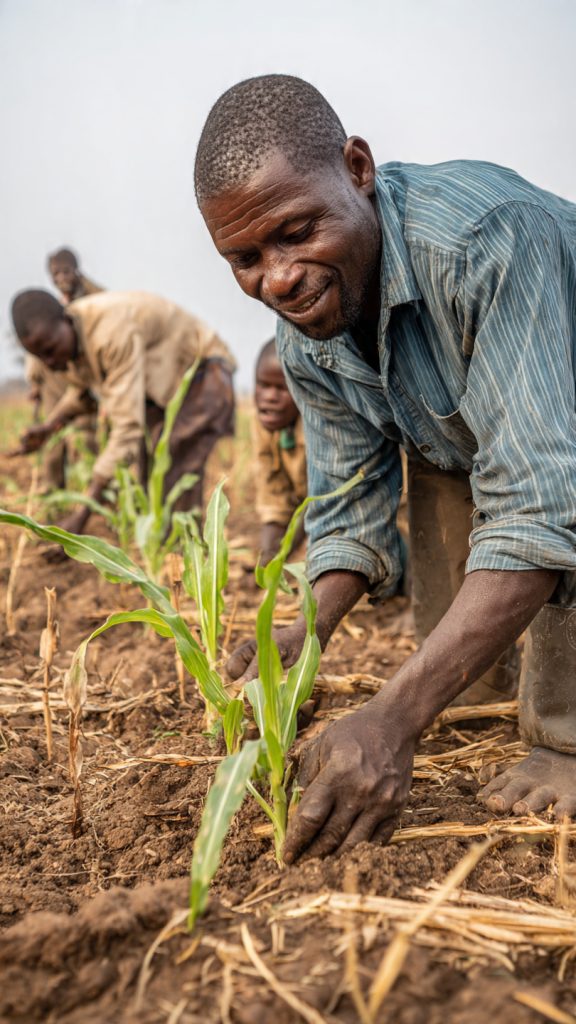
Are Remittances Killing Rural Farming? What Malawian Villages Can Teach Us About Migration and Food Security

Remittances, Migration, and the Future of Rural Farming When money from the city replaces hands in the soil—and what it means for organic agriculture Introduction: When Cash Arrives but Fields Lie Fallow In 2023, remittances to Malawi exceeded USD 600 million, a figure larger than the national agriculture budget for smallholder support. In villages across […]
Are Remittances Killing Rural Farming? What Malawian Villages Can Teach Us About Migration and Food Security Read More »

Malawian migrants, Limpopo, South Africa, health-seeking behavior, traditional medicine, biomedical healthcare, dual healthcare utilization, migrant health, access to healthcare, cultural beliefs, traditional healers, public clinics, maternal health, chronic illness, infectious disease, TB, HIV, malaria, community health workers, mobile health units, healthcare policy, National Health Act, Traditional Health Practitioners Act, undocumented migrants, language barriers, xenophobia, health disparities, integration of traditional medicine, culturally sensitive care, NGO interventions, healthcare outreach, migrant communities, healthcare access barriers, intersectional factors, gender and health, age and health, healthcare programs, evidence-based interventions, migrant health outcomes, South African health policy, health education, mobile clinics, referral systems, digital health solutions, sustainable healthcare models, community-based care, ethical healthcare, patient-centered care, dual treatment approaches, health policy gaps, migrant-focused programs.

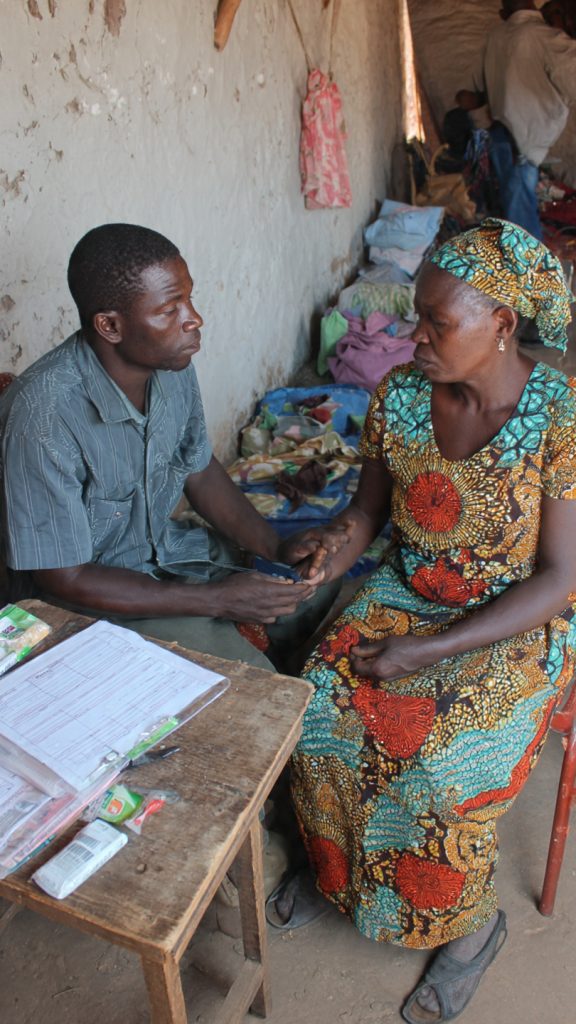
Traditional Medicine Practices vs. Biomedical Healthcare: Health-Seeking Patterns of Malawian Migrants in Limpopo

Traditional Medicine vs. Biomedical Healthcare: Health-Seeking Patterns of Malawian Migrants in Limpopo Understanding the Health-Seeking Landscape Malawian migrants in Limpopo navigate complex healthcare options. For instance, a 2023 survey found that over 60% rely on traditional healers annually, while 45% access public clinics. Consequently, migrants often alternate between systems depending on illness severity and accessibility.

Traditional Medicine Practices vs. Biomedical Healthcare: Health-Seeking Patterns of Malawian Migrants in Limpopo Read More »

Zimbabwean healthcare workers, South Africa healthcare system, health workforce migration, cross-border migration, brain drain, medical migration, healthcare worker shortage, public healthcare South Africa, Zimbabwe health crisis, migrant healthcare access, foreign health professionals, HPCSA registration, National Health Insurance South Africa, NHI Act 2024, ethical recruitment, SADC health policy, bilateral health agreements, migrant rights, undocumented migrants, healthcare policy South Africa, healthcare labour mobility, African health systems, nurse migration, doctor migration, Gauteng health facilities, Limpopo cross-border healthcare, Mpilo Hospital Zimbabwe, UK health worker visas, regional health workforce, migrant health policy, South African Department of Health, migration and development, migrant integration, healthcare workforce planning, xenophobia in healthcare, medical workforce retention, professional registration barriers, foreign qualification recognition, migration governance, health equity, access to healthcare, migration ethics, public health policy Africa, cross-border health collaboration, Zimbabwe–South Africa relations, Southern Africa health workforce.

How Does Cross-Border Migration of Nurses and Doctors from Zimbabwe Affect South Africa’s Public Healthcare Capacity?

The Double-Edged Sword: How Cross-Border Migration of Zimbabwean Healthcare Workers Affects South Africa’s Public Healthcare System Opening: A Crisis at the Crossroads When Documentation Denies Life-Saving Care In December 2023, a gunshot shattered Zweli’s leg. The pseudonymous Zimbabwean national had just finished his part-time job in Pretoria’s Nellmapius suburb. When the ambulance arrived, he faced

How Does Cross-Border Migration of Nurses and Doctors from Zimbabwe Affect South Africa’s Public Healthcare Capacity? Read More »