
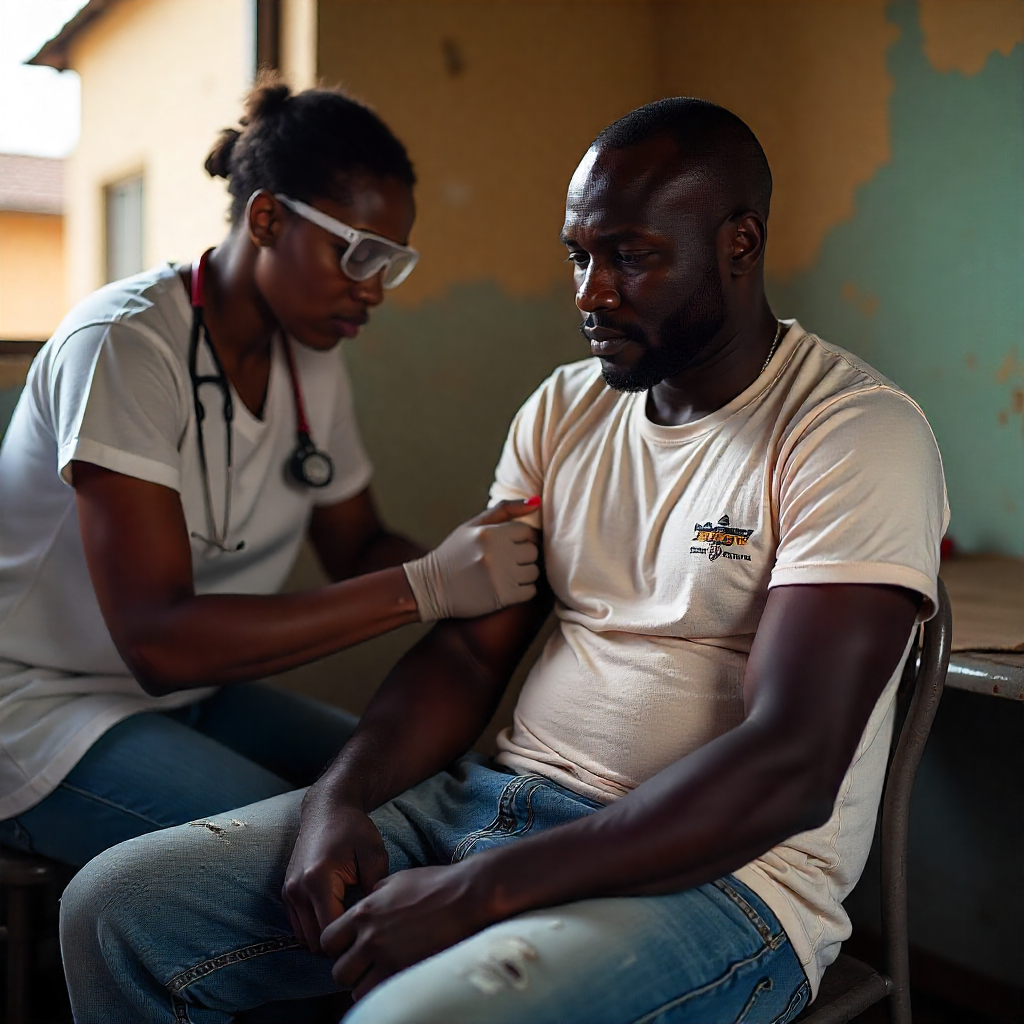
Xenophobic Violence Impacts and Migrant Health
The untold health crisis behind South Africa’s xenophobic violence and the urgent need for inclusive healthcare policies
Fear as a Health Risk: A Silent Emergency
In May 2023, Mercy*, a 34-year-old Zimbabwean woman, collapsed in her Johannesburg flat from untreated hypertension. Despite living near a clinic, she avoided care after a humiliating encounter with staff who demanded documentation. Her story reflects the daily health risks migrants face due to widespread medical xenophobia.
While xenophobic attacks have resulted in over 660 deaths and 127,000 displacements since 1994 (Xenowatch, 2024), the hidden crisis lies in fear-driven healthcare avoidance, delayed treatment, and discrimination in clinics—especially affecting African migrants.
*(*Name changed for privacy)
When Rights Aren’t Reality: Systemic Health Exclusion
Although South Africa’s Constitution guarantees healthcare to “everyone,” policy implementation tells a different story. The National Health Act (2003) and the proposed National Health Insurance (NHI) Bill promise universal health coverage, yet ambiguous language and weak enforcement leave migrants vulnerable.
Key Barriers Include:
- Documentation demands that violate legal provisions for emergency care
- Resource allocation biases that depict migrants as a burden
- Language and cultural gaps that intensify staff prejudice
Discrimination by Design: Health System Failures
Healthcare providers are not immune to national narratives blaming migrants for systemic failures. Political scapegoating has normalized exclusionary attitudes within clinics. This “medical xenophobia” results in care being delayed, denied, or delivered with hostility.
City Snapshots: Evidence from the Ground
Johannesburg: 67% of Zimbabwean migrants avoid clinics out of fear. A 34% drop in foreign-born patients was noted at Charlotte Maxeke Hospital (2019-2023).
Cape Town: 43% of Congolese and Somali migrants rely on traditional healers. Maternal health disparities are sharp, with late antenatal care common.
Durban: Migrants make up <5% of registered patients but 15% of untreated TB cases—suggesting serious underutilization of services.
Personal Stories: Case Snapshots
- Fatima (Cape Town): Denied maternal care due to documentation delays, developed life-threatening complications.
- Ahmed (Johannesburg): Suffered untreated depression after xenophobic violence and culturally inappropriate mental health care.
- Emmanuel (Johannesburg): Avoided care for diabetes after being detained during a clinic visit, now requires dialysis.
Multiple Layers of Exclusion
Women migrants face compounded barriers due to gender stereotypes, limited access to reproductive services, and fear of police when reporting abuse.
Elderly and children experience gaps in chronic and preventive care due to uncertain legal status.
Somali, Congolese, and Ethiopian migrants report more discrimination than Zimbabweans due to language and cultural visibility.
What Works: Local Innovations
Musina Model: Community health workers, documentation-neutral screening, and NGO-government partnerships have doubled TB treatment rates.
Cape Town Mental Health Pilot: Culturally sensitive therapy and peer support reduce PTSD and depression symptoms.
Scalabrini Centre (Western Cape): Rights education, provider training, and clinic accompaniment improve access and reduce discrimination.
Policy and Practice: What Needs to Change
Immediate (0-6 months):
- Enforce rights to emergency care regardless of documentation
- Anonymous systems to report clinic discrimination
- Translate patient rights into key migrant languages
Medium-term (6-18 months):
- Clarify NHI inclusion for undocumented migrants
- Train healthcare workers on cultural competency
- Strengthen community health integration
Long-term (18+ months):
- Enroll all migrants in UHC schemes
- Develop regional health access frameworks
- Include healthcare in anti-xenophobia programs
A Way Forward: From Fear to Equity
Mercy’s collapse wasn’t just a medical crisis—it was a policy failure. Excluding migrants from care harms everyone: it worsens public health, deepens inequality, and violates human rights. Yet solutions exist. Models from Musina and Cape Town show that inclusive healthcare is achievable.
South Africa can no longer afford to delay. Healthcare is a right, not a privilege based on nationality. By choosing equity over exclusion, we can build a healthier, more just society—for all who live in it.
About the Author: This piece is based on 15+ years of research in migration health and South African health policy.
References: Human Rights Watch (2024, 2025); Xenowatch; Vearey & Walker (2024); Scalabrini Centre (2023); various academic and NGO sources.
Recent Posts:
Language Barriers and Cultural Competency in South African Healthcare for African Migrants