African Migration

refugee health policy, Uganda refugee policy, South Africa refugee policy, refugee healthcare access, refugee health systems, migration health, refugee integration, asylum seeker healthcare South Africa, refugee healthcare Uganda, refugee rights South Africa, refugee rights Uganda, refugee settlement health, Nakivale refugee settlement, refugee maternal health, refugee immunization coverage, refugee disease control, refugee mental health, refugee health outcomes, xenophobia in healthcare South Africa, refugee discrimination in healthcare, refugee community health workers, refugee health financing, integrated refugee health systems, parallel refugee health systems, refugee health case studies, refugee health recommendations, refugee health in Africa, refugee health policy comparison, refugee protection frameworks, refugee healthcare access barriers, refugee health inclusion, development-oriented refugee policy, refugee health data integration, refugee chronic disease care, refugee HIV treatment, refugee TB treatment, refugee health innovations, refugee health advocacy, refugee health in Johannesburg, refugee health in Cape Town, refugee health in Durban, SADC refugee health cooperation, African refugee health systems

Why Do Uganda’s Open-Door Refugee Policies Contrast So Sharply With South Africa’s Restrictive System?

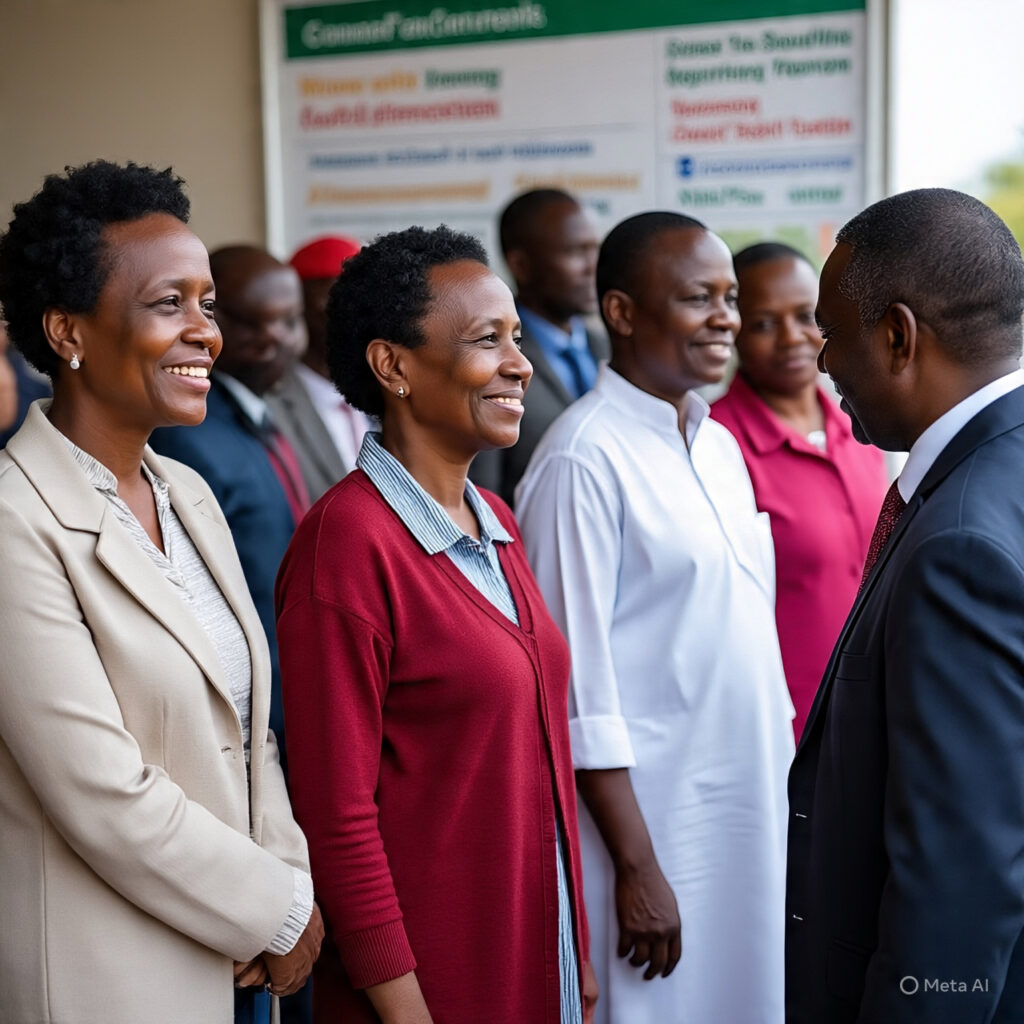
Uganda vs South Africa: Why Refugee Health Policies Diverge A comparative analysis of refugee health systems in East and Southern Africa Introduction: Two Clinics, Two Realities In Uganda’s Nakivale settlement, 26-year-old Amina from South Sudan attends her antenatal check-up at the local clinic. She receives the same care as Ugandan citizens because services are fully […]


Why Do Uganda’s Open-Door Refugee Policies Contrast So Sharply With South Africa’s Restrictive System? Read More »

migration governance, health policy, South Africa, Egypt, refugee health, migrant health, healthcare access, health security, universal health coverage, National Health Insurance, constitutional rights, policy implementation, health systems, African healthcare, migration health governance, refugee populations, undocumented migrants, health equity, public health, maternal health, mental health, chronic disease management, tuberculosis control, HIV prevention, healthcare providers, discrimination, fragmented governance, integrated health systems, community health workers, digital health platforms, health information systems, inter-governmental coordination, resource allocation, legal framework implementation, policy-implementation gaps, centralized governance, decentralized governance, preventive health security, community integration, institutional coordination, stakeholder perspectives, intersectional analysis, gender dimensions, age-related vulnerabilities, documentation status, healthcare provider training, evidence-based recommendations, constitutional implementation monitoring, regional coordination mechanisms, SADC frameworks, universal health coverage integration, health economics, longitudinal health outcomes, implementation science research, community participatory approaches, cross-national comparative studies, Cairo, Johannesburg, Cape Town, Syrian refugees, Zimbabwean migrants, Sudanese refugees, UNHCR, Egyptian Ministry of Health, South African Department of Health, Department of Home Affairs, Department of Social Development, Gauteng province, vaccination coverage, immunization programs, health screening, disease surveillance, trauma-informed care, cultural competency, psychosocial services, primary healthcare, emergency interventions, mobile health applications, telemedicine, health planning, budget allocation, professional development, legal obligations, constitutional entitlements, human rights, social determinants of health, health outcomes, system resilience, pandemic response, COVID-19, communicable diseases, non-communicable diseases, health service delivery, patient satisfaction, treatment completion rates, healthcare seeking behavior, barriers to care, upfront payments, language barriers, cultural misunderstandings, crisis intervention, continuity of care, medication access, health education, appointment scheduling, early detection, health monitoring, capacity building, sustainability, policy coherence, institutional structures, governance models, best practices, innovation, scaling up interventions, monitoring and evaluation, accountability mechanisms

How Does Egypt’s Migration Governance Balance Security Concerns Better Than South Africa’s Approach?

How Egypt’s Migration Governance Balances Security Concerns Introduction: Two Countries, Two Realities In 2023, Amira, a 25-year-old Sudanese refugee in Cairo, received prenatal care at a public hospital without being asked for papers or upfront fees. In Johannesburg, Tendai, a Zimbabwean migrant in a similar situation, was turned away from three public clinics before finding

How Does Egypt’s Migration Governance Balance Security Concerns Better Than South Africa’s Approach? Read More »

Tanzania labor migration, South Africa labor migration, cross-border migration, migrant workers, labor migration policy, migration governance, SADC migration, EAC migration, migrant health, migration and healthcare access, informal labor sector, migrant rights, migration policy gaps, bilateral migration agreements, regional migration cooperation, migrant integration, xenophobia, labor exploitation, migrant protection, migration data, Johannesburg migrants, Cape Town migrants, Dar es Salaam migrants, labor migration challenges, migration case studies, migrant social services, migration health programs, Health and Migration Agenda, free movement protocol, migrant employment, migration research, policy recommendations, migration management, Southern African Development Community, East African Community, vulnerable populations, intersectional migration analysis, migrant documentation status, migrant women, migrant youth, migrant inclusion, labor mobility, migration policy implementation.

Tanzania vs South Africa: Which Country Handles Cross-Border Labor Migration More Effectively?

 Cross-Border Labor Migration Introduction In 2023, Tanzania experienced a significant influx of migrants from neighboring East African countries, including Burundi and Uganda, due to regional instability and economic challenges. Conversely, South Africa has long been a destination for migrants from across the African continent, particularly from Southern African Development Community (SADC) countries. These migration patterns

Tanzania vs South Africa: Which Country Handles Cross-Border Labor Migration More Effectively? Read More »

Ethiopia refugee integration, South Africa asylum framework, refugee health policies, asylum seeker healthcare, refugee digital ID, out-of-camp policy Ethiopia, Refugees Act South Africa, refugee maternal health, refugee chronic disease management, refugee mental health, urban refugee health, refugee community health workers, refugee access to healthcare, refugee legal protections, refugee policy comparison, sub-Saharan Africa migration, refugee health outcomes, refugee health system challenges, refugee health innovations, refugee rights implementation, refugee health equity, refugee healthcare access barriers, refugee urban integration, refugee rural health access, refugee health insurance, refugee TB management, refugee maternal mortality, refugee health data systems, refugee peer support programs, refugee telemedicine, refugee health capacity building, refugee policy lessons Africa, refugee documentation challenges, refugee-centered health services, refugee healthcare sustainability, refugee public health impact, refugee economic inclusion, refugee policy gaps, refugee stakeholder perspectives, refugee NGO programs, refugee policy recommendations, refugee-centered research, refugee rights-based approach, refugee integration models.

How Do Ethiopia’s Refugee Integration Policies Compare to South Africa’s Asylum Framework?

 Ethiopia’s Refugee Integration Policies vs South Africa’s Asylum Framework Two Stories, Two Systems In March 2024, Fatima*, a 28-year-old Somali refugee mother of three, waited in Ethiopia’s Melkadida refugee settlement. She collected her newly issued digital identity document that would integrate her into the national ID system. On another continent, Aisha*, a 32-year-old asylum seeker

How Do Ethiopia’s Refugee Integration Policies Compare to South Africa’s Asylum Framework? Read More »

Morocco migration governance, South Africa migration policy, migrant health Africa, migration health policy comparison, inclusive migration policies, restrictive migration policies, migrant access to healthcare, migration health challenges, sub-Saharan migrants, Morocco health system, South Africa health system, migrant integration, refugee health South Africa, migration policy gaps, international migration standards, migrant rights Africa, health equity migrants, migration management Africa, policy implementation challenges, cross-country migration analysis, African migration case studies, vulnerable migrant populations, intersectional migration health, migrant documentation status, migrant gender and health, migration health policy recommendations, innovative migrant programs, evidence-based migration solutions, urban migrant health South Africa, migration governance models, transit and destination countries, Morocco migrant integration, South Africa migrant barriers, healthcare access for migrants, migration legislation Africa, migration policy reform, migrant inclusion strategies

Why Does Morocco’s Migration Governance Approach Differ So Drastically From South Africa’s Model?

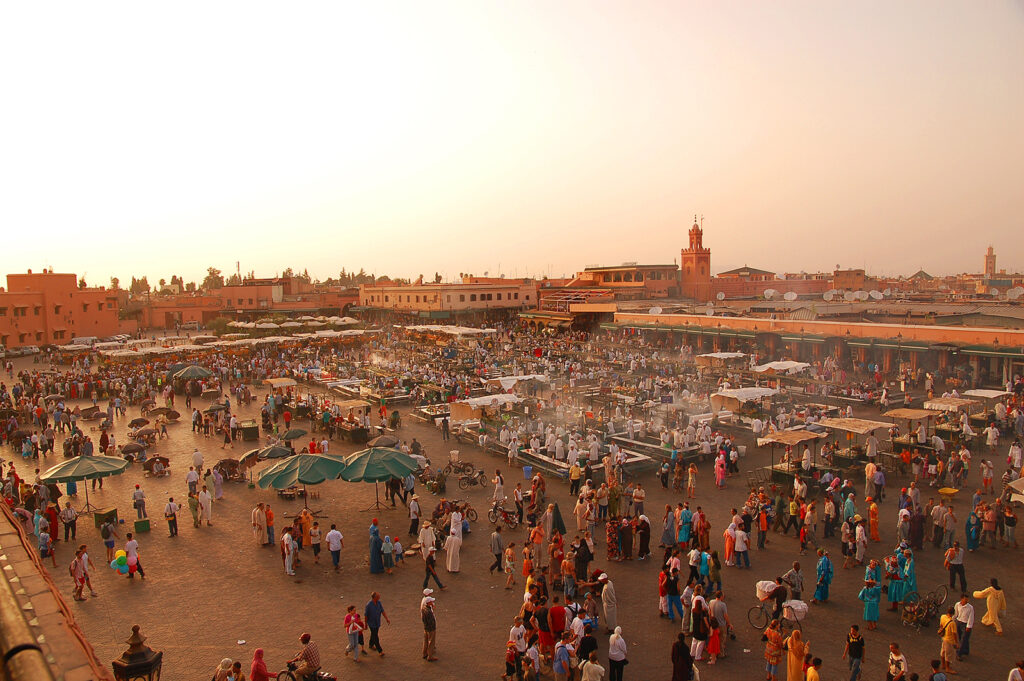
Divergent Paths: Unpacking the Contrasting Migration Governance Models of Morocco and South Africa Introduction: A Tale of Two Approaches Migration governance in Africa presents a complex tapestry of policies shaped by historical, geopolitical, and socio-economic factors. Morocco and South Africa, two prominent African nations, offer contrasting models of managing migration, particularly concerning migrant health. While

Why Does Morocco’s Migration Governance Approach Differ So Drastically From South Africa’s Model? Read More »

Botswana immigration policy, South Africa immigration policy, skilled migration Southern Africa, economic development migration, migration governance Botswana, migration governance South Africa, migration and economic growth, Southern Africa labor market, migrant integration, healthcare workforce migration, South Africa remote work visa, Botswana skilled professionals, xenophobia South Africa, migration policy comparison, Gaborone healthcare migrants, Johannesburg informal sector migrants, international migration Southern Africa, migration policy reforms, migrant rights Botswana, migrant rights South Africa, points-based visa South Africa, migration and social cohesion, migration policy implementation, Southern Africa migration statistics, migrant economic contribution, public health and migration, migration health policy, migration case studies Southern Africa

Botswana vs South Africa: Which Immigration System Better Serves Economic Development Goals?

 Immigration System  Introduction: Migration as a Catalyst for Economic Development Migration is a powerful driver of economic growth, innovation, and cultural exchange. In Southern Africa, Botswana and South Africa present contrasting models of immigration governance, each with unique implications for economic development. Understanding these models is crucial for policymakers, public health practitioners, and development experts

Botswana vs South Africa: Which Immigration System Better Serves Economic Development Goals? Read More »

Ghana Right of Abode, South Africa permanent residence, migration policies Africa, residence rights comparison, immigration law Ghana, immigration law South Africa, migrant health South Africa, diaspora return Ghana, healthcare access migrants, medical xenophobia South Africa, TB among migrants, HIV treatment migrants, public health policy Africa, migration health policy, South African Immigration Act, Ghana Immigration Act, healthcare barriers non-nationals, migrant housing South Africa, informal work migrants, xenophobic violence healthcare, eligibility for permanent residence South Africa, Right of Abode Ghana criteria, migration and healthcare access, African diaspora policies, long-term migrants South Africa, refugee health South Africa, NGO reports migration health, migrant healthcare Johannesburg, migrant healthcare Cape Town, migrant healthcare Durban, migration health systems analysis

How Do Ghana’s Right of Abode Laws Differ From South Africa’s Permanent-Residence Requirements?

 Ghana’s Right of Abode Laws vs  South Africa’s Permanent-Residence Requirements (A migration–health policy brief for health policymakers, practitioners, NGOs and researchers — revised for readability and flow) Opening: Why This Legal Difference Matters for Health Systems When a 29-year-old Ghanaian woman (here called Amina, a composite anonymized case) arrives in Johannesburg with intermittent TB symptoms

How Do Ghana’s Right of Abode Laws Differ From South Africa’s Permanent-Residence Requirements? Read More »

South Africa migration policies, Rwanda migration policies, regional migration health governance, migrant healthcare South Africa, refugee healthcare Rwanda, Community-Based Health Insurance Rwanda, CBHI Rwanda, National Health Insurance South Africa, NHI South Africa, migrant access to healthcare, refugee health services, undocumented migrants South Africa, asylum seekers healthcare, universal health coverage Africa, UHC Africa, healthcare policy South Africa, healthcare policy Rwanda, migrant health rights, refugee health integration, community health workers Rwanda, digital health Rwanda, Johannesburg migrant healthcare, Cape Town inclusive health services, Kigali refugee health, maternal health migrants, chronic disease management migrants, migrant mental health support, MSF Khayelitsha project, University of Cape Town Migrant Health Research Unit, Johannesburg Inner City Health Integration, One-Stop Centers Rwanda, community health cooperatives Rwanda, digital health innovation Africa, intersectoral coordination migration health, migrant documentation barriers, healthcare worker training migrants, cultural competency healthcare, migration data systems, migrant health resource allocation, gender and migration health, LGBTI+ migrants healthcare, youth migrants health, elderly migrants health, NGO migrant health advocacy, African Union migration and health, SADC migration health cooperation, climate migration health, sustainable development goals migration health, migrant-inclusive health systems.

South Africa vs Rwanda: Which Country Has More Effective Regional Migration Policies?

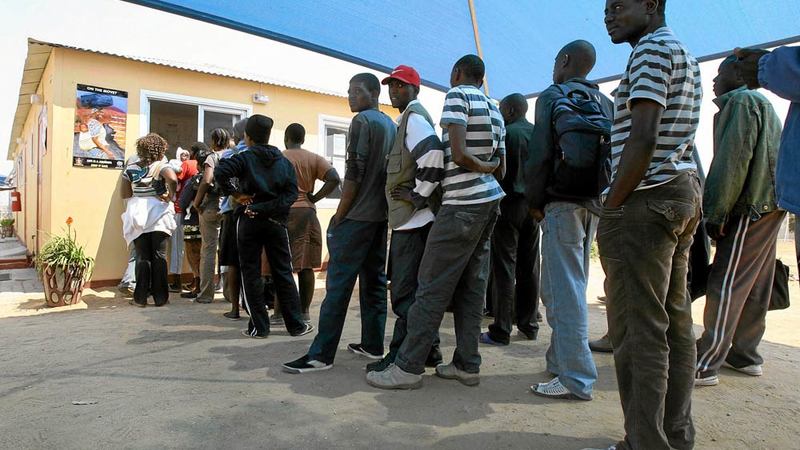
 A Health Policy Perspective Opening: The Tale of Two Approaches In the bustling streets of Johannesburg’s Hillbrow district, 34-year-old Amara* (name changed) clutches her 18-month-old daughter while waiting outside a public clinic. Originally from Somalia, she has been living in South Africa for three years but struggles to access consistent healthcare due to documentation challenges.

South Africa vs Rwanda: Which Country Has More Effective Regional Migration Policies? Read More »

Why Kenya’s Single Entry Visa System Works Better Than South Africa’s Multiple Visa Categories picture of a Kenyan passport and south African passport with visa stamps

Why Kenya’s Single Entry Visa System Works Better Than South Africa’s Multiple Visa Categories

 Kenya’s Single Entry Visa System vs South Africa’s Multiple Visa Categories Introduction: A Tale of Two Systems In 2023, Kenya introduced a significant shift in its immigration policy by implementing a single-entry visa system for all travelers. This move aimed to simplify the visa application process and promote tourism and business exchanges. In contrast, South

Why Kenya’s Single Entry Visa System Works Better Than South Africa’s Multiple Visa Categories Read More »

South Africa Critical Skills Visa, Nigeria Talent and Innovation Visa, skilled migration Africa, healthcare workforce South Africa, health workforce shortages, foreign-trained doctors South Africa, migration health policy, visa programs for professionals, talent attraction Africa, health sector innovation Nigeria, migration and healthcare, skilled professionals migration, diaspora return programs, telemedicine innovation Nigeria, healthcare integration migrants, family reunification visas, visa policy comparison Africa, labor migration policy South Africa, innovation visas Nigeria, health workforce development, migration health research, African migration policies, health system strengthening, skilled migrant retention, professional integration programs, mentorship programs for migrants, visa application process Africa, critical skills occupations South Africa, technology and healthcare Nigeria, migration policy recommendations, African health workforce gaps, international skilled migration

How Does South Africa’s Critical Skills Visa Compare to Nigeria’s Talent and Innovation Visa Program?

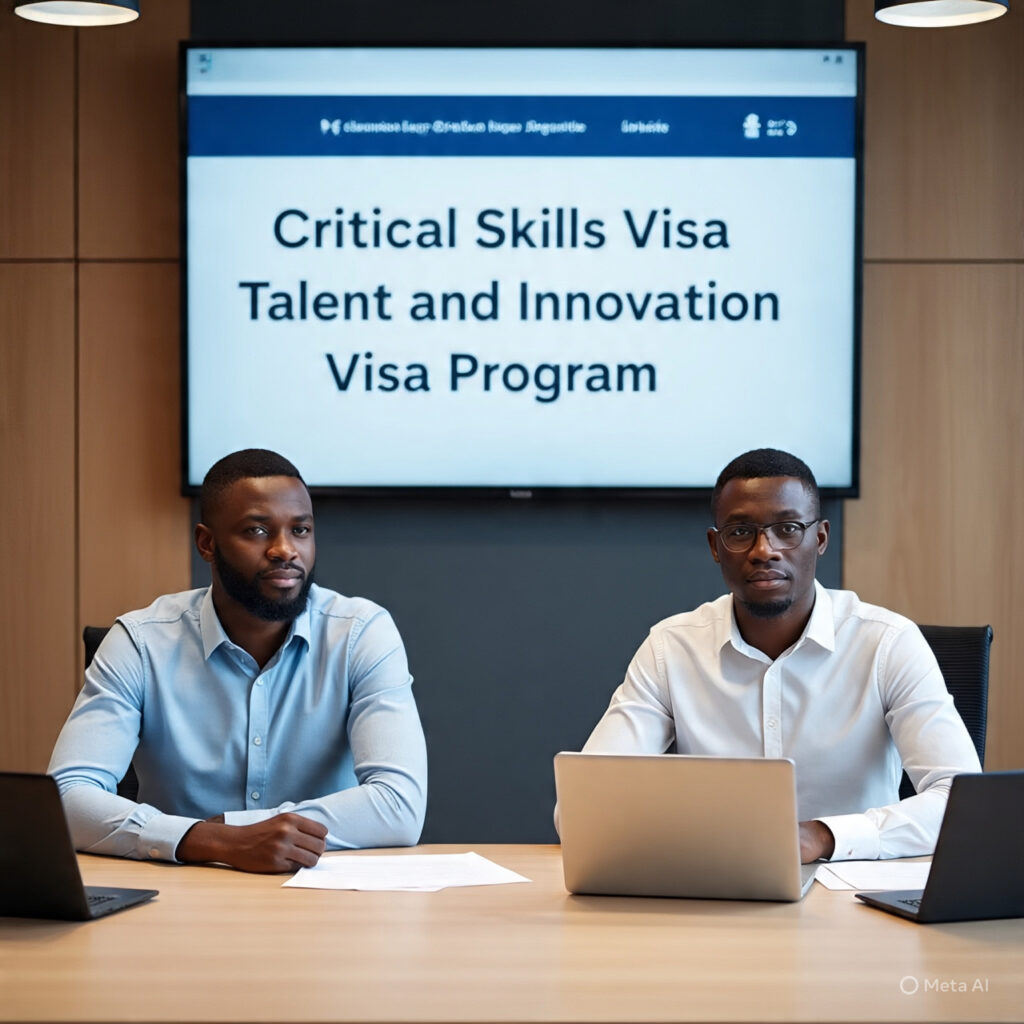
Comparing Migration Pathways Introduction In 2024, South Africa faced a significant shortage of healthcare professionals, with over 30% of public hospitals in Johannesburg and Cape Town reporting critical gaps in medical staffing. Meanwhile, Nigeria struggles with retaining skilled innovators, particularly in health technology and digital solutions. Consequently, both countries have developed targeted visa programs—South Africa’s

How Does South Africa’s Critical Skills Visa Compare to Nigeria’s Talent and Innovation Visa Program? Read More »