
Zimbabwe migration

Southern Africa, climate migration, climate-induced migration, migration health, migrant health, health systems, urban health, rural-to-urban migration, cross-border migration, undocumented migrants, informal settlements, public health, HIV, TB, disease burden, health disparities, vulnerable populations, gender and migration, youth migration, migrant women, health policy, South Africa, Gauteng, Durban, Gqeberha, Mozambique migration, Zimbabwe migration, Malawi migration, climate adaptation, health system preparedness, community health workers, CHW programs, urban planning, disaster risk management, migrant-inclusive policies, xenophobia, intersectionality, social determinants of health, health surveillance, climate-resilient health systems, regional migration policy, SADC, National Labour Migration Policy, mobile health, health equity, migration research, humanitarian response, evidence-based interventions, longitudinal studies, health outcomes, public health planning, emergency response, climate stress, food insecurity, drought displacement, flood displacement, environmental migration, health service access, migration trends, policy recommendations.

What will Southern Africa’s migration landscape look like in 2050 if current climate trends continue, and how should policymakers prepare today?

Southern Africa’s Climate Migration in 2050: Preparing Health Systems Today Opening: A Changing Migration Horizon Imagine Johannesburg, Gauteng Province, in 2050. Urban sprawl is no longer driven solely by economic migration. Increasingly, people move because climate change has destroyed rural livelihoods. Rural communities in Zimbabwe, Malawi, and Mozambique face worsening droughts, failing crops, and water […]
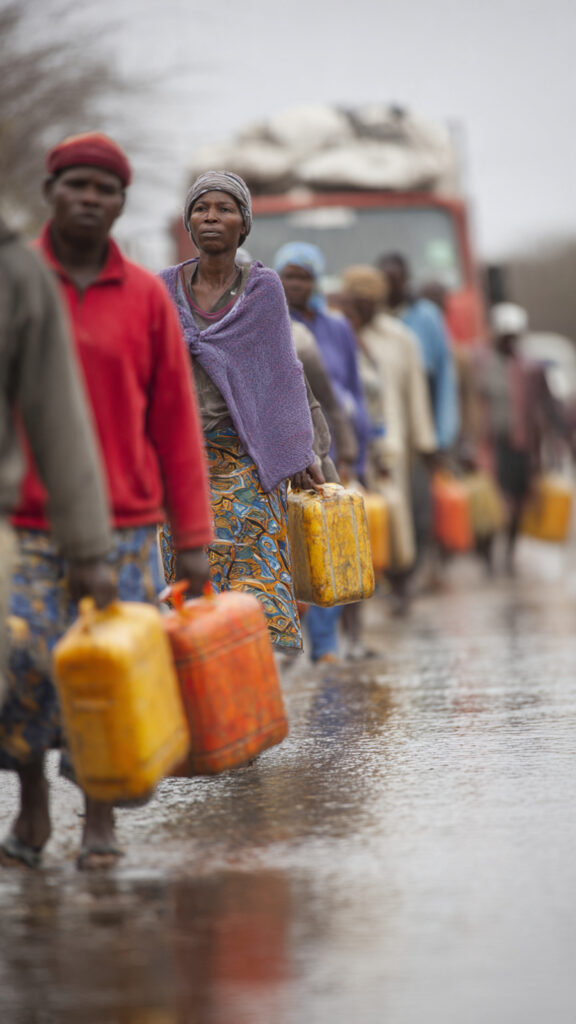
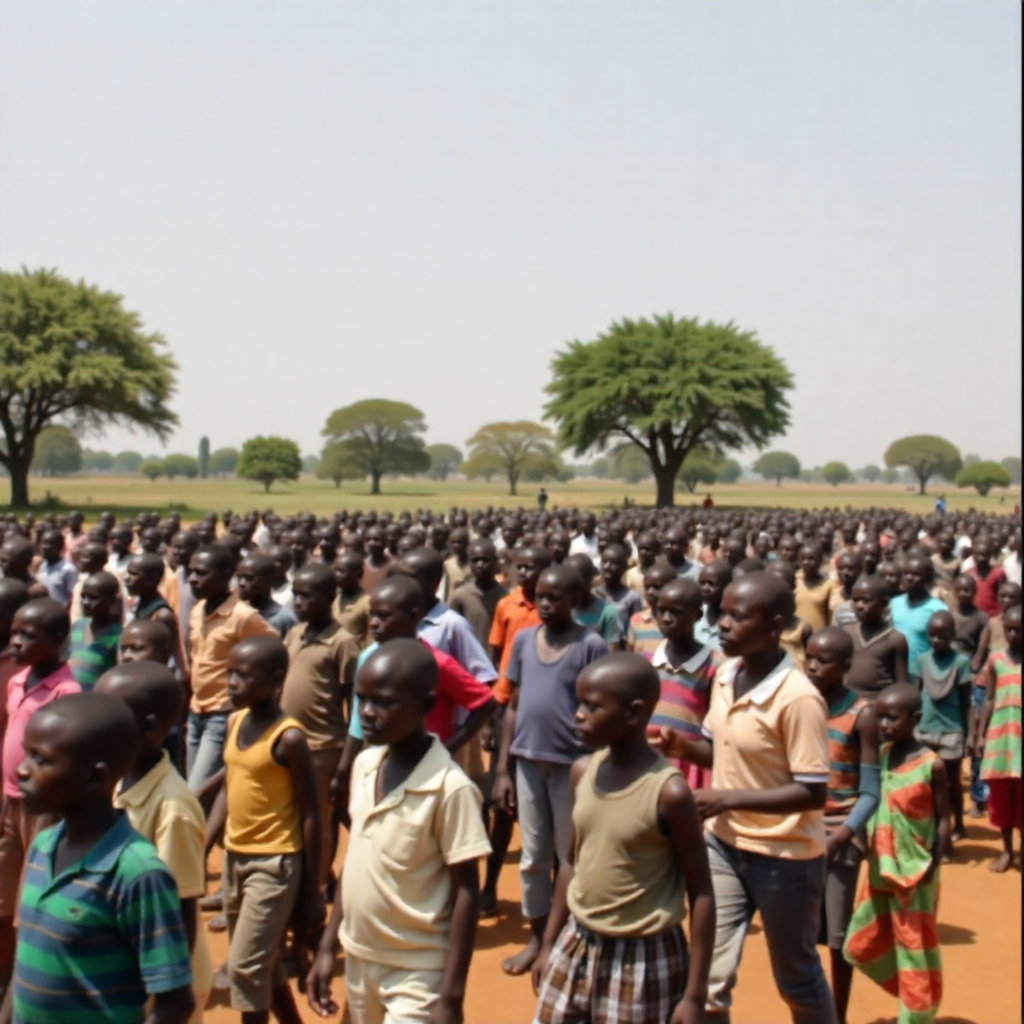
What will Southern Africa’s migration landscape look like in 2050 if current climate trends continue, and how should policymakers prepare today? Read More »

Water scarcity, cross-border migration, Zimbabwe migration, Mozambique migration, South Africa migration, climate-induced migration, migration health, rural-urban migration, Limpopo migration corridor, Musina health services, migrant health access, undocumented migrants, gender and migration, child health migrants, elderly migrants, chronic disease migrants, infectious disease risk, drought impacts, livelihood collapse, food insecurity, water governance, SADC migration, policy gaps, migration policy South Africa, health system strain, public health South Africa, NGO migrant support, community health programs, water-scarcity adaptation, climate mobility, migration trajectories, border crossings, Beitbridge border, refugee health, migration vulnerabilities, migrant-inclusive healthcare, mobile health outreach, cross-border water agreements, livelihood diversification, intersectional vulnerabilities, migrant protection, health policy recommendations, water-scarce regions, Musina water supply, Gauteng migrant health, Johannesburg migrant communities, Cape Town informal settlements, migration research gaps, migration health surveillance, climate change migration, Africa Climate Mobility Initiative, adaptation strategies, ethical sensitivity in migration, public health preparedness, regional cooperation, SADC water policy, health equity migrants, migrant case studies, policy implementation timeline, sustainable migration solutions, migration monitoring, rural livelihood resilience, health system integration.

What role does water scarcity play in driving cross-border migration from Zimbabwe and Mozambique into South Africa?

Water Scarcity and Cross-Border Migration: Health Policy Implications for South Africa When the Land Runs Dry: Water Scarcity as a Migration Driver In 2024, over 50% of people leaving Matabeleland South, Zimbabwe, cited repeated drought as a key push factor. The Africa Climate Mobility Initiative estimates 200,000–800,000 Southern Africans may migrate by 2050 due to

What role does water scarcity play in driving cross-border migration from Zimbabwe and Mozambique into South Africa? Read More »

Zimbabwe migration, political instability Zimbabwe, SADC governance reforms, migration health, Southern African migration, Zimbabwean migrants South Africa, migration policy South Africa, cross-border migration, migration health services, undocumented migrants, health system resilience, regional governance Southern Africa, migration push factors, Zimbabwe economic crisis, survival migration, migrant health access, labour mobility SADC, returnee migrants Zimbabwe, migrant-inclusive clinics, urban migration South Africa, maternal health migrants, HIV TB migrants, migration data collection, migration reintegration programs, MIDSA, SAMM Project, migration rights, Zimbabwe brain drain, migration vulnerability, cross-border health coordination

How Can Regional Governance Reforms Address the Political Instability Driving Mass Migration from Zimbabwe to Neighboring Countries?

Governance Reforms to Manage Zimbabwean Migration Flows Opening: Migration, Instability and Health in Southern Africa Migration from Zimbabwe has risen sharply in recent years due to political instability, economic collapse, and failing health services. Afrobarometer (2024) reports that nearly 60% of Zimbabweans considered leaving, with four in ten targeting neighbouring South Africa. (afrobarometer.org) Statistics South

How Can Regional Governance Reforms Address the Political Instability Driving Mass Migration from Zimbabwe to Neighboring Countries? Read More »

African migration, South Africa, economic impacts, migration economics, health policy, healthcare access, migrant health, continental mobility, SADC migration, cross-border migration, immigration policy, health systems, universal health coverage, National Health Insurance, migration health economics, healthcare costs, fiscal contributions, labor migration, skilled migration, brain drain, healthcare workers, refugee health, asylum seekers, undocumented migrants, migration data, remittances, economic integration, informal economy, healthcare utilization, emergency healthcare, maternal health, communicable diseases, tuberculosis, malaria, mental health, trauma, gender-based violence, reproductive health, constitutional rights, health rights, documentation barriers, healthcare equity, vulnerable populations, intersectional factors, urban migration, rural migration, border health, Johannesburg migration, Cape Town migration, Durban migration, Zimbabwe migration, Mozambique migration, community health workers, digital health, multilingual health services, stakeholder engagement, policy implementation, evidence-based policy, health workforce, professional recognition, bilateral cooperation, regional cooperation, cost-effectiveness, preventive care, health screening, clinic access, hospital utilization, NGO services, civil society, advocacy, research gaps, data limitations, policy recommendations, implementation timelines, sustainable financing, migration governance, health diplomacy, continental health integration, public health, epidemiology, health economics, migration statistics, population health, health equity, social determinants, healthcare delivery, primary healthcare, emergency medicine, occupational health, border management, xenophobia, discrimination, cultural competency, language barriers, patient navigation, health education, community engagement, partnership models, innovative solutions, best practices, scalability, monitoring evaluation

What are the Economic Impacts of African Migration in South Africa?

A Health Policy Lens on Continental Mobility and Health Care Systems A Tale of Two Cities: When Migration Meets Healthcare Reality In Cape Town’s Somerset Hospital emergency ward, Dr. Nomsa Mbeki notices a familiar pattern during her night shifts. Among the patients seeking urgent care, approximately 30% are cross-border migrants from Zimbabwe, Mozambique, and other

What are the Economic Impacts of African Migration in South Africa? Read More »