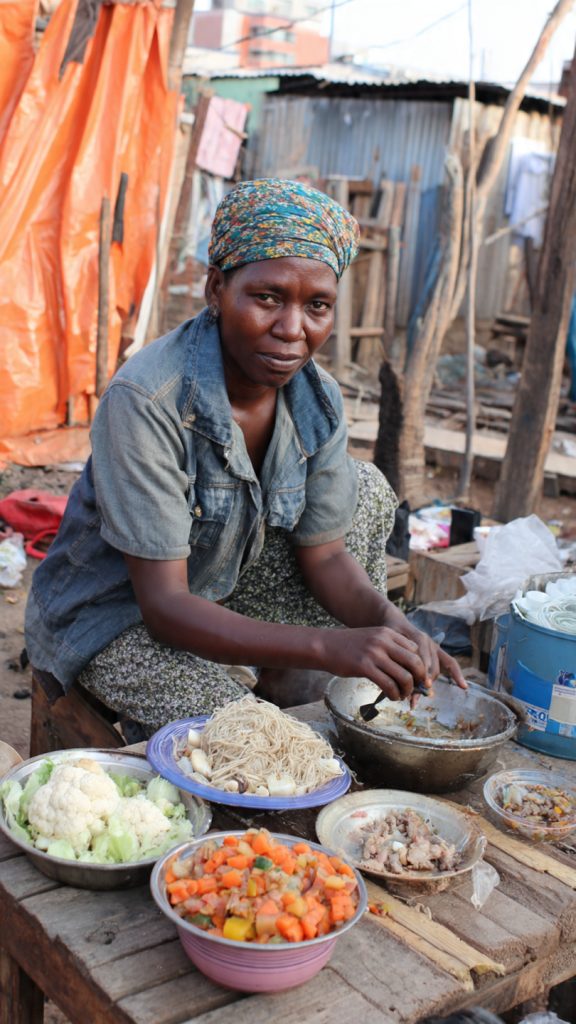
Yeoville

Zimbabwean migrants, Johannesburg, urban food systems, traditional diets, dietary transition, food insecurity, migrant health, nutrition, non-communicable diseases, NCDs, obesity, diabetes, hypertension, micronutrient deficiencies, women migrants, children, undocumented migrants, low-income households, spaza shops, street food, community kitchens, urban agriculture, migrant inclusion, food policy, National Food and Nutrition Security Plan, Integrated Nutrition Programme, Social Assistance Act, food access, culturally appropriate foods, food affordability, health disparities, nutrition education, public health, migrant-sensitive interventions, South African cities, Hillbrow, Berea, Yeoville, Rosettenville, nutrition surveillance, food marketing, urban health, gender disparities, age disparities, income vulnerability, diet-related health outcomes, policy gaps, evidence-based solutions.

Nutritional Transitions Among Zimbabwean Migrants in Johannesburg: From Traditional Diets to Urban Food Systems

Zimbabwean Migrants in Johannesburg: From Traditional Diets to Urban Foods Nutritional Transitions Among  Introduction: A Changing Food Landscape In Johannesburg’s dense urban neighbourhoods—Hillbrow, Berea, Rosettenville, Yeoville—Zimbabwean migrants face rapid shifts in their diets. A 2023 Johannesburg Migrant Food Security Study found that 62% of Zimbabwean migrants reported significant dietary changes within their first year in […]

Nutritional Transitions Among Zimbabwean Migrants in Johannesburg: From Traditional Diets to Urban Food Systems Read More »

African migration, South Africa, urban landscapes, health policy, migration health, urban health systems, healthcare access, National Health Insurance, NHI, constitutional rights, undocumented migrants, asylum seekers, refugees, cross-border migration, internal migration, rural-urban migration, circular migration, health equity, primary healthcare, emergency medical services, maternal health, chronic disease management, community health workers, Johannesburg, Cape Town, Durban, Alexandra township, Hillbrow, Yeoville, health system strengthening, policy implementation, documentation barriers, intersectional vulnerabilities, gender-based health disparities, age-specific health needs, cultural competency, language barriers, public health practitioners, health policymakers, NGO workers, civil society organizations, Scalabrini Centre, Doctors Without Borders, health service delivery, mobile health clinics, peer health educators, policy advocacy, human rights, health outcomes, epidemiological data, disease burden, communicable diseases, antenatal care, emergency department utilization, clinic overcapacity, health facility planning, municipal health services, provincial health departments, inter-governmental coordination, budget allocation, cost-effectiveness analysis, health monitoring systems, data collection protocols, staff training, discrimination in healthcare, patient identifier systems, anonymous service delivery, policy harmonization, legal frameworks, National Health Act, constitutional guarantees, health insurance, out-of-pocket payments, medication access, follow-up care, health education, multilingual services, occupational health, informal economy, gender-based violence, adolescent health, older adult care, research gaps, longitudinal studies, economic analysis, implementation research, digital health innovations, technology solutions, community resilience, health security, public health goals, evidence-based policy, stakeholder engagement, accountability mechanisms, service integration, spatial planning, bylaw reforms, private-public partnerships, capacity building, knowledge translation, migration corridors, settlement patterns, demographic transition, urbanization, population health, health equity, social determinants of health, vulnerable populations, marginalized communities, inclusive health policies, universal health coverage, middle-income country, Southern African Development Community, SADC, continental migration patterns, health diplomacy, regional health cooperation

How Does African Migration Affect South Africa’s Urban Landscapes?

The Urban Health Emergency Unfolding in Real Time In the bustling township of Alexandra, Johannesburg, Dr. Sarah Mthembu witnessed firsthand the strain migration places on urban health systems. With Africa experiencing a 25-percent growth in intra-continental migrants over the last decade—from 12 million in 2015 to 15 million in 2024, her clinic now serves triple

How Does African Migration Affect South Africa’s Urban Landscapes? Read More »

mental health challenges, African migrants, South Africa, urban centers, xenophobia, trauma, depression, anxiety, PTSD, migration experiences, social isolation, refugees, asylum seekers, Johannesburg, Cape Town, Durban, mental health policy, healthcare access, discrimination, documentation barriers, alienation, forced migration, displacement, mental health services, cultural competency, community-based interventions, health systems, policy gaps, migrant health, psychological distress, xenophobic violence, mental health treatment, healthcare exclusion, migration trauma, mental health stigma, refugee mental health, asylum seeker mental health, cross-border migrants, migration health policy, mental health framework, health policy reform, migrant communities, ethnic enclaves, Little Mogadishu, Yeoville, Mayfair, Gambela, Somali migrants, Congolese migrants, Ethiopian migrants, gender-based violence, domestic violence, family separation, complicated grief, role displacement anxiety, traditional healing, peer counseling, telemedicine, mental health apps, Ubuntu Mental Health Initiative, MigrantMind app, community mental health, cultural healing, mental health interventions, health system strengthening, mental health research, epidemiological studies, mental health prevalence, intervention research, participatory research, health equity, human rights, social determinants of health, mental health legislation, National Mental Health Policy, Department of Home Affairs, refugee reception offices, mental health professionals, healthcare providers, NGOs, civil society organizations, academic researchers, policy makers, community leaders, mental health training, cultural competency training, mental health screening, crisis intervention, emergency protocols, mental health units, specialized services, integrated care, sustainable financing, regional cooperation, implementation science, evidence-based practice, longitudinal studies, randomized controlled trials, cost-effectiveness, health technology, mobile health, digital mental health, mental health literacy, anti-discrimination, legal aid, victim support, trauma-informed care, resilience, protective factors, risk factors, vulnerability, intersectionality, documentation status, legal status, undocumented migrants, bureaucratic trauma, administrative violence, systemic exclusion, social exclusion, mental health burden, disease burden, public health emergency, humanitarian crisis, health disparities, health inequities

The Hidden Epidemic: Mental Health Challenges Among African Migrants in South Africa’s Urban Centers

 Mental Health of African Migrants Addressing trauma, depression, anxiety, and PTSD linked to migration experiences, xenophobia, and social isolation Introduction: A Crisis in Plain Sight In Johannesburg’s Mayfair district, known as “Little Mogadishu,” Hawy sits in a cramped room with three other Somali asylum seekers. Since 2004, he has watched his father and brothers die

The Hidden Epidemic: Mental Health Challenges Among African Migrants in South Africa’s Urban Centers Read More »