xenophobia South Africa, African migrant food vendors, informal economy, urban food security, migrant livelihoods, Johannesburg street vendors, Cape Town informal markets, Durban food vendors, economic exclusion, violence against migrants, displacement, migrant resilience strategies, gendered vulnerabilities, undocumented migrants, policy gaps, social protection, informal trading regulations, hate crimes, food access, urban poverty, migrant cooperatives, community support networks, inclusive market infrastructure, migrant entrepreneurship, informal food sector, municipal licensing, emergency relief for vendors, livelihood shocks, remittances, informal sector inclusion, migrant empowerment, migration and food security, informal market safety, South African urban policy, migrant women vendors, low-income household food access, food system policy, informal vendor networks, capacity building for migrants, xenophobic harassment, urban planning for migrants, migrant vendor case studies, migrant integration, inclusive urban markets

How Does Xenophobia Impact the Food Security and Livelihood Strategies of African Migrant Food Vendors in South African Informal Economies?

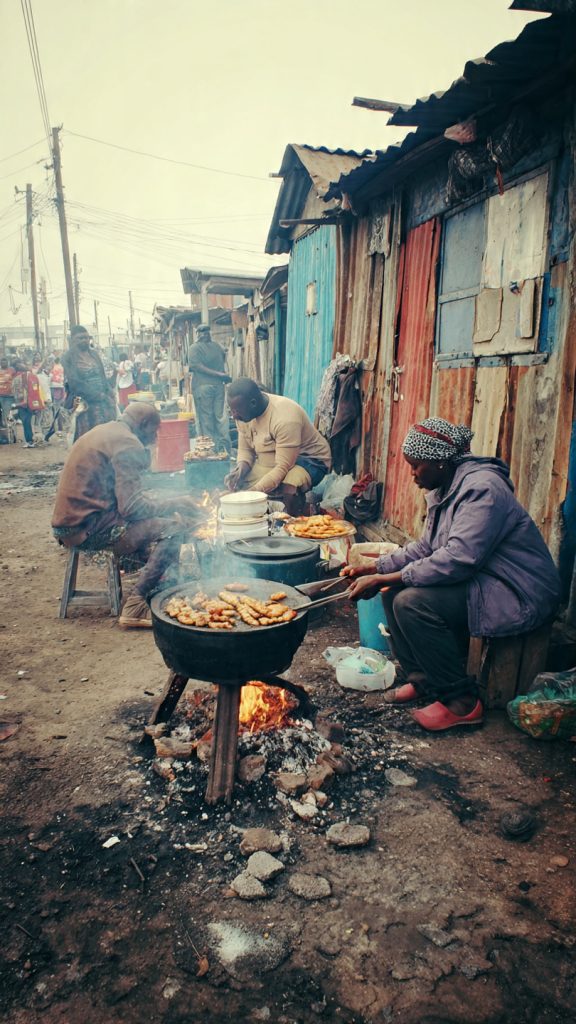
Xenophobia and Migrant Food Vendors in South Africa In a dusty corner of inner‑city Johannesburg, 34‑year-old “Amina” (pseudonym), a Zimbabwean national, set up a small open‑air stall selling maize meal and fresh produce. On many days, she brought affordable staples to working‑class households who lacked access to supermarkets. But on 1 September 2019 — during […]

How Does Xenophobia Impact the Food Security and Livelihood Strategies of African Migrant Food Vendors in South African Informal Economies? Read More »