
xenophobia in schools

Zimbabwean migrant children, climate-displaced children, xenophobia in schools, South Africa migration, child education access, Gauteng migrant learners, Limpopo school inclusion, Western Cape migrant students, Zimbabwe drought migration, undocumented children education, migrant child health, school bullying, trauma-informed education, school feeding schemes, cross-border mobility, climate migration policy, South African education policy, child nutrition, mental health of migrants, anti-xenophobia programs, migrant integration, temporary documentation, refugee children South Africa, climate-related displacement, migrant adolescent wellbeing, education continuity, migrant family mobility, inclusion pilot programs, psychosocial support schools, SADC migration, migration health research, gendered vulnerabilities, informal settlement schooling, migrant child protection, cross-sector coordination, EMIS data on migrants, humanitarian education interventions, education equity, South African school policy

Zimbabwe’s Double Burden: Climate-Displaced Children Facing Xenophobia in South African Schools

From Drought to Discrimination: Zimbabwean Children in South African Schools A Classroom in Johannesburg In early 2025, a Grade 6 teacher in Johannesburg reported an alarming pattern: children arriving mid-term from Zimbabwe, often without documentation, struggled with English or isiZulu and were targeted by classmates repeating anti-foreigner rhetoric. One 12-year-old boy, fleeing prolonged drought with […]
Zimbabwe’s Double Burden: Climate-Displaced Children Facing Xenophobia in South African Schools Read More »

migrant children education South Africa, undocumented learners, South African Schools Act, Admission Policy for Ordinary Public Schools, right to basic education, Section 29 Constitution, Centre for Child Law, Department of Basic Education, education access barriers, school admissions South Africa, documentation requirements, inclusive education, xenophobia in schools, Gauteng education system, Home Affairs documentation, LURITS system, provincial education departments, refugee learners, migrant rights, education policy South Africa, child rights, equality in education, human rights in South Africa, NGOs in education, community advocacy, school inclusion models, Hillbrow Primary School, Scalabrini Centre, SECTION27, Equal Education, CoRMSA, Jesuit Refugee Service, Save the Children South Africa, educational exclusion, urban migration South Africa, Johannesburg schools, Cape Town schools, Durban schools, Limpopo border schools, public health and education, gender and migration, education equity, intersectional vulnerabilities, youth marginalization, constitutional rights enforcement, policy reform South Africa, children on the move, inclusive schooling practices, teacher migration sensitivity training, education monitoring South Africa, documentation barriers, migrant family challenges, human rights education, child protection South Africa

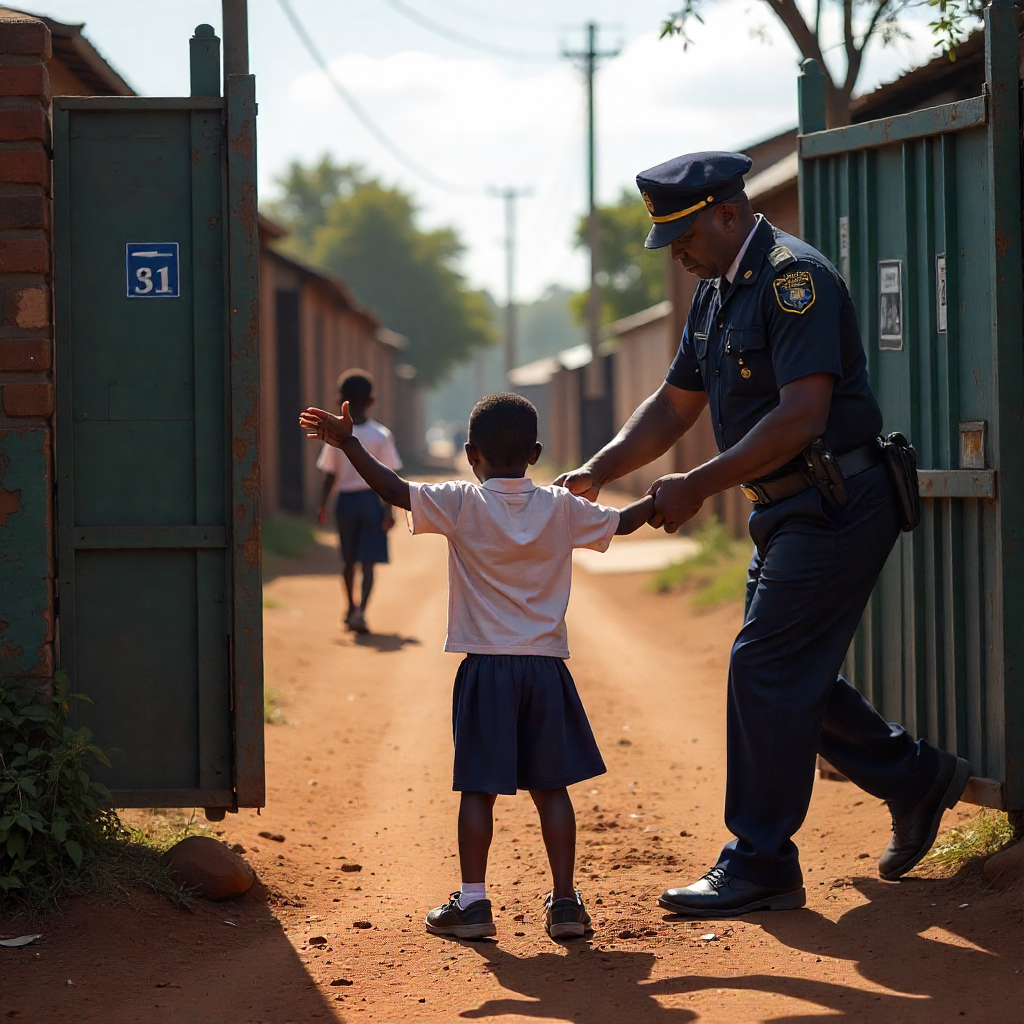
The School Gate Barrier: Education Officials Blocking Migrant Children’s Right to Learn

 Migrant Children’s Educational Rights  Opening: A Child at the Gate At 7:30 a.m. in Johannesburg’s inner city, Blessing, a 10-year-old from Zimbabwe, waits outside a public primary school with her mother. They’ve been turned away three times. The principal insists on a South African birth certificate or permanent residence permit — documents Blessing’s family doesn’t

The School Gate Barrier: Education Officials Blocking Migrant Children’s Right to Learn Read More »