urban migrant health

dietary acculturation, second-generation African migrants, South Africa, nutrition transition, obesity, type 2 diabetes, cardiovascular disease, non-communicable diseases, NCDs, metabolic risk, rural-to-urban migration, urbanization, gut microbiome, intergenerational health, child nutrition, adolescent diet, food insecurity, traditional diets, processed foods, fast food, sugary drinks, refined carbohydrates, health disparities, gender disparities, socioeconomic status, migration health, urban food environment, community-based nutrition programs, culturally sensitive interventions, public health policy, nutrition surveillance, migrant-sensitive policy, chronic disease prevention, metabolic syndrome, hypertension, abdominal obesity, health equity, school-feeding programs, social determinants of health, urban planning, community gardens, fresh produce access, food subsidies, health promotion, epigenetic effects, longitudinal cohort studies, intergenerational dietary patterns, nutrition education, health interventions, South African health policy, urban migrant health, adolescent metabolic risk, culturally tailored counseling, preventive health strategies, structural determinants of health, metabolic syndrome risk, migrant communities, health outcomes, diet-related chronic disease, nutrition policy gaps, intervention programs, migration-sensitive research, food deserts, low-income urban households.

What Are the Long-Term Health Implications of Dietary Acculturation for Second-Generation African Migrants in South Africa?

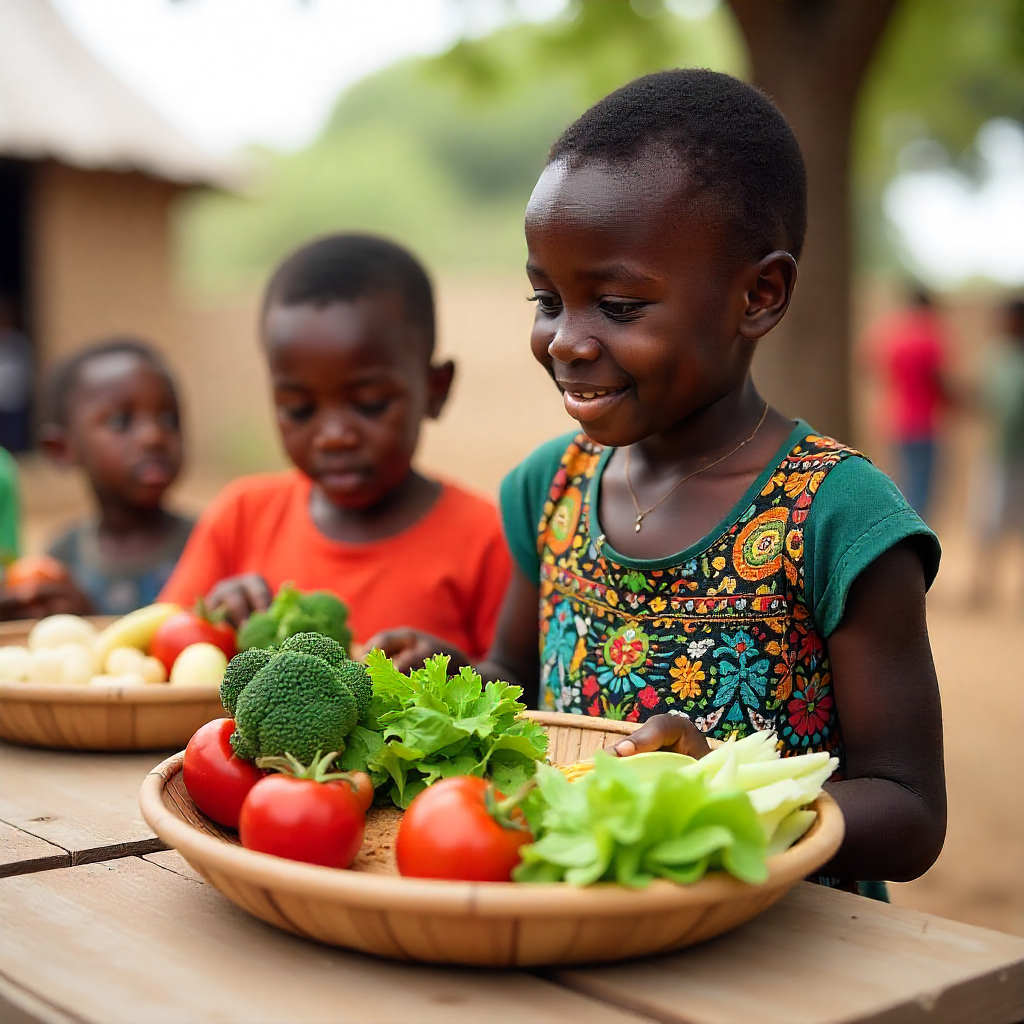
Long-Term Health Implications of Dietary Acculturation for Second-Generation African Migrants in South Africa Introduction: Migration and Metabolic Risk Consider a hypothetical child, born in Johannesburg to parents who migrated from rural Limpopo. At home, the family still eats traditional meals such as maize porridge (pap), leafy greens, and pulses. Outside the home, at school and […]

What Are the Long-Term Health Implications of Dietary Acculturation for Second-Generation African Migrants in South Africa? Read More »

African migrants, migrant healthcare South Africa, community-led health initiatives, migrant organizations, healthcare access, peer support, migrant advocacy, grassroots health programs, undocumented migrants, migration and health, public health South Africa, health equity, HIV and migrants, TB in migrant communities, xenophobia and healthcare, migrant women’s health, South African health policy, migrant health policy gaps, inclusive healthcare, peer educators, refugee health services, migrant health challenges, healthcare discrimination, migrant-led interventions, urban migrant health, migrant health programs Johannesburg, Cape Town migrant health, Durban migrant communities, intersectionality in healthcare, healthcare for non-citizens, migrant rights South Africa.

Community-Led Solutions: How African Migrant Organizations Are Addressing Healthcare Gaps Through Peer Support and Advocacy

Certainly! Here’s the revised version of your blog post with enhanced use of transition words and phrases to improve flow and coherence. Transitional elements are used to guide the reader smoothly between sections, ideas, and examples.  How African Migrant Organizations Are Addressing Healthcare Gaps In a cramped Hillbrow flat in inner-city Johannesburg, Fatou*, a 29-year-old

Community-Led Solutions: How African Migrant Organizations Are Addressing Healthcare Gaps Through Peer Support and Advocacy Read More »