unemployment

Zimbabwean migrants, South Africa, post-pandemic employment, job-seeking strategies, economic insecurity, informal work, casual labour, self-employment, migrant livelihoods, labour market, unemployment, documentation status, gender disparities, age factors, urban migration, Johannesburg, Cape Town, Gauteng, Western Cape, migrant entrepreneurship, micro-enterprises, informal economy, social protection, labour rights, migrant vulnerability, skill recognition, migrant support programs, peer mentorship, migration health, public health, policy gaps, intersectionality, economic adaptation, survival strategies, gig economy, day-labour, cross-border trade, labour market integration, pandemic impact, remittances, migrant resilience.

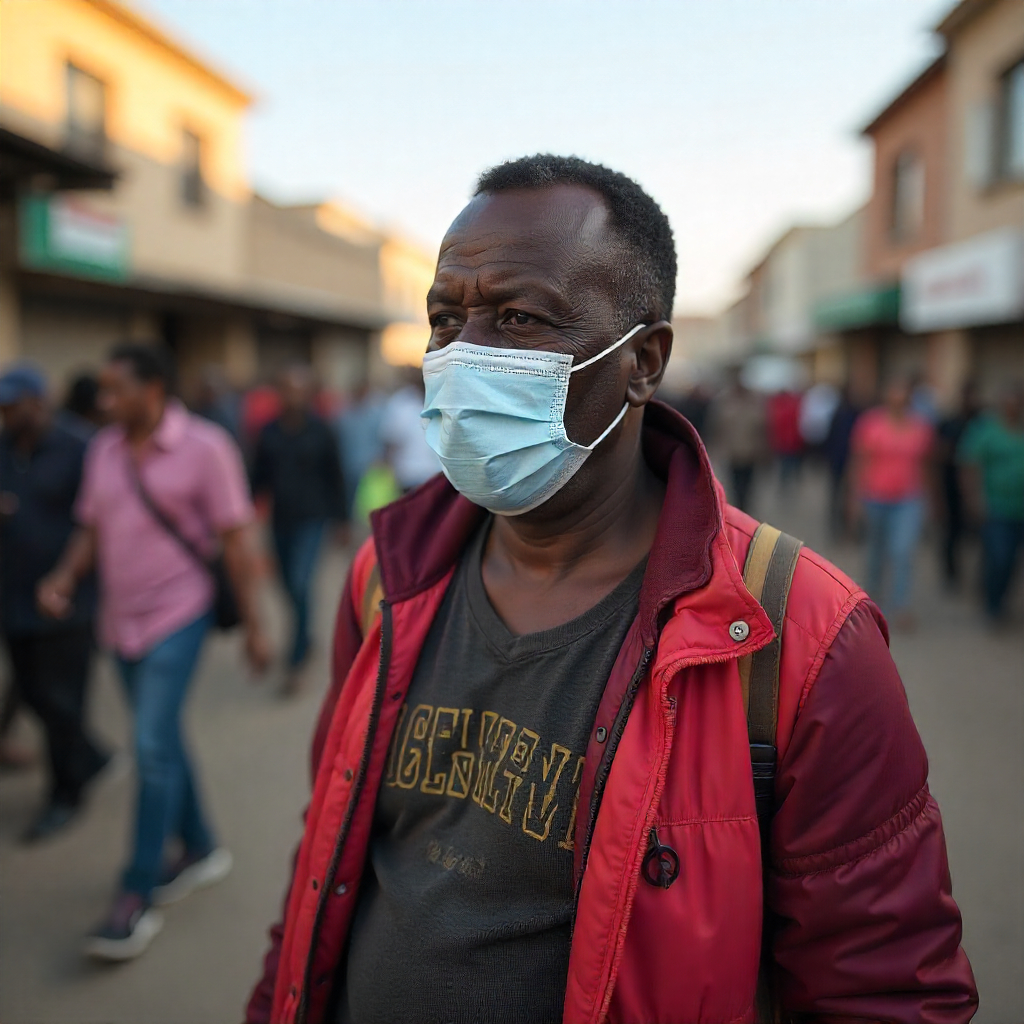
How Has Economic Insecurity in South Africa Changed Zimbabwean Migrants’ Job-Seeking Strategies Post-Pandemic?

Economic Insecurity and Migrant Job-Seeking in South Africa Opening: Stories and Statistics That Set the Scene In the early morning light of a township in Johannesburg, 29‑year‑old “Grace” (name changed) checks her cell phone yet again. She left Harare in 2019, hopeful of earning enough in South Africa to send money home. She initially found […]


How Has Economic Insecurity in South Africa Changed Zimbabwean Migrants’ Job-Seeking Strategies Post-Pandemic? Read More »

South Africa migration, regional migration, labor market impact, economic impact of migration, SADC migrants, cross-border workers, inter-provincial migration, migrant labor, informal sector, formal employment, labor force participation, unemployment, migrant entrepreneurship, gender and migration, migrant women, migrant health, healthcare access for migrants, migrant policies, National Labour Migration Policy, skills development, migrant integration, migrant vulnerabilities, labor protections, economic growth, industrial sectors, urban migration, case studies migration, migration research South Africa, COVID-19 impact migrants, migrant social protection, policy recommendations, employment barriers, documentation challenges, migrant rights, intersectional migration analysis, migration and economic development, South African labor policies, NGOs migration programs, migrant community support, workforce diversity, migration statistics South Africa, migrant economic contribution, ethical migration practices, migrant-inclusive policies, urban labor market, migrant workforce sectors

The Economic Impact of Regional Migration on South Africa’s Labor Market and Industries

Economic Impacts and Policy Pathways Introduction: Migration as a Catalyst for Economic Transformation In 2025, South Africa’s unemployment rate remains among the highest globally, with official figures at 32.9% and an expanded definition reaching 43.1%. Reuters Amidst this economic challenge, regional migration—particularly from neighboring Southern African Development Community (SADC) countries—has emerged as a significant factor

The Economic Impact of Regional Migration on South Africa’s Labor Market and Industries Read More »

migration health, South Africa migration, economic impact, health policy, migration economics, healthcare costs, remittances, cross-border migration, undocumented migrants, healthcare access, National Health Insurance, constitutional rights, migration policy, health systems, xenophobia, skilled migration, healthcare workers, professional qualification recognition, migrant entrepreneurship, emergency department utilization, uncompensated care, public health, private healthcare, informal economy, seasonal workers, agricultural labor, tourism sector, port economy, inner city health, mobile health units, cost-benefit analysis, health equity, universal health coverage, migration flows, documentation barriers, regional migration, Southern African Development Community, SADC, border movements, economic contributions, tax revenue, job creation, business registration, community health, cultural competence, multilingual services, health screening, portable health records, preventive care, health financing, fiscal impact, treasury guidelines, policy integration, stakeholder engagement, civil society, NGO advocacy, academic research, longitudinal studies, evidence-based policy, health worker shortage, brain drain, brain gain, informal settlements, health risks, social tensions, economic instability, one-stop services, fast-track programs, metropolitan areas, provincial health departments, sustainable financing, research gaps, gender analysis, intersectional factors, vulnerable populations, ethical considerations, privacy protection, case studies, statistical analysis, demographic trends, healthcare utilization patterns, migrant rights, social determinants of health, economic opportunities, policy recommendations, implementation timelines, monitoring systems, program evaluation, success factors, pilot programs, integrated approaches, comprehensive healthcare, emergency services, primary healthcare, specialist care, health outcomes, community-based programs, capacity building, training programs, partnership development, multi-sectoral collaboration, regional cooperation, bilateral agreements, migration corridors, economic corridors, trade relationships, labor mobility, skills recognition, qualification frameworks, professional councils, regulatory barriers, administrative processes, service delivery, quality improvement, health system strengthening, infrastructure development, resource allocation, budget planning, financial sustainability, innovative solutions, best practices, lessons learned, scalability, replicability, knowledge transfer, policy dialogue, advocacy campaigns, public awareness, community engagement, stakeholder consultation, participatory approaches, inclusive policies, non-discrimination, human rights, international law, regional frameworks, continental policies, global health security, pandemic preparedness, health emergencies, disaster response, climate migration, environmental factors, food security, drought impacts, unemployment, inflation, economic shocks, resilience building, adaptive capacity, transformation agenda, social cohesion, nation building, development outcomes, poverty reduction, inequality, social protection, safety nets, livelihood strategies, economic diversification, value chains, supply chains, market access, trade facilitation, investment promotion, economic growth, productivity gains, innovation ecosystems, technology transfer, digital health, telemedicine, health information systems, data management, surveillance systems, epidemiological monitoring, health indicators, performance metrics, quality assurance, accountability mechanisms, transparency, governance structures, institutional arrangements, coordination mechanisms, inter-governmental relations, decentralization, local government, municipal services, urban planning, spatial development, housing policies, land use, transport systems, infrastructure investment, service provision, public-private partnerships, community participation, social capital, trust building, conflict resolution, peace building, reconciliation processes, social justice, human dignity, solidarity, ubuntu philosophy

The Economic Impact of Migration on South African Communities: A Health Policy Perspective

 Migration Health in South Africa Opening: The Numbers Tell a Story In July 2024, the South Africa-Zimbabwe corridor alone recorded 32,309 movements, constituting 92% of all migration flows across Zimbabwe’s official border points. Meanwhile, healthcare facilities in Johannesburg’s inner city reported a 40% increase in emergency department presentations by undocumented migrants between 2023 and 2024.

The Economic Impact of Migration on South African Communities: A Health Policy Perspective Read More »